Which Limit Comes First?
If the cartridge instructions specify time and volume, whichever comes first, change it on that first limit. Start with the part number, the date it went in and the applicable volume allowance. If the outlet slows sooner, compare the inlet and outlet under the same draw before putting the problem down to the filter. Check whether another appliance is drawing from the branch, and look for a shutoff or supply issue.[1][2][3]
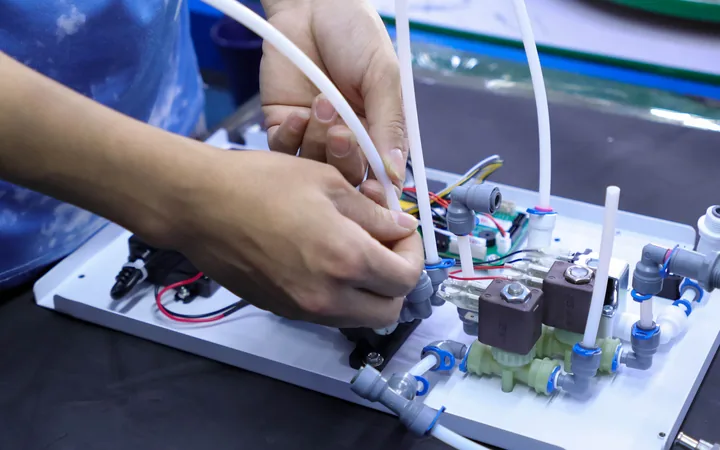
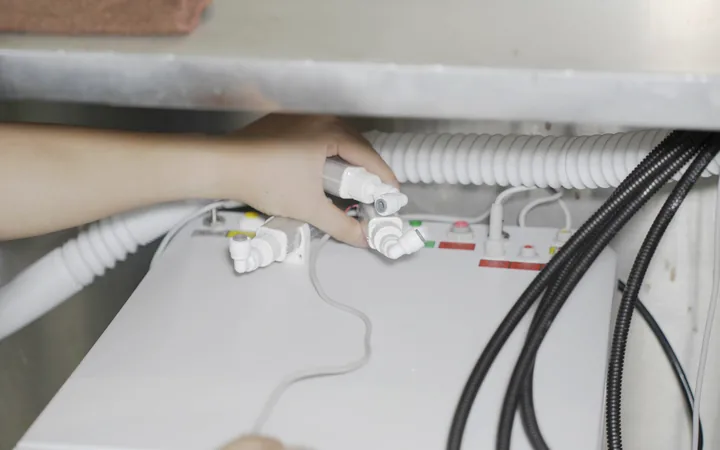
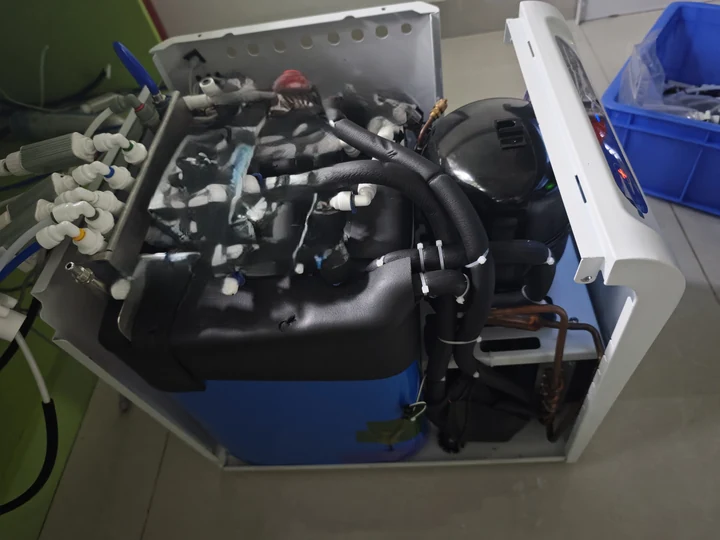
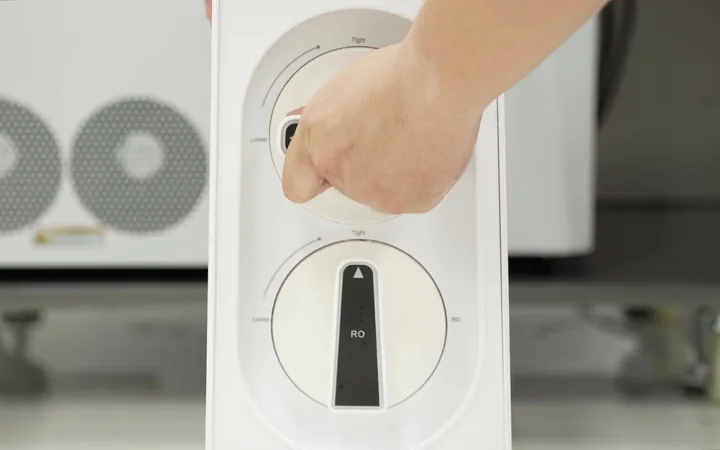
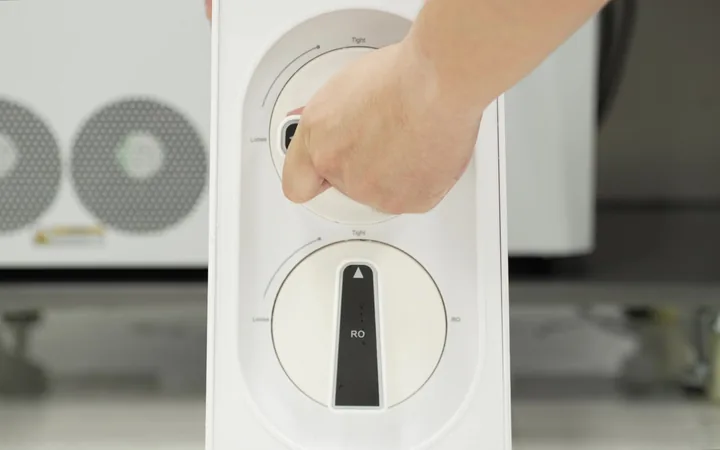
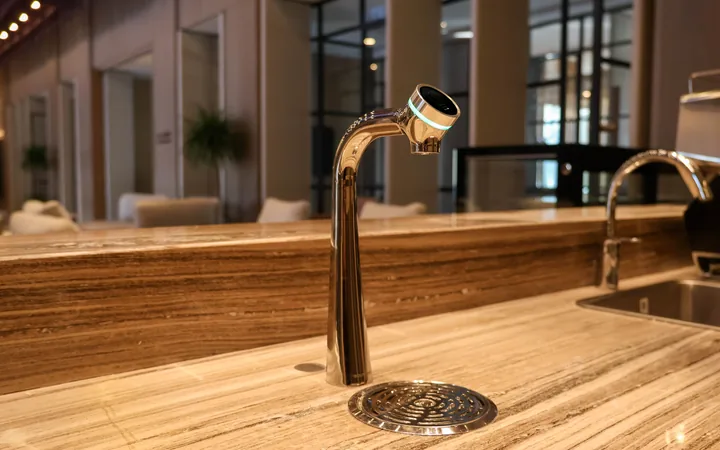
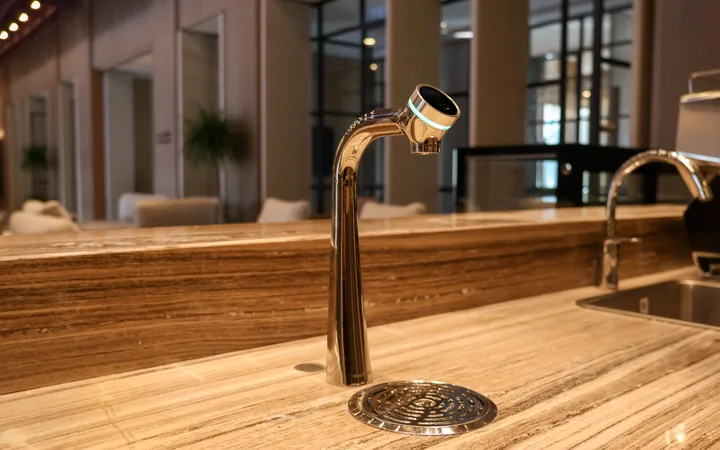
At a bar fitted with Bestware’s G1DS-1023 standalone reverse-osmosis unit, there are two service entries. The manufacturer lists 12 months or 4,000 L for the PAC composite cartridge and 24 months or 8,000 L for the 1000G RO cartridge, with the earlier limit applying to each. Keep a separate installation date if just one was replaced. The published G1DS-123 configuration does not show that standalone RO assembly. Read the actual fitted unit before reusing the schedule.[9][10][11]
| Signal | What It Tells You | What to Check Next |
|---|---|---|
| Date or Reminder Light | Elapsed time or the reminder logic specified by the system. | Check the installation date and the cartridge’s service instructions. |
| Volume Counter | Measured or estimated water use within the counter’s scope. | Confirm which water passes through the cartridge and whether flushing is counted. |
| Slower Flow | A change in hydraulic performance. | Compare under similar conditions; check supply pressure, valves and the filter. |
| Taste, Odor or Appearance | A noticeable change at the point of use. | Record the change and investigate its cause; appearance does not measure every treatment claim. |
| Targeted Water Test | A result for the named substance, location and sampling method. | Compare with the treatment objective and the applicable service or response procedure. |
A useful reminder needs a known basis. EPA describes tracking days or gallons when a filter has no indicator; CDC notes that taste, smell and appearance do not reliably establish water safety.[3][4]
A Slow Outlet Is a Clue You Can Check
A filter that catches particles can begin to restrict flow. Carbon can run out of capacity to adsorb a particular substance while water still flows freely. Compare the same outlet, draw and upstream conditions with a known baseline. Investigate unusual taste or odor and use appropriate testing where the treatment concern requires it.[1][4]
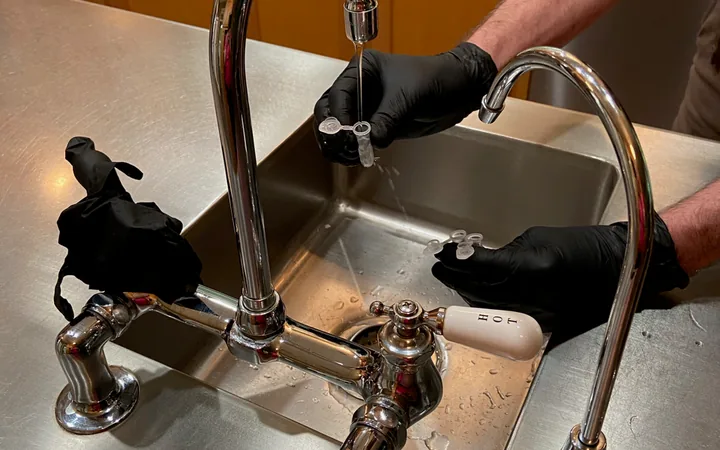
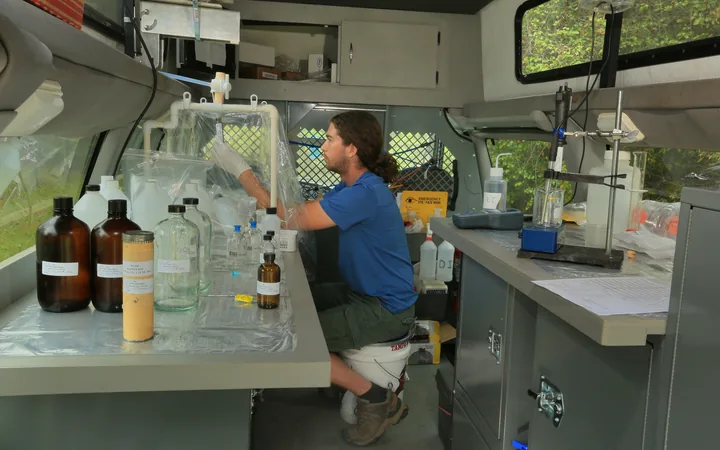
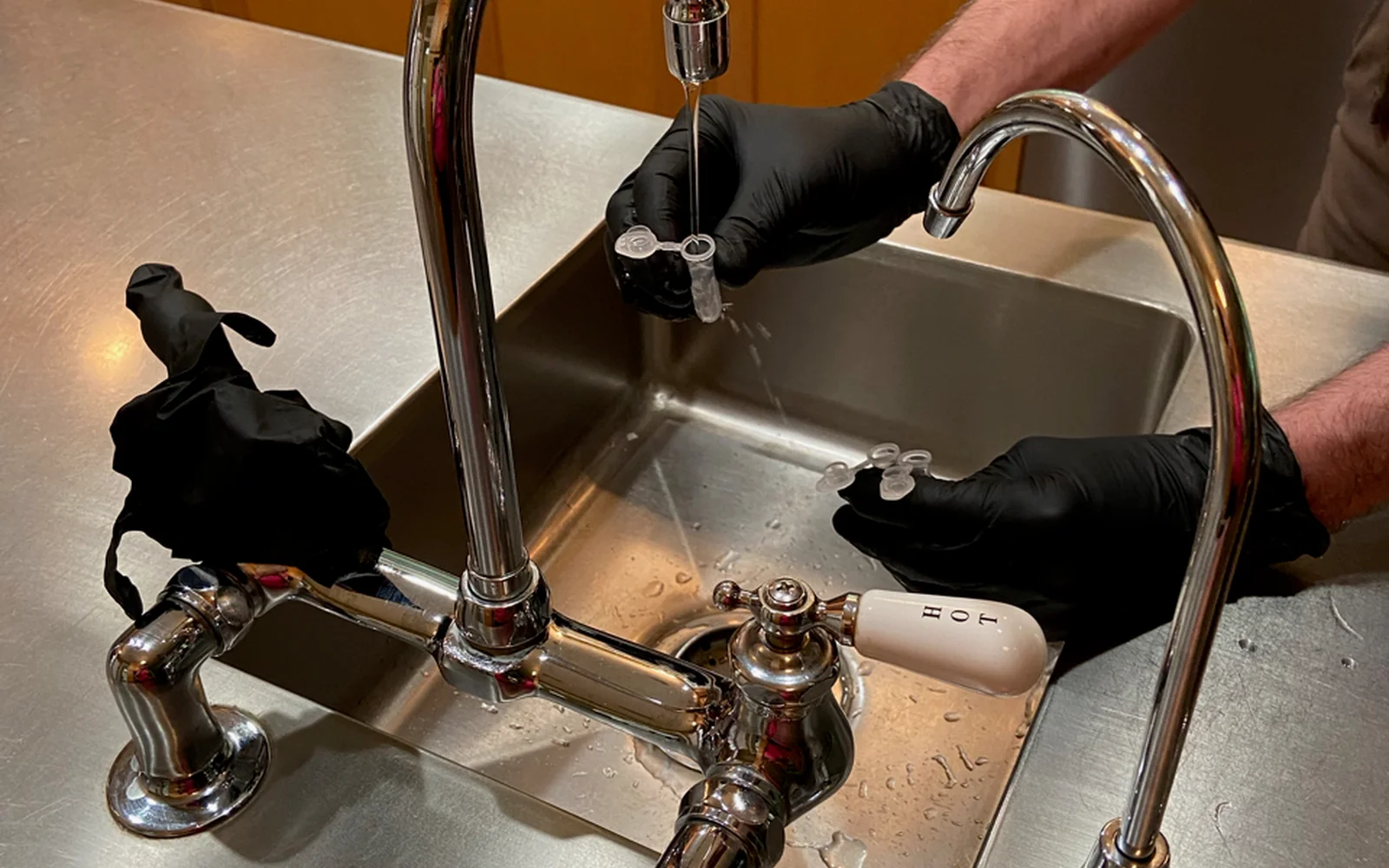
In a field study published in 2021, Riley Mulhern’s team followed a single under-sink carbon-filter design in 18 North Carolina homes on private wells. Across the eight-month study they collected 91 pairs of inlet and outlet samples. Three homes stopped participating after clogging left too little flow to use the filter.[5]
Clogging Can Come Before the Scheduled Change
Reported Service and Study Milestones
- 2–3 months
Early Clogging
3 of 18 households; their participation ended early.
- 6 months
Stated Service Period
Manufacturer’s recommendation for this study device.
- 8 months
Study Follow-Up
Planned observation period, not a new replacement interval.
| Reported Basis | Time | Water Volume |
|---|---|---|
| Manufacturer’s Stated Life for the Study Device | 6 months | 2,967 L |
| Early Clogging in 3 of 18 Households | 2–3 months | 150–1,335 L |
The table separates a manufacturer rating from field observations. These are values for the study device and wells, not Bestware product ratings.[5]
The research continued beyond the study device’s recommended six months. Most homes had yet to reach its rated volume, some visits were missing and lab shutdowns lengthened sample storage. The result illustrates how a restriction can interrupt use early. Keep the relevant manufacturer’s schedule for the cartridge in service.[5]
Work out the Date From the Right Meter
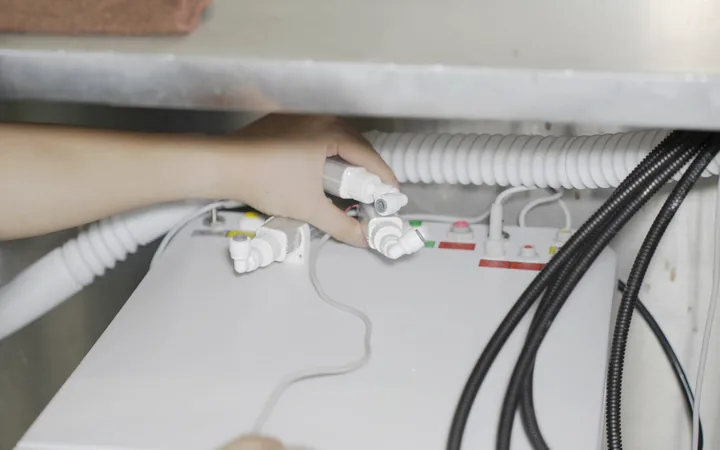
First put a name against the reading. A building meter may include water that never goes through the filter. A dispenser tally may omit flushes and other outlets. In an RO installation, feed, product and drain water are distinct streams. Match the service allowance to the count specified for that cartridge or ask the supplier to confirm the counting point. Keep the reading at installation as the starting value.[2][3][12]
Suppose the log for a G1DS-1023 PAC shows 1,000 L already counted and the same verified measure is rising by about 100 L a day. From its published 4,000 L allowance, 3,000 L remain, or about 30 days at that pace. If its 12-month anniversary is in 12 days, book the work by day 12. These are assumed readings for scheduling. The RO cartridge has its own record.[7][9][10]
Planning Example: Capacity Remaining ÷ Daily Use
3,000 L ÷ 100 L/day = 30 days. This is scheduling arithmetic using assumed inputs, not a tested filter rating.
If you are changing treatment goals, go back and choose the functions you need before ordering a replacement. For the liters, use the volume log. A TDS reading alone cannot confirm that a cartridge still meets a particular contaminant-reduction claim.[2][4]
Leave a Record the Next Shift Can Use
Check the replacement part on the housing and the work order before fitting it. Follow the instructions supplied with that cartridge for any flushing and return-to-service checks. Record the job that was performed and handle internal water-path maintenance as a separate task when the service plan calls for it.[1][3][6]
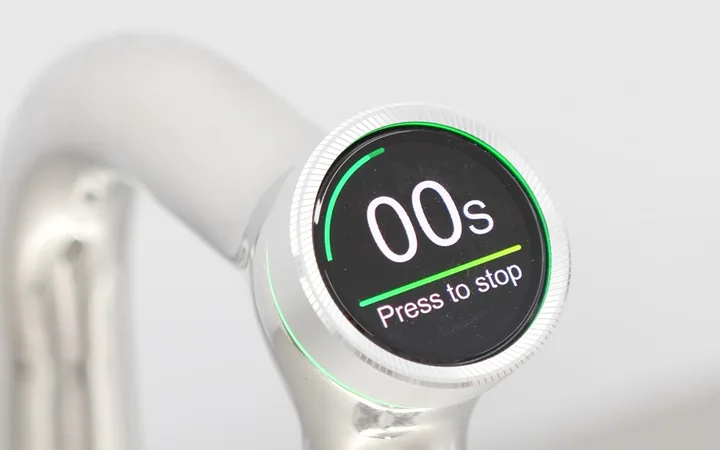
The G1DS-1023 specification describes a flashing replacement light. Ask which cartridge the alert refers to and what triggers it on the fitted unit. Its public specification gives no detailed counting or reset procedure. If the previous change date is missing, flag that history as unknown and confirm the next service action before resetting a reminder.[9][10]
For a shared drinking-water station, use the service entry to review filter access and the maintenance plan for your project.
References
- NSF — Changing Water Filters
- NSF — Product Label and Literature Claims
- EPA — Learn how to maintain your water filter, p. 1
- CDC — About Choosing Home Water Filters
- Mulhern et al. (2021) — Longitudinal assessment of point-of-use carbon filters for removal of per- and polyfluoroalkyl substances from private well water. AWWA Water Science, 3(6), e1262; §§ 2.2, 2.3, 3.3. DOI: 10.1002/aws2.1262
- EPA — WaterSense Guide to Selecting Water Treatment Systems (November 2024), p. 9
- Dvorak & Skipton — Drinking Water Treatment: Activated Carbon Filtration, NebGuide G1489 (revised November 2013)
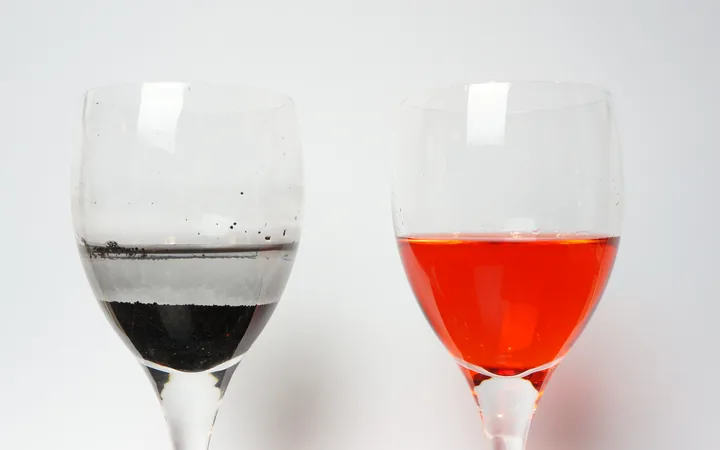
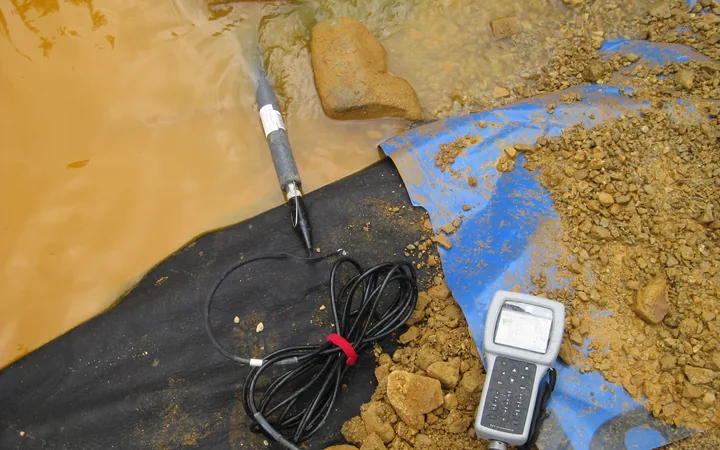
- USGS / Paul Bradley — Water Sampling for PFAS (2021), public-domain photograph
- Bestware G1DS-1023 · Standalone RO Configuration
- Bestware FAQ · Consumables Replacement Schedule
- Bestware G1DS-123 · Published Configuration
- Bestware · G1DS-123 and G1DS-1023 Installation Manual V1.2, PDF pp. 13–14
Continue With These Decisions
- How to Size Multistage Water Filtration for a Café
Check the method and what to record.
- Water Dispenser Installation and Handover: What to Sign Off
Check the method and what to record.
- G1DS-1023
Check the separate RO assembly and its model information before using the PAC and RO maintenance schedule.
- How to Choose a Water Filter for a Drinks Counter
If the treatment goal changes, recheck the needed performance and shared flow before ordering cartridges.