Start With the Name Behind the Label
When a distributor quotes filtered water for a menu that lists mineral water, ask them to show you the package, front and back. The spring name tells you where source water came from. A claim that water was filtered tells you something about the process. A regulated name also has conditions attached to it, which depend on where the bottle is sold.
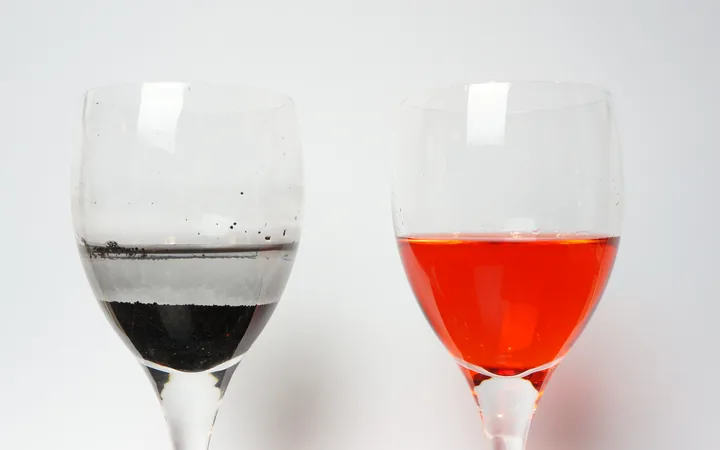
For a filter claim, ask what the exact treatment is designed to reduce and under which tested conditions. The U.S. CDC home-water guidance explains that different filters address different substances. At a restaurant, use the actual commercial product and its supported performance for your treatment decision.
- Source
- Where did the water come from?
- Treatment
- What was taken out or added?
- Carbonation
- How did the CO₂ get there?
| Term | What the Name Establishes |
|---|---|
| Mineral water | A defined bottled-water designation in the U.S. and other jurisdictions, with market-specific rules.[1][2][3] |
| Spring water | A source claim. Read the analysis if mineral levels matter.[1] |
| Filtered water | Some form of filtration. Check what it reduces and at what performance.[4] |
| Purified water | In U.S. bottled-water rules, a qualifying treatment and the applicable purity standard.[1] |
Read the Bottled-Water Rules for That Market
In the U.S., bottled mineral water has at least 250 ppm total dissolved solids, comes from a protected underground source, and has no added minerals. At the source, mineral and trace-element levels and their proportions must also stay consistent within natural fluctuations. Spring water draws from an underground formation that naturally flows to the surface; a qualifying borehole can tap that same formation. The bottled purified designation has a treatment and a defined purity requirement, so ask for both if that is what you are ordering.
U.S. bottled water from a community water system normally declares its source on the main label. There are exceptions for water treated to the defined purified or sterile category and labeled accordingly. When origin is part of a contract, ask for the actual source record even if all you see on the front is the product identity.
EU natural mineral water labels identify characteristic constituents, the source and place of exploitation. EU spring water has its own at-source bottling and labeling conditions. In Mexico, NOM-201 distinguishes natural mineral water bottled near emergence from mineralized water made from purified water with added salts. Use the rule for the place of sale when checking the name.
When a Comparison Group Changes
In 2024 the Hong Kong Consumer Council explained a correction to its 30-sample bottled-water test. One bottle was labeled drinking natural water. Staff had first put it in the natural mineral group after looking at its label and mineral information. The Council later evaluated that one sample separately under its actual category. Similar-looking mineral data had suggested a group, but the product designation changed the comparison.
A supplier’s usual brand name can also be too broad. The European Commission’s list updated in November 2026 has two separate Spanish source rows, Bronchales-3 and Bronchales-5, under the trade description Agua de Bronchales. The list records recognition. For the bottle being offered, match the spring and the lot to the supplier’s composition sheet.
Compare What You Will Serve
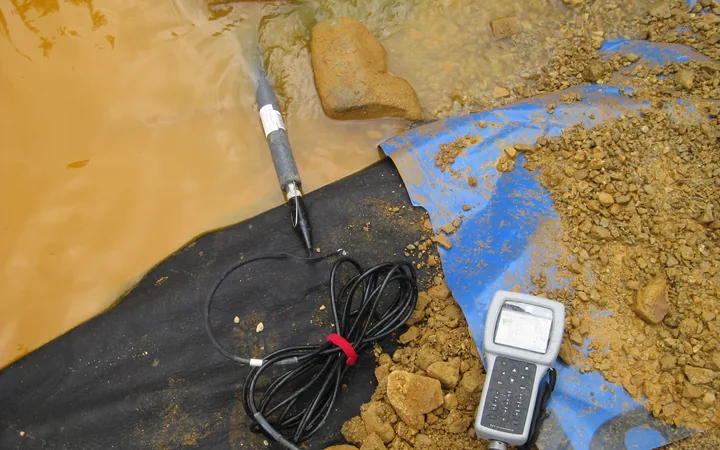
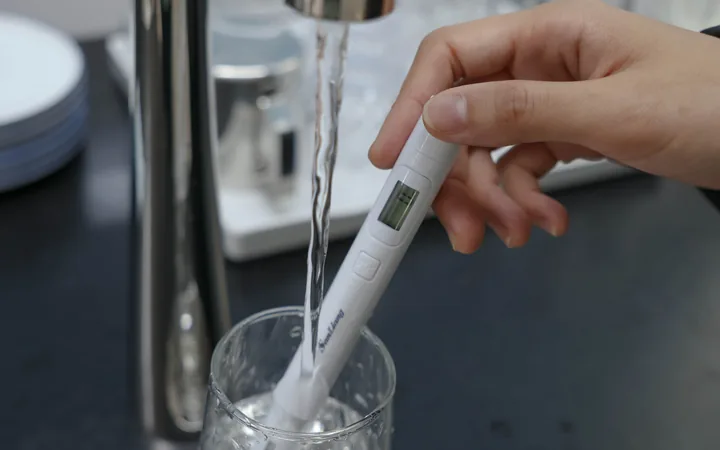
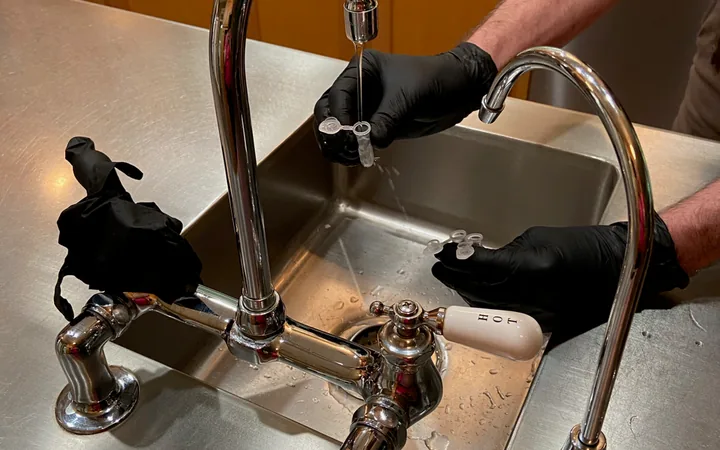
For bottled water, ask for a full label and the analysis matching the source and lot. For water from your tap, line up the current utility reporting area with your delivery address, then identify where the kitchen water was sampled. An inlet report is useful for choosing treatment. A sample from the final serving point describes what will actually reach the glass.
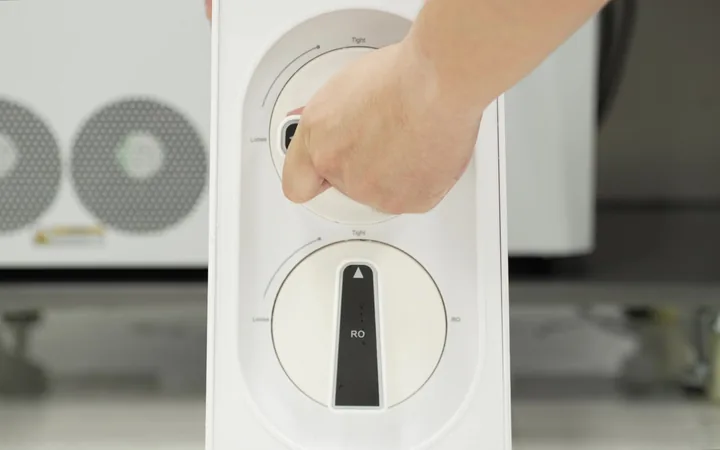
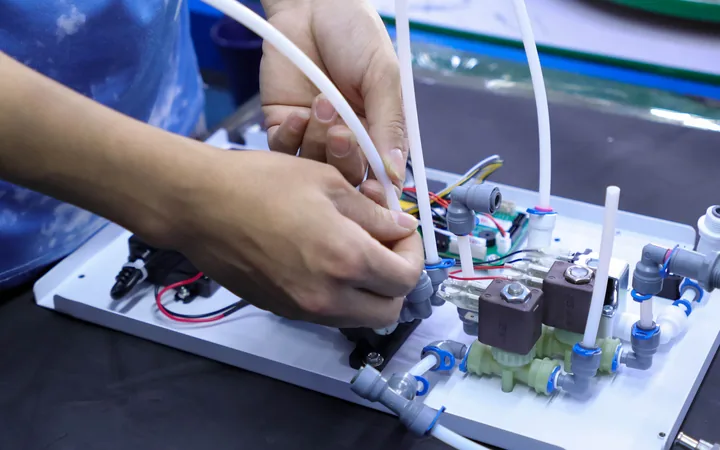
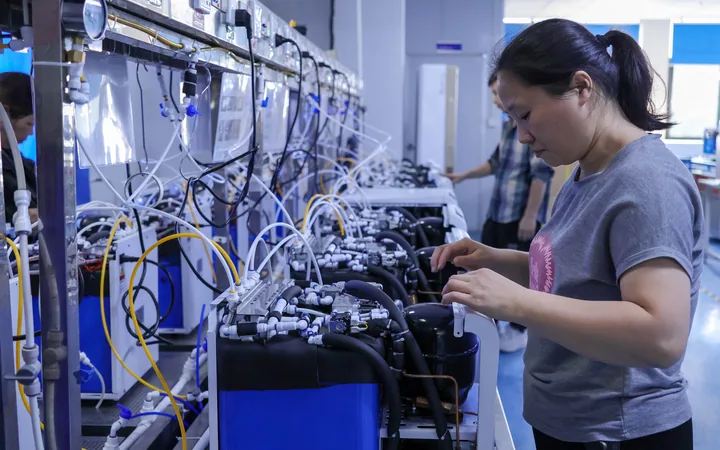
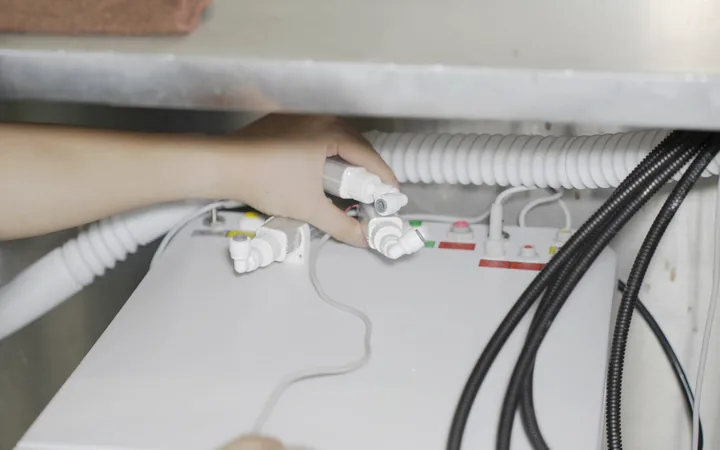
The Bestware G1DS-110/1010 manual, for example, shows an optional reverse-osmosis module. That drawing identifies the part to look for on the installation. Use its service record and a finished-water measurement to see what the outlet supplies. When comparing a new water for a sparkling menu, use the same served temperature and review the gas measurement alongside the sample.
Check how to compare dissolved gas in the water you will serve
Sources for This Edition
- U.S. FDA · 21 CFR § 165.110 Bottled Water · Current eCFR § 165.110(a)(2)(iii), (iv), (vi) and (a)(3)(ii). Mineral water: protected underground source, at least 250 ppm TDS and no minerals added; mineral and trace-element levels and proportions are consistent at emergence within natural fluctuations. Spring source, purified definition and the community-system labeling exception have distinct conditions.
- Diario Oficial de la Federación · NOM-201-SSA1-2015 · Mexico, sections 3.3 and 3.4 distinguish natural mineral water drawn directly from its source and bottled near emergence from purified water with added salts. Section 8.2.1 treats added carbon dioxide separately.
- Official Journal · Directive 2009/54/EC on Natural Mineral Waters · Official Spanish-language OJ copy via BOE. Articles 7(2), 9(4) and Annex I. The natural mineral water label identifies characteristic constituents and the named spring and place of exploitation. Spring water has its own at-source bottling and labeling conditions.
- U.S. CDC · About Choosing Home Water Filters · Nov. 10, 2026, Key points and Tips for choosing a filter. Different filters address different substances and use conditions; verify the exact purpose and supported product claims. The CDC guide covers home treatment.
- Hong Kong Consumer Council · Clarification on a Bottled-Water Test Sample · July 18, 2024. Follow-up to Choice issue 573. A sample among 30 labeled drinking natural water was first compared in the natural mineral category, then assessed separately under its stated category. This applies to one sample, not other water.
- European Commission · List of Recognised Natural Mineral Waters, Nov. 2026 · Updated Nov. 12, 2026; PDF p. 50, Spain. Two rows list the trade description Agua de Bronchales with distinct sources, Bronchales-3 and Bronchales-5, in Teruel. Match a delivered bottle to its source and lot separately.
- Bestware · G1DS-110 / G1DS-1010 Installation Manual, V1.1 · PDF p. 9, printed p. 13, optional RO filtration unit drawing. PDF or equipment drawing identifies treatment configuration; site water records establish the actual inlet and finished water.
- Bestware Wiki · Reading Local Water Quality Reports · Check the supplied zone, date, sample type and measured composition.
- Bestware Wiki · Verifying Carbonation Measurements · Compare the same service point, time and method for the dissolved gas.
- U.S. FDA · 21 CFR § 165.110 Bottled Water · Current eCFR § 165.110(a)(2)(iii), (iv), (vi) and (a)(3)(ii). Mineral water: protected underground source, at least 250 ppm TDS and no minerals added; mineral and trace-element levels and proportions are consistent at emergence within natural fluctuations. Spring source, purified definition and the community-system labeling exception have distinct conditions.
- Diario Oficial de la Federación · NOM-201-SSA1-2015 · Mexico, sections 3.3 and 3.4 distinguish natural mineral water drawn directly from its source and bottled near emergence from purified water with added salts. Section 8.2.1 treats added carbon dioxide separately.
- Official Journal · Directive 2009/54/EC on Natural Mineral Waters · Official Spanish-language OJ copy via BOE. Articles 7(2), 9(4) and Annex I. The natural mineral water label identifies characteristic constituents and the named spring and place of exploitation. Spring water has its own at-source bottling and labeling conditions.
- U.S. CDC · About Choosing Home Water Filters · Nov. 10, 2026, Key points and Tips for choosing a filter. Different filters address different substances and use conditions; verify the exact purpose and supported product claims. The CDC guide covers home treatment.
Continue With These Decisions
- How to Read a Local Water Quality Report for Your Tap
Identify what the local water report actually sampled
- How to Check the CO₂ in Sparkling Water Before You Sign Off
Check how to compare dissolved gas in the water you will serve