The Spring Was There First
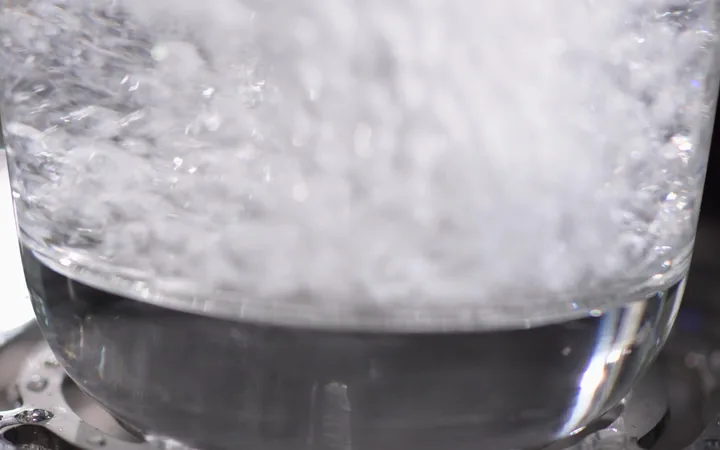
Why does a booklet about making fizzy water have the name of a spring in its title? The water of Pyrmont gave Joseph Priestley’s readers a drink to picture in 1772. He wanted to give other water something of Pyrmont’s character. The part anyone could see was its effervescence.
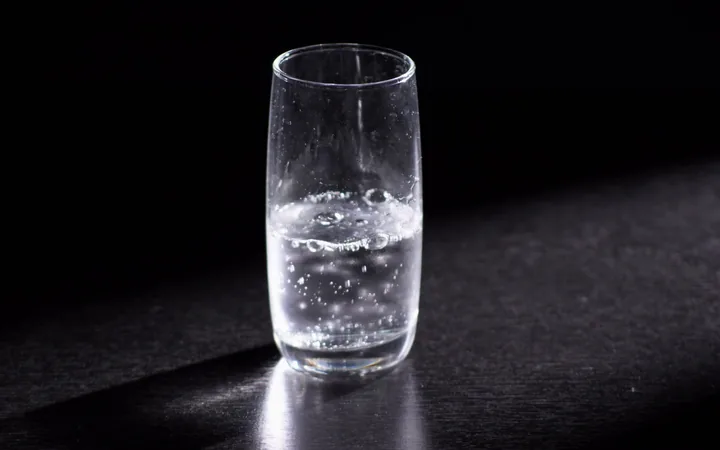
The problem looks familiar if you have tried a glass just poured and left a second one sitting. The bubbles tell part of the story of what the water is losing. For the lab and the later drinks business, the practical challenge was to put carbon dioxide into water somewhere other than the spring, and keep enough there until it was served.
What Priestley Put on Paper
Priestley used the name fixed air for the gas we call carbon dioxide. On the fifth printed page, he explains that water starts to take up the gas on contact, and that agitation makes the mixing faster by bringing fresh portions together. The instructions describe a separate gas source and a glass vessel holding the water. Those are two distinct parts of a piece of equipment that could be described and rebuilt elsewhere.
The dedication is signed in Leeds on June 4, 1772. Priestley had a proposed use for long voyages and wrote in the medical language of his time. The archive preserves that motive and his account of the apparatus. Its engineering significance is the described transfer of gas into the liquid.
The Bottle Had to Keep the Gas In
The first drawing in Hiram Codd’s U.S. patent, dated July 23, 1872, shows a glass ball below the mouth. The description explains how the pressure inside a filled bottle pushes the ball against an elastic ring to seal it. When the drink is ready to serve, the ball can be moved off that seat. The shaped neck gives it a place to rest inside the bottle.
A bottle like that solves what happens between the filler and the drinker. A counter with a run of orders has a different job. John Matthews’s 1880 U.S. patent describes a fixed discharge siphon with a pipe connection to a separate supply. The customer sees something like a familiar siphon while the operator keeps a larger supply out of the way.
The 1899 Counter Shows the Hidden Part
Connecticut’s agricultural experiment station described soda sold by the glass in its 1899 report. A charged metal vessel could sit downstairs. Pipes went through an ice-packed box at the counter and out through faucets. The counter also held syrups. The report distinguishes the old gas-making equipment from prepared gas supplied in small steel cylinders, and says local firms often delivered vessels already charged. The customer’s order was already the last act in a chain of work.
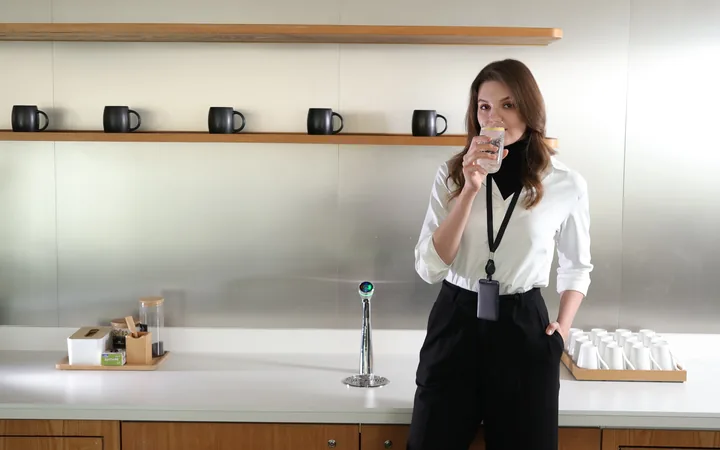
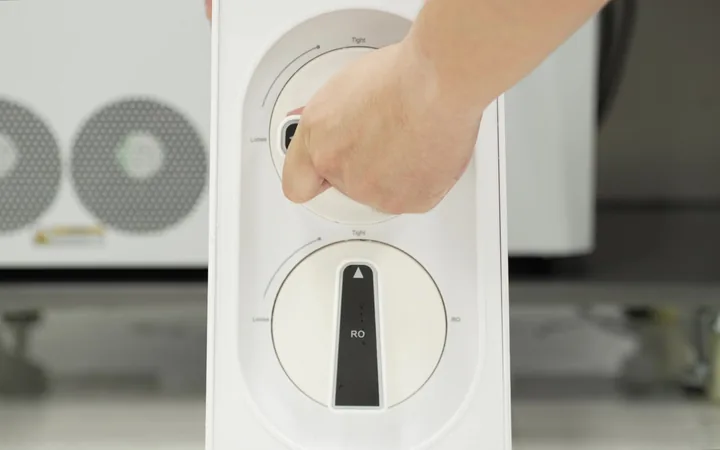
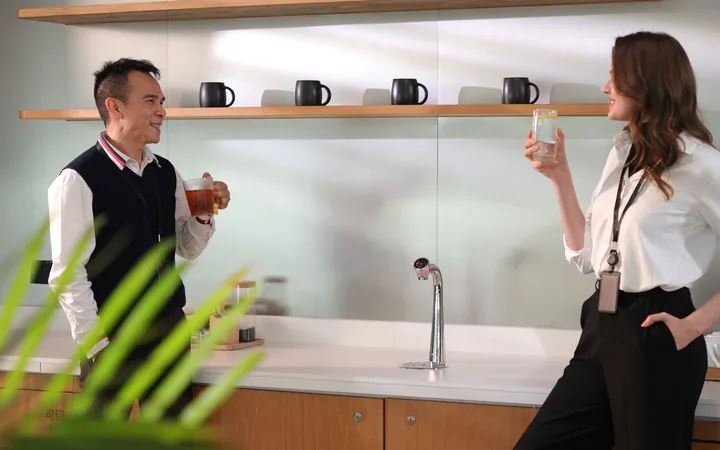
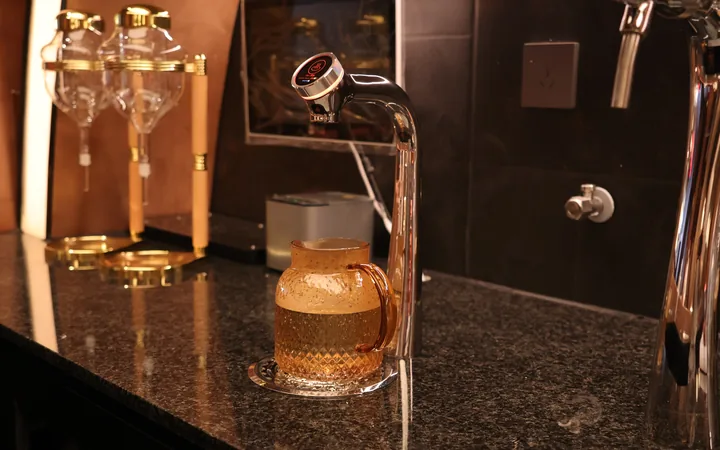
Open the current Bestware G1DS-110 installation drawing and follow the separate water and CO₂ inlets on the unit, then the lines from the unit to the tap. The machine chills and carbonates on site, and the faucet offers modes for chilled, sparkling, hot and ambient water. Trace what has to enter, where it is prepared, and what the server chooses at the faucet.
The Name on the Menu Leaves Details to Ask
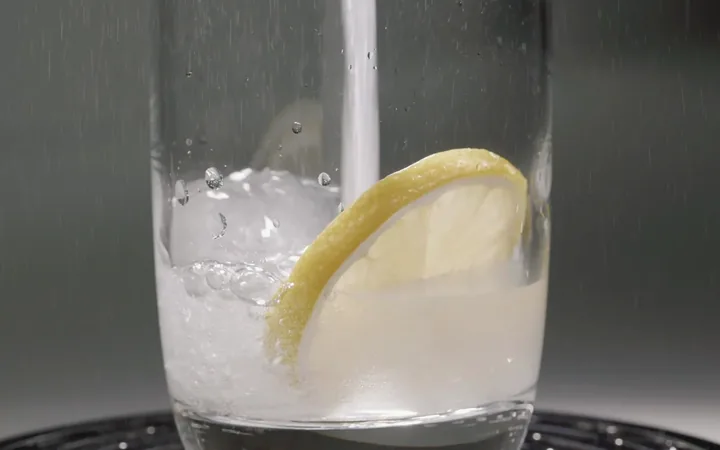
Seltzer, soda water and sparkling water can be used as short names at the counter. If the source or ingredients matter, ask whether the glass comes from a bottle or the equipment, and whether anything besides water and CO₂ was added. In the U.S. bottled-water standard, the specific name “sparkling bottled water” has a defined source-CO₂ condition after treatment and any replacement. That definition helps with a label; a menu shortcut or the shape of a bottle gives much less information.
If you are buying equipment for the same counter, take a short tally of orders and serving sizes for the busiest stretch. That answers the question the old storage vessel and the new dispenser both have to solve: how much ready water to have when several tables ask at once.
Sources for This Edition
- Joseph Priestley, Directions for Impregnating Water with Fixed Air, 1772 · Wellcome Collection scan b30364978. Title page, preface, dedication dated June 4, 1772, and printed pages 5–7 on contact and agitation.
- Hiram Codd, Improvement in Bottles, US 129,652 · July 23, 1872. Opening description and figures 1–3 show the glass ball and elastic ring.
- John Matthews, US 231,597 · August 24, 1880. Figure 1 and the statement of purpose describe a permanent siphon supplied from a fountain through a pipe.
- Connecticut Agricultural Experiment Station, Annual Report 1899 · PDF page 65, printed pages 112–113. Service by the glass and preparation, with pipes, cooling and supplies of gas or charged vessels.
- Silvia Isábal Mallén, Historia de las fábricas de bebidas carbónicas en La Litera · Printed page 101, figure 34, an advertisement from Binéfar dated 1929. The advertisement describes a business selling gaseosas and sifones.
- National Museum of Taiwan History, marble-stopper bottle 2004.028.3414 · Accession entry 2004.028.3414. Description, glass, 19.2 cm height, estimated 1895–1958, maker and place unspecified.
- Bestware G1DS-110 / G1DS-1010 Installation Manual, v1.1 · PDF pages 3, 13 and 17. Four faucet settings, connection drawing and the G1DS-110 CO₂ inlet.
- United States, 21 CFR § 165.110, Bottled water · Section 165.110(a)(2)(v), optional name of the bottled water category with CO₂ at the source level after treatment and possible replacement.
- España · Real Decreto 1798/2010 · Article 9(1)(a), points 1–3. Distinguishes source-level, additional same-source and other-source CO₂ in natural mineral water.
- Bestware Wiki · How a Four-in-One Dispenser Makes Sparkling Water · Water path, CO₂ inlet, rated and measured conditions.
- Bestware Wiki · Size Water Equipment for Peak Demand · Plan a restaurant’s peak output by serving size and window.
Continue With These Decisions
- How a Four-in-One Dispenser Makes Sparkling Water
Follow the water and gas through a current dispenser
- How Much Chilled Water Does Your Busiest Half Hour Need?
Work out the amount of water a busy interval needs