Start With Two Glasses of Shikanji
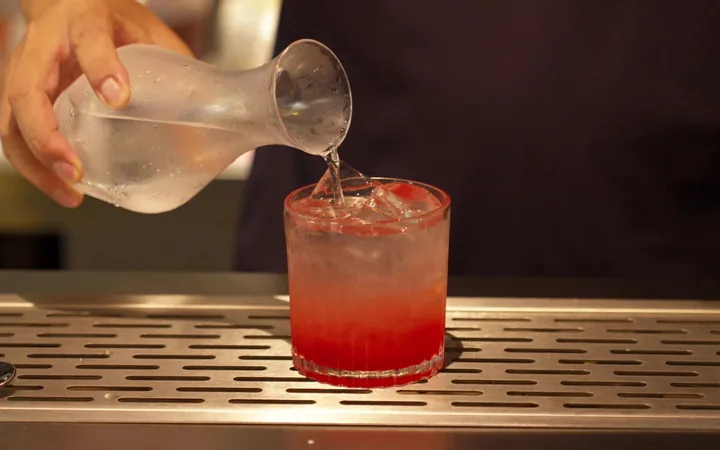
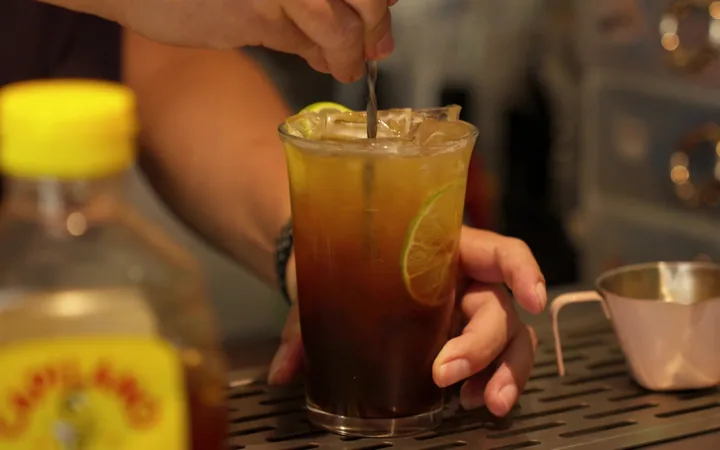
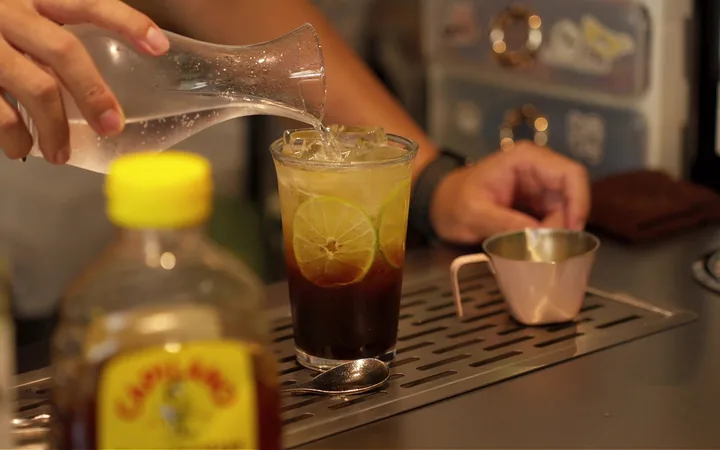
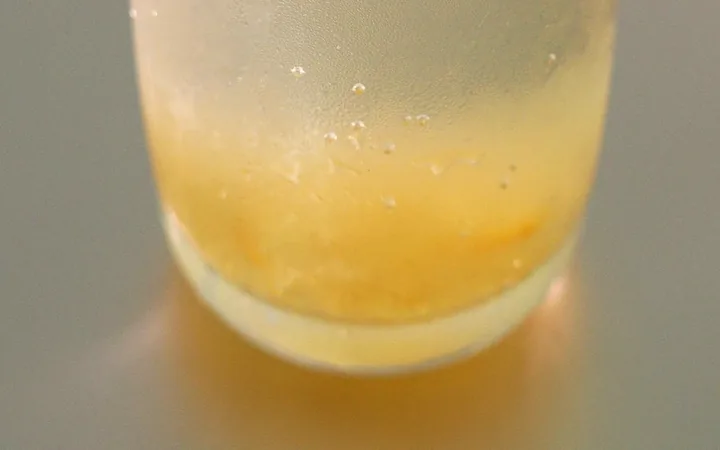
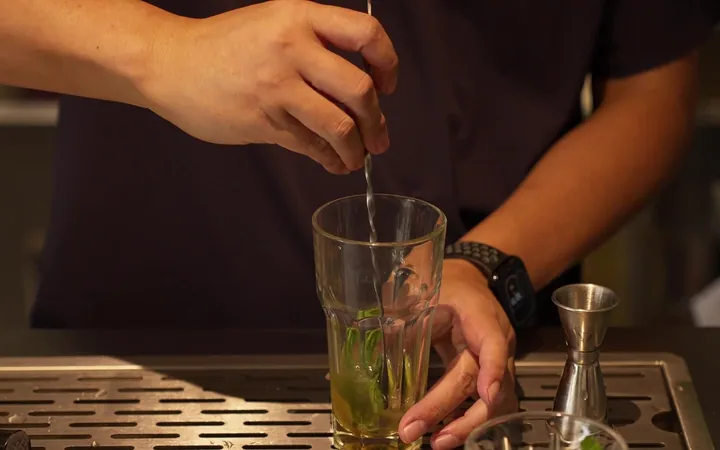
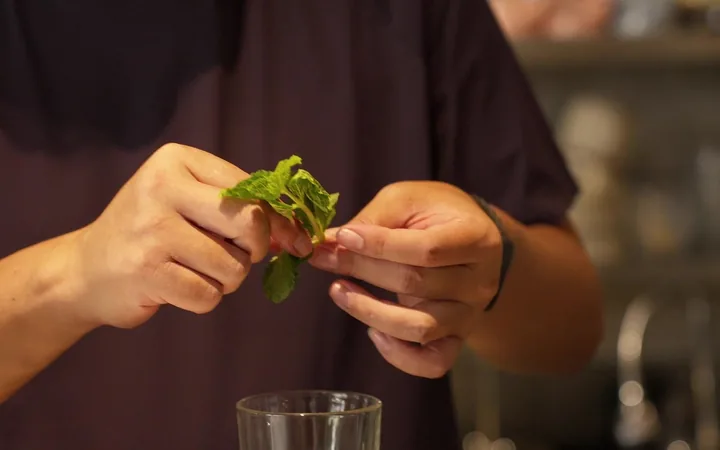
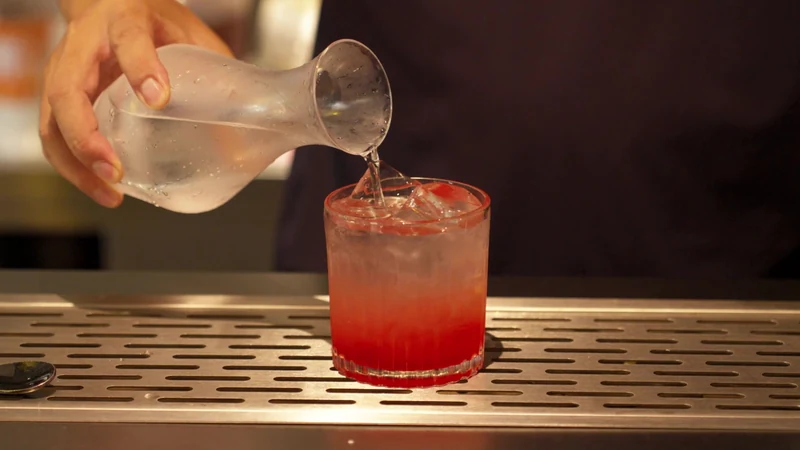
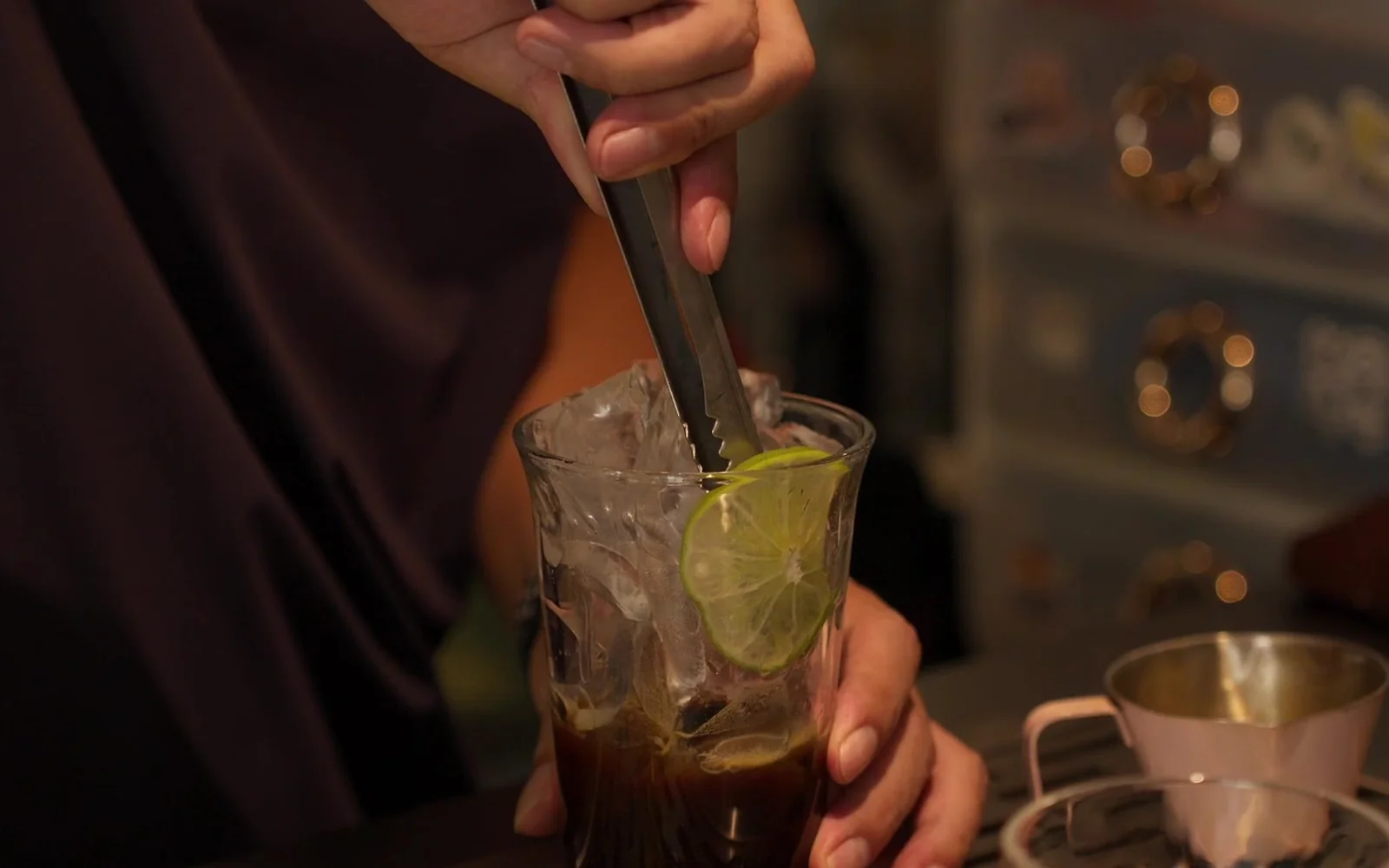
Make the same lemon and spice base twice, then finish one glass with cold still water and the other with cold sparkling water. That pairing comes from Indian chef Kunal Kapur’s masala shikanji, also called nimbu pani on his recipe page. He divides the juice of three lemons among two glasses, uses sugar, black salt, ground coriander, black pepper and roasted cumin, and adds lightly crushed mint before topping each glass. The two versions are part of his original method.
On a drinks menu, name what you are serving. “Sparkling shikanji with lemon, black salt and roasted cumin” describes a citrus-led drink. If the house version keeps more mint or omits the cumin, say so. It gives the person ordering an idea of the taste without making them guess what a generic masala soda will be.
Check What the Spice Blend Already Contains
Kala namak is the black salt used here. Taste the batch with that salt and the roasted cumin listed on your recipe card. If you introduce a prepared chaat masala, read its ingredient and allergen information before deciding what to add separately. In Rasa, Anjalina Chugani describes a chaat masala that contains cumin and ground dried mango, among other spices. A second spoonful of cumin might be unnecessary in the glass you are testing.
For a more savory starting point, Dassana Amit’s jaljeera uses mint, tamarind and cumin seeds. She offers a tea strainer as an option for the ground base, then dilutes it with still water. Use the original as a guide to the mint-and-tamarind direction. If you make a sparkling version, taste it with that water and describe the adaptation on the menu.
Taste the Lemon After You Add the Bubbles
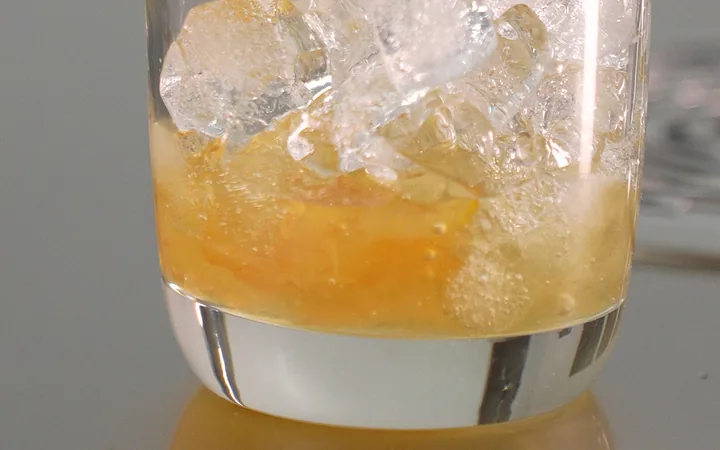
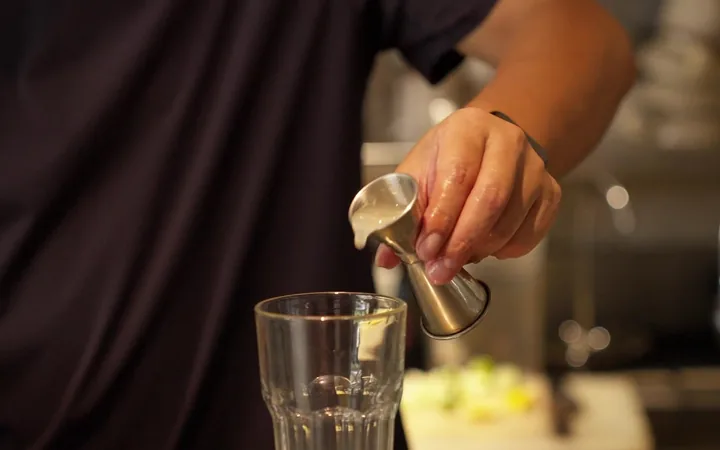
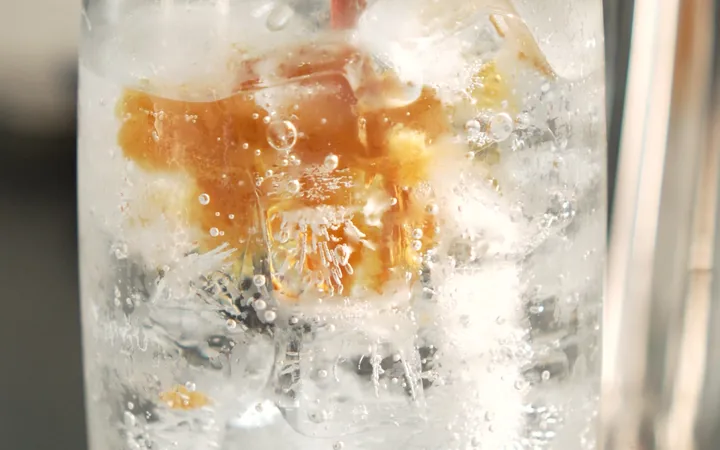
For an illustrative café trial, give each glass 15 mL of lemon juice from the same lot, 10 mL of the same syrup, 0.10 g of food-grade kala namak and 0.20 g of roasted ground cumin. Use a scale that can read those weights. Add equal amounts of the same ice and finish each glass with 150 mL of water at the same starting temperature. Use plain still water in one and plain sparkling water in the other. Taste them at the same time after pouring. If one tastes too sharp, keep the water you intend to serve and adjust one thing in the next pair.
In model solutions made with citric or phosphoric acid, Yau and McDaniel observed that carbonation increased rated sourness at lower acid levels. They did not see that change at the higher levels. Their experiment did not include this drink. It is a useful reason to assess the finished glass before deciding it needs more sugar.
Measure the Base and Leave the Water for Service
An order for 12 glasses at the example dose needs 180 mL of lemon juice, 120 mL of syrup and 1.8 L of cold sparkling water before accounting for spills, checks or ice melt. Confirm how much juice your lemons gave you after straining. If ground spice stays in a shared jug, compare the first and last doses for settling. Portion it by weight per glass if that is easier for your team to repeat.
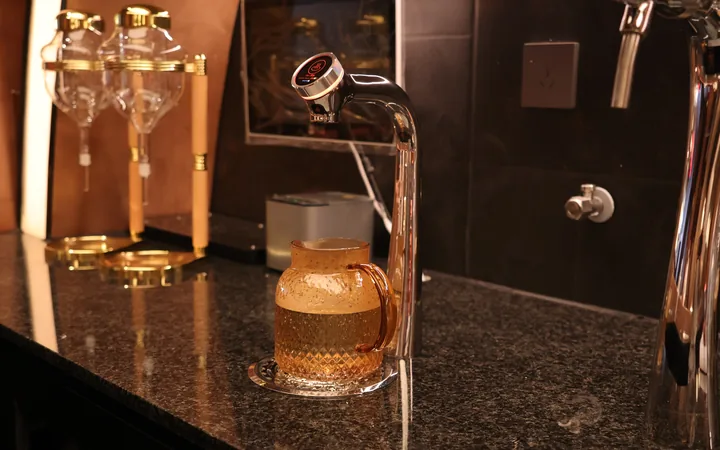
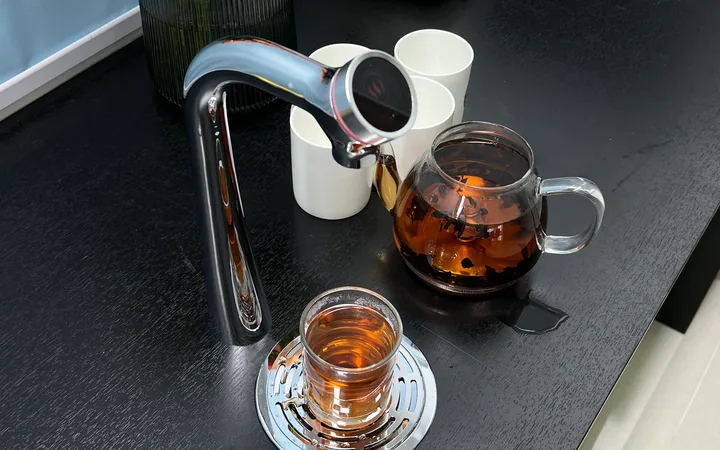
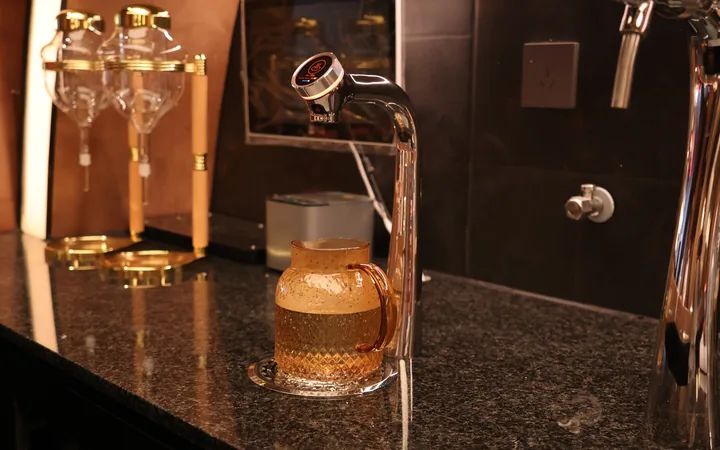
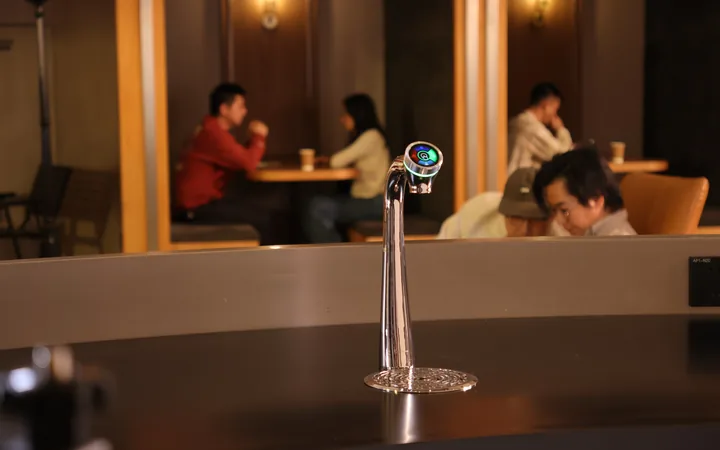
The Bestware G1DS-110 and G1DS-1010 manual shows a dedicated sparkling-water mode at the tap. In that setup, dispense plain sparkling water and combine it with the measured base in the serving glass. Keep the squeeze date, syrup batch, spice label and dose with the recipe, and use the venue’s own handling procedure for the prepared ingredients.
Sources for This Edition
- Kunal Kapur · Masala Shikanji | Nimbu Pani · March 4, 2021, Ingredients and Steps. Two glasses with lemon and seasonings, one finished with chilled water and the other with soda.
- Dassana Amit · Jaljeera Recipe · Recipe card, Making jaljeera chutney and Making jaljeera. Tamarind, mint, cumin seeds, optional tea strainer, and water.
- Anjalina Chugani · Rasa: Sabores e historias de mi cocina india · Larousse preview PDF p. 17, Chaat Masala. One cook’s description of the seasoning and how she uses it.
- Yau and McDaniel · Carbonation Interactions with Sweetness and Sourness · Journal of Food Science, 1992, publisher abstract. Model citric- and phosphoric-acid systems, lower and higher acid conditions. DOI 10.1111/j.1365-2621.1992.tb06871.x.
- Bestware · G1DS-110 / G1DS-1010 User Manual, 2026 v1.1 · PDF p. 3, printed p. 01, item 2, Dispensing Sparkling Water. PDF p. 13, printed p. 22, connection diagram.
- Illustrative two-glass comparison and service plan · Per glass: 15 mL lemon juice, 10 mL same syrup, 0.10 g food-grade kala namak, 0.20 g roasted ground cumin, 150 mL water, matched ice. Two different water types. Figures for planning only.
- Bestware Wiki · Sparkling Water, Seltzer, Club Soda and Tonic · Check which mixer contains added minerals, sugar, or flavor.
- Bestware Wiki · How to Batch Sparkling Citrus Drinks for Service · Plan the citrus base and keep the water for service.
Continue With These Decisions
- Sparkling Water, Seltzer, Club Soda and Tonic
Check what is in the water or soda you are using
- How to Batch Sparkling Citrus Drinks for Service
Plan how much base to prepare for the shift