Start With a Recipe Someone Else Can Follow
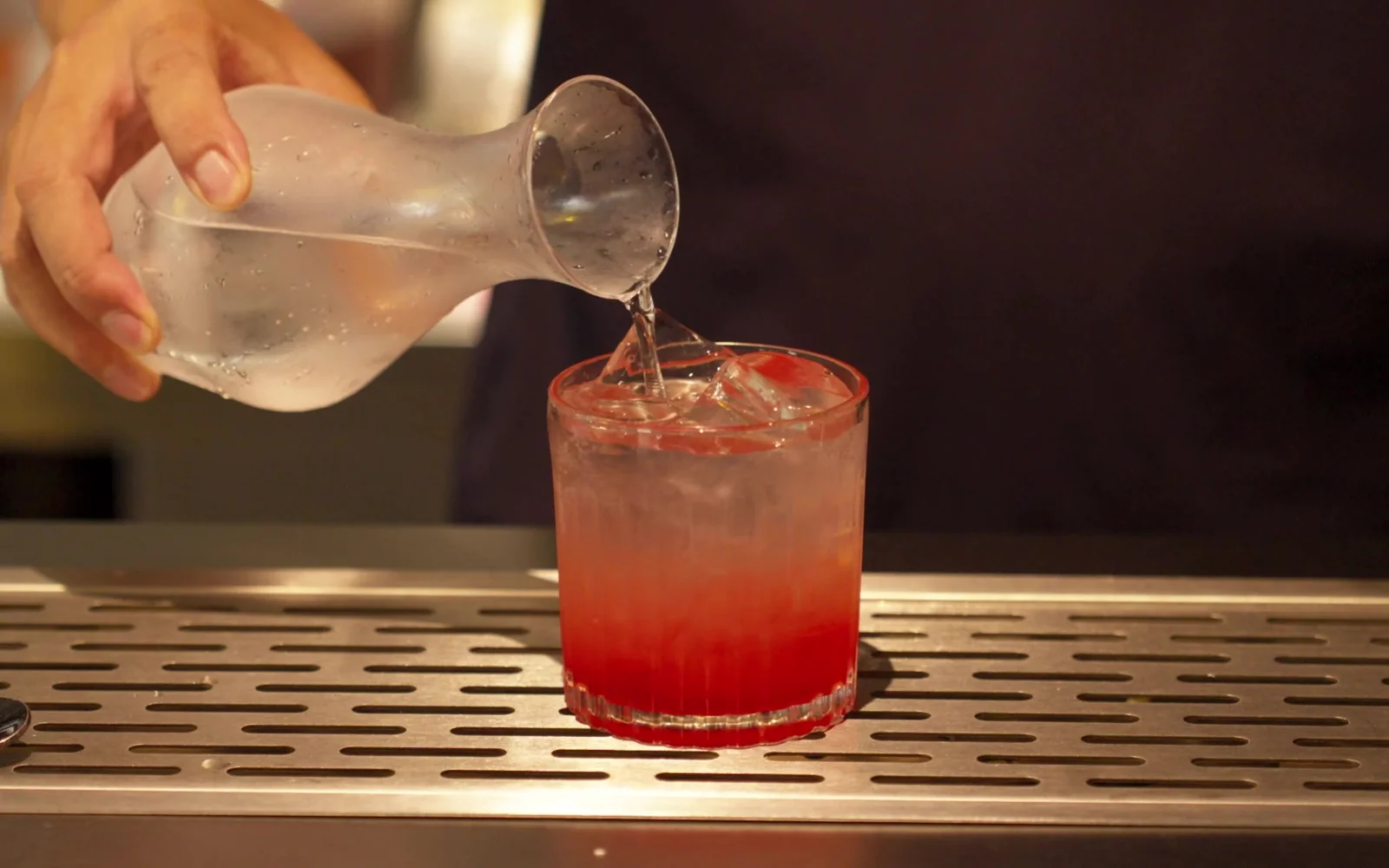
Give the next bartender a scale and the recipe card. Start with a glass of the lemon tea below. Write down the tea you brewed, the lemon juice and the syrup you actually used. Weigh 50 g of tea, 15 g of juice and 15 g of syrup to make the 80 g still base. Put 60 g of ice in the serving glass, then top it with 120 g of plain sparkling water. The liquid ingredients add up to 200 g, excluding ice. The total load is 260 g when everything is in the glass.[2]
Willa Van Nostrand’s Orchard Elixir, published by Harvard Magazine, adds sparkling water over fresh ice after preparing its base. For the black tea trial, we also add the water at the end and put its weight on the card. Minnesota’s food-service recipe template separately records portion size and measured yield. Keep those two entries separate when several people use the same card.[1][2]
Development Example · One Serving
Sparkling Black Tea With Lemon
A proposed starting recipe for a small trial. Quantities are ingredient masses; taste and record any adjustments before adopting it for service.
| Ingredients | 1 Glass | Base ×10 |
|---|---|---|
| Chilled, unsweetened black tea | 50 g | 500 g |
| Strained lemon juice | 15 g | 150 g |
| Plain 1:1 sugar syrup | 15 g | 150 g |
| Chilled plain sparkling water | 120 g | — |
| Ice | 60 g | — |
The batch column contains only the still base. Weigh the sparkling water and ice into each glass at service.
At the Counter
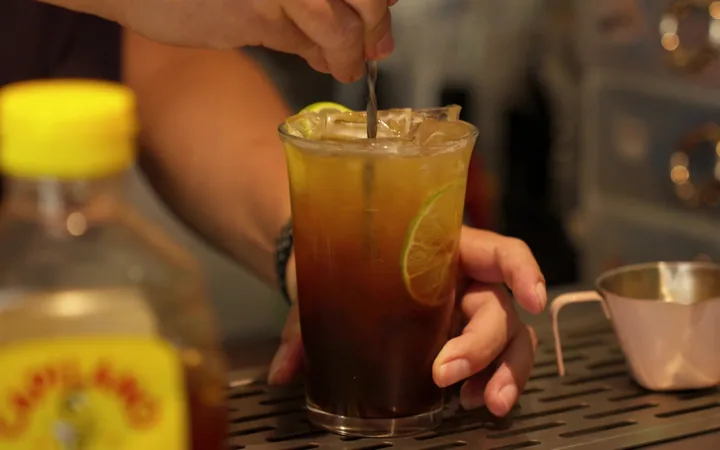
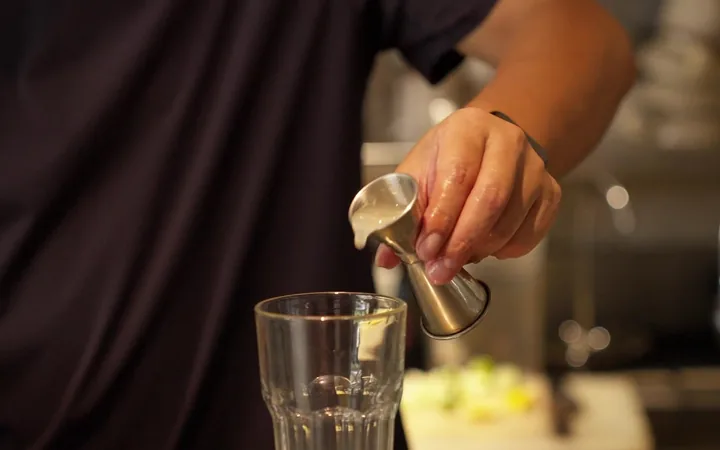
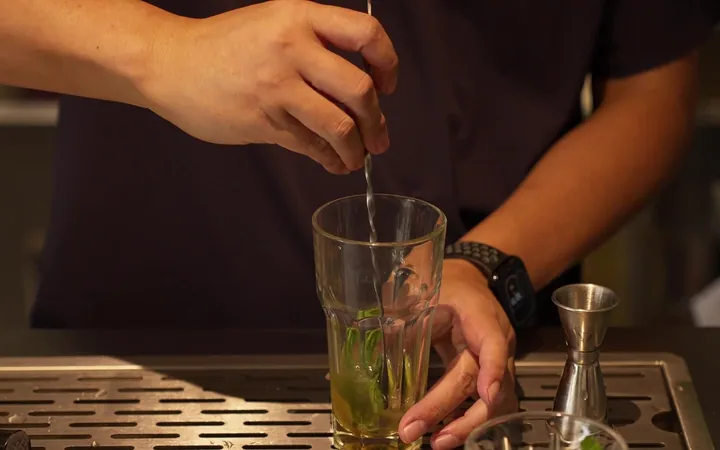
- Put the serving glass on a scale and tare it. Add the tea, lemon juice and syrup, taring between ingredients. Mix this 80 g still base.
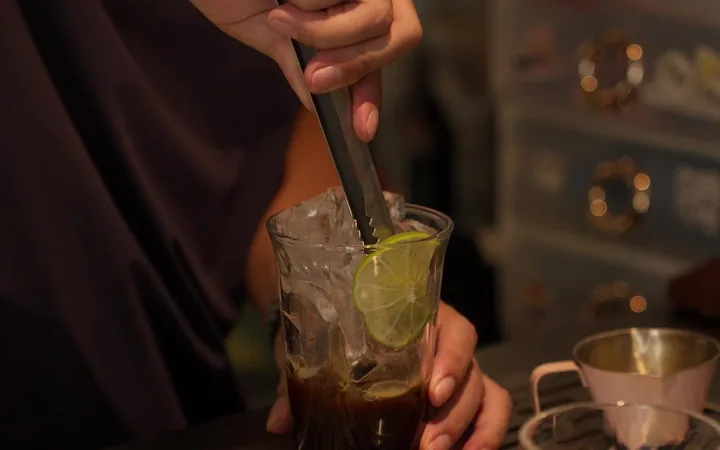
- Add 60 g of ice. Use the same ice format and a clean glass of about 350 mL nominal capacity for each trial.
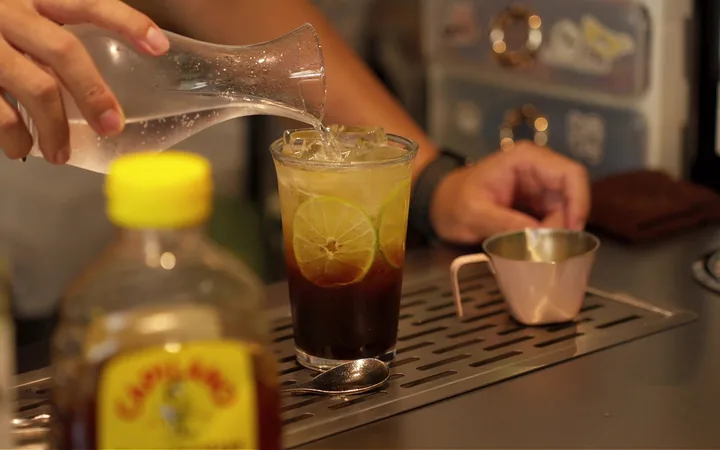
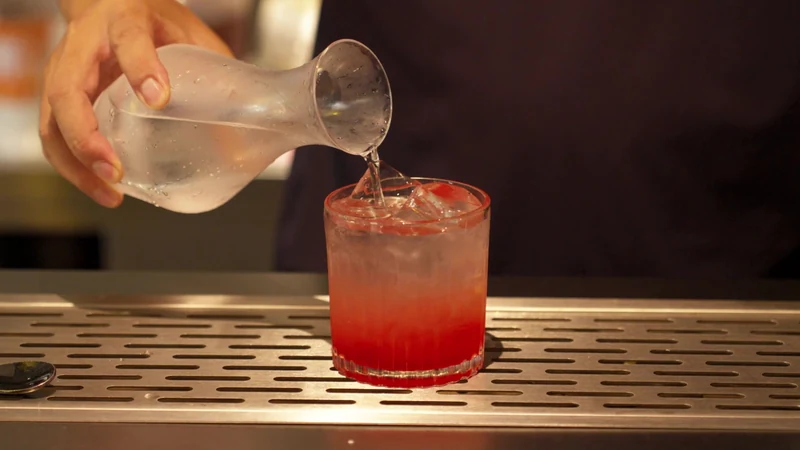
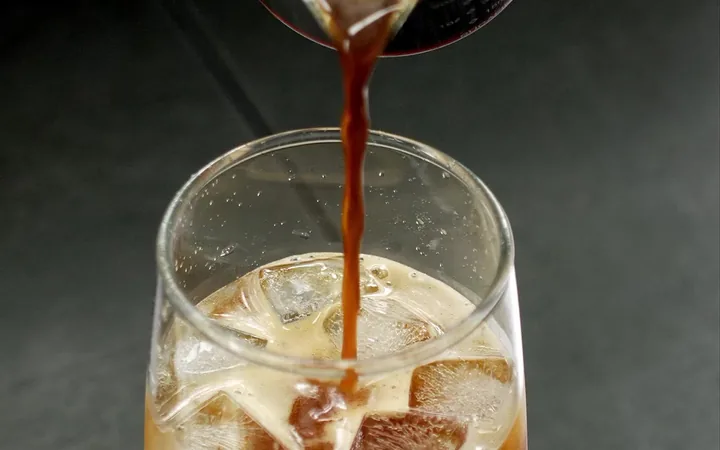
- Add 120 g of sparkling water last, stir gently once to bring the layers together, and serve. Record the actual delay before the first sip.
200 g of liquid ingredients, excluding ice · 260 g of ingredients loaded with ice
These are ingredient totals, not a prediction of finished volume, melted ice or carbonation retention.
Prepare the Tea and Syrup
- Tea
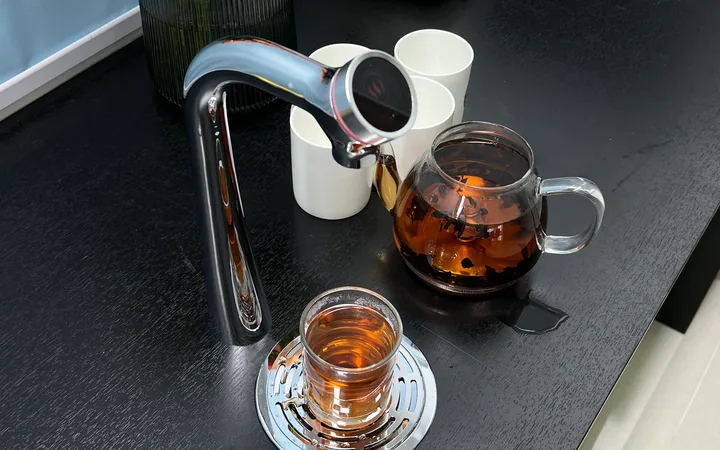
- For this example, steep 2 g of loose black tea in 200 g of water at 95 °C for 4 minutes, then strain. Cool promptly and refrigerate using your food-safety procedure. Weigh 50 g of the chilled infusion for one drink; leaf retention means the infusion yield is not exactly 200 g.
- Syrup
- Dissolve 100 g of white sugar in 100 g of drinking water, without boiling it down. Cool if warmed. The 1:1 ratio is sugar to water by mass; 200 g of ingredients does not mean 200 mL of syrup.
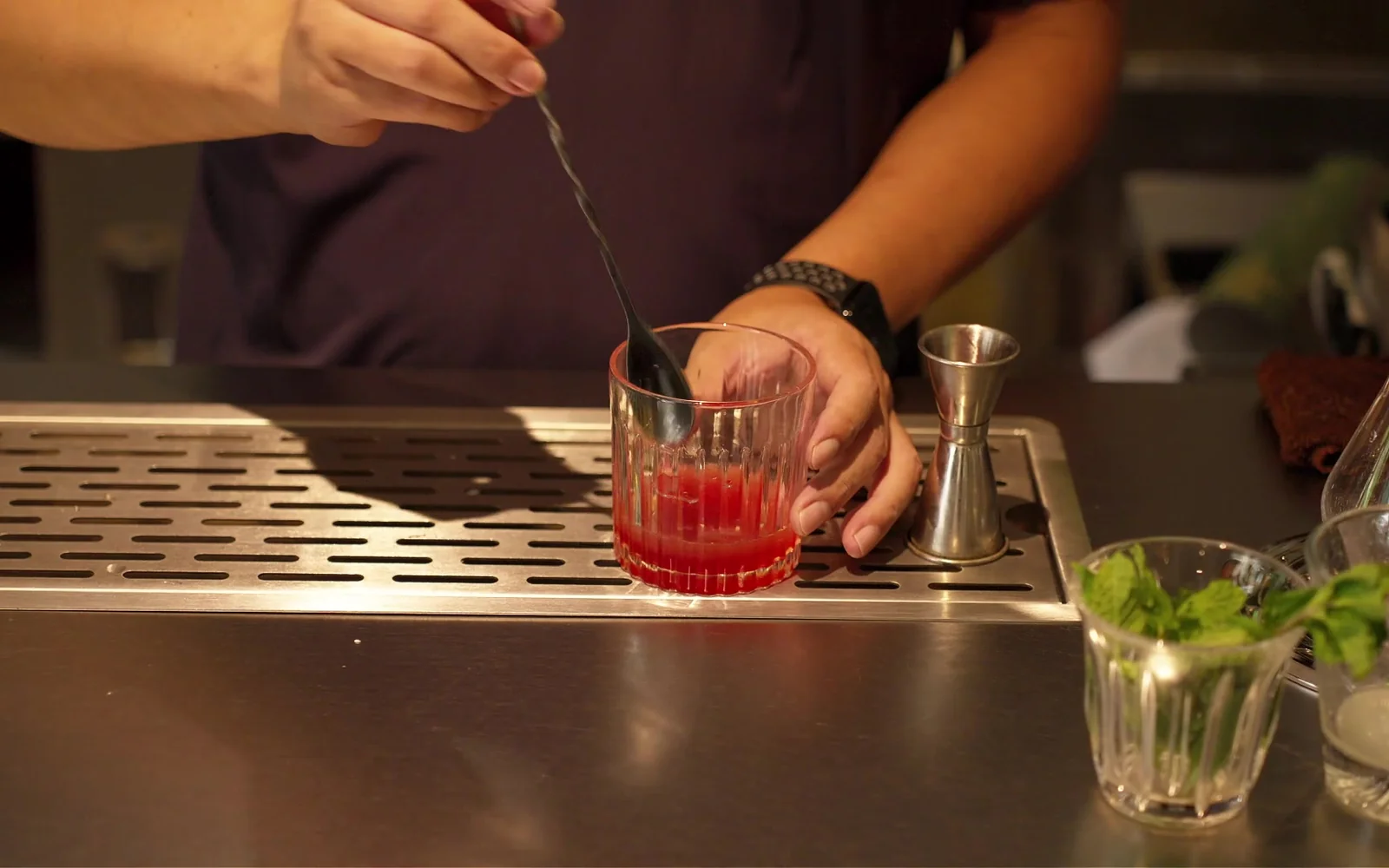
Record the tea, brewing conditions and juice specification on the card. Taste a small trial before adopting these quantities: lemons vary, and changing the syrup concentration changes the balance even when the mass stays the same. Record an adjustment as a new recipe version.
Batch the Still Base, Finish Each Glass
Brew enough tea in the card’s ratio of 2 g of loose leaves per 200 g of brewing water. Once the tea has been strained and chilled, weigh 500 g into the batch, plus 150 g each of lemon juice and syrup. The recipe plans 800 g. Weigh what reaches the service container without the weight of that container. If it receives 772 g in a trial, there are nine portions of 80 g and 52 g left. Record the 28 g transfer difference.[2]
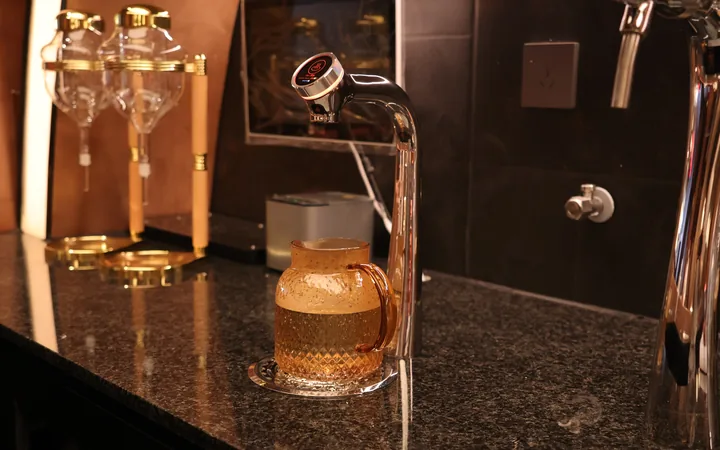
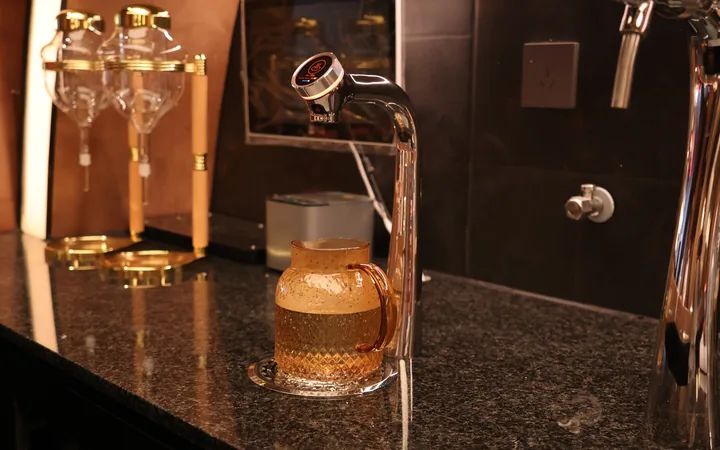
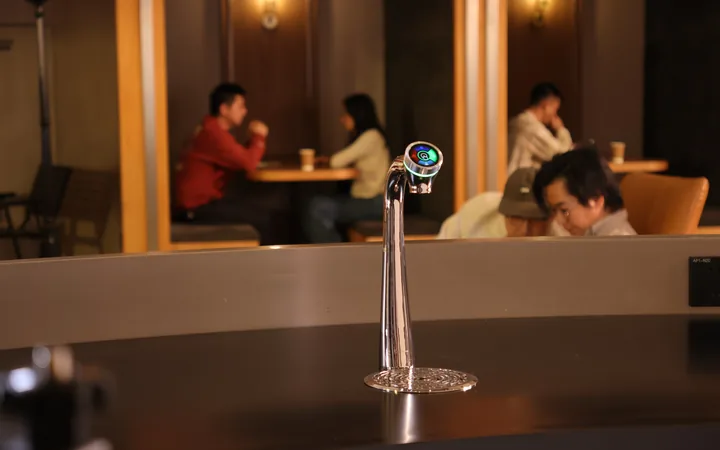
Chill the still base according to your kitchen procedure and keep the sparkling water for each order. The Bestware G1DS-123 manual shows a dedicated sparkling-water mode. At a counter with that setup, dispense plain sparkling water and add it in the glass. Check its 120 g on the scale. The timer setting tells the machine how long to run, while the scale shows how much reached the glass.[4][6][7]
From One Base to Individual Glasses
Still Base
800 g- 500 g tea
- 150 g lemon juice
- 150 g syrup
Per Glass
80 g800 g ÷ 10 servings
Add at Service
- 120 g sparkling water
- 60 g ice
Some base may remain on the mixing vessel or utensils. Weigh the usable batch and check how many full 80 g portions it provides; do not add water simply to make the planned count. Adjust the next preparation in the same proportions.[2]
If you use a carbonator, check its instructions for the liquids approved for carbonation. With a system intended for plain water, the tea, juice and syrup are mixed in the serving glass, outside the machine.
Check the Drink at the Point of Service
Ask two staff members to make one serving each from the card. Use the same ice and glassware for both pours, with 60 g of ice in each glass. Match the starting liquid temperatures and start the timer as soon as the sparkling water has been added. At the same elapsed time, taste and compare the aroma, sweetness, acidity and carbonation.[2][3]
Pick the second tasting time from the actual route to a table. If you test at three minutes after topping, use that same point for both glasses. Keep the first-sip and later notes separate so you can tell when the difference appeared. The Florida school-food-service guide also calls for testing again after a recipe change.[3]
| When | Record | Compare |
|---|---|---|
| Before Mixing | Recipe version; ingredient identities and temperatures; glass and ice mass. | Do both people start with the same conditions? |
| First Sip | Time since finishing; aroma, sweetness, acidity and carbonation impression. | Do the two servings resemble each other? |
| After the Service Delay | Actual elapsed time; temperature and flavor; any separation. | Is the drink still suitable for the intended service? |
Use this as a trial record. Agree on the desired result before checking another operator’s serving.
Change one variable at a time when the result needs adjustment. A sweeter syrup, more acidic juice or stronger tea is a recipe change even if the measured mass stays the same. Record the replacement and repeat the trial.
Keep the Ingredient and Preparation Record Complete
Record the ingredient names, supplier lots where available and the recipe revision on the batch sheet. Include extracts, bitters or fermented ingredients when they are part of a different version. A menu description about alcohol should follow the ingredients and actual evidence for the finished drink in that market.[3]
Wash lemons with plain running water before cutting them. Use clean utensils and containers. Mark the preparation time, storage conditions and discard rule your operation uses for that batch. Hand the next shift the measured base yield along with the recipe card.[5]
Once the recipe and service sequence are clear, use the expected portions, peak demand and counter space to discuss the serving setup with Bestware.
References
- Harvard Magazine (2024) — Orchard Elixir by Mixologist Willa Van Nostrand
- Minnesota Department of Education — Standardized Recipe Template, pp. 1–3
- Florida Department of Agriculture and Consumer Services (2020) — A School Food Service Professional’s Guide to Standardizing Recipes
- OpenStax — Chemistry 2e, 11.3 Solubility: Solutions of Gases in Liquids
- U.S. FDA — 7 Tips for Cleaning Fruits, Vegetables
- Bestware — G1DS-123 commercial sparkling water dispenser specifications
- Bestware — G1DS-123 / G1DS-1023 installation manual, v1.2, PDF page 3
Continue With These Decisions
- How to Approve a Beverage Ingredient Substitute
Check the method and what to record.
- What Does a Served Glass of Sparkling Water Cost?
Check the method and what to record.
- How Ice and Glassware Change a Sparkling Drink
Check the method and what to record.