Keep the Seasonal Change Small Enough to Test
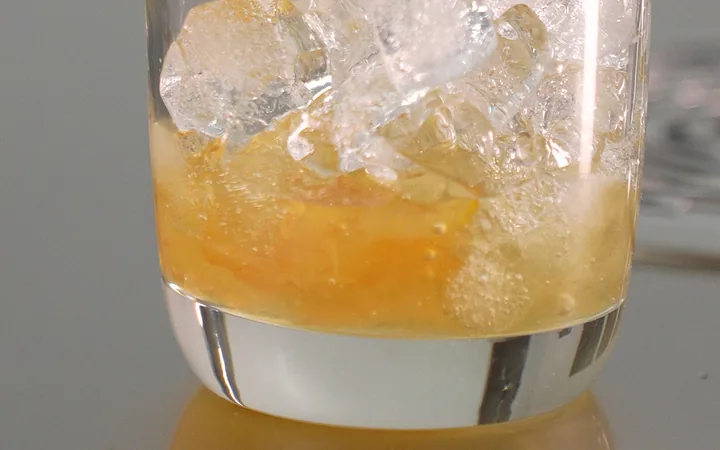
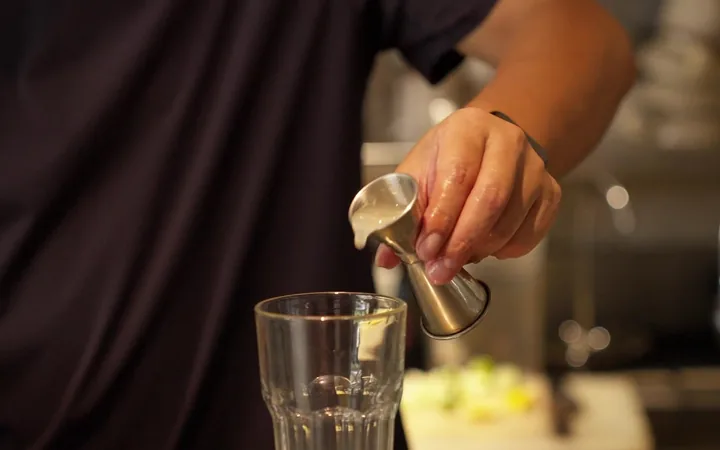
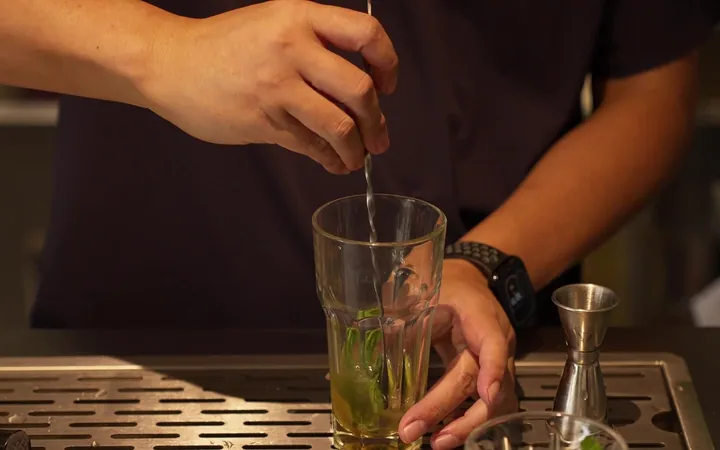
The kitchen can change a fruit and the bar can keep the same glasses, measuring tools and place to finish each drink. Start with one drink you already serve reliably. If the spring fruit is replaced for an autumn event, make and taste a single portion with the new base and actual ice. Measure how much base you can pour after preparation, including any straining. The fruit you bought and the amount you can serve belong on different lines.
If the new ingredient changes the pour size, the label or how quickly the base has to be made, write that down before you promise the drink to the next event. Give the bar one approved recipe and a substitute it can identify and prepare, if you want to offer a backup.
Decide When to Add the Bubbles
Rider University’s drink list for its 2020 virtual Motown event includes an autumn punch that adds five cups of sparkling water after the fruit mixture is chilled. It is a pitcher recipe and gives no number of finished servings. In contrast, the British Dietetic Association’s Lime Fizz lists 30 mL each of lime and apple juice for one glass, then adds sparkling mineral water to taste. Neither card tells a bar how many uniform portions its own jug and ice will produce.
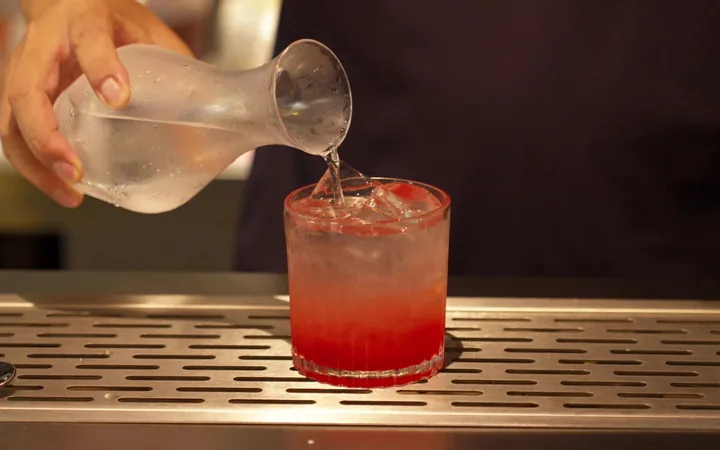
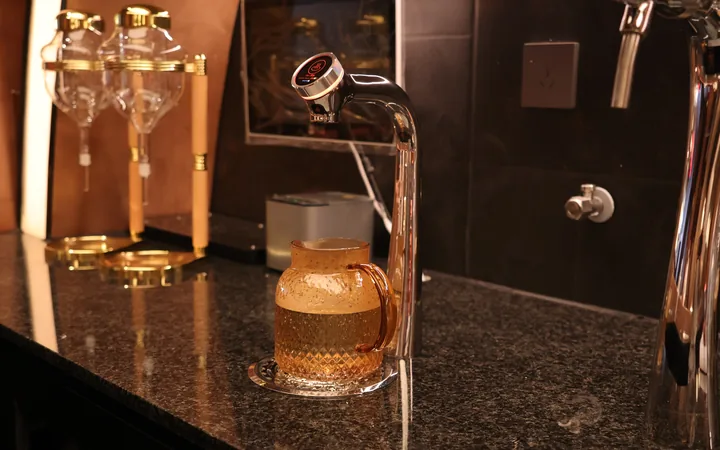
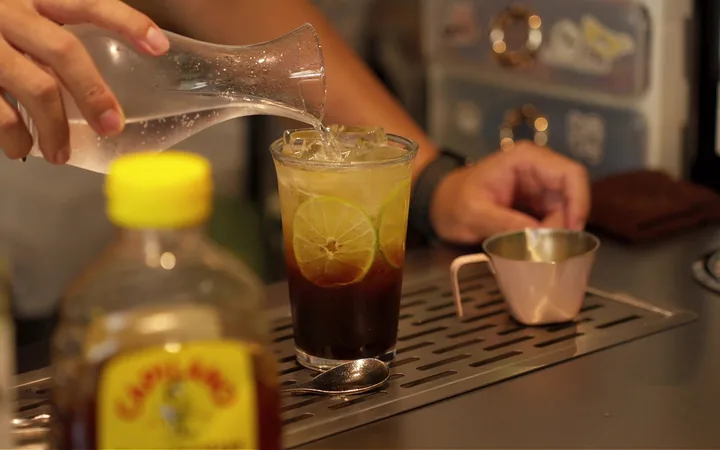
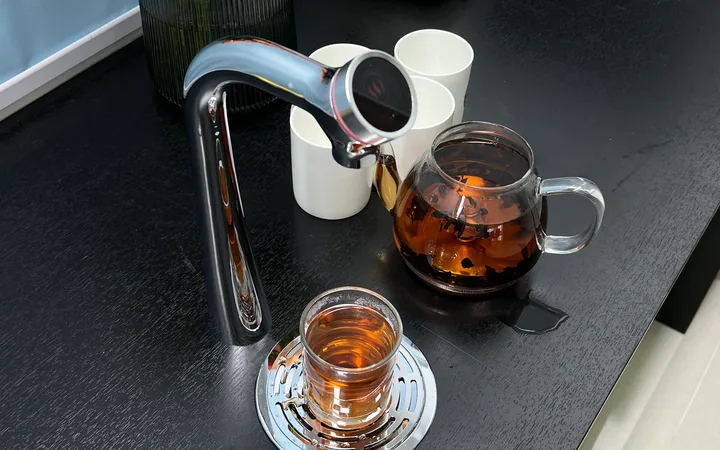
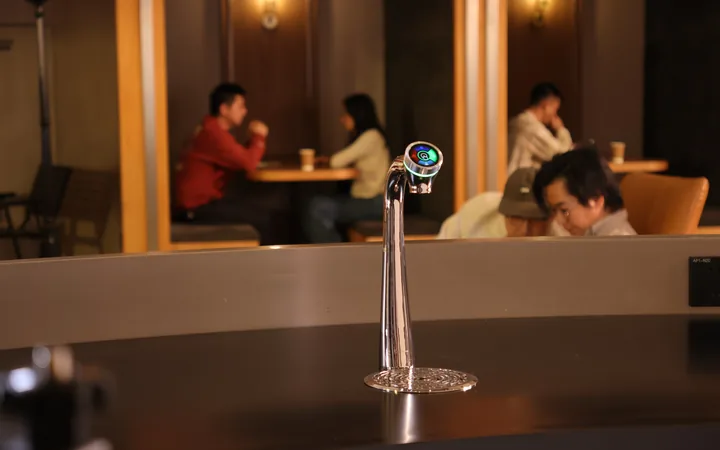
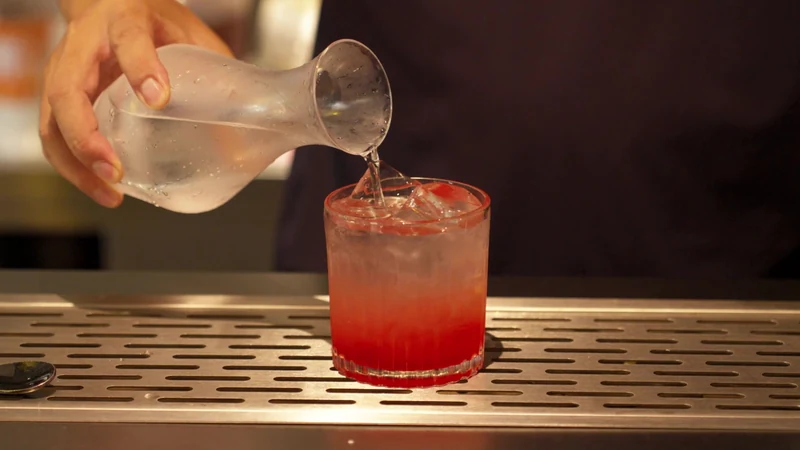
Some recipes build the drink in a different order. Jenna Smith’s University of Illinois Extension watermelon drink blends the fruit with the chosen water before adding lime, and lists eight one-cup portions. Keep that sequence when trying the published recipe. If your team decides to serve a different version by adding measured sparkling water to the glass at handoff, record and test the change. A Bestware G1DS-110’s documented sparkling setting can provide the plain water while the fruit stays in separate service containers.
Measure the usable base before choosing how large a batch to prepare
Set the Second Round From the Orders You Have
Suppose a reception expects 18 orders in the first round and 30 after a short break. The house recipe uses 40 mL of prepared base and 140 mL of plain sparkling water per glass, before ice. Plan on 1.92 L of usable base and 6.72 L of sparkling water for those 48 drinks. Measure the usable prepared base before service so that figure means something at the bar.
If the second round grows to 36 orders, the event now calls for 54 drinks, or 2.16 L of base and 7.56 L of sparkling water. The six extra orders need 240 mL of base and 840 mL of water. Take those amounts from a usable reserve only if it is available under the venue’s handling procedure. If there is a shortfall, tell the lead while it can still put the approved alternative on the menu.
Check the Last Glass in the Round
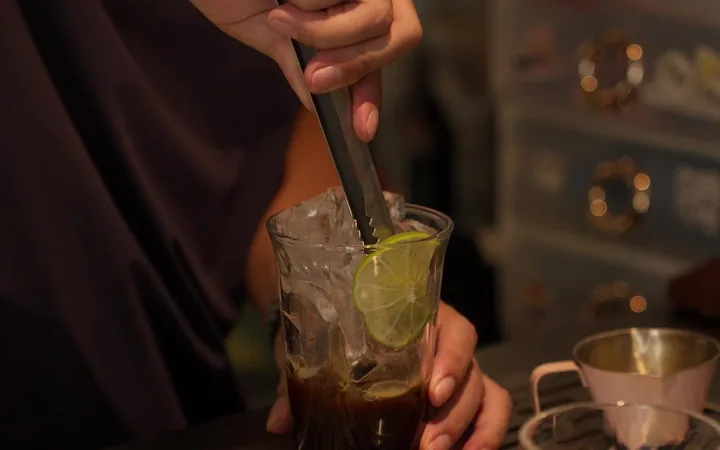
Have the actual service crew rehearse with the glasses, ice and tools it will use. One person can portion and label the base while another adds the water and hands off the drinks, if staffing permits. Record when the first and last glasses are made and how long they stand before pickup. Compare the fill, temperature and taste under those conditions. Include a refill of the base container and a change of ice tray so you know what slows the handoff.
If people wait for assembly, move one task or shorten the garnish step before changing the base ratio. Compare the same drink again across the first and last orders after that adjustment.
Give the Next Shift the Actual Recipe
Put the drink name, batch and actual ingredients on the service record, including any substitutions. Keep alcoholic and alcohol-free versions identifiable through preparation and handoff, with the venue’s utensils and storage arrangements for each. Use the local food-service procedure for ingredient and allergen information and for deciding how the base can be held. At close, note portions served, remaining usable base and where service slowed. Use that record to set the next event’s batch size.
Sources for This Edition
- Rider University · Motown Comes to Rider, Autumn Harvest Punch Mocktail · Event drink list, PDF p.3. Five cups of sparkling water go in after the chilled fruit mixture; no finished yield in servings stated. This is the virtual event’s recipe suggestion.
- Ethan Duer, Rider University · Homecoming & Family Weekend Goes Virtual, 2020 · October 13 university announcement, Motown Comes to Rider entry, October 30, 7–9 p.m. Indicates virtual-event context, not drinks served on site.
- Jenna Smith, MPH, RD, Illinois Extension · Watermelon Sipper · One-page recipe, Ingredients, Instructions and Yield. Blend the watermelon with the chosen water option, then add lime. Listed yield: eight portions of one cup each.
- British Dietetic Association · Fruit Quenchers, BDA148 · PDF p.1, Lime Fizz and Method: one glass, 30 mL lime juice and 30 mL apple juice, over ice, then sparkling mineral water to taste. It does not specify the water top-up volume.
- Bestware · G1DS-110 / G1DS-1010 Installation Manual, 2026 V1.1 · PDF p.3, printed p.01, Dispenser Tap Operation Instructions item 2, Dispensing Sparkling Water. Fixture set to dispense plain sparkling water for separate mixing.
- Bestware Wiki · Illustrative Two-Round Beverage Service Worksheet · Hypothetical 40 mL base plus 140 mL plain sparkling water per serving before ice. Orders 18 + 30 need 1.92 L usable base and 6.72 L water. Updating the second round to 36 makes 54 total, needing 2.16 L and 7.56 L. Six additional servings need 240 mL and 840 mL.
- Bestware Wiki · Preparing Batched Sparkling Drinks · Measure the base that can actually be served and pick the point where the finished drink is assembled.
- Bestware Wiki · Consistent Sparkling Service · Record first and last pours and distinguish an outlet change from something that happened on the bar.
Continue With These Decisions
- How to Batch Sparkling Citrus Drinks for Service
Measure the usable base before choosing how large a batch to prepare
- Why Sparkling Drinks Vary Between Locations
Use a first-and-last-pour record to locate the change