Follow the Water From Screen to Tea Leaves
Look at the outlet and the pot before changing the setting. If the tap delivers about the same temperature each time but the first pot comes out cooler, start with the vessel and the time between pouring and reading. If later draws also leave the tap cooler, check how much hot water the counter uses and how long the heater has to recover.
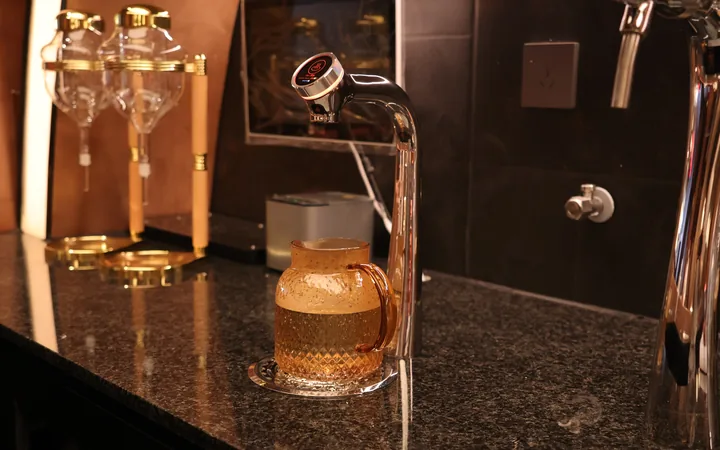
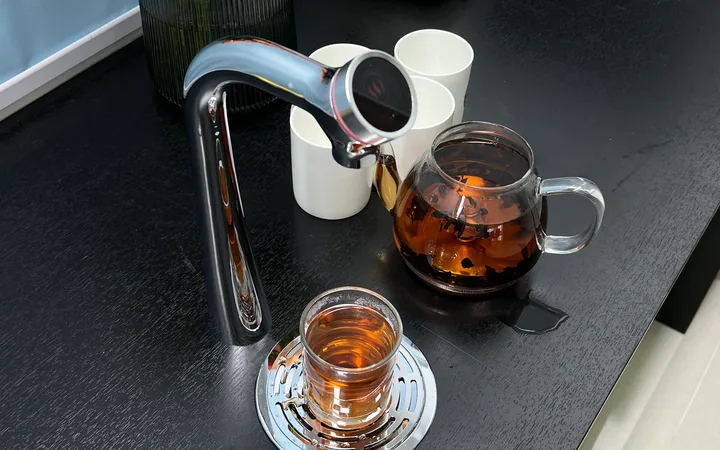
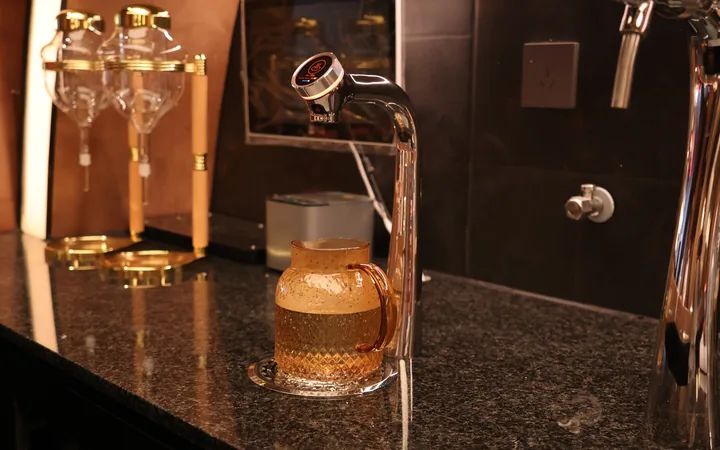
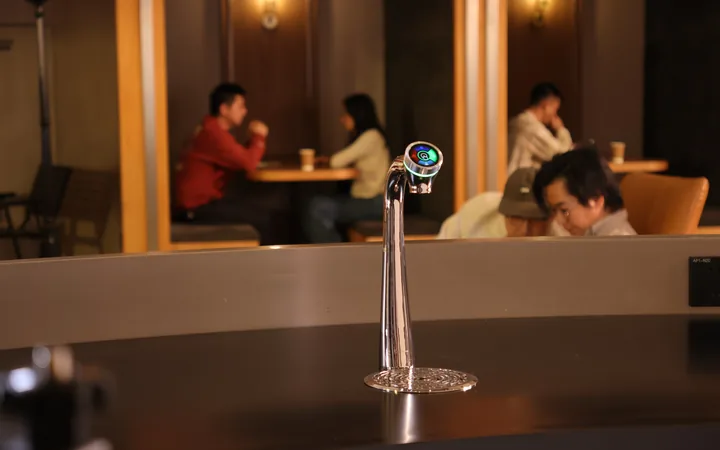
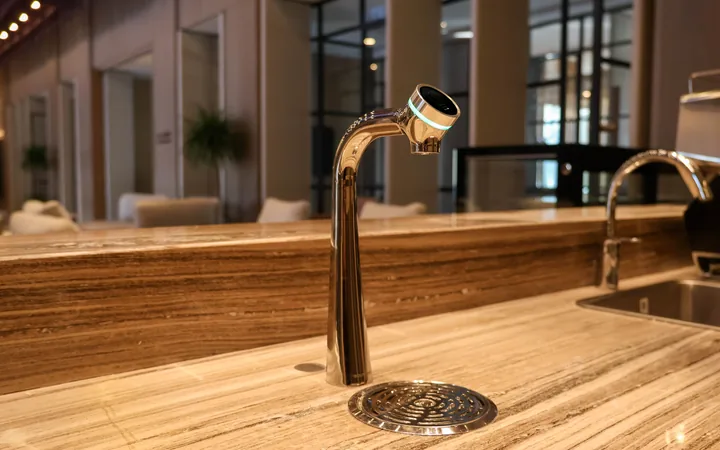
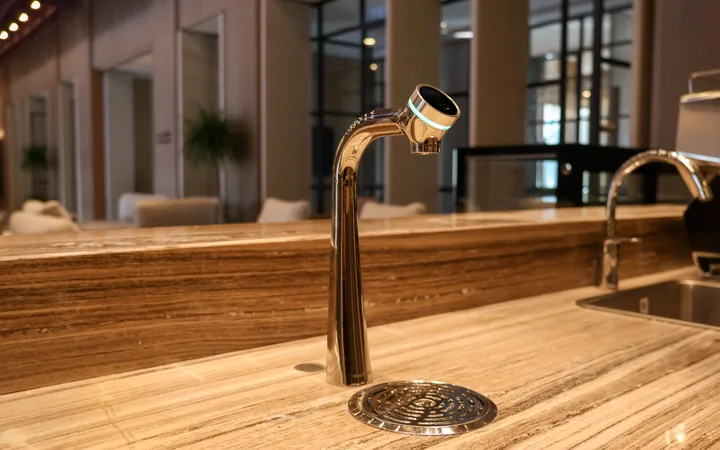
Plan the check for a quiet stretch at the counter. Write down what the screen is showing and where it is. On Bestware’s G1DS-123, the hot-water tap counts down the draw. The separate heating unit offers a 45–98 °C temperature setting and marks heating complete with a solid red drop. That is enough to identify the equipment state. Use a probe to check the water you actually get.[8]
Heating Control
What did you ask it to do?
Write down the set temperature, ready indication and time since the last draw.
Tap Outlet
How hot is the water being delivered?
Use the same heat-safe collection setup and quantity for each draw. Record when the reading settled.
Inside the Teapot
How hot is the water at the brew?
Note whether the pot was cool or prewarmed. Use the same probe position and elapsed time from the end of the pour.
A Cold Pot Can Account for Part of the Drop
The pot warms as the water loses heat. In the calculation below, the water starts at 95 °C and the vessel’s heat capacity is one-quarter that of the water. A vessel starting at 20 °C brings the calculated equilibrium to 80 °C. Starting the same vessel at 60 °C gives 88 °C. A smaller draw in the same pot changes that heat-capacity ratio.[1][2]
Those are model results for water and vessel only. At the counter, a long pour, a pause before measuring or heat lost to the surrounding air can all change the reading. Record the starting state of the pot before treating the difference as a machine problem.
Calculated Example
Same Water, Different Vessel Temperatures
Starting Water95 °C
Heat-Capacity Ratior = 0.25
Cool Vessel
Vessel starts at 20 °C
Prewarmed Vessel
Vessel starts at 60 °C
Tw = initial water temperature; Tv = initial vessel temperature; Tf = final equilibrium temperature. r is a heat-capacity ratio, not a mass ratio.
Log the First Draw, Then Repeat the Busy Sequence
Use a clean, sanitized food-contact probe with a suitable temperature range and response time. Secure a heat-safe vessel, follow the probe’s immersion instructions and position its sensing tip clear of the wall and bottom. Note the time from the end of the pour to the stable reading. Use the same collection method for every outlet comparison.[3][4]
For a paired check, use two verified probes, or repeat matching draws if you only have one. A reading taken after moving the probe has a time lag. If the instrument result seems off, verify it before changing the heater. NIST’s steam-point method accounts for local elevation and barometric pressure.[5]
| Draw | Keep Fixed | Record |
|---|---|---|
| First After a Pause | Same water quantity, vessel and defined pause duration. | Display state; outlet and in-pot readings; vessel starting condition; measurement times. |
| Repeated Service | Same draw size and a recorded interval between draws. | Draw number; each outlet reading; whether the water in the pot also changes. |
| After Recovery | Same method after the equipment indicates it is ready. | Time to ready; next outlet reading; whether the earlier pattern returns. |
Use actual quantities and intervals from the shift. Mark any missing temperature or time and repeat the draw before using the result to accept equipment.
Change the Pot Routine or Check Hot-Water Recovery
Take the same log to the next shift. The outlet-to-pot difference points to the preparation step; the pattern at the outlet across draws points back toward the supply. Use the supplier’s conditions and any written tolerance to judge the results.
The Outlet Is Steady and the Pot Is Cooler
Compare the same pot cool and prewarmed. Keep water quantity, pour distance and reading time alike. If the pot readings come closer, settle the pot routine first.
The Outlet Cools Over Successive Draws
Check the ready indication, standby mode and peak demand for hot water. On the cited G1DS-123 manual, P2 lowers the heater to 65 °C after three hours with no dispensing. Sample after the usual pause as well as once the equipment indicates it is ready.
Once delivery is consistent, use the recipe temperature for your tea, along with its leaf quantity and timing. The UK Tea & Infusions Association gives different preparation temperatures for black and green tea and asks readers to check the pack. Keep water quality on the recipe sheet too.[6]
For a purchase or handover, write the target in the teapot, the amount per draw and the serving sequence. If you need a supplier to match it, share your hot-water service requirements with those fields filled in.[8]
References
- OpenStax — College Physics 2e, §14.2: Temperature Change and Heat Capacity
- OpenStax — University Physics Volume 2, §1.4: Heat Transfer, Specific Heat, and Calorimetry
- University of Wisconsin–Madison — Measuring the Temperature of a Liquid
- Centre for Food Safety, Hong Kong — Food thermometers
- NIST — Verification Methods for Alternative Thermometers
- UK Tea & Infusions Association — The Perfect Brew
- Göçen et al. (2026) · Sustainability 18(21), 10714 · §3.2 and Figure 4, physical PDF p. 11
- Bestware G1DS-123 / G1DS-1023 installation manual · 2026 v1.2 · physical PDF pp. 3–5