Start With the Guest Who Wants a Cup of Tea
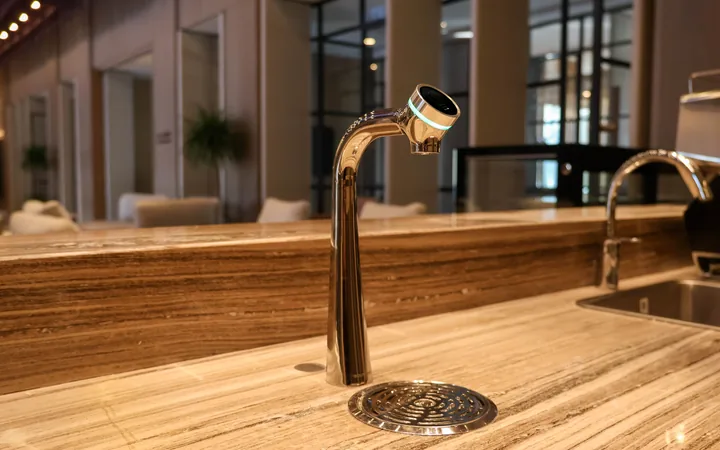
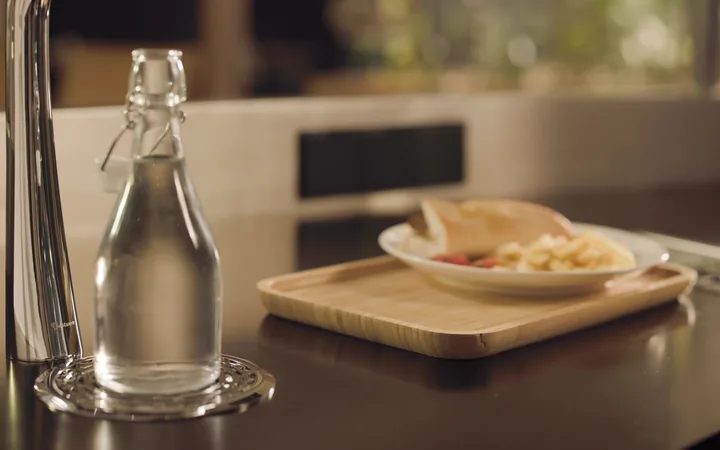
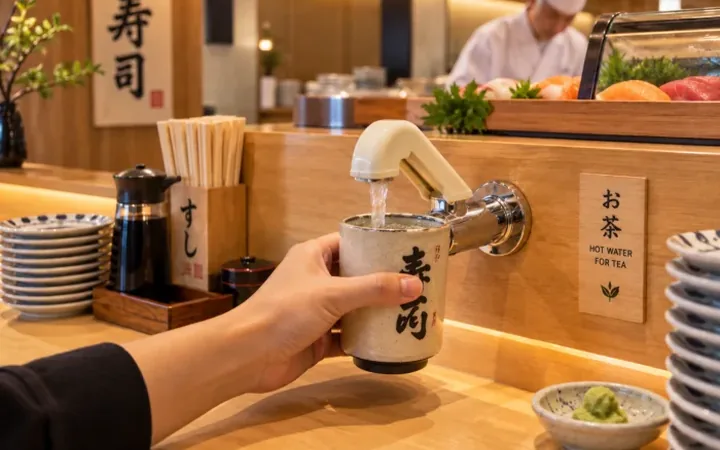
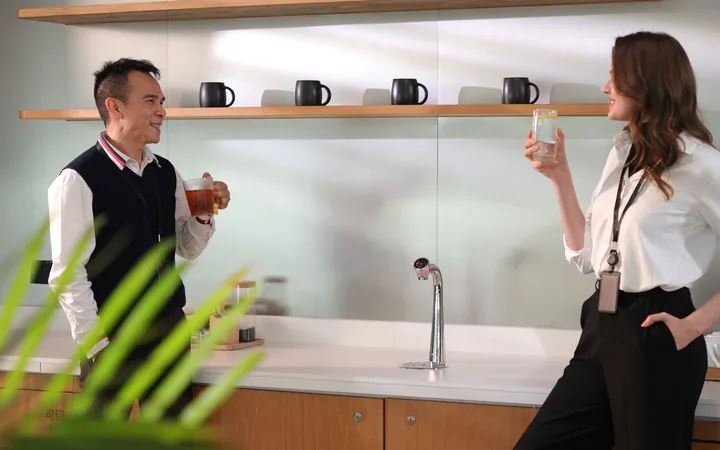
A guest back after the café closes should be able to find out where to get water for tea. Put a kettle in the room if guests should be able to make it there. A floor or lobby station works when guests can reach it and use it on their own. A staffed pantry is another option if someone can take the request, make the drink or provide the hot water, and get it to the guest during the hours promised.
Two hotels in Japan publish different answers. Kyoto Yamashina Hotel Sanraku tells guests to use their room kettle for hot water and lists bottled mineral water in the rooms. Richmond Hotel Sapporo Odori puts dispensers in the guest-floor elevator lobbies and lists hot, room-temperature and chilled water. Try writing your own answer in two sentences. Say where someone should go, what they need to bring and whom to ask if they cannot use the station.
Leave Housekeeping a Room They Can Reset
In the sample room, pick up the kettle, open the lid and follow the route to the hotel's designated drinking-water source. Make sure there's room to set a mug down, lift the kettle without hitting a shelf and put the cord away from the edge. An instruction beside the tray should name the filling source. In England and Wales, the Drinking Water Inspectorate advises taking fresh cold water from a tap fed directly from the water mains for drinks and cooking and avoiding hot or bathroom taps for these uses.
Repeat the visit with the housekeeper who turns the room over. Have a clean replacement mug, a marked place for used cups, and a way to report a damaged kettle and get a replacement. One published example is Radisson's 2021 brand manual for standard rooms, which specifies an empty kettle, daily cleaning and daily restocking. For premises covered by China's current GB 37487-2019, reusable cups must be cleaned and disinfected after each guest's use, with clean and used items kept in separate marked containers.
Time the Place Where a Line Forms
Suppose 24 people ask for 200 mL each in the same 12 minutes. They need 4.8 L. If the whole turn at one outlet takes 45 seconds, including putting the cup down and stepping aside, there is room for at most 16 completed turns in that window. At least eight are left for later even if there is always someone ready. Those are planning assumptions. Record when guests arrive, when each person can start and when that person moves away before deciding what needs more capacity.
Try the route with your shortest and tallest intended cups. Lay out the return point so someone carrying used cups does not have to reach across the next guest. For an applicable U.S. food-service station, check which rules your jurisdiction has adopted. The 2026 FDA Food Code is a model for that setting. It addresses keeping self-service beverage equipment clear of the part of a refillable cup that touches the lips and cleaning beverage nozzles at the manufacturer's specified frequency, or, if the manufacturer gives none, often enough to prevent a buildup of soil or mold.
Try the Controls With the Cups You Will Use
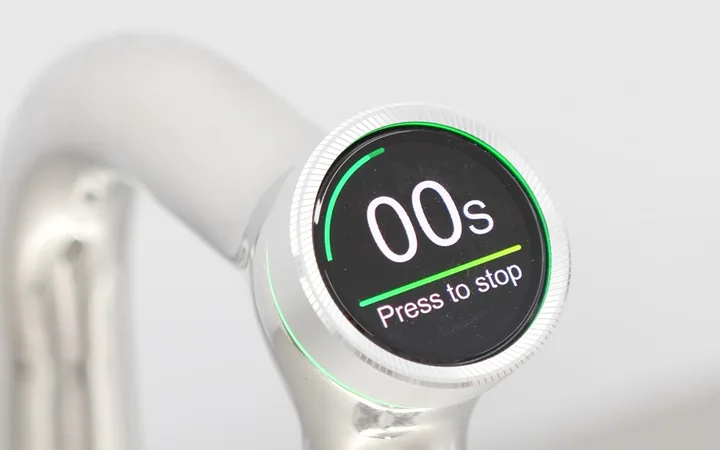
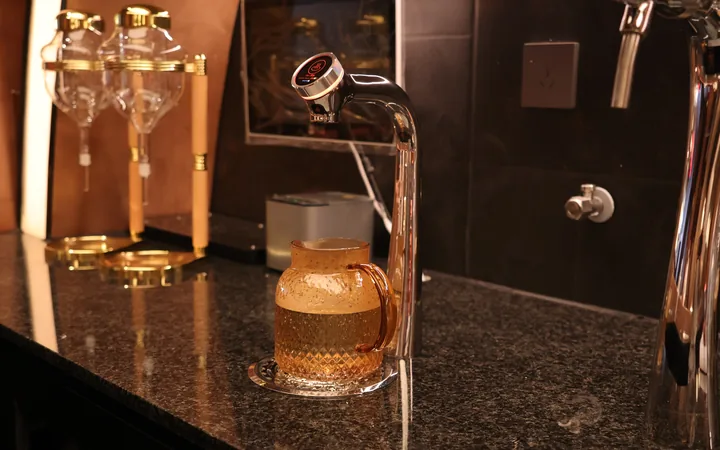
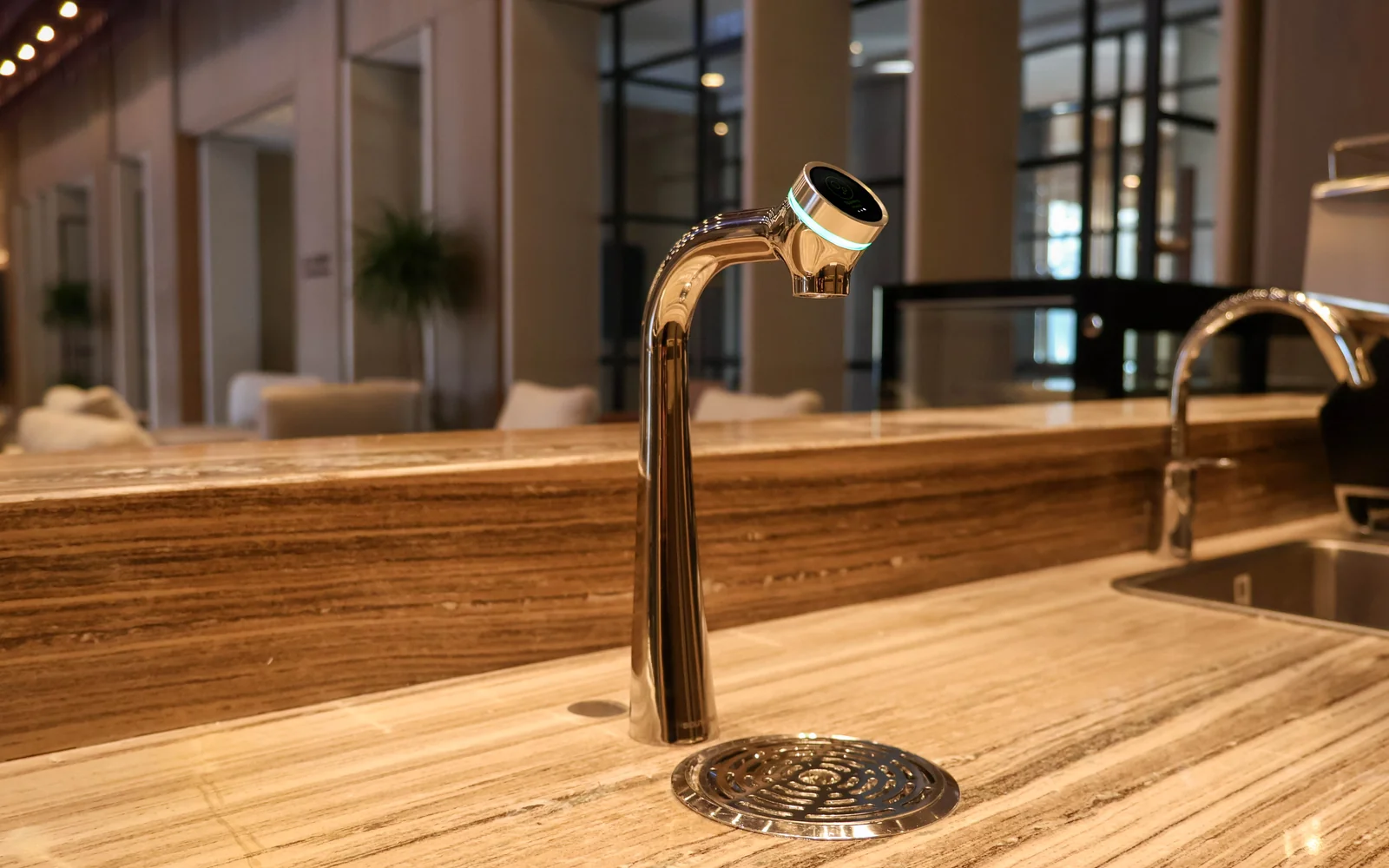
If breakfast staff will serve from a plumbed counter, let them try the exact controls on the quote. For example, Bestware's G1DS-123 V1.2 manual shows a separate hot-water unlock and a stop control on the illustrated panel. Use the actual panel and a dry walkthrough to check what a first-time operator sees and how the operator stops the pour. Run heated trials under the site's commissioning procedure while the station is closed to guests. Use the intended serving cup for fit and the procedure's stable heat-resistant vessel for the test. Record delivery at the required service pace, with the site's acceptance criteria for the delivered water and the test setup on the same sheet.
Check hot-water start and stop before handing over the station
Give the Night Shift a Second Place to Send Guests
Act out a local equipment failure. Close the primary point and ask a front-desk colleague where a guest will be served, what hours apply and who helps if the alternative is difficult to reach. Engineering should be able to identify the isolation point, reach the equipment for service and document when the original point can reopen.
The U.S. CDC's hotel guidance includes unoccupied rooms and water-supply interruptions in building water management. Ask the property water team how it clears the point for service after an idle period or an interruption. During a supply incident, activate the property's water plan and follow local public-health directions. Any replacement drinking supply needs to be verified and independent of the affected source.
Record the shutoff, substitute service and reopening decision at handover
Sources for This Edition
- Kyoto Yamashina Hotel Sanraku — Guest-room drinking-water FAQ · Guest rooms, question on cold and hot water for drinking. Bottled mineral water is provided in every room and guests use the room’s electric kettle for hot water.
- Richmond Hotel Sapporo Odori — Water Dispensers on Guest Floors · We Love, Service, ウォーターサーバー. The hotel lists hot, room-temperature and chilled water in the elevator lobbies on guest floors.
- Radisson Brand Standards Manual 2021 V1 — Standard-Room Coffee and Tea Station · Section 3.1, printed p. 32, standard rooms. A hotel-group example of keeping the kettle empty, cleaning it daily and restocking the tray daily.
- Drinking Water Inspectorate — Chlorine, Advice for Drinking and Cooking · Remember… Consumer advice in the England and Wales context on drawing fresh cold water from a tap fed directly from the water mains and avoiding water from hot or bathroom taps for drinking or cooking.
- GB 37487-2019 — Health management specification for public places · China, in force. Sections 4.3.3 and 4.3.4 on cleaning and disinfecting reusable cups after each guest use and using separate, marked containers for clean and used items.
- U.S. FDA Food Code 2026 — Self-Service Beverage Equipment and Cleaning · Preface pp. vi–vii on adoption for retail and food service. Section 4-204.13(D), printed p. 93, on keeping equipment clear of the lip-contact area of refilled glasses or cups. Section 4-602.11(E)(4), printed p. 109, on manufacturer-specified cleaning frequency or, without one, cleaning often enough to prevent buildup of soil or mold.
- Bestware G1DS-123 and G1DS-1023 — Installation and Operation Manual V1.2 · PDF p. 3, separate hot-water unlock and stop screen on the controller shown. PDF pp. 14–15, connection diagram for the configuration with RO and checks before power-up.
- U.S. CDC — Hotel Owners and Managers, Considerations for Legionella Control · 15 March 2024. Building water management program considerations for unoccupied floors or rooms and for water-supply interruptions.
- Bestware Wiki — Testing Table-Side Hot-Water Controls · Check the intended vessel and startup, stopping and restart in controlled commissioning.
- Bestware Wiki — Water System Installation and Handover · Record isolation, service access, standby arrangements and responsible roles during handover.
Continue With These Decisions
- How to Test a Table-Side Hot-Water Control
Check hot-water start and stop before handing over the station
- Water Dispenser Installation and Handover: What to Sign Off
Record the shutoff, substitute service and reopening decision at handover