Finish the Drink Near Pickup
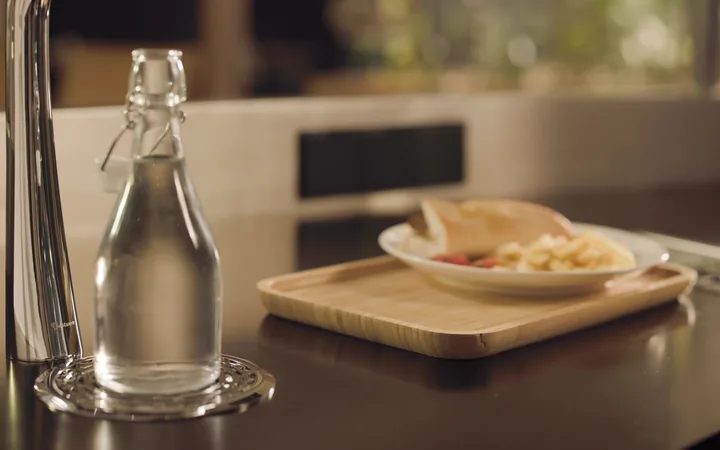
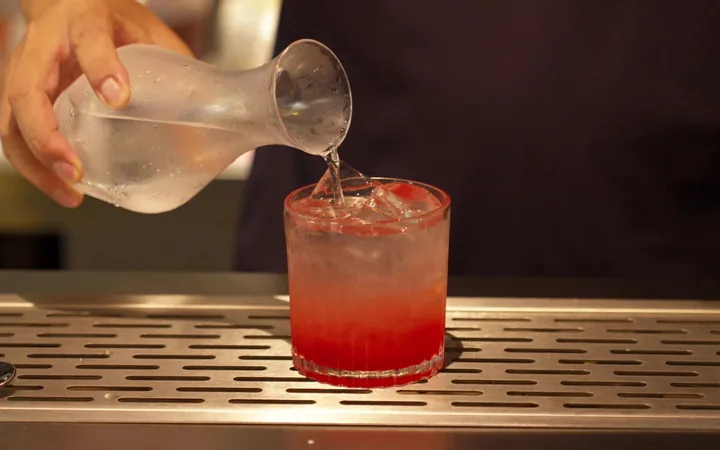
If a café can tell when a pickup customer is on the way, get the base ready under the shop’s usual holding procedure and add the sparkling water near handoff. At a quieter counter, that can mean waiting until someone checks in. During a rush, time how long it takes to finish three or four orders after a pickup alert. Set the procedure around the wait the shop can actually manage.
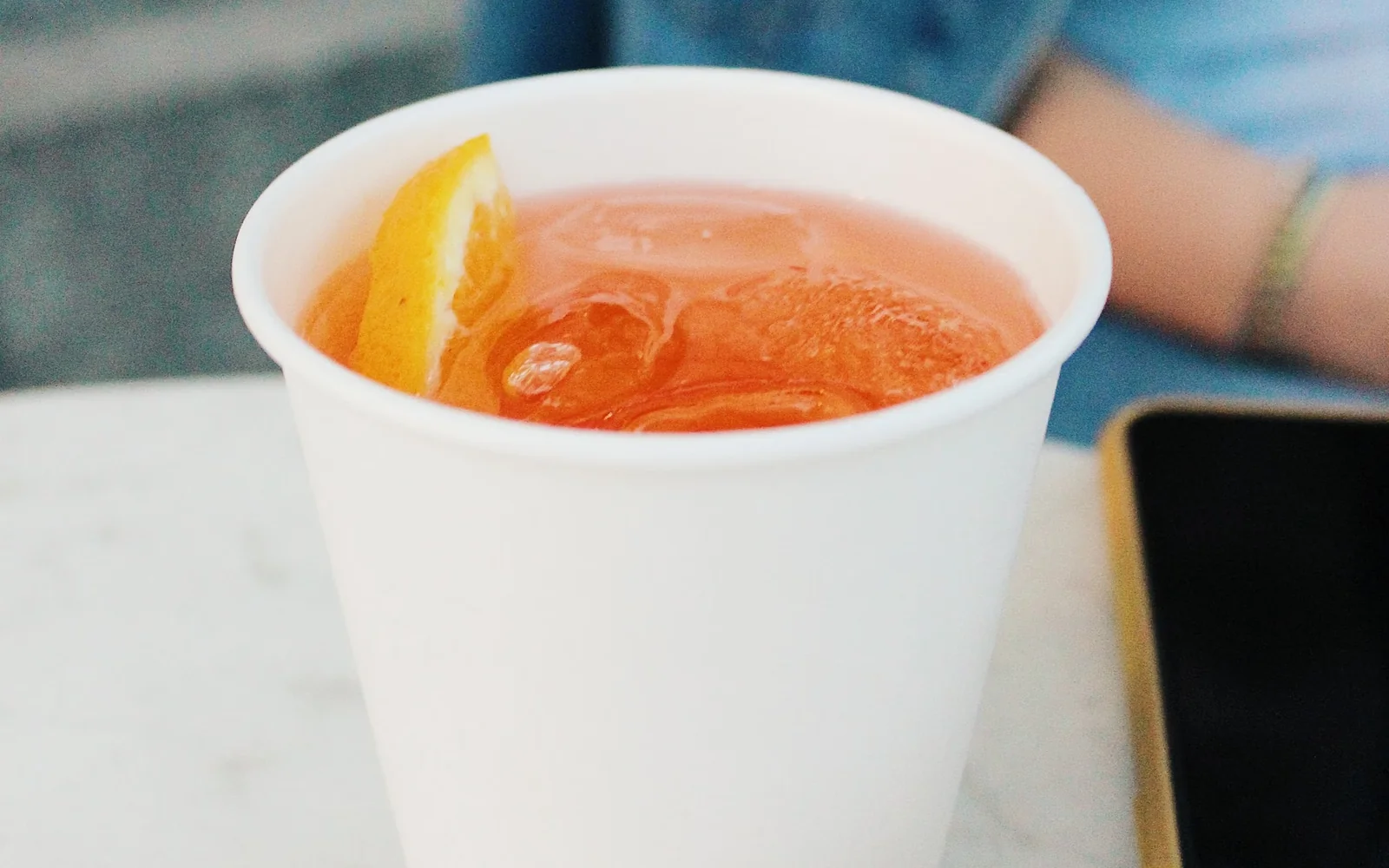
Kora Brew House & Wine Bar in Bryan, Ohio, advertises carryout for specialty drinks. Its online pickup menu offers Italian soda made with sparkling water and a choice of flavor. That’s a useful menu model for a drink with options the guest can pick. The menu leaves the fill timing and packaging open, so a café adopting the idea needs to work those out for its own route.
Use the Research to Choose What to Log
At the University of Wisconsin–Madison, researchers poured roughly 355 mL of newly opened sparkling water into an open glass vessel at room temperature, 21.6 °C. The vessel lost mass rapidly in the first 20 minutes. The analysis accounted for evaporation when estimating the CO₂ that escaped. In a separate experiment with Champagne, Liger-Belair and colleagues measured dissolved gas lost during pours at 4, 12 and 18 °C. Warmer Champagne lost more in both pouring styles.
The water study used an open vessel, and the wine study looked at the pour itself. They give you two things worth writing down in a shop test: the time since the drink was finished and the liquid temperature. Choose the lid with a comparison of filled, packed orders.
Compare a Fresh Pour, a Wait and a Walk
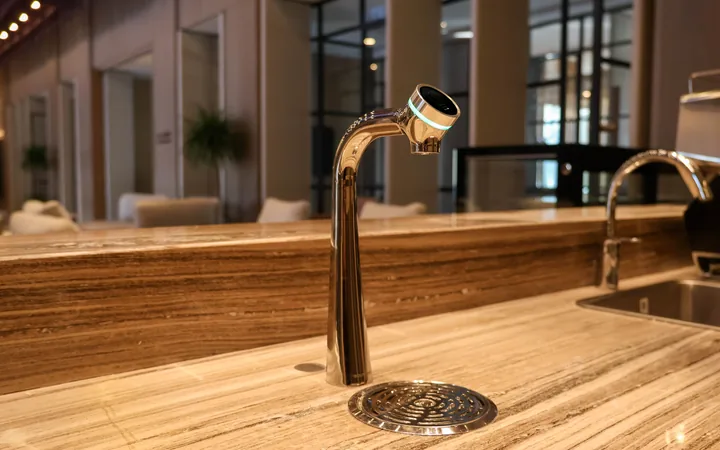
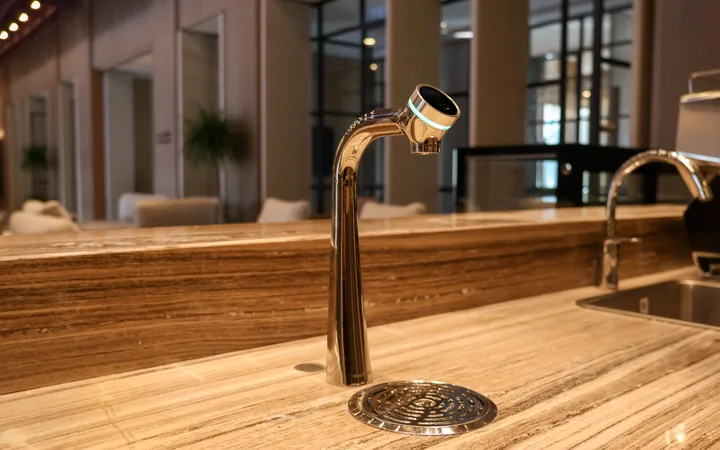
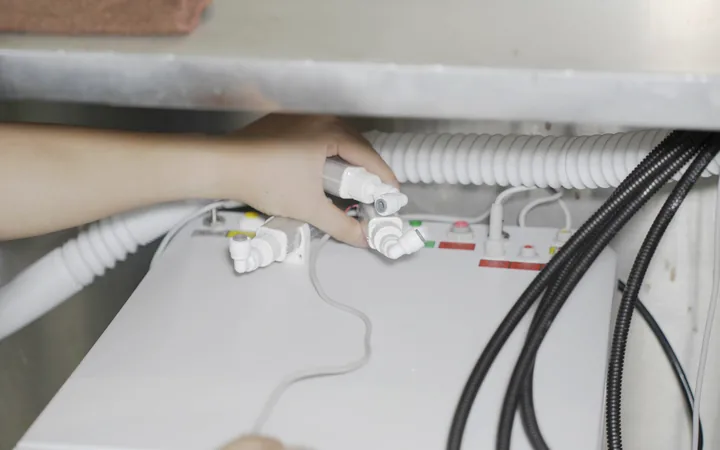
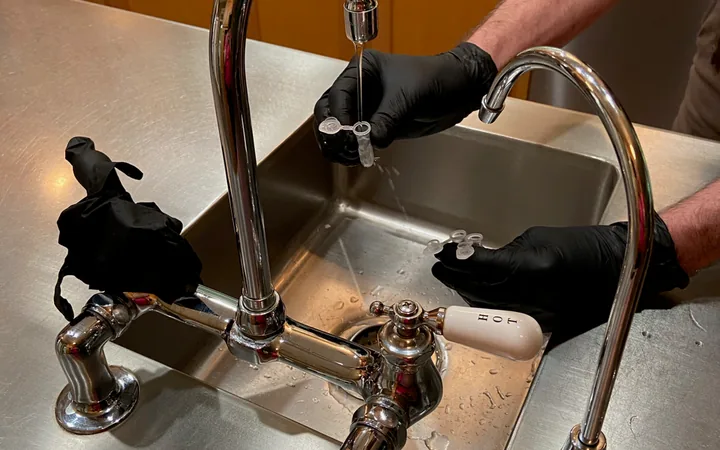
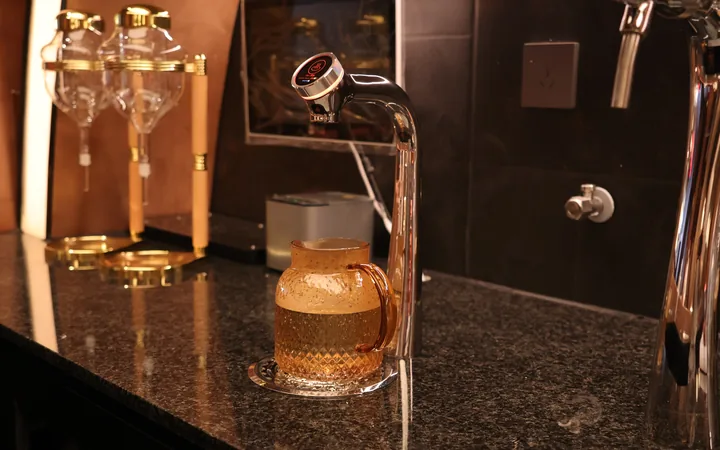
Say a café with a Bestware G1DS-110 is trying a lime soda on the pickup menu. Staff draw plain sparkling water from the tap and add the prepared lime base in the cup. Keep the recipe, filled amount, ice, starting temperature, cup, lid and bag the same. Use the cup-and-lid combination within the packaging supplier’s instructions for that drink.
For a staff rehearsal, open one sample right after closing it. Hold a second in its bag at the pickup area for 20 minutes. Let a third wait there for eight minutes, then carry it upright for a 12-minute walk using the bag your shop would hand over. Write down when each cup was closed, collected and opened, plus temperature at opening, any wet marks, lid fit and how the first sip feels. Throw out any sample with damaged packaging. A tasting score describes the drink’s texture. Measuring dissolved CO₂ takes a separate method.
If the held sample and the carried sample both taste flat, try finishing the next set closer to pickup. If the held cup is fine and the carried one leaks, check the carrier and cup-and-lid fit. Change one item between runs. Repeat the comparison with the longest wait the shop intends to offer, within its normal food-safety controls.
Check what can go into your carbonator before changing the recipe
Put the Approved Pack on the Prep Sheet
Record the exact cup and lid, fill line and carrier. Give staff a visible place to stage orders upright and a clear rule for remaking a leaking drink or one past the shop’s tested service window. Before replacing a supplier’s lid, run the same two timed samples again. Use a lid and container intended for the product. A sticker across a bag opening can help show if the bag was opened. The cup and lid have to contain the drink.
For third-party delivery, the FDA’s summary of the Conference for Food Protection guidance covers packaging integrity, temperature and allergens. Apply the requirements for the recipe and location, including any separate controls for perishables. The walkthrough checks service quality. Add the price of actual packaging and the number of remakes to your costing sheet before deciding whether the drink belongs on the menu.
Sources for This Edition
- Kora Brew House & Wine Bar · Specialty Coffee and Pickup Menu · Bryan, Ohio. Operator’s Specialty Coffee page, carryout statement and Coffee & Specialty Drink Menu → Additional selections. Operator-linked Toast, Everything else! → Italian Soda, describes flavor added to sparkling water. Checked November 25, 2026. No cup, closure or handoff time published.
- Spagnolie, Christianson and Grote · Levitation and dynamics of bodies in supersaturated fluids (2024) · Nature Communications 15, 3910, DOI 10.1038/s41467-024-47672-z. PDF p. 2, Results → Mass loss of a supersaturated fluid and Fig. 2a. At room temperature 21.6 °C, approximately 355 mL of newly opened plain carbonated water sat in an open glass vessel. Rapid early mass loss, with a correction for evaporation. No closed-pack run.
- Liger-Belair et al. · On the Losses of Dissolved CO₂ during Champagne Serving (2010) · Journal of Agricultural and Food Chemistry 58, 8768–8775, DOI 10.1021/jf101239w. Printed pp. 8770–8772, Two Ways of Serving Champagne, Table 1 and Fig. 4. Measured dissolved CO₂ loss from approximately 100 mL pours at 4, 12 and 18 °C; warmer wine lost more in both techniques. Wine and open flutes only.
- FDA and Conference for Food Protection · Food Safety for Online Delivery Services · FDA constituent update, December 9, 2022, description of risks and controls. Underlying CFP Guidance Document for Direct-to-Consumer and Third-Party Delivery Service Food Delivery, printed p. 27, Temperature Monitoring for Staging Foods at Food Establishments, Packaging and Food Tampering. Delivery-specific guidance; consult applicable local rules.
- Bestware G1DS-110 / G1DS-1010 Installation Manual · 2026 V1.1 · PDF p. 3 (printed 01), selectable sparkling-water mode; PDF p. 13 (printed 22), Water In and CO₂ In. No specification for takeaway packaging or carbonation at arrival.
- Bestware Editorial · Illustrative Counter and Route Test · Three illustrative staff-only samples per run: immediate, held for the full elapsed time, taken along a mock route. Eight minutes of staging plus twelve minutes of travel equals twenty minutes. A proposed comparison plan without measured acceptance or carbonation results.
- Bestware Wiki · Which Liquids Can Go in the Carbonator? · Check what the exact machine is documented to carbonate before moving a recipe ingredient to equipment.
- Bestware Wiki · Cost per Served Glass · Use saleable output and trace variable expenses to the serving; account for losses and replacements from the shift.
Continue With These Decisions
- Which Liquids Can Go in a Soda Maker?
Check what can go into your carbonator before changing the recipe
- What Does a Served Glass of Sparkling Water Cost?
Count the packaging and remakes in the cost per serving