Give Each Outlet a Job on the Quote
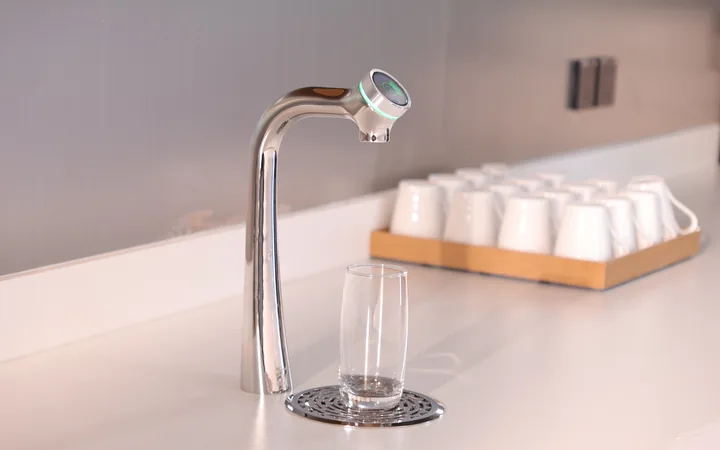
Start with a rush of iced Americanos. The espresso machine draws water, the ice maker refills and the drinks tap may be in use. Ask the installer to mark all three feeds. Plan the filter around the shop’s confirmed drinking-water supply, the problem you want to solve and the flow each outlet needs. A shared stage makes sense when the branches have the same treatment need and it can supply them at the same time.
Collect the utility information and a sample at the shop’s actual inlet. Note a building tank or treatment upstream. When the source is uncertain or an advisory affects the shop, check with the water supplier and health authority before preparing drinks or ice. An installed taste filter does not clear a water advisory.
Put Taste and Machine Water on Different Lines
If customers can taste the disinfectant in otherwise suitable drinking water, confirm which disinfectant the supplier uses. Look for a named chlorine or chloramine reduction claim as applicable to the problem. If the concern is sediment, ask what the filter is rated to catch and how the installer will track the pressure drop. Scale control is another job. A claim about scale does not tell you what hardness will reach the pump.
Use the espresso maker’s water table for the feed it will actually get. The GB5 S/X manual, for instance, gives 70–100 ppm total hardness and 40–80 ppm alkalinity in its own specification. Ask for results before and after the proposed treatment. For a microbial concern, define the hazard and a validated treatment with the responsible people. A carbon taste claim or a micron rating alone does not cover bacteria and viruses.
Put the Service Volume Beside Its Rated Flow
Take an actual directory entry. NSF lists the QC7I Single - 4CLM+-S system with the 4CLM+-S replacement for chloramine reduction, with a 4,000 U.S. gallon service cycle at 1.25 U.S. gallons per minute, about 15,142 L at 4.73 L/min. The manufacturer sheet also shows 10,000 gallons in a separate test at 0.5 gpm. The larger number belongs to the slower test. In the NSF entry, the service-cycle figure does not apply to mechanical filtration.
Say that three branches of a café need 2.0 L/min at the drinks station, 1.6 L/min during an ice-maker refill and 1.4 L/min as the espresso machine takes water. Those are example inlet draws. Together they need 5.0 L/min if all three overlap. That single certified configuration is rated below the example requirement. Ask for a higher-flow configuration with the same relevant claim, or price a separate branch and check its own supply.
Draw the Branches Before Ordering the Parts
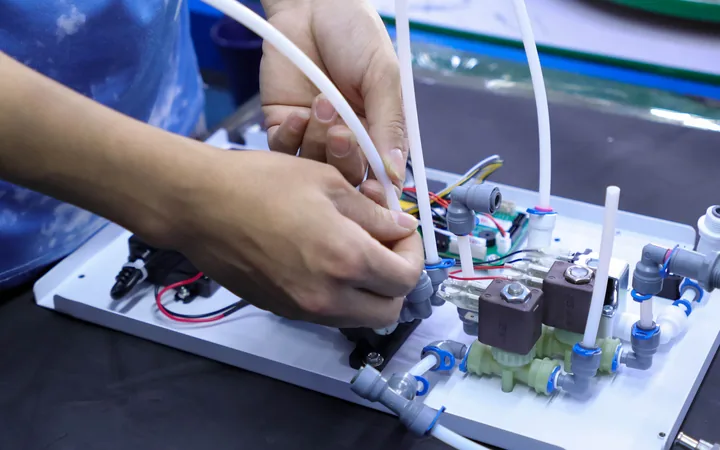
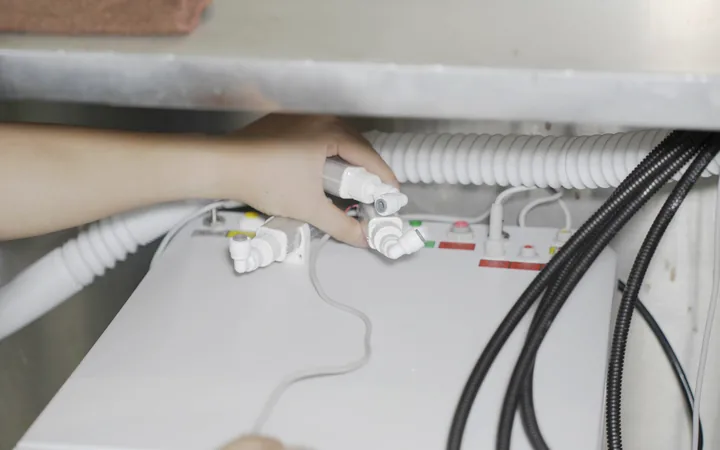
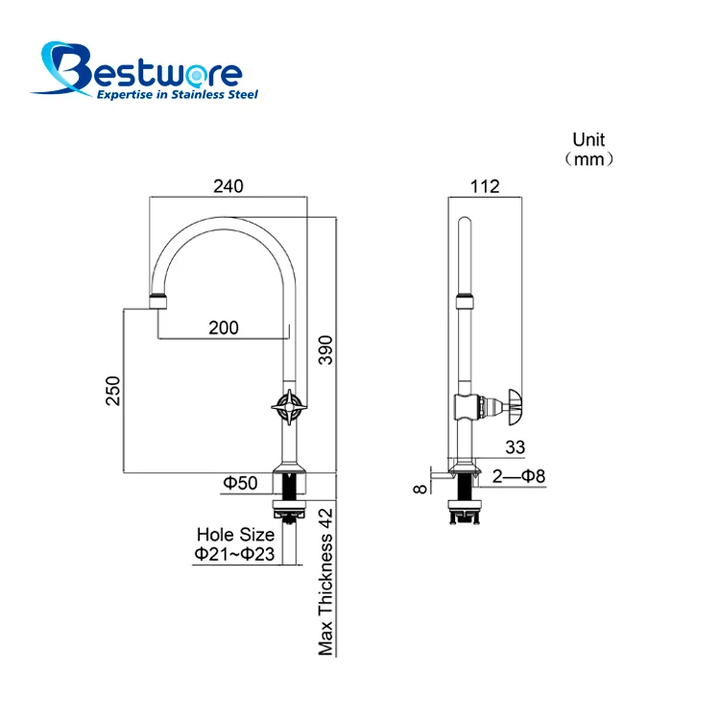
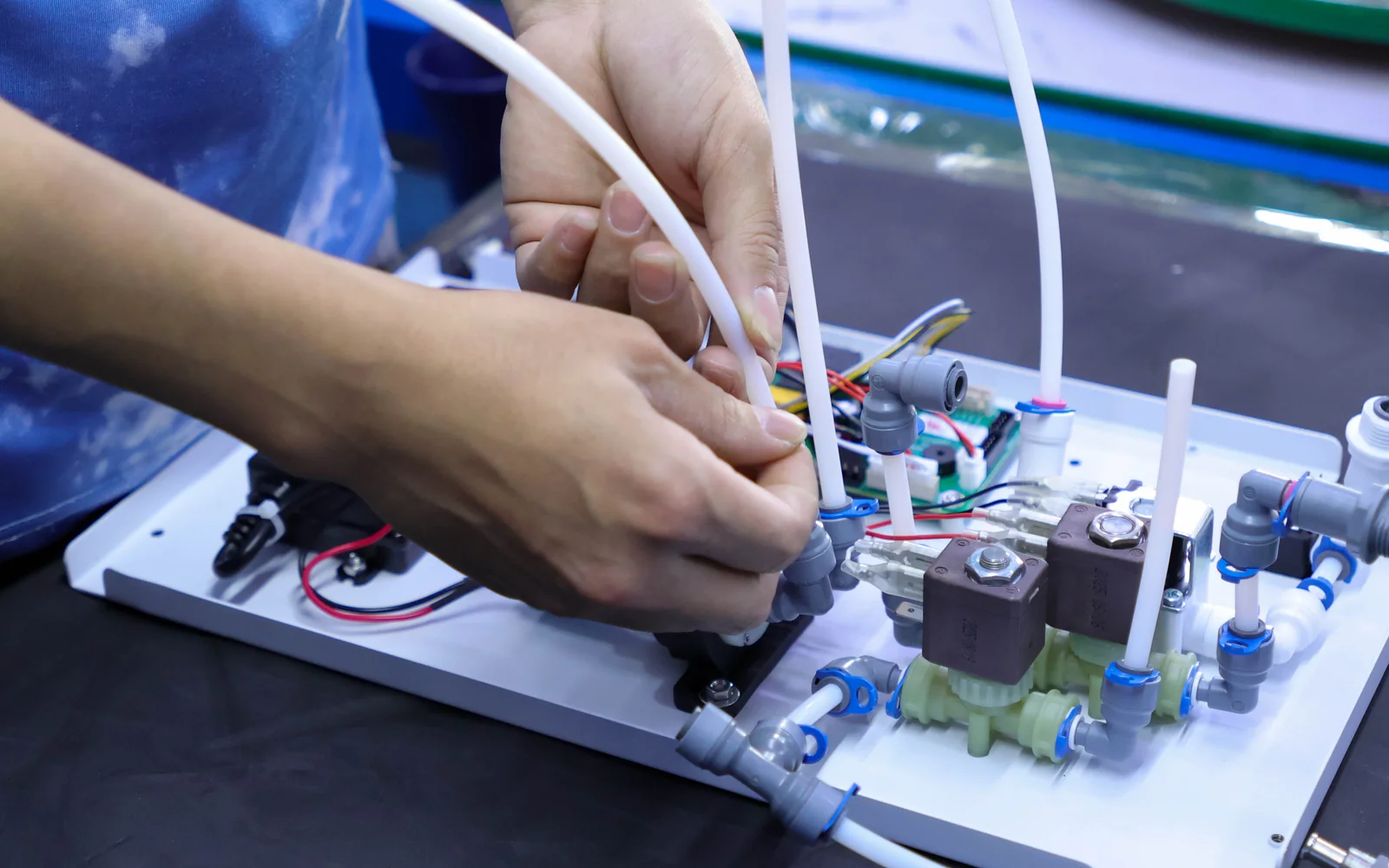
Mark shutoffs, the space to swing out a cartridge and places to measure pressure and take samples. Where a quote includes a Bestware G1DS-1023, its published specification describes a standalone RO unit. Confirm the parts it actually ships with and put the cold-drink inlet and any RO reject drain on the quote. Use a separate espresso line on the worksheet so its water requirement remains visible.
Run the Busy Draw Before the Installer Leaves
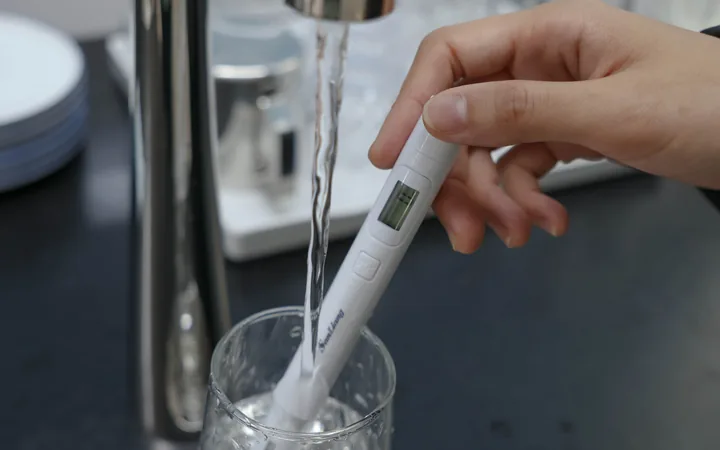
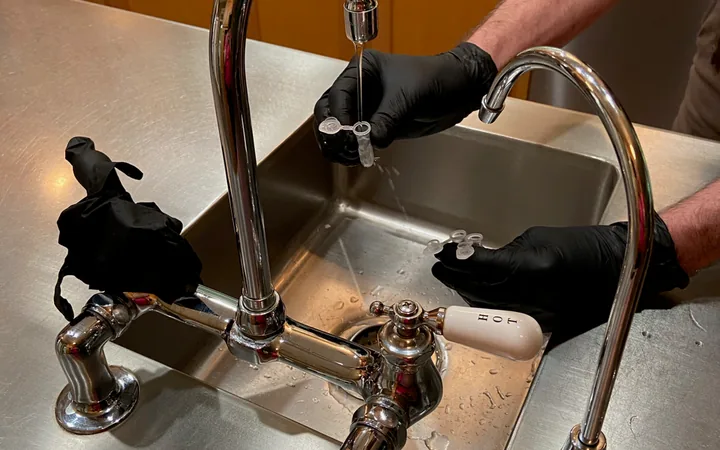
After the specified flushing, record flowing pressure and flow before the treatment and at equipment feeds during the agreed overlap. Take the before and after samples at marked points. If the installer finds insufficient pressure or flow, leave the affected branch unsigned and repeat the run after the change. Record the configuration, replacement part, initial readings and who tracks water used or the other service triggers. Those are the numbers the next shift will have to find.
Measure inlet pressure and flow while the equipment draws water
Sources for This Edition
- CDC · About Choosing Home Water Filters · Identify the water source and the concern. The Germs and Chemicals sections explain how claims differ.
- CDC · Drinking Water Advisories · Overview of drinking-water advisory types and the activities they can affect, including drinks and ice.
- U.S. EPA · Chloramines in Drinking Water · Identifies chloramine as a water disinfectant. The opening describes secondary disinfection and the use of compliant chloraminated water.
- U.S. EPA · WaterSense Guide to Selecting Water Treatment Systems · November 2024 guide. Pages 6–7, Table 2 compares filtration, reverse osmosis and UV. Page 8, Water Treatment Technology Certification, matches the applicable standard and performance claim to each target contaminant.
- NSF Official Listings · ANSI 42 Commercial Modular · Under Everpure LLC, Hanover Park, Commercial Modular, look for QC7I Single - 4CLM⁺-S with 4CLM+-S replacement. It lists 4,000 U.S. gal at 1.25 gpm and names chloramine reduction. Footnote 1 limits application of the rated service cycle to non-mechanical claims.
- Pentair · 4CLM+-S Cartridge Specification, EV973350 JL26 · Page 1 pairs the certified 4,000 U.S. gal and 1.25 gpm. Page 2 marks 10,000 gal as a manufacturer test at 0.5 gpm and names EV979970 as the listed system using the primary cartridge.
- La Marzocco · GB5 S/X Operating Manual MAN.25.1 V1.1 · PDF page 15 recommends testing before and after treatment. The Water specifications table on PDF page 16 gives 70–100 ppm total hardness and 40–80 ppm alkalinity.
- US EPA WaterSense · Point-of-Use Reverse Osmosis · The membrane separates treated water and reject water. Use the offered configuration when reviewing drain and feed requirements.
- GB 31654—2021 · 食品安全国家标准 餐饮服务通用卫生规范 · China, section 4.1 on food-service water supply. Clauses 4.1.1–.2 address water quality, pressure and quantity, and refer to GB 5749 for food processing water.
- DOF · NOM-251-SSA1-2009, Prácticas de higiene · Mexico, clauses 5.8.1–.2 on potable water in direct contact with food and beverages and for making ice.
- Bestware · G1DS-1023 Product Specification · The product specification’s RO filtration unit group describes a standalone assembly. Scope the cold-drink branch to the delivered equipment.
- Bestware Wiki · Inlet Pressure and Flow · How to record flow and pressure at the supply point during a real draw.
- Bestware Wiki · Commercial Filter Replacement · Track the first applicable filter change trigger at the site.
- Bestware Wiki · When Reverse Osmosis Fits · Check raw feed, water use, pretreatment and the drain for an RO proposal.
Continue With These Decisions
- How to Check Inlet Pressure and Flow for a Water Dispenser
Check the method and what to record.
- When Should You Change a Commercial Water Filter?
Check the method and what to record.
- How to Check a Water Equipment Certificate Before You Buy
Check the method and what to record.
- When Does a Commercial Water Station Need Reverse Osmosis?
Check the inlet, storage and drain for a separate RO branch before approving the pipework.