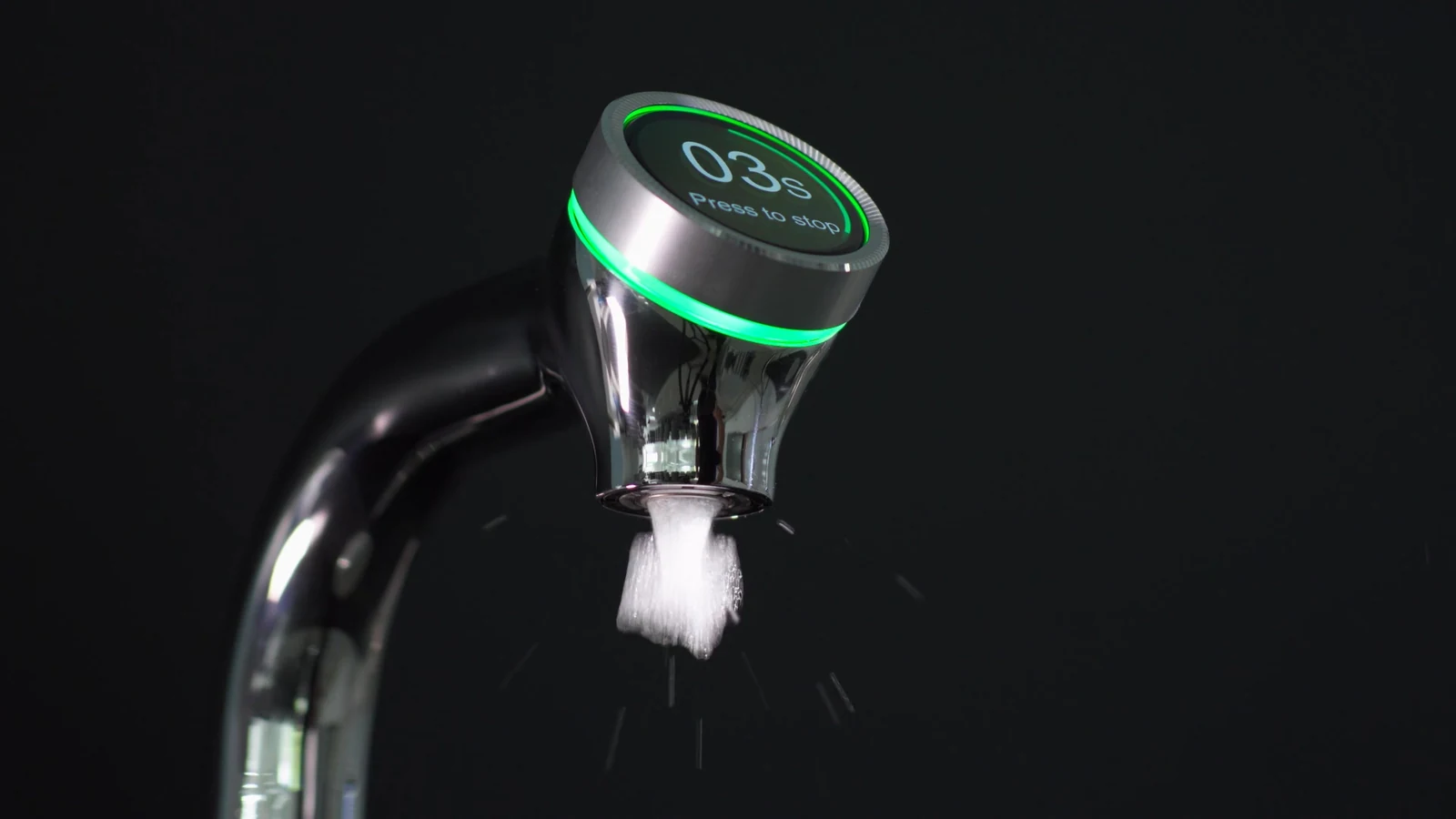
What Happens When You Select Sparkling
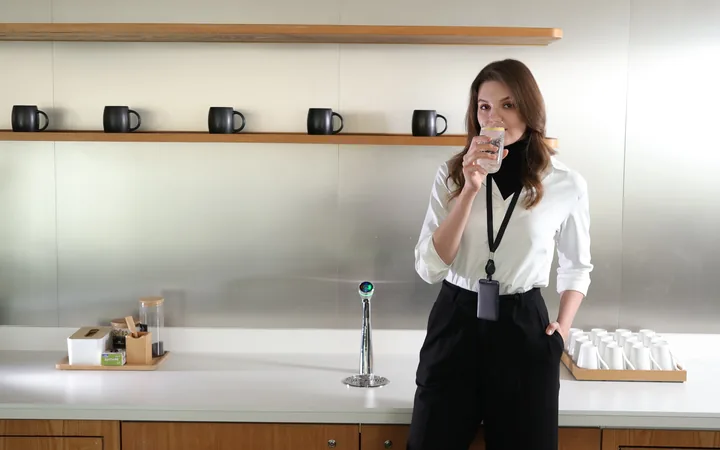
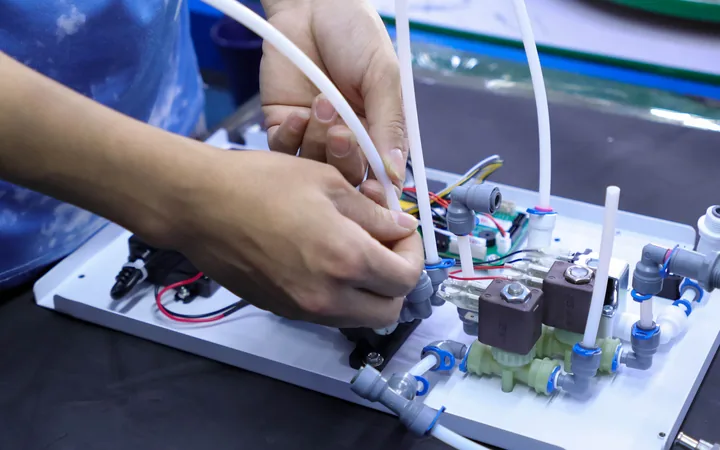
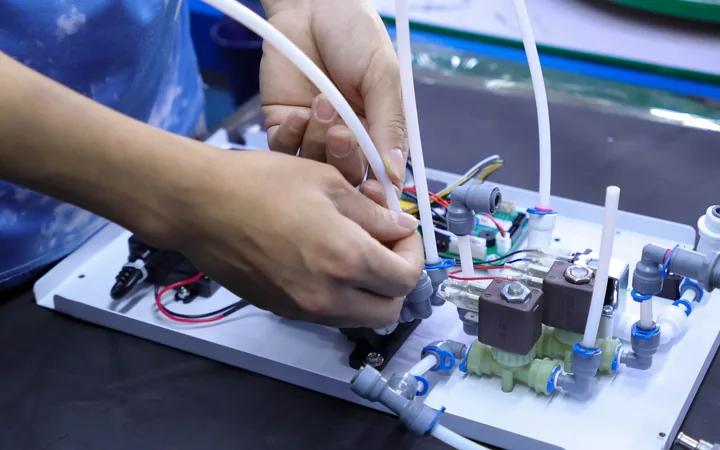
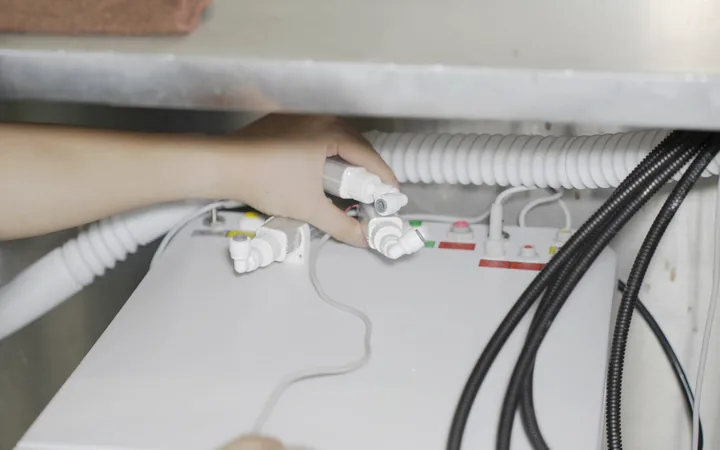
The chilled, sparkling, hot and ambient settings on a four-in-one tap are four ways of serving water. On Bestware’s G1DS-110 the tap shows a separate setting for each. The installation manual also shows the water connections and a CO₂ inlet. When you select sparkling, the supply gas has already met water under pressure in the machine. Some of it has dissolved into the water, ready for the pour.
That sequence gives you three places to look when the glass seems different. Start with the water entering the unit, check its cooling and carbonation, then watch what happens when it reaches the open glass. A useful service log keeps outlet temperature, pour size and the elapsed time in the glass.
Why the Water Is Chilled Before It Is Served
In water at equilibrium, more CO₂ can dissolve when the partial pressure of CO₂ above the water is higher. Keeping that gas pressure the same, colder water can hold more. The NIST data describes the temperature dependence in water. How fast the machine approaches equilibrium also depends on gas–liquid contact and the time it has to work. If a warmer inlet still comes out at the same temperature with the same CO₂ supply conditions, treat the inlet change as a different cooling load. Check the served sample to compare dissolved CO₂. If the outlet warms during a run of orders, record that rise before making any adjustment.
Read the gas regulator for the supply condition. The concentration comes from a water sample. Water inlet and CO₂ supply have their own limits in the G1DS-110 specifications. Start with the manual for the actual model when you have to check those connections. For a quantity of dissolved CO₂, take a sample using the agreed measurement method.
Why Two Glasses Can Look Different
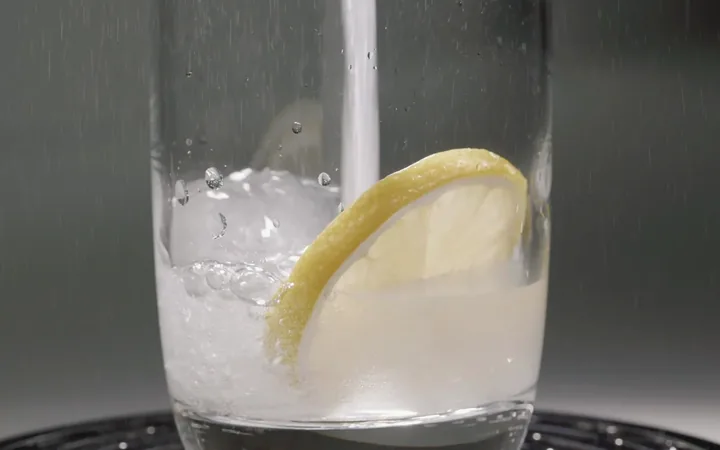
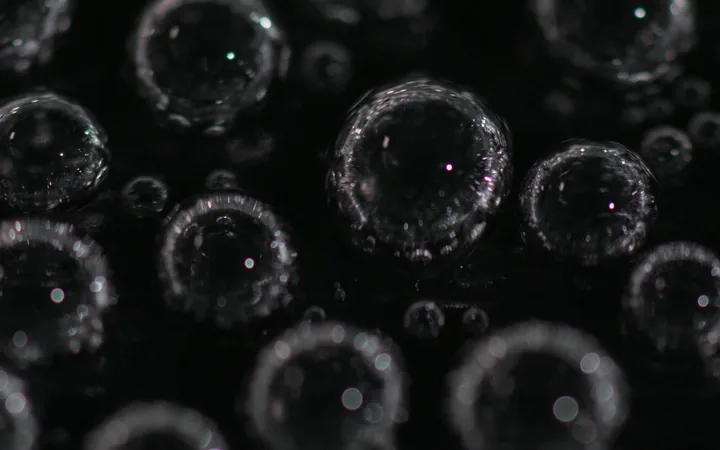
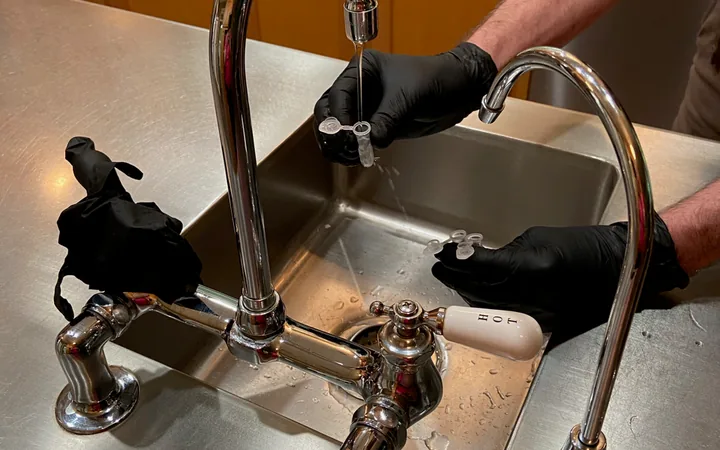
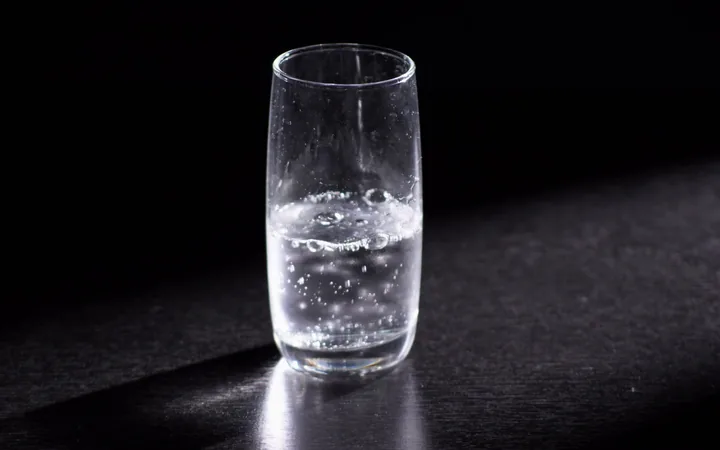
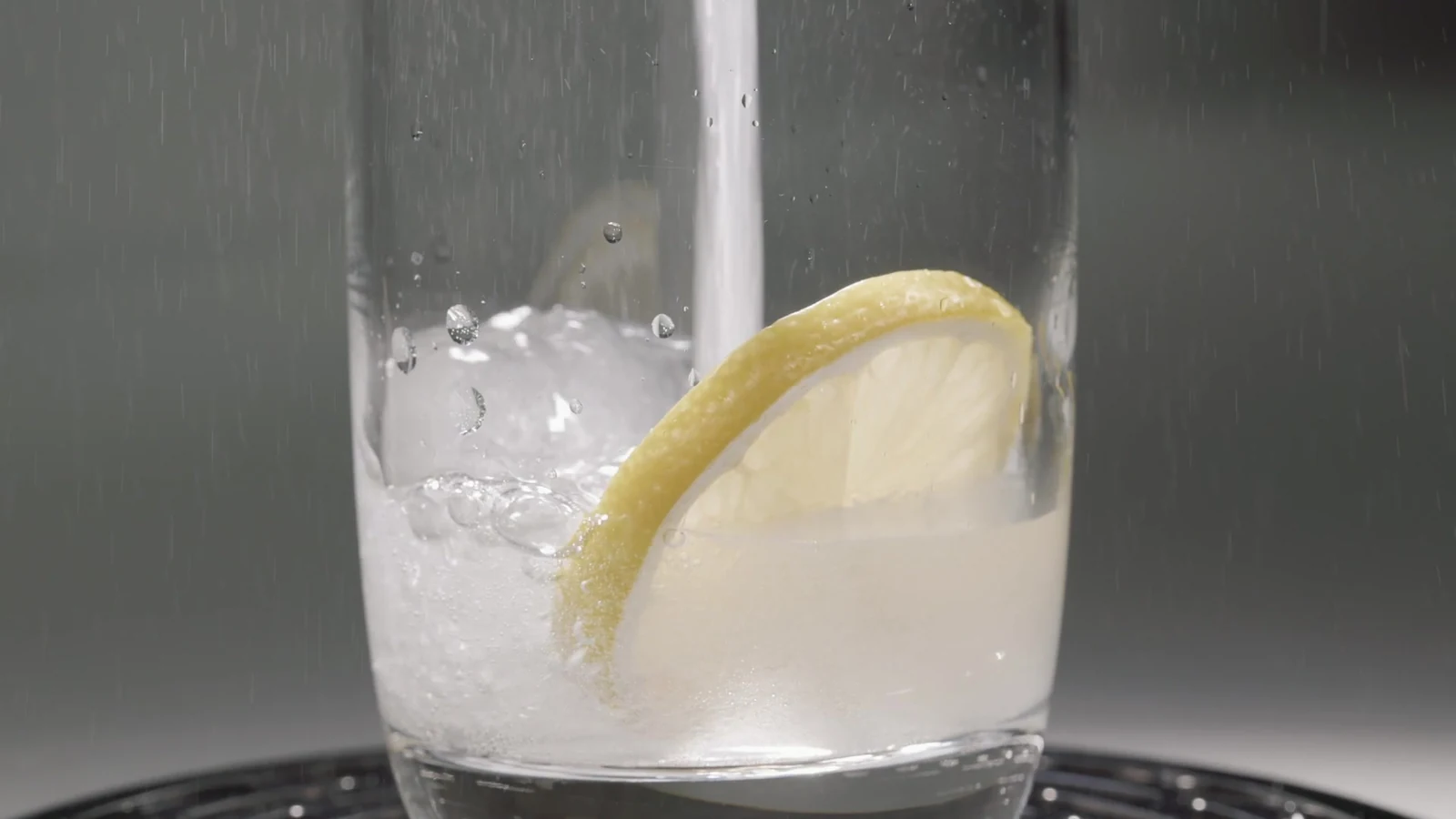
When water leaves the pressurized system, dissolved gas starts to escape. A small gas pocket on the glass can give successive bubbles a place to grow. In a laboratory study by Lee and colleagues, the researchers poured equal amounts of carbonated liquid into untreated cups and cups with deliberately changed surfaces. The cups released gas and overflowed differently. To establish the concentration in a glass that looks livelier, use a dissolved-CO₂ measurement.
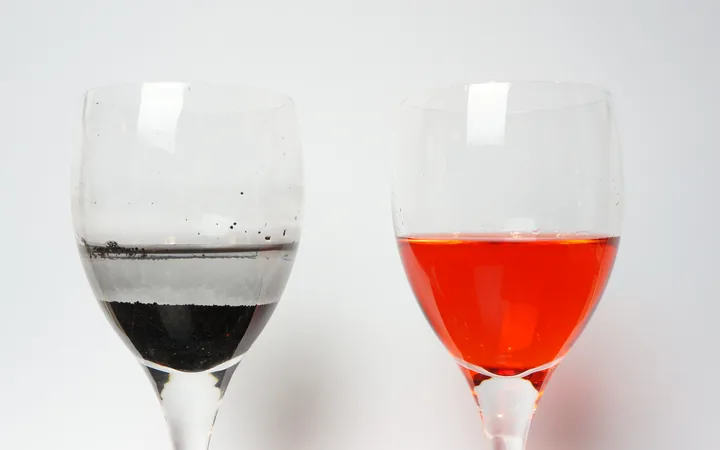
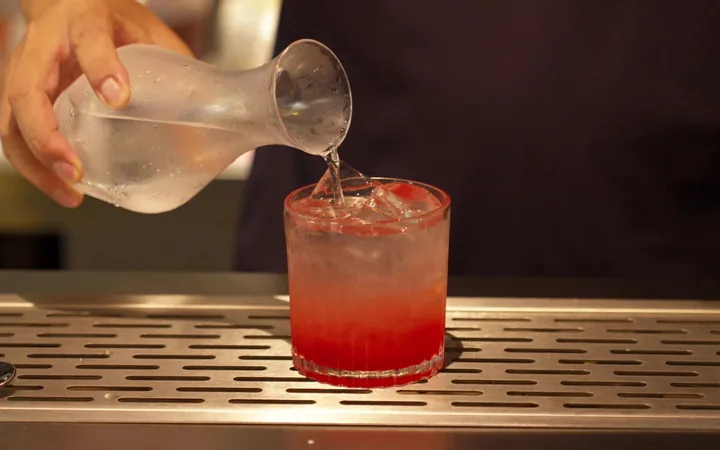
For a side-by-side check at a café, use matching clean glasses and pour the same amount. Keep ice out of the comparison or use the same ice and timing on both sides. Record when you read the glass. Those choices make the observations below easier to compare.
| Observation | How to Read It |
|---|---|
| Bubbles repeatedly rise from one point on the glass | A surface gas pocket can act as a recurring nucleation site. |
| The drink fizzes more during the pour | Pressure change and agitation encourage gas release at that moment. |
| A later tasting feels less lively | Elapsed time and temperature are part of the comparison, alongside the original carbonation. |
Read the Three Ratings in Their Own Units
Bestware lists 3 vol for carbonation on the G1DS-110. One vol is one gas volume, at reference conditions, per volume of drink. The University of Florida guide uses 1.96 g/L for each vol, so 3 × 1.96 is 5.88 g/L, roughly 5.9 g/L. That is a conversion of the published rating under the reference convention. Measuring a served sample is a separate job.
The specification also lists 1.5 L/min as the maximum sparkling pour rate and 20 L/h as chilling capacity. The “Water Production Capacity” section lists 20 L/h of sparkling water at ≤10°C. A separate “Water Output” summary writes the temperature as <10°C. If 10°C matters to your purchase, agree on the rating conditions and check a run of pours at the counter. The adjustable chilled-water range in the table is the control setting.
| Parameter | Published Value | What It Describes |
|---|---|---|
| Dissolved CO₂ | 3 vol | Carbonation level; a concentration rather than a flow rate. |
| Sparkling-water flow | Maximum 1.5 L/min | The maximum listed dispensing rate. |
| Chilling capacity | 20 L/h | The listed hourly chilling capacity; the feature description specifies water below 10°C. |
| Chilled-water setting | 0–8°C | The adjustable range for the chilled-water setting. |
Time Six Glasses Before Promising a Rush Order
Suppose the next order is six glasses of 200 mL, or 1.2 L. At a constant 1.5 L/min, allowing only for water flowing, that takes 48 seconds. At the counter, record the elapsed time from the first pour to the last, including glass changes. Measure the first and sixth water temperature in the same way, and note if the unit has just been idle. If the buyer has a dissolved-CO₂ target, agree on sampling and measure both glasses with the same method.
Sources for This Edition
- Bestware · G1DS-110 published product specifications · Tap function, all-in-one unit specifications, and Water Production Capacity. Nominal concentration, maximum flow and hourly capacity are distinct fields. Accessed November 25, 2026.
- Bestware · G1DS-110 / G1DS-1010 installation manual v1.1 · Physical PDF page 3, four dispensing modes. Pages 13 and 17, connections and CO₂ inlet. Page 15 identifies startup conditions specific to this manual.
- NIST Chemistry WebBook · Carbon dioxide Henry’s law data in water · Henry’s Law data table. Temperature dependence and solubility for water. Used to distinguish equilibrium CO₂ partial pressure from a separate machine supply gauge.
- UF/IFAS · A guide to carbonating beverages at small scale · Revised January 2024. Carbonation overview, 1 vol/vol = 1.96 g/L conversion footnote and forced carbonation explanation. A general beverage guide, not model commissioning instructions.
- Lee et al. · Exponential promotion and suppression of bubble nucleation in carbonated liquid · Applied Surface Science 512 (2020), 145709, DOI 10.1016/j.apsusc.2020.145709. Authors' repository abstract: equal amounts poured into bare and deliberately treated cups; overflow and generated gas were compared.
- Hong Kong Observatory · Bubbles in a soft drink · Why Bubbles Form section. Carbon dioxide leaves the liquid and gas pockets at surfaces can seed bubbles.
- Bestware Wiki · Measuring dissolved carbon dioxide · A path for collecting a comparable dissolved-CO₂ measurement.
- Bestware Wiki · Size water equipment for peak demand · Estimate the order window and profile separately from dispensing speed.
- Bestware · G1DS-110 model information · Check the model and its individual operating specifications.
- Bestware · G1DS-110 project inquiry · Preserve the existing model context in the project form.
Continue With These Decisions
- How to Check the CO₂ in Sparkling Water Before You Sign Off
Compare two dissolved-CO₂ readings
- G1DS-110
Check the specification and installation documents for G1DS-110.