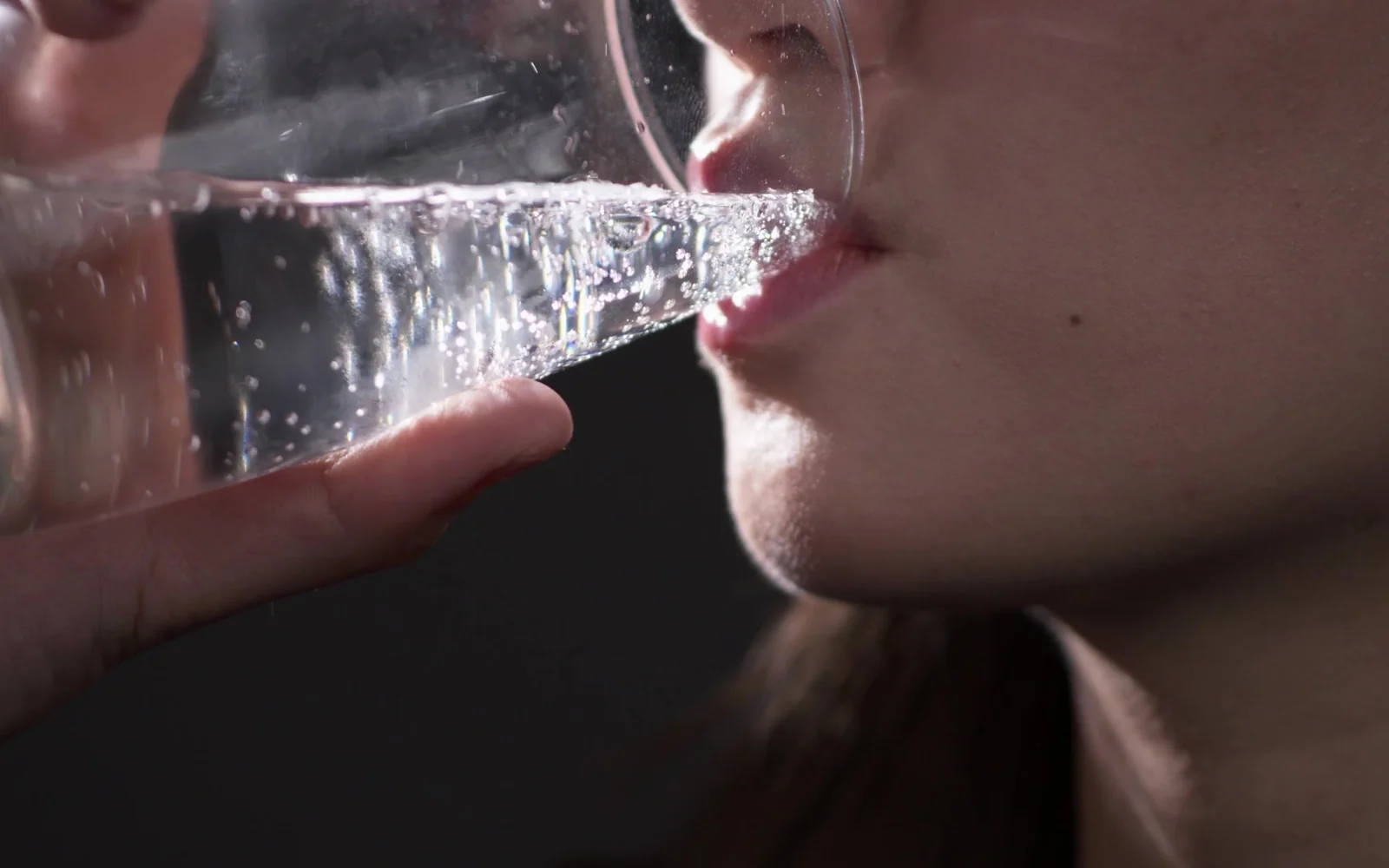
At Lunch, Decide What You Want in the Glass
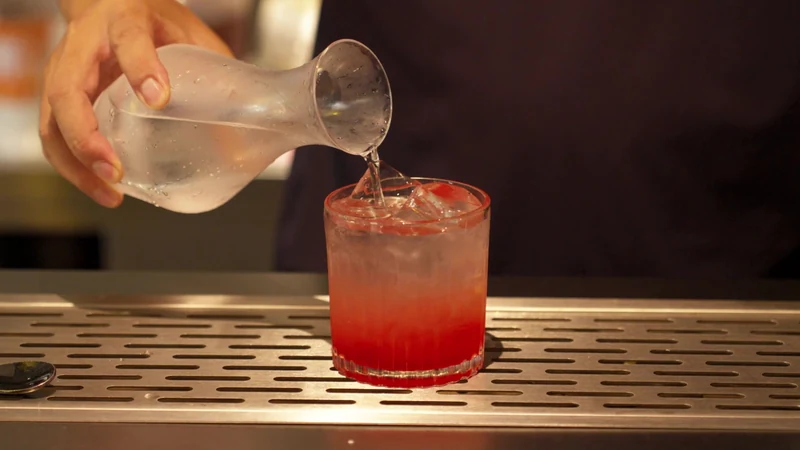
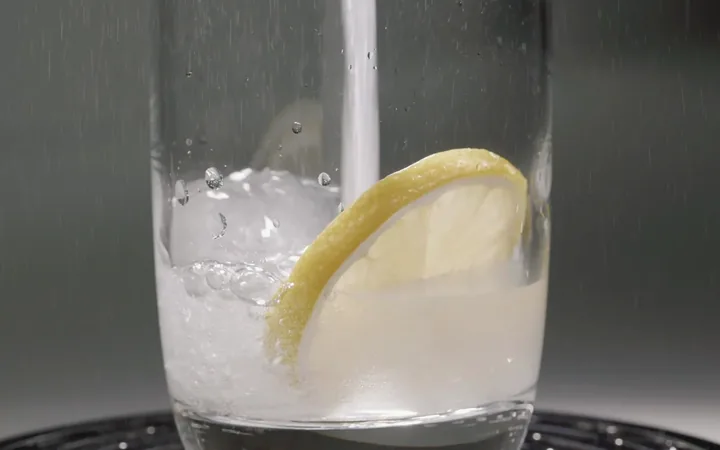
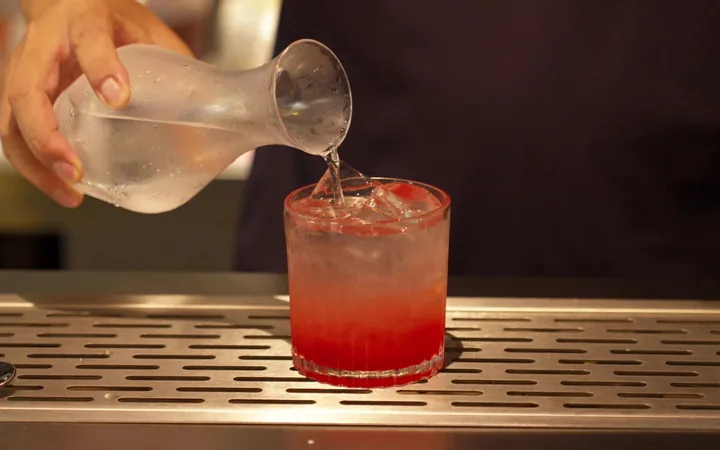
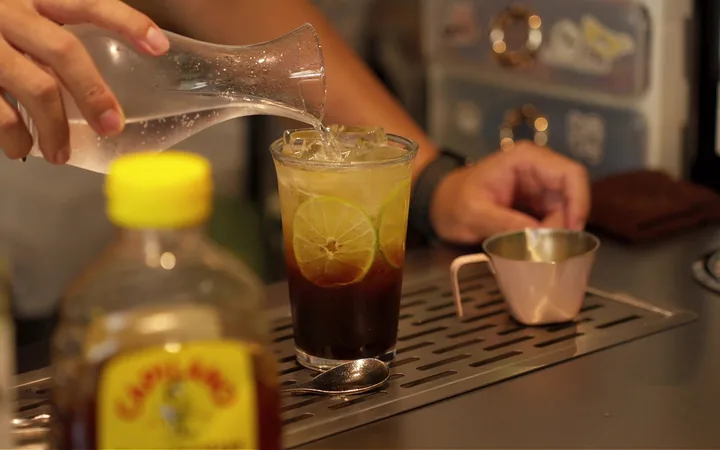
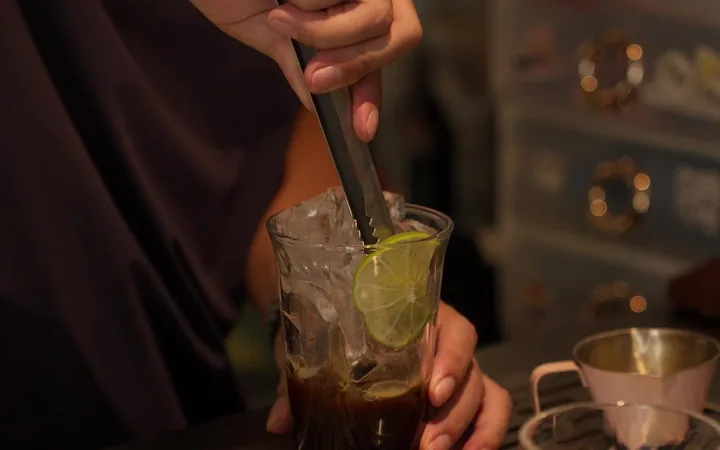
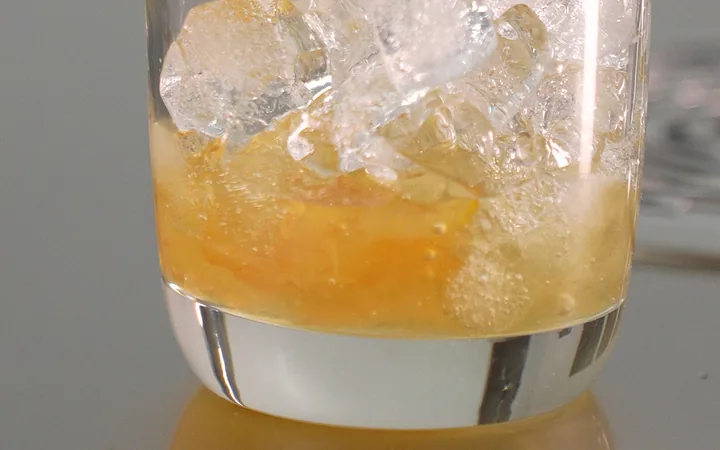
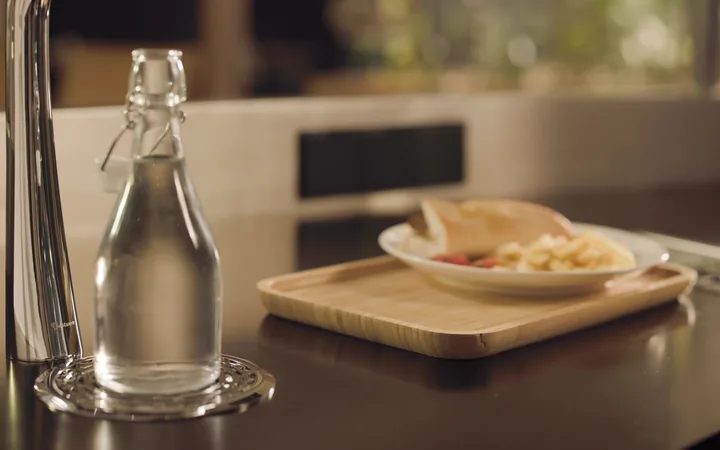
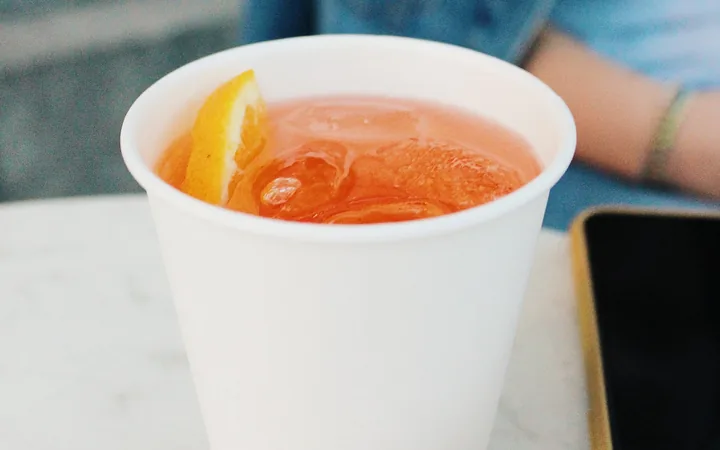
If you want the bite of bubbles and nothing sweet, plain sparkling water is a straightforward choice. Ask for it unflavored if a café lists several kinds. If you like a slice of lemon, ask for it on the side so you can taste the water first. A house citrus soda made with syrup is a different order, even when the server starts with the same sparkling water.
Serving temperature can be enough to change what you prefer. Try two unopened cans of the same plain water, one chilled and one closer to room temperature. Open them together and pour the same amount into matching glasses. That gives you a useful comparison of two ways to serve the drink you already buy.
Turn the Can Around
Two 330 mL cans make a useful shelf comparison. In the UK, S.Pellegrino lists 0.0 g sugars per can for its Essenza Tangerine & Wild Strawberry and lists mineral water, carbon dioxide and natural flavorings as ingredients. The brand’s Aranciata can for the UK and Ireland lists 14.5 g sugars. It contains orange juice from concentrate, sugar and a sweetener. Both fizz and both taste of fruit. Their ingredient lists tell you how each got there.
Use the numbers on the pack you are actually buying. On a U.S. Nutrition Facts panel, Total Sugars already includes Added Sugars. If a label gives 7 g total sugars per serving and there are two servings in the bottle, finishing it means 14 g total sugars in this example. A flavored water can report no sugar. If you also want to avoid sweeteners, read the ingredient list for those separately.
Check what seltzer, club soda and tonic contain
- Serving Amount
- Check the volume per serving and the number of servings in the container before comparing calories or sugars.
- Total and Added Sugars
- On the U.S. label, added sugars are included within total sugars. Do not add those two numbers together.
- Other Ingredients
- Check sweeteners, caffeine and any ingredients you want to identify. “Sugar-free” does not mean that a drink contains no sweetener.
This explains U.S. label terms. Label formats differ between markets; use the information supplied for the drink you are choosing.[1][3][4]
What Happened in the Four-Hour Trial?
In the study by Ronald Maughan and colleagues, 72 healthy, physically active men aged 18 to 35 completed the trial. Each tested still water and three other drinks on separate visits. The 17 sparkling-water observations were compared with still-water visits from those same participants. They started adequately hydrated and fasted, drank 1 L over 30 minutes and then provided urine samples through four hours.
At four hours, the researchers found no statistically significant difference in cumulative urine output between the two study waters. The paper also used a beverage hydration index, or BHI, with two hours as its main comparison. The result describes two specific products under this short protocol. The study volume was set by the researchers, and the measurement was urine output rather than what people usually choose or drink with a meal.
| Reported Property | Still Water | Sparkling Water |
|---|---|---|
| Water Content (%) | 100 | 100 |
| Energy (kcal/L) | 0 | 0 |
| Carbohydrate (g/100 mL) | 0 | 0 |
| Sodium (mmol/L) | 0 | 1 |
| Caffeine (mg/L) | 0 | 0 |
Source: original paper, p. 719, Table 2. Water content, energy and carbohydrate came from drink labels; sodium and caffeine were analyzed in-house. These are the study products, not specifications for all waters.[5]
What Happened During Each Visit
- 0 hEnd of drinking; urine collection
- 1 hHourly collection
- 2 hCollection; main BHI comparison
- 3 hHourly collection
- 4 hFinal collection
Redrawn from the methods on pp. 718–719: drinking was followed by four hours of collection. The time line shows the protocol, not a measured response curve or a recommended drinking schedule.[5]
Keep the Refill as Clear as the First Order
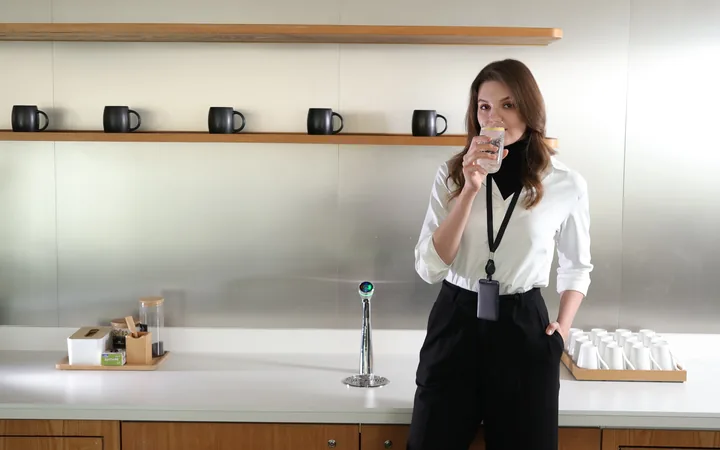
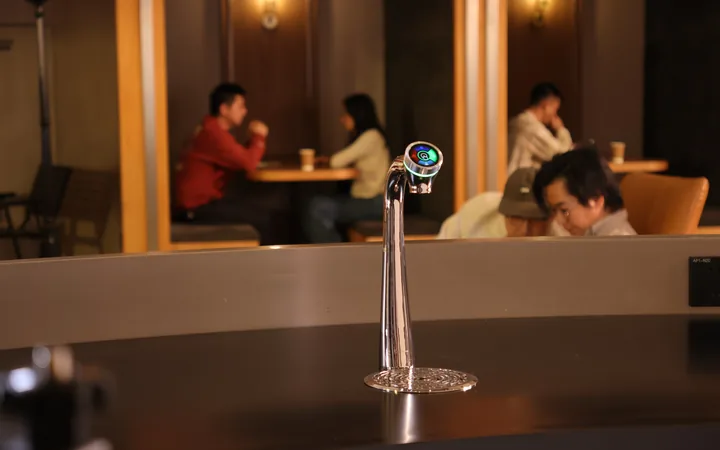
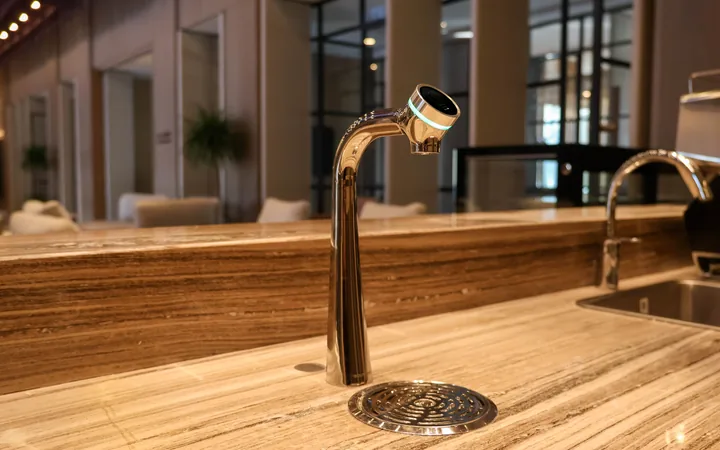
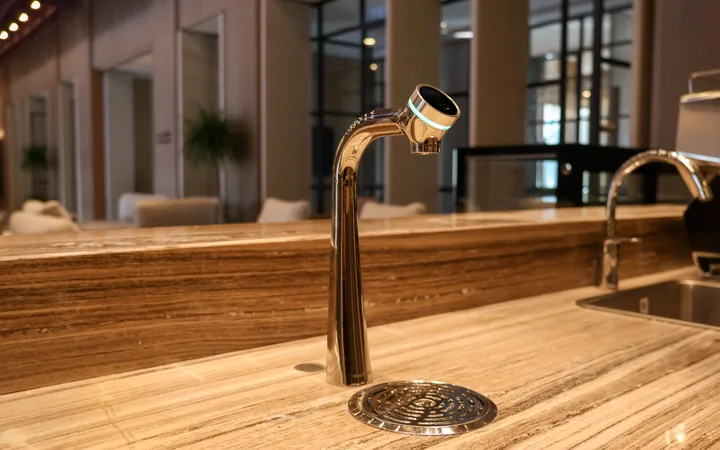
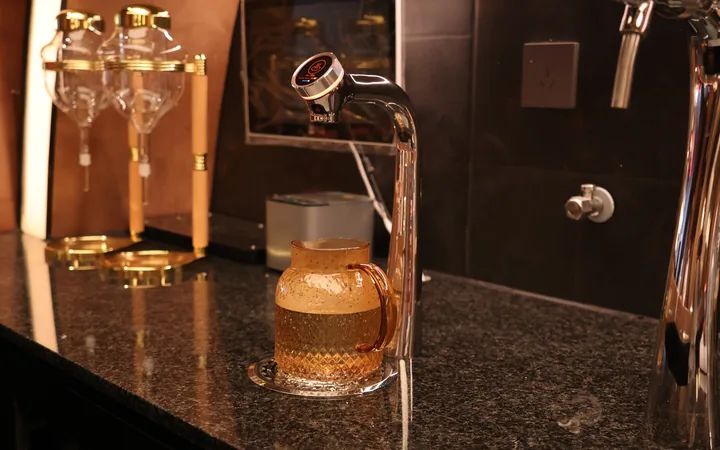
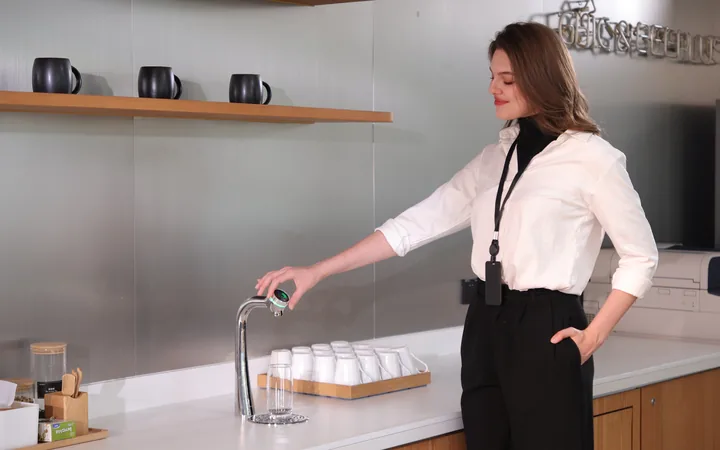
For a café, write “plain sparkling water” beside the refill option if that is what comes out of the tap. If a different button or jug delivers a finished drink, put the name of that drink where staff refill it. In a small service example, a guest can order plain sparkling at lunch, accept another glass later and get the same drink without having to repeat the original request.
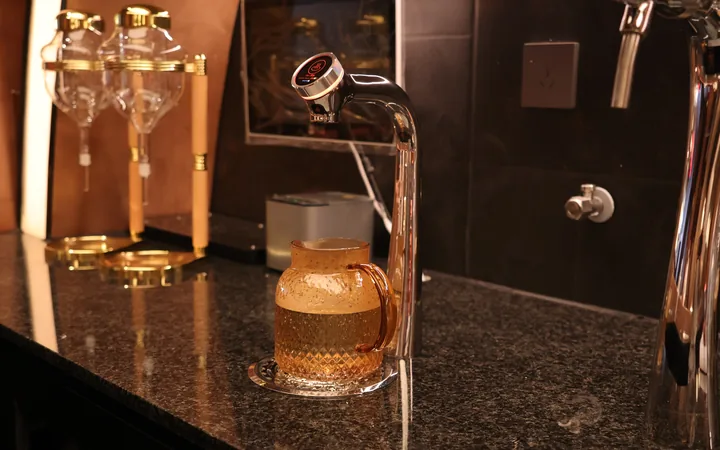
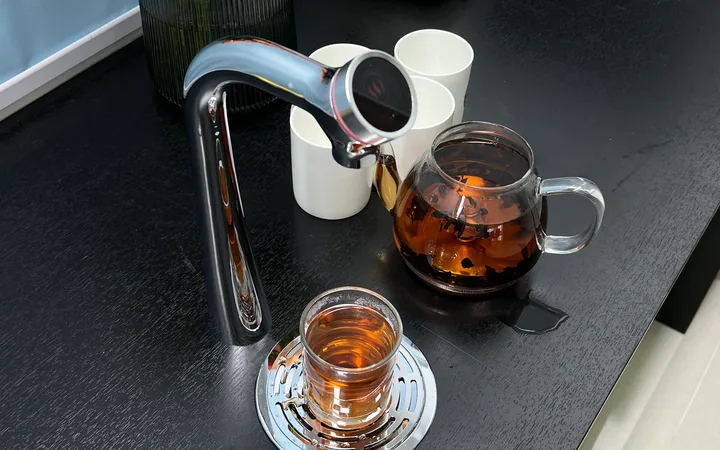
Bestware’s G1DS-110 diagram gives staff a concrete way to identify the plain sparkling water route on that model. For a home fridge or a counter, the same labeling habit works. Keep the unsweetened water easy to find and keep the flavored or sweetened options identifiable before the container is opened.
See the drinking-water and CO₂ path on the G1DS-110
Sources for This Edition
- CDC · About Water and Healthier Drinks · Drink choices and plain sparkling water as an unsweetened option.
- NHS · Water, drinks and hydration · Ways to get enough fluid and choices when the taste of plain water is unappealing.
- FDA · How to Understand and Use the Nutrition Facts Label · The Serving Size section. Compare servings per container and amount per serving on the U.S. panel.
- FDA · Added Sugars on the Nutrition Facts Label · Total Sugars and Added Sugars. The added amount is already included in the total on a U.S. panel.
- Ronald J. Maughan et al. · American Journal of Clinical Nutrition 103 (2016), 717–723 · DOI 10.3945/ajcn.115.114769. Abstract p. 717, participants/drinks p. 718, Table 2 and paired analysis p. 719, results and Figure 1 p. 720. The sparkling-water comparison had 17 observations.
- Health Canada · Make water your drink of choice · Tips for access to water and adding fruit or herbs for flavor.
- S.Pellegrino · Essenza Tangerine & Wild Strawberry, UK 330 mL can · Product ingredients and Nutrition Information, “of which sugars” per can. Mineral water, carbon dioxide and natural flavorings. Declared sugars 0.0 g.
- Sanpellegrino · Aranciata, UK and Ireland 330 mL can · First product block on the UK page, 330 mL can. Orange juice from concentrate 16%, sugar and steviol glycosides, sugars declared 14.5 g per can. Separate 200 mL glass format has its own formula.
- Bestware · Illustrated counter and label decisions · Hypothetical orders, staff wording and arithmetic examples in each language. No survey, field test or commercial result claimed.
- Bestware · Sparkling Water, Seltzer, Club Soda and Tonic · Compare mixer names against what the product contains.
- Bestware · Why the Same Water Tastes Different When It’s Cold or Fizzy · Use the matching two-cup comparison to separate serving temperature and fizz from preference.
- Bestware · How a Four-in-One Dispenser Makes Sparkling Water · See where CO₂ enters the drinking-water path on the documented Bestware G1DS-110.
- CDC · About Water and Healthier Drinks · Drink choices and plain sparkling water as an unsweetened option.
- FDA · How to Understand and Use the Nutrition Facts Label · The Serving Size section. Compare servings per container and amount per serving on the U.S. panel.
- FDA · Added Sugars on the Nutrition Facts Label · Total Sugars and Added Sugars. The added amount is already included in the total on a U.S. panel.
- Ronald J. Maughan et al. · American Journal of Clinical Nutrition 103 (2016), 717–723 · DOI 10.3945/ajcn.115.114769. Abstract p. 717, participants/drinks p. 718, Table 2 and paired analysis p. 719, results and Figure 1 p. 720. The sparkling-water comparison had 17 observations.
Continue With These Decisions
- Why the Same Water Tastes Different When It’s Cold or Fizzy
Try the two-glass comparison for temperature and fizz
- Sparkling Water, Seltzer, Club Soda and Tonic
Check what seltzer, club soda and tonic contain
- How a Four-in-One Dispenser Makes Sparkling Water
See the drinking-water and CO₂ path on the G1DS-110