The Cap Matters Between Pours
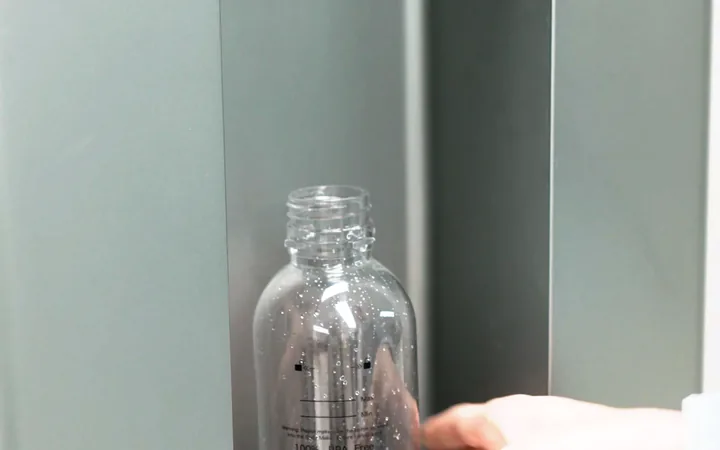
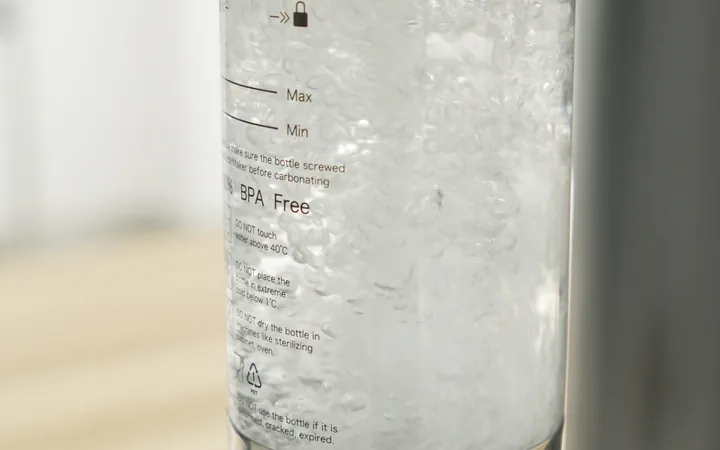
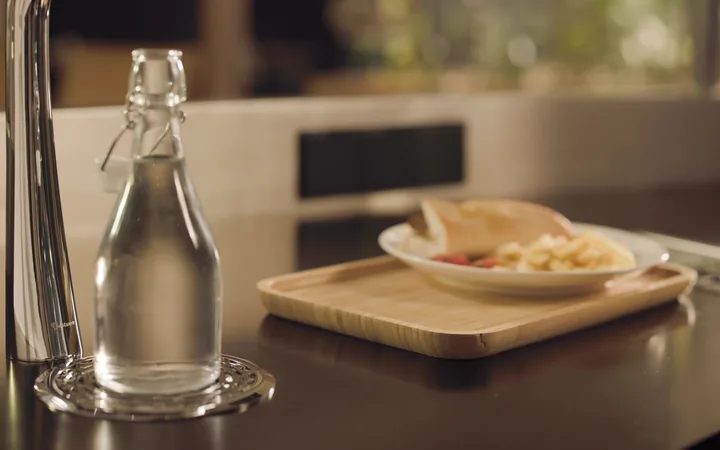
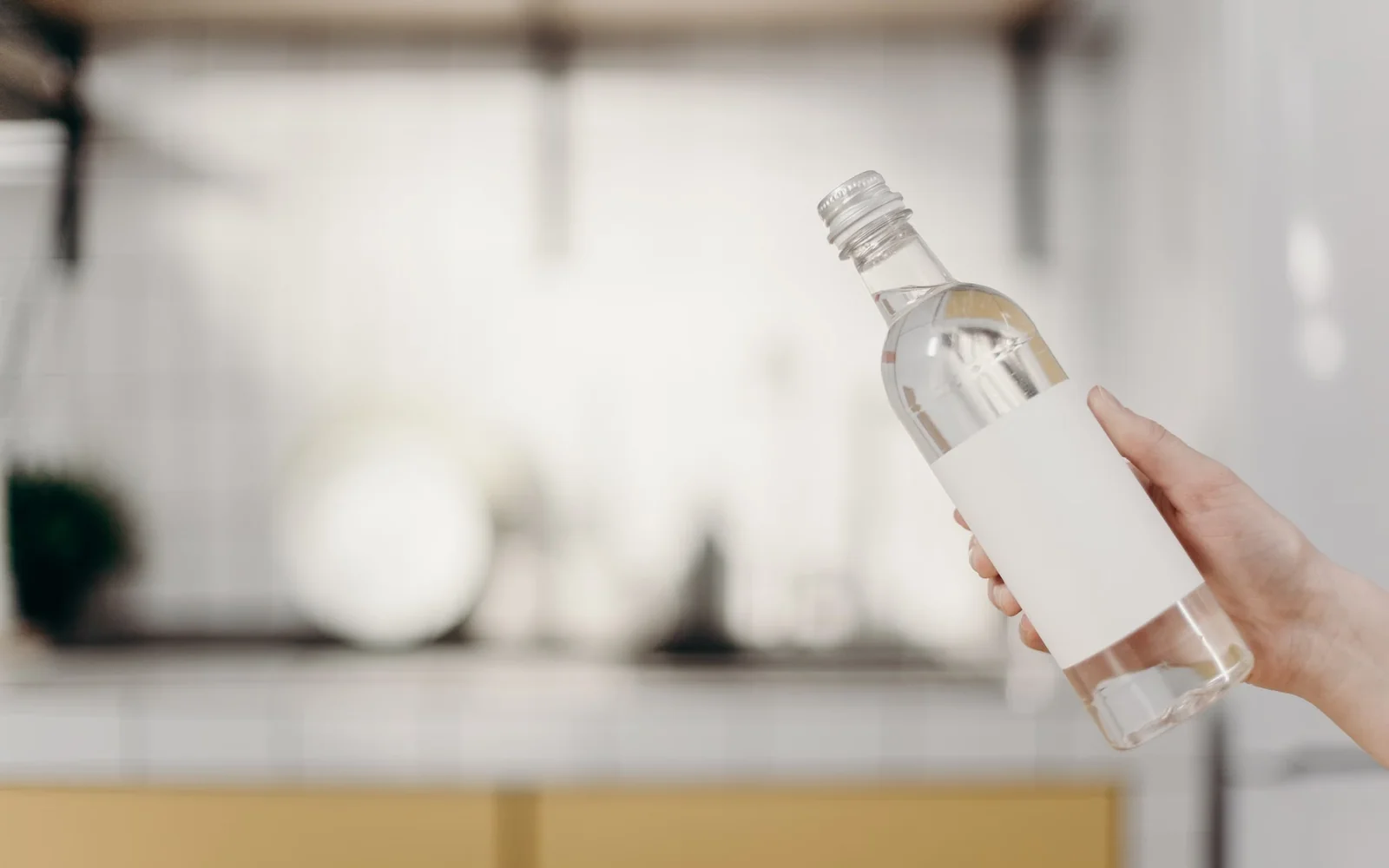
Pour what you need from a cold bottle, put its clean cap back on, and return it to the refrigerator. The hiss when you reopen it is gas escaping from the headspace, the space between the water and the cap. A fresh hiss tells you some gas accumulated there. It gives you no reading of how much CO₂ is still dissolved in the water.
As you empty a rigid bottle, you leave a larger space above the water. Put the cap back on and some dissolved CO₂ can move into that space until gas and water settle into a new balance. Each opening vents part of that gas again. A jug left open remains in contact with the air throughout service, even inside the refrigerator.
Graham A. Skinner at the University of Strathclyde measured headspace pressure at several fill levels for a carbonated lemonade. The reading was highest for a full bottle, lower at two-thirds and lowest at one-third under the lab’s conditions. That is a measured example of what changes with fill level. The lab used an instrumented setup and observed pressure, while your serving decision depends on the finished water at the table.
Open
CO₂ escapes from above the water. Dissolved gas can then leave the liquid.
Pour
Some water leaves too. In the same rigid bottle, the headspace is now larger.
Close Again
Gas redistributes between water and headspace. The cap contains what remains; it does not replace gas already lost.
Why a Half-Empty Bottle Is Different
At the same temperature and CO₂ partial pressure, a larger gas space requires more CO₂ in the gas phase. After pouring and resealing, some of that gas can come from the remaining water. Repeated opening vents the headspace again, so an opening count and the amount left help explain more than a storage date alone.[1]
Keep the Bottle Cold Before and After Opening
CO₂ is more soluble in colder water at the same CO₂ partial pressure. The illustration below uses water at 25 °C as the reference. At 5 °C the calculated equilibrium solubility is 1.78 times that at 25 °C, under the same partial pressure. A bottle on the counter changes temperature while it is also losing gas through the opening. This calculation holds pressure fixed so you can see the effect of temperature alone.
When two bottles taste different, check the conditions when you poured them. A bottle fresh from the fridge and another that has spent the lunch service on the counter may differ in temperature, remaining water and how often the cap came off. If you want to see what the cap or smaller pack does, compare both water samples at the same serving temperature.
Temperature Changes the Balance
Relative Equilibrium Solubility
25 °C = 1.00 · Same CO₂ partial pressure
| Water Temperature | Relative Solubility |
|---|---|
| 5 °C | 1.78 |
| 15 °C | 1.32 |
| 25 °C | 1.00 |
Compare Temperatures
Calculation and Source
T is water temperature in kelvin. Normalizing at 25 °C cancels the reference constant. The calculation compares equilibrium states at fixed CO₂ partial pressure; it does not predict a bottle’s loss rate.[3]
Choose a Bottle You Can Finish During Service
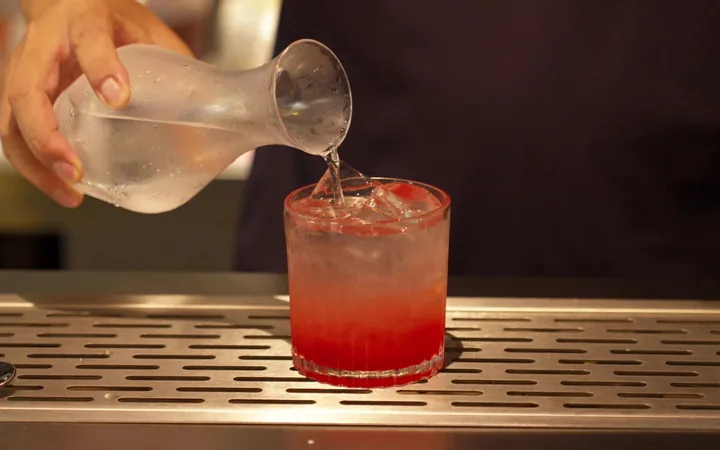
In a published interview, bartender Masahiro Urushido described the small bottles of chilled club soda he prefers for a highball at home. At a busy table, a larger bottle may be finished almost as soon as it is opened. When orders trickle in, keep the next small bottle unopened and take it out when the first is nearly gone.
Say you need six 200 mL glasses, a total of 1.2 L, over several short breaks. If the same water comes in both formats, compare one 1.2 L bottle first opened at the start of service with three 400 mL bottles, opening the next one as needed. Keep each open bottle capped and cold between pours. Record the remaining water just before the last pour, and the temperature and time open when you serve it. Taste that last pour alongside a fresh sample at the usual serving temperature and delay. Use the result to choose a pack size and opening schedule for your service.
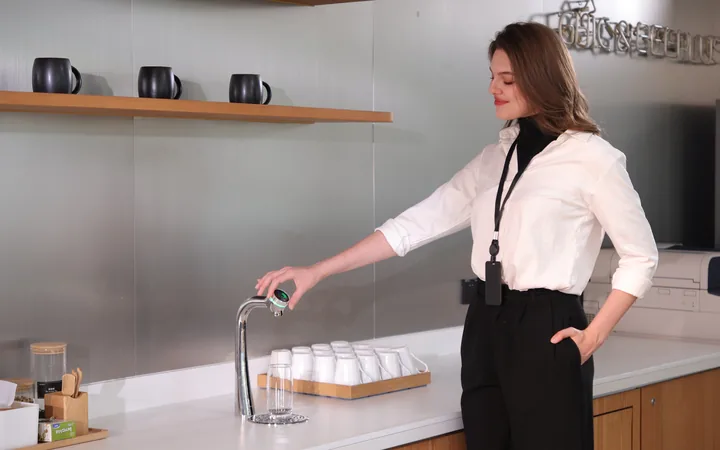
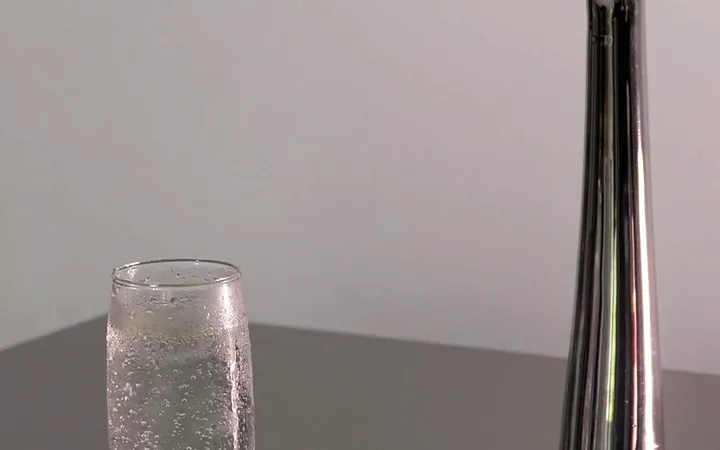
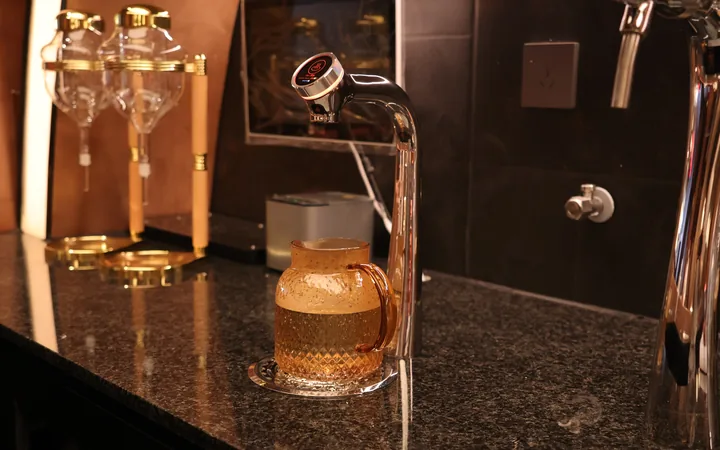
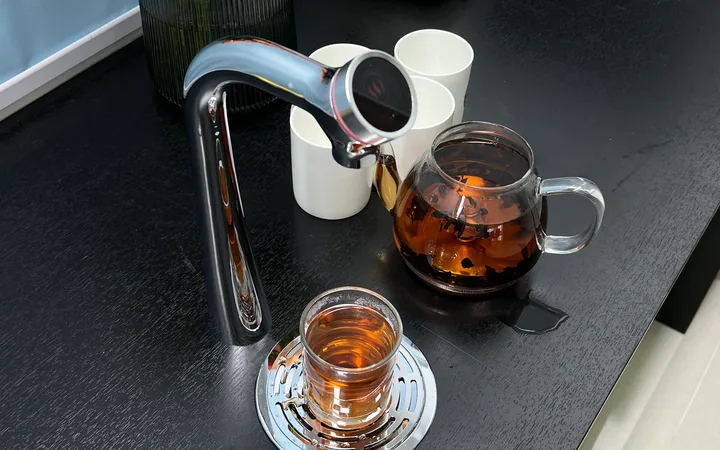
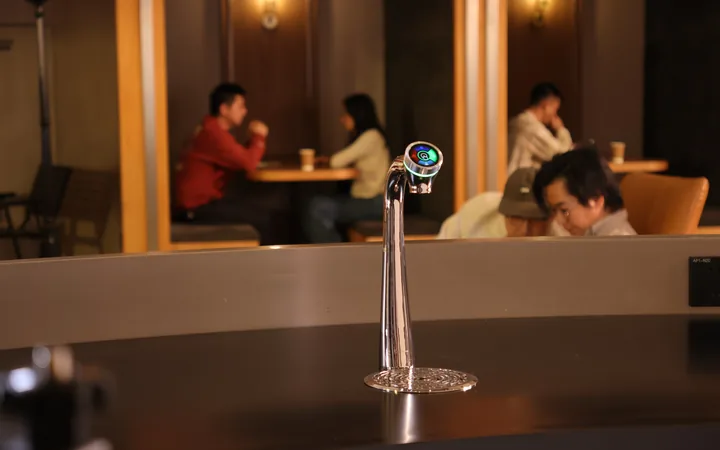
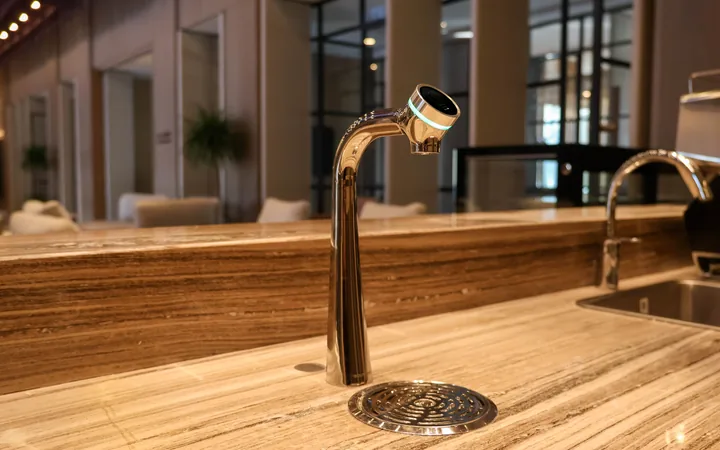
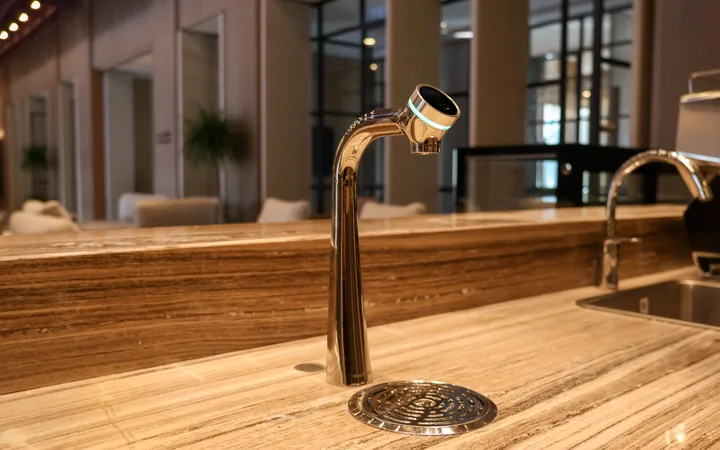
If the venue uses a Bestware G1DS-110, its manual identifies a sparkling-water option at the tap. A fresh pour from that installed tap can be your reference for a carafe filled from the same tap ahead of service. Keep the actual vessel and lid in the test. A bottle intended for table service should go into a carbonator only when the equipment instructions specify that vessel.
Check which liquids and containers your carbonator permits
| Service Pattern | What Changes | Useful Adjustment |
|---|---|---|
| Open table carafe | Continuous exposure to room air; water may warm during service. | Fill close to serving time and match the amount to the table’s needs. |
| One bottle, repeated pours | The gas space grows as water leaves; each reopening vents it again. | Close between pours, keep cold and compare a smaller batch under the same service conditions. |
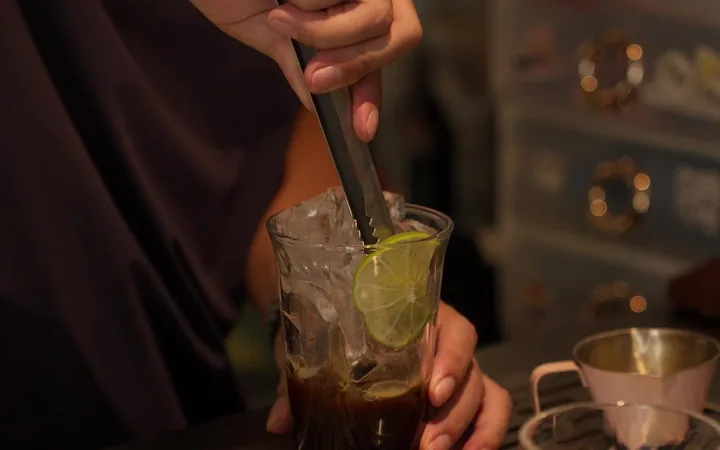
| Dispense near the point of use | Less time is spent holding a filled serving vessel. | Check the last glass after the expected delay, including the actual glass and any ice. |
Operational comparison derived from the conditions above, not measured shelf-life or equipment performance.
Keep the Handling Rules With the Bottle
Health Canada advises putting leftover bottled water in the fridge and keeping the top and cap clean. Its guidance for single-use bottles also says to avoid sharing or refilling them. For shared table service, pour into a clean glass and keep the bottle or carafe covered when it is back in the service area.
Give a reusable container its own cleaning routine and follow the instructions for its closure. After a guest has drunk directly from a bottle, keep it out of shared service. At close, follow the product directions and the venue’s handling rules for leftovers. Fizz is a sensory check, and the handling record tells you whether the water can return to service.
Sources for This Edition
- University of Calgary · Chemistry Textbook, Equilibrium and Soft Drinks · Shifting Equilibria, Soft Drinks feature box. Lower CO₂ partial pressure after the container opens alters the gas–liquid equilibrium.
- OpenStax · Chemistry 2e, 11.3 Solubility · Section 11.3, gas solubility and Henry’s Law. Concentration at equilibrium depends on the gas partial pressure and temperature.
- Rolf Sander · Compilation of Henry’s Law Constants (Version 5.0.0), 2023 · Equation (5), printed p. 10904, and Table A3.1, printed p. 11190, CO₂ row credited to Weiss (1974). H = 3.4 × 10⁻⁴ mol/(m³·Pa) at 298.15 K with a 2400 K temperature parameter. The chart compares equilibria at fixed CO₂ partial pressure.
- Graham A. Skinner · Development of Novel Optical Sensors, University of Strathclyde, 2011 · Section 4.4.3, physical PDF pp. 144–145 (printed pp. 124–125), Figure 4.17 and Table 4.4. The latter reports lower bottle-headspace pressure with less lemonade remaining under the lab’s conditions. Figure 4.17 is a separate re-sealing time trace.
- Kevin Sintumuang · Thank God, the Highball Is Making a Comeback, Esquire · Dec. 26, 2018, published interview with bartender Masahiro Urushido. In his at-home method, he prefers small bottles of cold club soda. It describes a serving choice rather than a blinded comparison.
- Health Canada · Frequently Asked Questions About Bottled Water · Questions 19 and 22. Cool, clean storage out of direct sunlight, refrigerating leftovers and keeping the top and closure clean. Q22 separately advises against refilling single-use bottles and sharing them.
- U.S. CDC · Safe Water Storage · Apr. 22, 2024, At a Glance and Choosing a Safe Water Storage Container. Covered containers, clean handling and protection of water from recontamination. Its general storage guidance is separate from carbonation.
- Bestware · G1DS-110 / G1DS-1010 Installation Manual, V1.1 · PDF p. 3, printed pp. 01–02, Dispenser Tap Operation Instructions. Sparkling water is one outlet mode. No holding time, bottling certification or opened-package retention is claimed.
- Bestware Editorial · Illustrative Bottle-Size Service Trial · A six-person example. At 200 mL per serving, 1.2 L is the scheduled total. Compare one appropriate 1.2 L package with three of 400 mL under an actual schedule if comparable products are available. No demonstrated holding limit, quality winner or equipment output.
- Bestware Wiki · Which Liquids Can Go in a Soda Maker? · Check the actual vessel and liquid the machine instructions permit.
- Bestware Wiki · Surface Cleaning and Internal Sanitation · Check vessel handling and the separate dispenser water-path cleaning record.
- University of Calgary · Chemistry Textbook, Equilibrium and Soft Drinks · Shifting Equilibria, Soft Drinks feature box. Lower CO₂ partial pressure after the container opens alters the gas–liquid equilibrium.
- OpenStax · Chemistry 2e, 11.3 Solubility · Section 11.3, gas solubility and Henry’s Law. Concentration at equilibrium depends on the gas partial pressure and temperature.
- Rolf Sander · Compilation of Henry’s Law Constants (Version 5.0.0), 2023 · Equation (5), printed p. 10904, and Table A3.1, printed p. 11190, CO₂ row credited to Weiss (1974). H = 3.4 × 10⁻⁴ mol/(m³·Pa) at 298.15 K with a 2400 K temperature parameter. The chart compares equilibria at fixed CO₂ partial pressure.
Continue With These Decisions
- Which Liquids Can Go in a Soda Maker?
Check which liquids and containers your carbonator permits
- Water Dispenser Cleaning: Who Signs off on What?
Check the cleaning routine for the dispenser and water path