Walk the Package Back From the Job Site
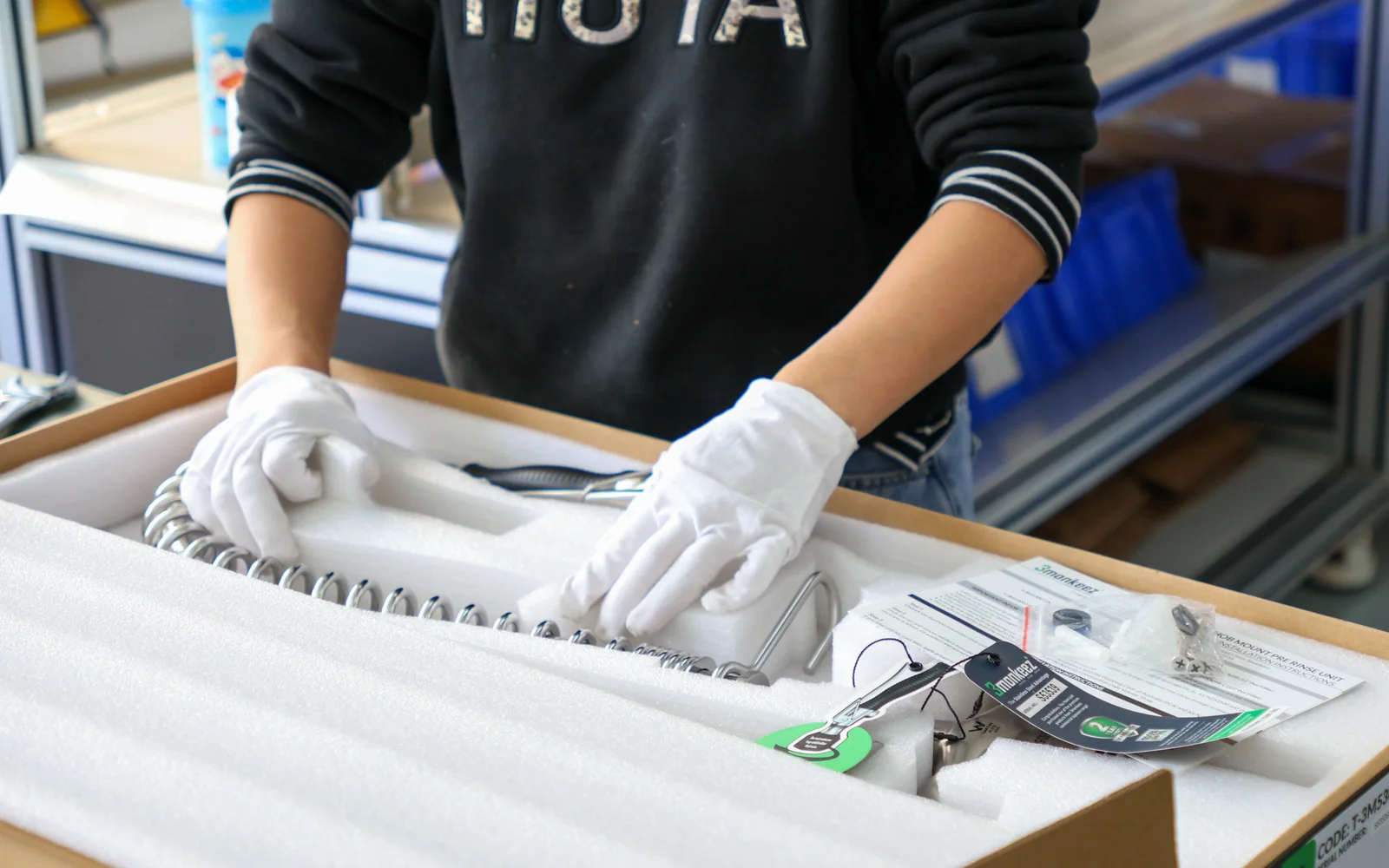
Start at unpacking. Who keeps the case and loose inserts, where do they wait, and what vehicle takes them out? Write the person or role beside each handoff. An empty box left on a job site can’t protect the next unit.
Try one representative trip with the intended load. Check what happened to the finish, supports, closures and handles. Treat a changed insert or heavier configuration as a change to the pack you tested.
A Tag Identifies the Case. Someone Still Has to Collect It
GS1’s GRAI can identify a returnable asset by type or as an individual item. Build the operating record around location, custodian, return date and condition. The key event for planning is when the case is clean, inspected and available for another shipment.
Four cases dispatched each workday with a five-workday loop tie up about twenty cases. If two come back damaged, the pool has eighteen serviceable cases while those two are being repaired. Before sizing spares, follow the cases through the inspection bench. The return time that matters is when a case is ready for another load, including waiting and rework.
Compare the Actual Loop With the One-Way Pack
Price the case, replacement inserts, collection, freight, cleaning and inspection together. Count completed trips, losses and product damage. Use the same equipment, route and level of protection on both sides of the comparison.
For EU-bound orders, map the packaging type, operator and actual route against the applicable provisions of the Packaging and Packaging Waste Regulation (PPWR). Keep the trip log with the packaging revision so the buyer can match the trial case to the case that will be delivered.
For an EU Order, Leave Three Records With the Shipment
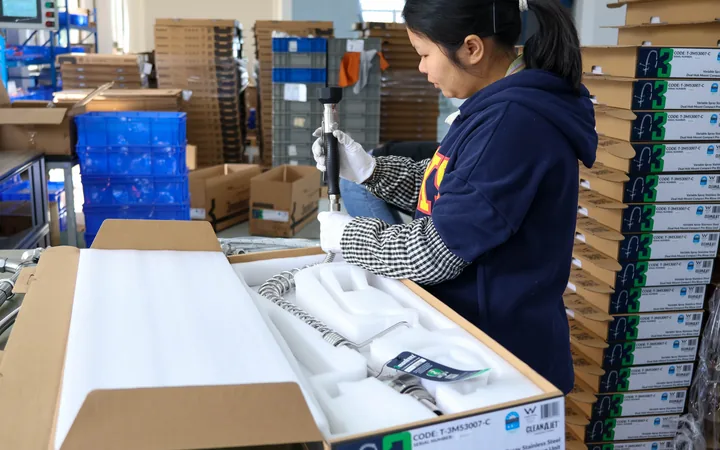
Take a commercial drinks machine packed in China and sold by an independent distributor that imports it and first supplies it in its own EU Member State. In the order file, list the carton, inserts and straps separately and record their materials, weights and packaging revision. Ask who prepared the packaging technical documentation and how the importer can make it available to authorities on request. Keep the applicable EU declaration of conformity with the order.
Keep a separate packaging EPR record. In this example, the distributor should check its role as the entity first supplying the packaging or packaged goods in that Member State. Record who handles registration, reporting and financing in that market. Review the role again if the destination, party supplying the goods or direct sales arrangement changes.
If the machine is within the scope of the EU WEEE rules, record the equipment producer and registration separately. Give that line its own market, brand and equipment category. A packaging return log can stay with the packaging file.
Sources for This Edition
- GS1 Australia: Global Returnable Asset Identifier · Definition and examples of identification by returnable asset type or individual item
- Coelho et al., Sustainability of reusable packaging · 2020 review, return-port logistics and conditions for environmental comparison
- Regulation (EU) 2025/40 on packaging and packaging waste · Article 3(1), points 13 and 15; Articles 11, 15, 18, 29, 38–39, 44–45 and 71; Annexes VI–VIII
- Commission Notice C/2026/3084 on packaging and packaging waste · Published 10 June 2026; sections 2–4 identify the manufacturer, first supply for packaging EPR and importer
- Directive 2012/19/EU on waste electrical and electronic equipment (WEEE) · Consolidated text of 8 April 2024, Articles 2, 3(1)(f)(iii) and 16 on scope, producer and registration
Continue With These Decisions
- What the EU’s June Packaging Guidance Means for German Equipment Importers
Read the dated development and its scope.
- What Will This Water System Cost Over the Next Three Years?
Check the method and what to record.