Confirm What the Notice Allows
The dining room can have bottled water even when the kitchen cannot use a sink. When water service changes, have the permit holder check the address, the affected part of the building and which uses the notice covers. An outage, low pressure on a potable line and a water-quality restriction each call for a different response. If an advisory says to boil, drink only alternative water, or stop using tap water altogether, follow the wording and ask the local food authority how it applies to handwashing, equipment, prep, beverages and ice.
For U.S. jurisdictions, the FDA Food Code is a model. Under §8-404.11, if an imminent health hazard may exist, the permit holder must stop operations immediately and notify the regulator, except under the conditions for an unaffected area or for permitted continuation. During an extended interruption, the regulator may allow the restaurant to continue under an approved written plan if corrective action is immediate and the regulator is notified when the plan is activated. Where the restaurant had to stop under the applicable rules, the permit holder obtains the required reopening approval before resuming.
Put Each Essential Job on a Water Route
After Hurricane Helene, the operator of Jettie Rae’s Oyster House and other Asheville restaurants described a split arrangement. The group says a supplier delivered potable water from approved sources to outside tanks and a plumbing contractor connected that supply to the buildings. Guests received bottled water, leaving the tank water for essential operations. The City of Asheville lifted the system-wide boil-water notice on November 18, 2024. Keep the utility notice and the restaurant’s operating decisions on separate lines in your log.
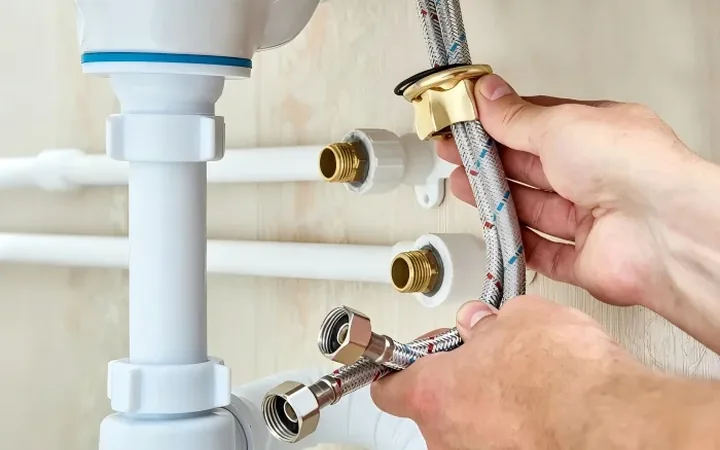
For a temporary interruption, the FDA model lists commercially bottled drinking water, closed portable containers, an enclosed water truck tank, a tank on the premises and a line from a neighboring approved source. Record which source the local authority accepts, which tasks it can serve and how it reaches them. Check working pressure at equipment or fixtures that require it.
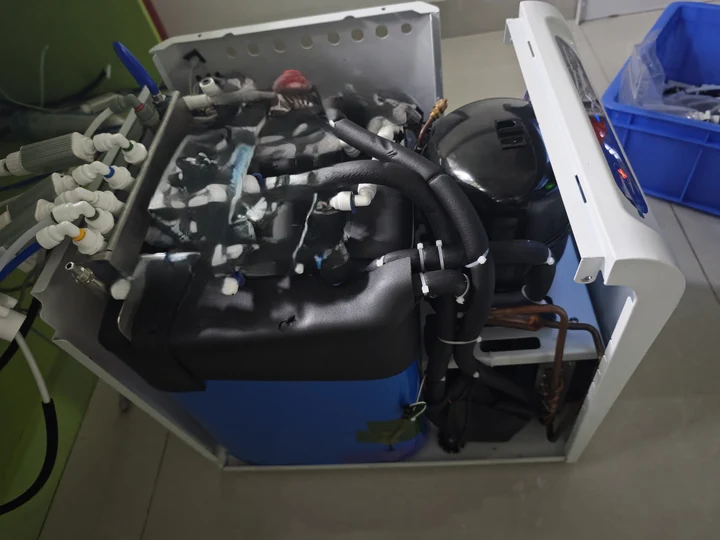
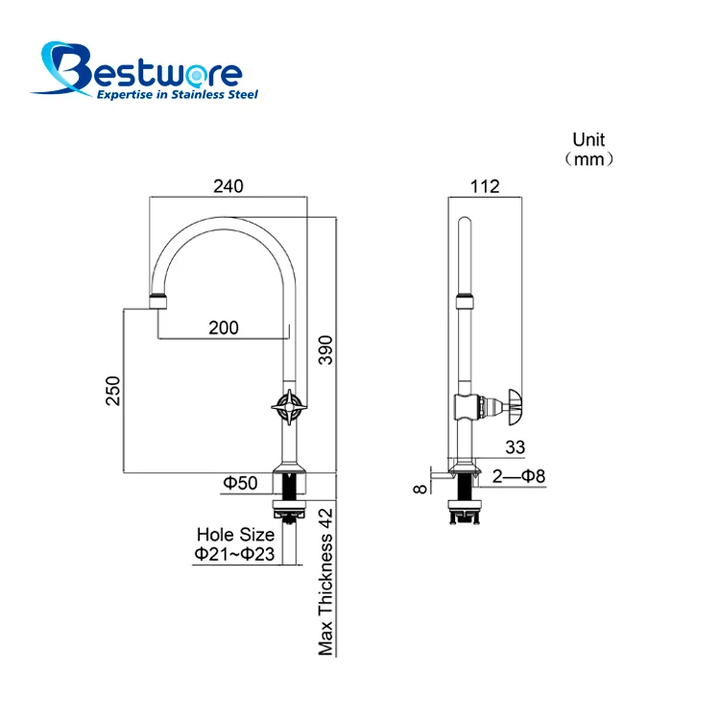
On your shift sheet, give employee handwashing, food prep, warewashing, drinks and ice a line of their own. Check restrooms and wastewater separately. The manager confirms which tasks the local plan allows and whether they have the water they need. The kitchen lead matches the menu to those tasks. Facilities identifies the source, branch, working pressure where needed and drain serving each one. If the beverage station includes a Bestware dispenser, note the exact model and its connection conditions on that sheet before relying on any alternative feed.
Work out How Far the Tank Will Go
Take an example with an approved backup supply and working handwashing, sanitation and drainage. A tank rated for 180 L is checked and found to hold 180 L at the start. With this draw point, 20 L is unusable and 160 L can reach the agreed points. Keep 20 L of that in reserve and budget 140 L. Set aside 18 L for opening and closing tasks. The example assumes all approved tasks together use 32 L per hour and no water is added during the shift.
Four hours would use 146 L including opening and closing, leaving the plan six liters short. After those fixed tasks are accounted for, 122 L at 32 L per hour gives a mathematical limit of 3 hours, 48 minutes and 45 seconds. Set an earlier review time. At three hours the shift budget would have 26 L left after allowing for all 18 L, including water still set aside for closing. Before seating the next group, check actual use and when a replacement supply will be connected and ready under the plan. If the agreed supply cannot support the next part of the shift, follow the plan for reducing or stopping service.
Measure the Backup at the Points You Need
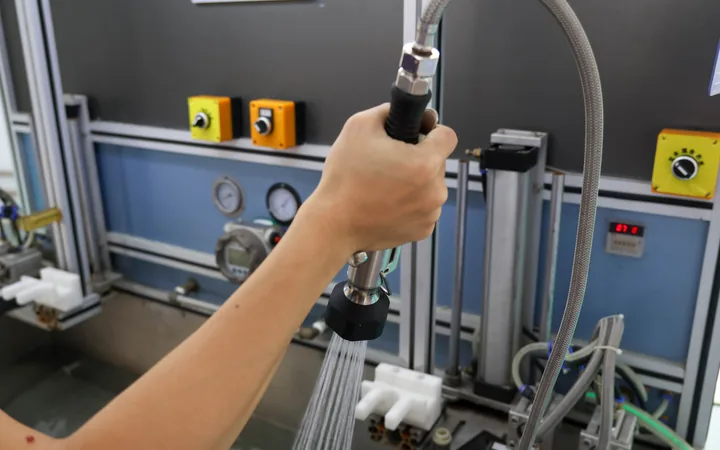
Ask facilities to verify usable liters, water quality and the working pressure at the connected points with the normal combination of tasks running. Have the kitchen run one permitted service window and record how much goes to each job, including water needed before opening and after closing. Purchasing keeps the source record, quantity received and next confirmed delivery. The shift lead sees the balance at handover and communicates what remains available on the menu.
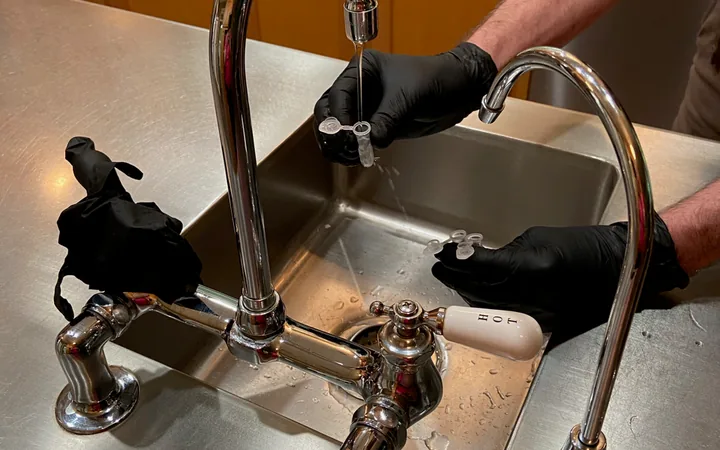
When regular water returns, facilities records which lines and connected equipment can return to use under the local instructions. Check the relevant manufacturer steps and the condition of filters, ice and any stock exposed to the affected water. The permit holder confirms the applicable reopening decision and signs the handover before the affected service resumes.
Record the water equipment checks before signing the handover
Keep the Parts and Support File Current
Once the shift is stable, check what the installed system depends on. List filters, seals, bottles, pump or control parts, gas fittings and any software service the unit needs by model and revision. Record who can supply each one, who handles warranty and repair, and which on-site checks follow an approved replacement. A supplier notice can change order handling while the equipment remains supported. Confirm the affected country, model and dates for last order, end of production and end of support.
Keep the part's lead time, storage conditions, expiry and actual balance where the next buyer can find them. Get a written compatibility decision for a replacement and verify changed service or billing contacts through a channel you already use. Hand over open warranty cases and orders when switching supplier. Put the stock and service review beside the next emergency water exercise so both records stay current.
Sources for This Edition
- U.S. FDA Food Code 2026, §§8-404.11–8-404.12 · Physical page 192, printed p. 164. A U.S. model for jurisdictional adoption. If an imminent health hazard may exist, the permit holder must immediately stop and notify the regulator except under the section's conditions for unaffected areas or permitted continuation. Continued operation during an extended interruption requires an approved written plan, immediate correction and notification at activation. Approval is required before resuming operations discontinued under §8-404.11 or applicable law.
- U.S. FDA Food Code 2026, §§5-101–5-104, Alternative Water Supply · Physical pp. 147–149, printed pp. 119–121. Approved source and quality, quantity and pressure. §5-104.12 lists alternatives for temporary interruption. Pressure exceptions in §5-103.12 are limited to the specified sources and circumstances.
- U.S. EPA, Water Decontamination FAQs for Customers · Question about types of water advisories, with scope distinguished for boil water, do not drink and do not use. Follow the relevant notice and food establishment authority for restaurant uses.
- The Scheffer Group, Restaurants Reopen After Helene, October 26, 2024 · Operator announcement, paragraphs on Jettie Rae’s Oyster House and sister venues. The announced arrangement used approved-source water in external tanks connected by a plumbing contractor, with bottled water for guests and tank supply reserved for essential operations.
- City of Asheville, Utility Billing Resumes After Helene · The city states that it lifted the system-wide boil-water notice on November 18, 2024. This is the utility milestone, separate from an individual establishment’s approved operations.
- Illustrative Shift Budget for an Approved Alternate Water Supply · Assumes an approved arrangement with functioning handwashing, sanitation and drainage. A tank rated for 180 L is verified to hold 180 L at the start. Of that, 20 L is below the usable draw and 20 L of the usable water is held in reserve, leaving a 140 L budget. Opening and closing take 18 L in total. The approved tasks use 32 L/h in the example with no replenishment. Four hours needs 146 L, short six. The mathematical limit is 3 h 48 min 45 s. After three hours, the shift budget still contains 26 L after allowing for both fixed uses, including any closing water still to be used.
- Bestware Restaurant Water Service Planning Guide · Identify uses, separate service points and confirm the site water path.
- Bestware Water Equipment Pilot Acceptance Guide · A site handover with functional tests, conditions, revision records and sign-off.
- Bestware Water System Consumables Guide · Keep compatible supplies available using actual service volume, replacement dates and known replenishment times.
Continue With These Decisions
- Restarting a Water Dispenser After Disuse
Record the checks required before putting unused equipment back into service.
- How to Check Inlet Pressure and Flow for a Water Dispenser
Measure inlet pressure and flow at the approved operating load.