Write Down Which Outlet and Mode Slowed
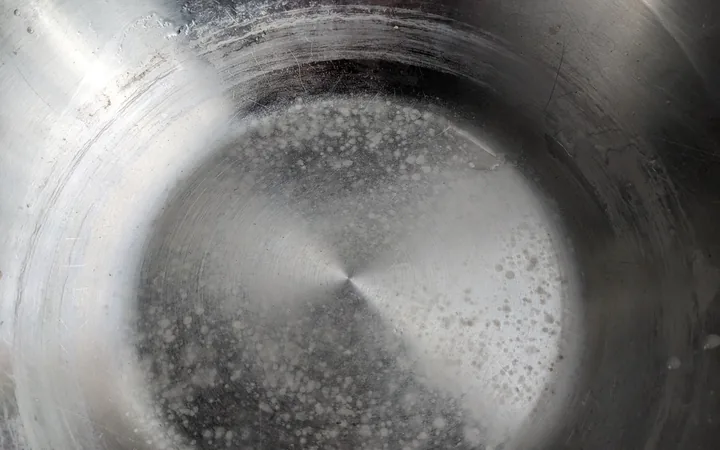
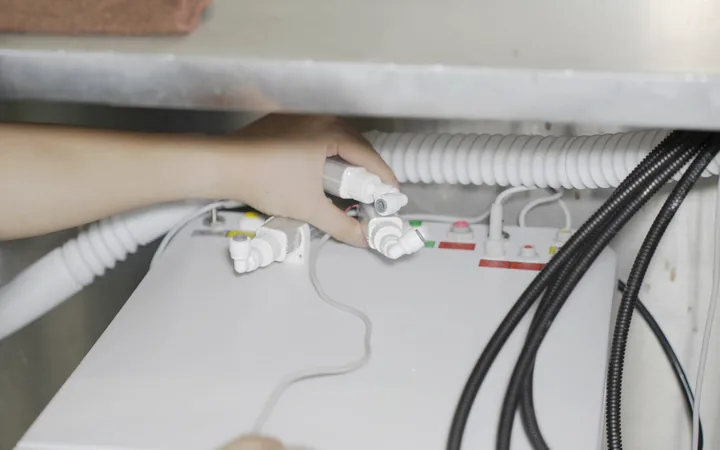
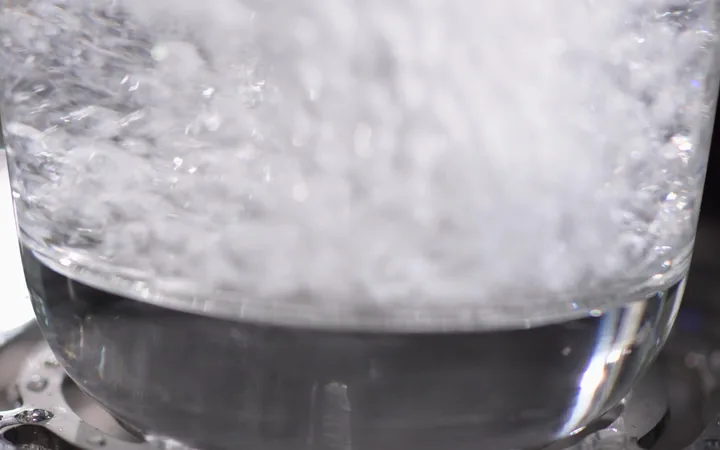
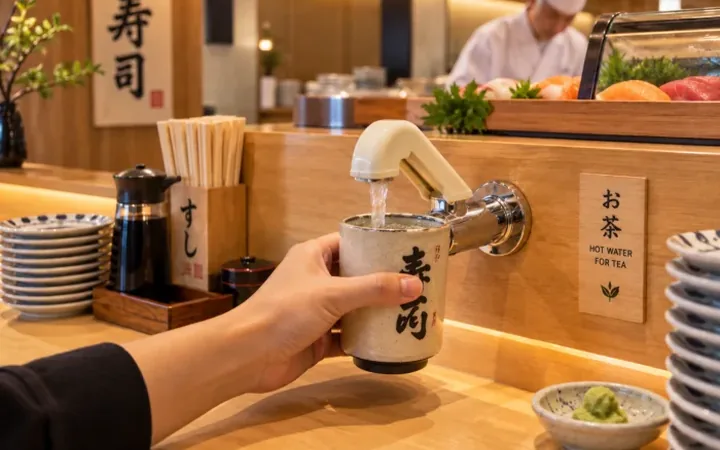
You notice a white crust around the hot tap and the morning shift says the chilled water is taking longer. Write those as two observations and take a clear photo of the crust. Record when the change started and which outlets and dispensing modes are affected. The pattern gives the technician somewhere to start, whether the restriction is in a shared supply, a cartridge, the outlet or a separate part of the machine.
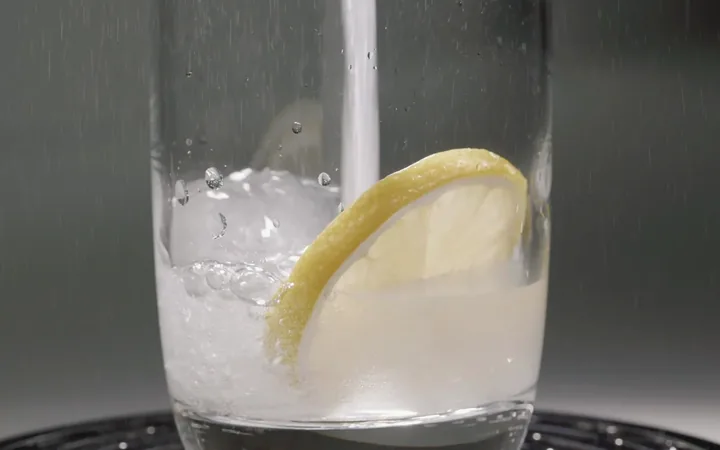
Suppose the chilled setting formerly filled the same 250 mL measure in 6 seconds and now takes 12 seconds under comparable conditions. The average dropped from 2.5 to 1.25 L/min. That example documents a flow change. Keep the outlet, mode, and vessel on the ticket so someone can repeat the same check. Use normal dispensing controls and let service staff handle any hot-water test that cannot be done safely.
Read Hardness and Alkalinity Separately
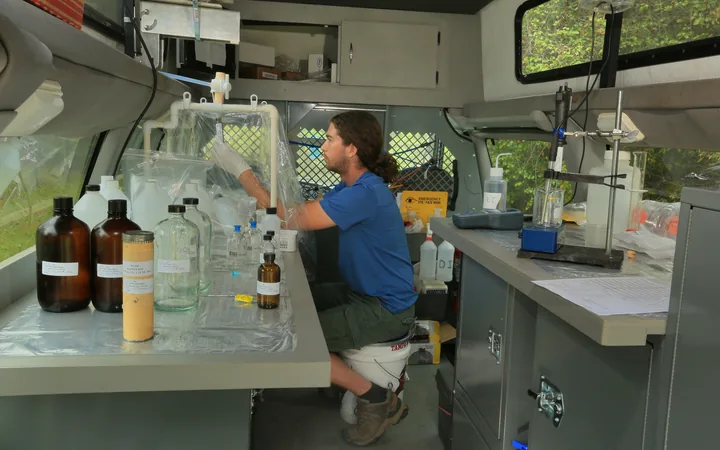
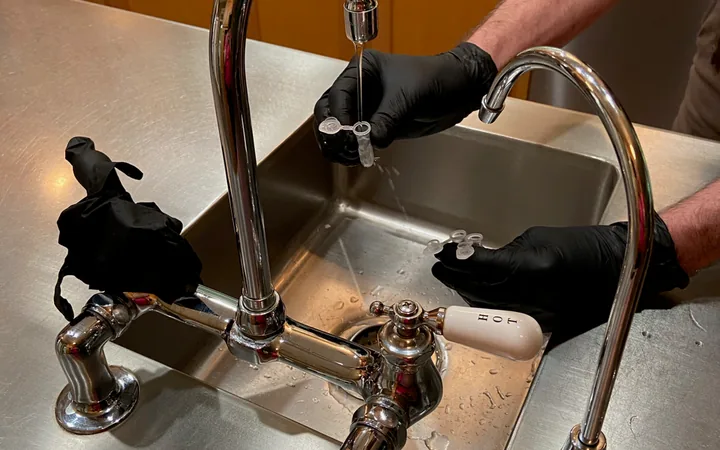
Ask for a water result at the machine inlet or at the nearest representative sampling point. Note whether it was taken before or after treatment. Total hardness mainly reflects dissolved calcium and magnesium. Alkalinity is the water’s capacity to neutralize acid, often due in part to bicarbonate and carbonate. Both can be reported as mg/L as CaCO₃. That common reporting basis lets you compare like measurements over time, while the two rows answer different questions.
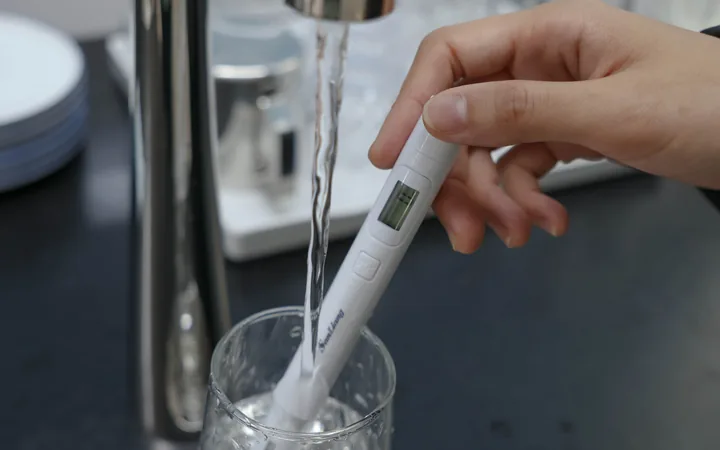
A conductivity or TDS reading can help you notice a change in the water. It can’t tell you how much of the signal came from calcium or magnesium. Read hardness with the rest of the water analysis, especially alkalinity and pH, and note where the water gets heated.
What a Kettle Study Could Confirm
In a study published in 2026, Muhsin Eren and colleagues examined a deposit from the bottom of a stainless kettle used repeatedly to boil tap water in Mersin, Türkiye. They also analyzed water from the same supply, reporting a total hardness of about 197 ppm as CaCO₃, calculated from the sample’s calcium and magnesium. With X-ray diffraction and other tests they identified two forms of calcium carbonate in the deposit, calcite and aragonite.
That was one kettle and its supply. Use the study to see what evidence closes the gap between a white crust and identified scale. At your site the record starts with the water sample and the particular part where the deposit shows up.
Use the Service Instructions for the Installed Model
On the Bestware G1DS-110 and G1DS-1010, the 2026 V1.1 troubleshooting table describes E6 as a heating-tank refill that has not completed within 20 minutes. The table lists no water supply to that tank as a possible cause and directs the reader to check the supply. Send the code, its time and the affected outlet to the technician along with the water data. An E6 report gives the technician a supply check to make.
If the technician finds scale that needs removing, have them use the equipment maker’s procedure and approved materials. Before opening a hot or pressurized circuit, the service team should follow its safe isolation, pressure-release and cool-down procedure. Ask them to record the finding and verify flow and the affected function before putting the equipment back into use.
Decide What Has to Change Before the Next Service
If deposits come back, compare the inlet sample with the manufacturer’s water requirements and review the treatment records. A cartridge selected for taste or odour has a different job from an ion-exchange softener that reduces calcium and magnesium. If the site changes treatment, sample at the equipment inlet again and check the result against the water conditions you agreed to maintain.
Sources for This Edition
- Bestware Editorial · Illustrative Dispenser Flow Log · Example normal dispensing check with the same chilled setting and 250 mL receiving volume. 250 mL in 6 seconds works out to 2.5 L/min and 250 mL in 12 seconds to 1.25 L/min. The comparison describes observed delivery, not the cause.
- U.S. Geological Survey · Hardness of Water · Definition and Effects of Hard Water. Hardness mainly reflects dissolved calcium and magnesium, reported as calcium carbonate equivalent. Heating hard water can produce solid deposits of calcium carbonate.
- U.S. Geological Survey · Alkalinity and Water · Alkalinity and Water section. Alkalinity measures acid-neutralizing capacity. In many waters bicarbonate and carbonate contribute to that buffering.
- Muhsin Eren, Selahattin Kadir and Meryem Yeşilot Kaplan · Mineralogical and Micromorphological Characteristics of the Limescale in a Kettle, 2026 · Periodico di Mineralogia 95, pp. 281–291. Physical pp. 2, 3, 8 and 10 (printed 282, 283, 288 and 290), Materials and Methods, X-ray Diffraction/Fig. 2, Table 3 and Conclusions. A Mersin stainless steel kettle and water from the same supply. Calculated about 197 ppm total hardness as CaCO₃ from calcium and magnesium in the source sample; calcite and aragonite identified in the deposit.
- Bestware · G1DS-110 / G1DS-1010 Installation Manual, 2026 V1.1 · PDF p. 7, printed p. 10, Error Codes and Troubleshooting, row E6. Heating tank refill has not completed within 20 min. The table lists lack of water supply as a possible cause and advises checking the supply.
- Health and Safety Executive · Maintenance of Work Equipment · Before you start maintenance and Safe plant and equipment. Great Britain workplace guidance on competent maintenance, maker instructions, isolation, stored energy and cooling hot components.
- Drinking Water Inspectorate · Domestic Water Filters and Softeners · Taste or odour and Water softeners. Consumer guidance distinguishes activated carbon for taste or odour from ion-exchange softening that targets calcium and magnesium. Commercial equipment needs its own approved inlet conditions.
- Bestware Wiki · Report a Water Dispenser Fault · Log mode, measurements and timing for qualified service.
- Bestware Wiki · Size a Commercial Water Softener · If testing supports a hardness-control project, size the softener from actual water conditions and service demand.
Continue With These Decisions
- How to Report a Water Dispenser Fault
Put the mode, time and measurements on a service ticket
- How to Size a Commercial Water Softener
Size hardness control against actual flow and water demand