Put Each Task on the Right Schedule
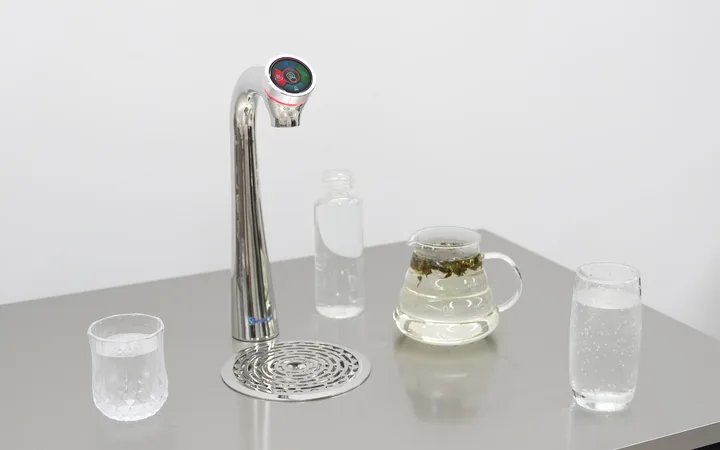
A café’s closing crew empties the drip tray and cleans around the tap. On Tuesday a technician is due to change the cartridge under that same counter. If both jobs appear under “dispenser serviced,” Wednesday’s opener has no way to tell which job was done or who can clear the unit for use.
Start with one record per dispenser. Give it an ID, note its location and model, and link the current instructions and service contact. Put the due date, meter reading or event that starts each job beside the name of the person who does it. Keep a clear route to a technician for work that involves opening the cabinet or water circuit.
The FDA Food Code uses the manufacturer’s schedule for cleaning equipment such as beverage nozzles and enclosed dispensing lines. It also calls for scheduled inspection and service records for water treatment devices, taking local water conditions into account. U.S. operators should check the version their jurisdiction has adopted. In China, the market regulator’s food service operating code also addresses equipment maintenance and cleaning.[1][4]
- During service or at close
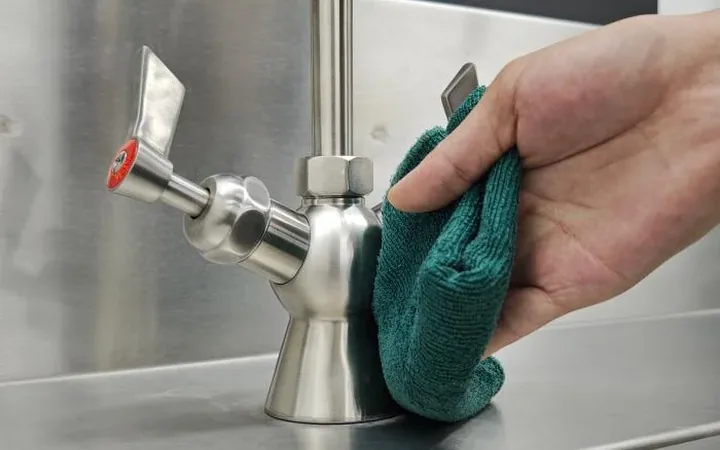
- The shift crew cleans the drip tray and accessible parts assigned in the opening or closing checklist. A spill is handled when it happens.
- When the filter is due
- Use the cartridge’s service interval and capacity where specified. If the instructions name both as limits, schedule the change when the first limit is reached.
- After a change or incident
- Open a separate job when a water line is disturbed, an alarm returns, or a closure or supply notice calls for checks before reopening.
Do the Work in the Order the Model Requires
Mark the outlet out of service before work starts. For the parts the crew is trained to handle, remove residue, then sanitize food-contact parts as the procedure requires. Follow the equipment instructions and the product label for concentration, contact time and any final rinse. The Mexican NOM-251 hygiene standard addresses cleaning and disinfection instructions and inspection for maintenance debris before equipment is used again.[1][3]
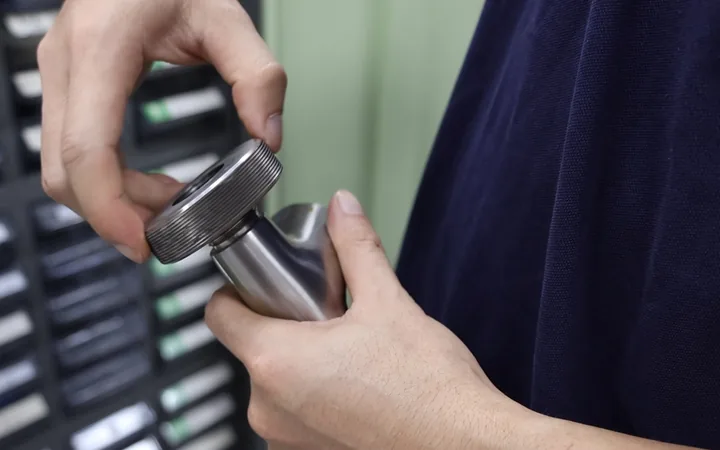
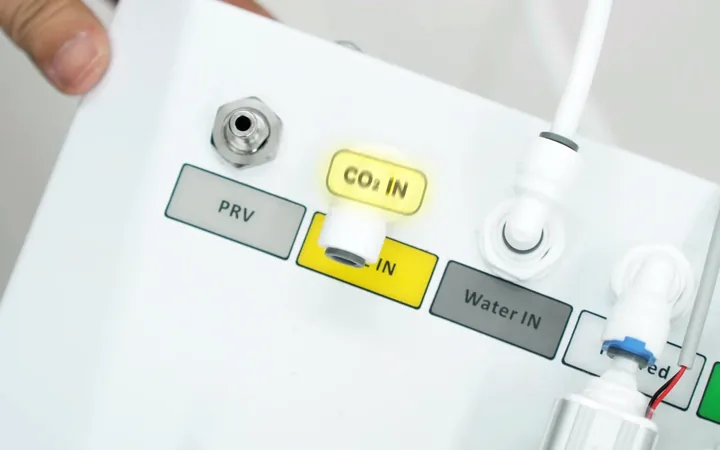
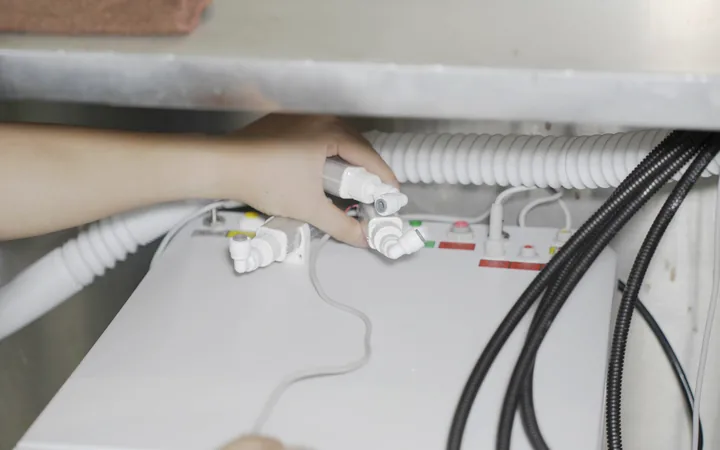
For cartridge service, the technician confirms the replacement part against the unit’s instructions, records the old meter reading and follows the model’s directions for isolation, replacement and flushing. Record the flush time or volume if the instructions specify one. Write down a meter reset as a separate event so the next person knows when the new cartridge’s service interval started.[1][2]
Use the Work Order to Decide Whether to Reopen
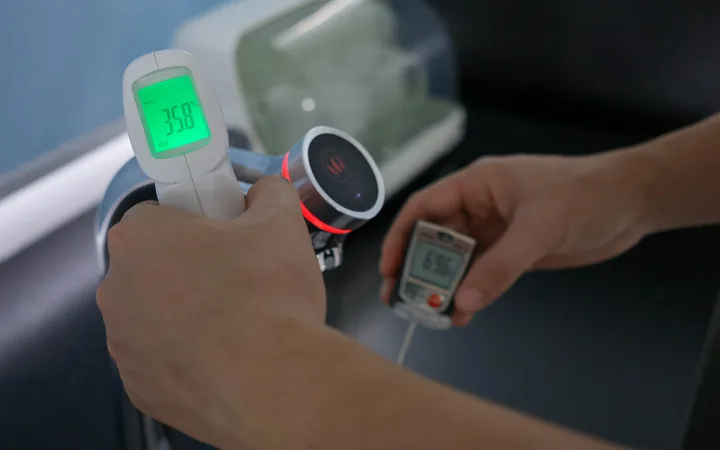
At a hotel breakfast station, suppose the site expects the cold tap to fill a 500 mL carafe within 20 seconds. Before calling the job complete, the lead checks for drips while running the tap and again afterward, then times a fill at the same outlet with the supply in its normal position. At 25 seconds, the outlet delivers 1.2 L/min against the site’s 1.5 L/min target. These figures belong to the example work order. Each site sets its own service target from its equipment and needs.[6]
In this example the housing stays dry, but the cold tap still misses the agreed fill time. The lead keeps the outlet out of service and asks the technician to check the cause. After the technician corrects it, the same test takes 18 seconds. The lead reviews the cleaning and flush record and repeats the leak check before signing off. A timed fill verifies service performance. Any water-quality checks required by the site’s instructions or local authority still apply.[1][3][6]
| Check on the Work Order | Example Record |
|---|---|
| Unit and Job | Breakfast station W-03. Cold-water filter replaced. Correct part and service record attached. |
| Clean and Refit | Serviced parts reassembled. No debris found. Required cleaning, sanitizing and flushing recorded. |
| Leak Check and Timed Fill | No drips under flow or after shutoff. First check 25 s for 500 mL. After correction, 18 s against a 20 s site limit. |
| Release and Handover | Outlet held after the first check. Shift lead signs after the retest and logs the next filter due date or meter limit. |
Leave a Record the Next Shift Can Act On
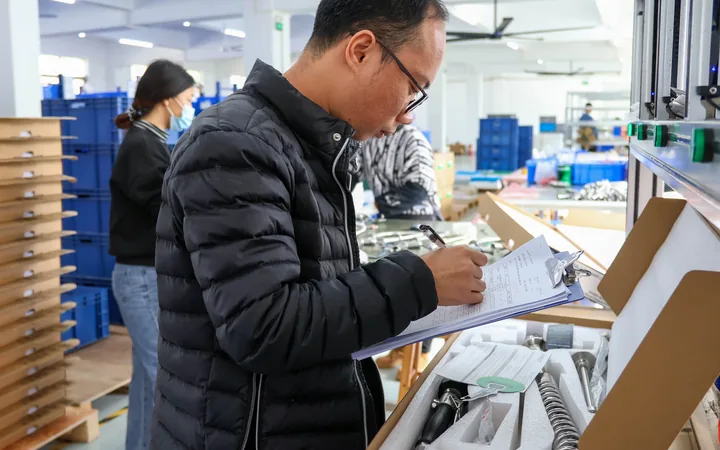
The log needs the unit ID, date and time, work performed, procedure or part reference, checks and the person who released the station. If access is blocked, the replacement is missing or a check is still due, mark the job open and give the next person a name and deadline. The Food Standards Agency’s diary is a useful example of keeping daily records available to the person in charge.[1][5]
A building shutdown or drinking-water advisory takes a separate route. Keep the affected dispenser out of use until the building or local water authority’s instructions have been followed and the necessary equipment checks are complete. Put any approved alternative water source and the reopening decision in the shift handover.[7]
Review the Jobs That Keep Coming Back
If a filter is repeatedly replaced before its recorded due point, check the meter history, actual demand, incoming conditions and the manufacturer’s guidance with the service team. If the same closing job is often skipped, watch one close and check whether the crew can find the instructions, reach the parts and finish the work in the time allowed.[1][2]
A practical test for the plan is whether tomorrow’s opener can find the last result, tell whether the station can serve water, and know exactly what to do with an open issue.
Sources & Further Reading
FDA Food Code 2026 · §§ 4-602.11, 4-702.11, 5-205.13NSF · Changing Water FiltersDiario Oficial de la Federación · NOM-251-SSA1-2009, § 5.9China State Administration for Market Regulation · Food Safety Code of Practice for Catering ServicesFood Standards Agency · Safer Food, Better Business: DiaryEPA WaterSense · Operations and Maintenance Water Waste ChecklistCDC · Drinking Water Advisories: An OverviewContinue With These Decisions
- How to Keep the Right Water Filter Cartridges and CO₂ Cylinders in Stock
Use the work order to identify the exact replacement and its next order date.
- How to Compare Commercial Water Equipment Service Contracts
Specify who will arrive, restore service and authorize temporary water.