Start With the Orders That Arrive Together
Fill a guest’s bottle, get hot water for a cup of tea and pour sparkling water for a table. If a single tap serves all three, each person may have to wait while someone selects a mode, fills a vessel and moves away. A second service point earns its place if it takes a recurring task out of that line. Start with the orders that land together and the space each vessel takes up.
For a meeting break, note which drinks can be set out ahead under the venue’s normal service procedures and which are poured to order. If a staff member keeps both pitchers filled inside the meeting room, record that time too. It changes how many people reach the tap and when they arrive.
How Three Campuses Divide the Work
At Green Templeton College in Oxford, the catering team uses a refill station for the dining room and meeting rooms. Members can ask the team for still or sparkling water during service hours. The London School of Economics takes orders for 700 mL returnable glass bottles of still or sparkling water at fully serviced events. It also directs people to drinking-water points across campus.
The University of St Andrews reported another arrangement in 2019. It put in a glass bottling system for catered deliveries and provided separate self-service access to still and sparkling water at three retail cafés. These records identify who pours and how water gets to the user. For your own counter, measure how long those tasks take when orders arrive together.
Read the Drawing Alongside the Ratings
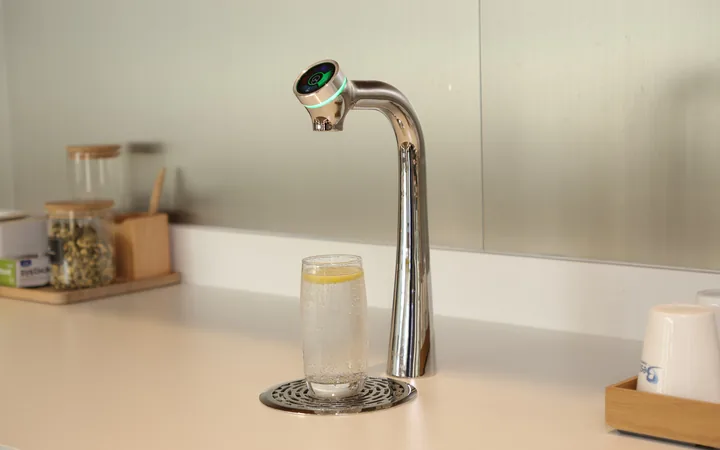
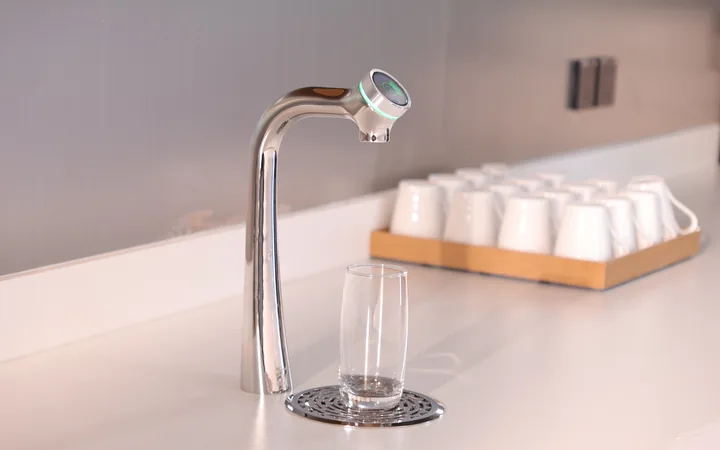
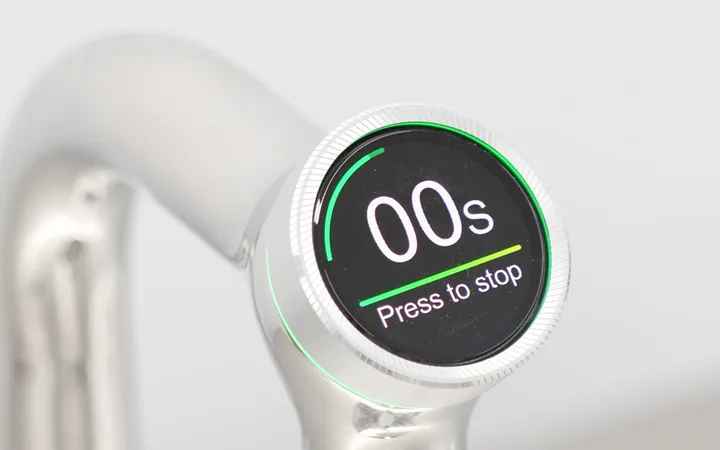
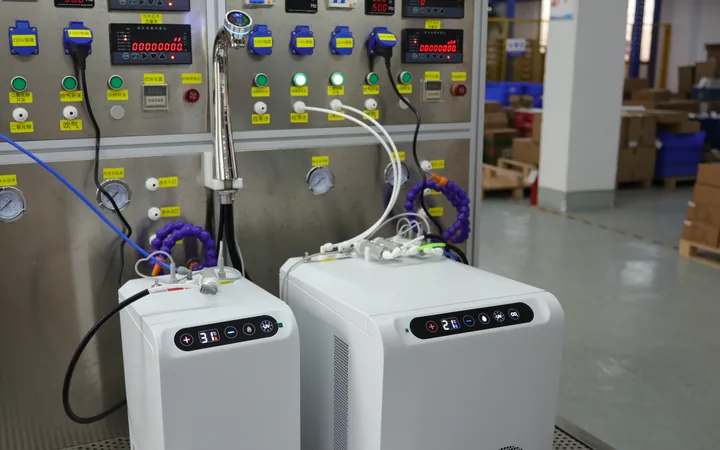
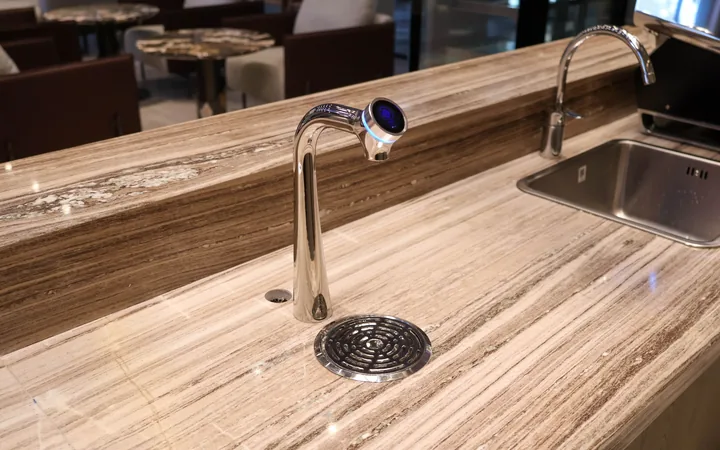
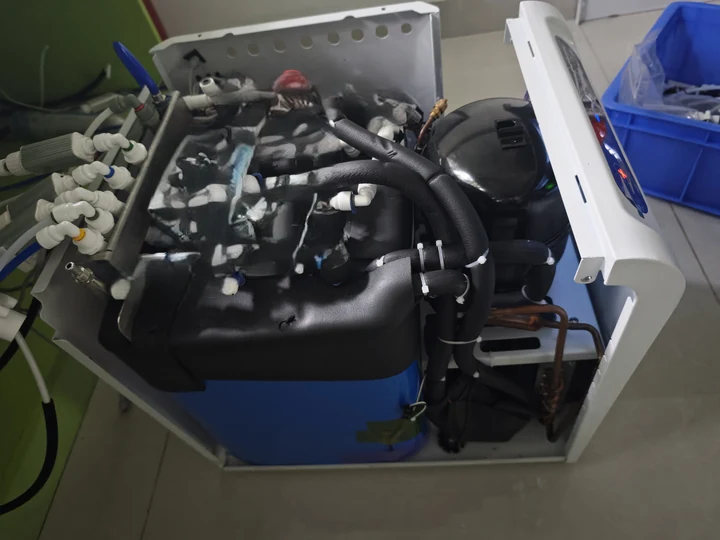
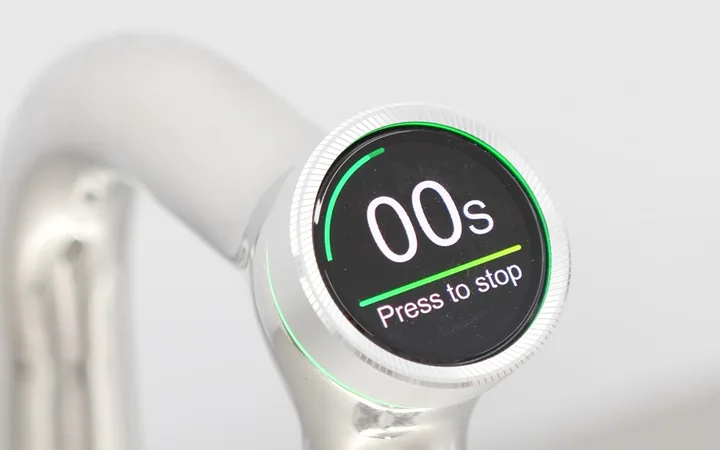
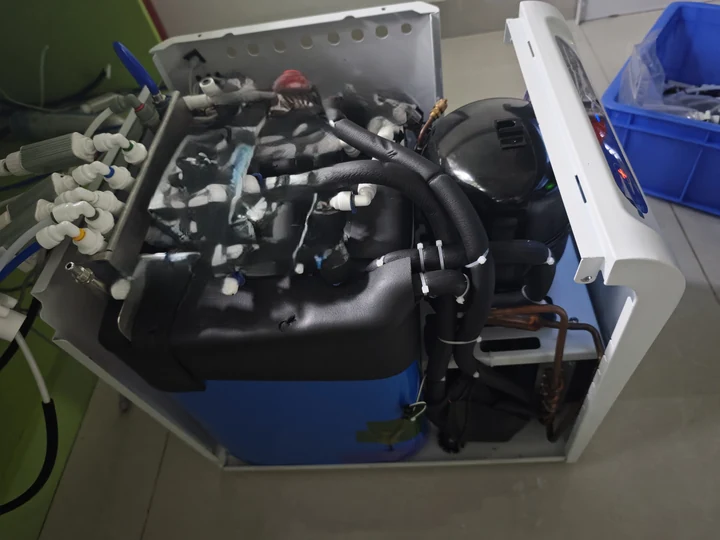
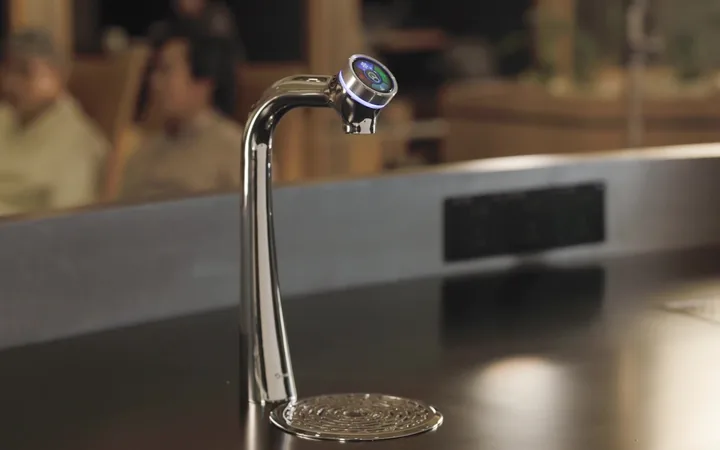
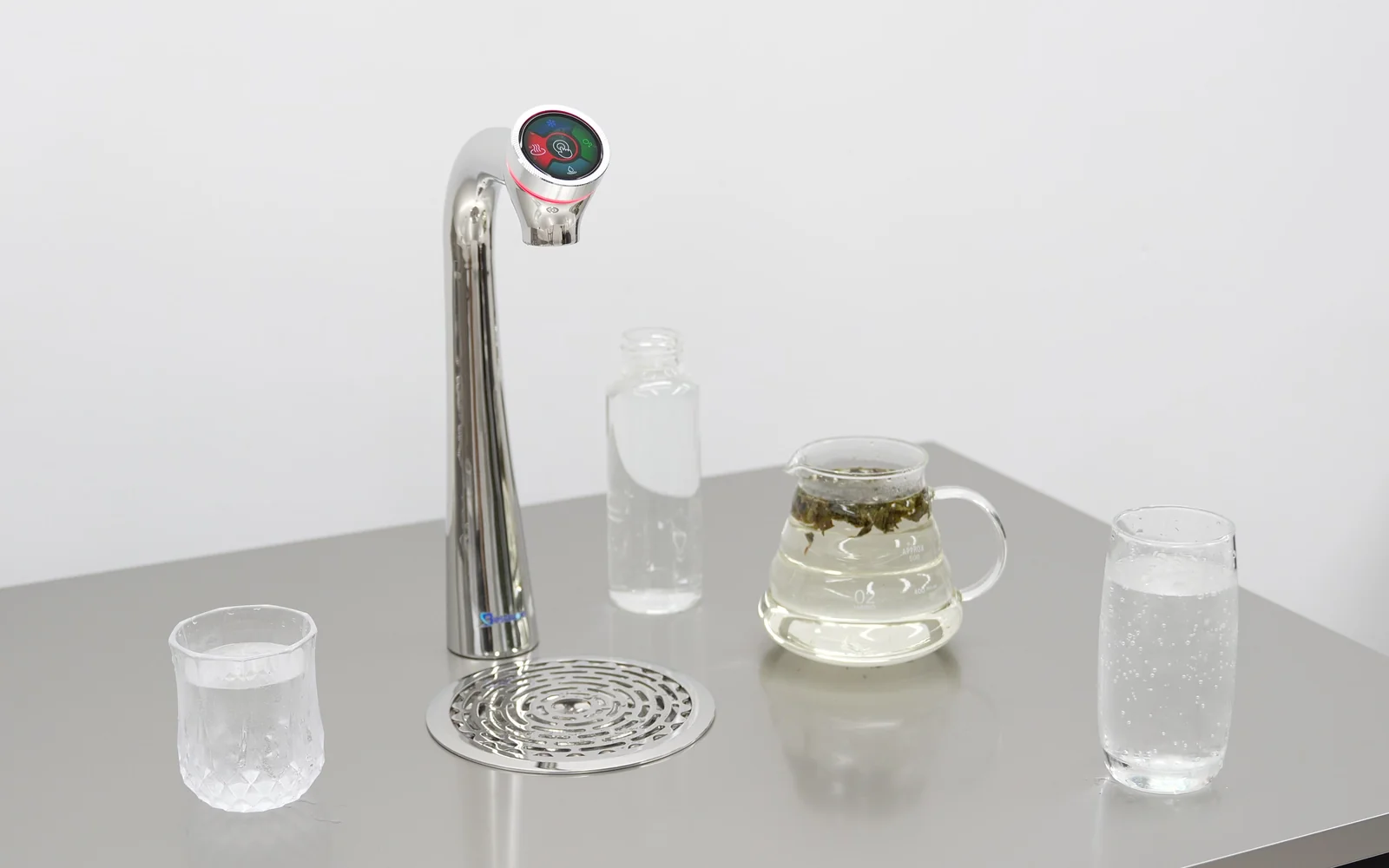
The Bestware G1DS-123/1023 V1.2 manual shows one dispensing tap with chilled, sparkling, ambient and hot selections. The connection diagram pairs a chiller and heater and shows the optional reverse osmosis unit in that configuration. The G1DS-123 product table gives rated chilling capacity of 40 L/h and a maximum sparkling flow of 3 L/min. Keep both units on the comparison sheet. The ratings leave the mixed-service result open.
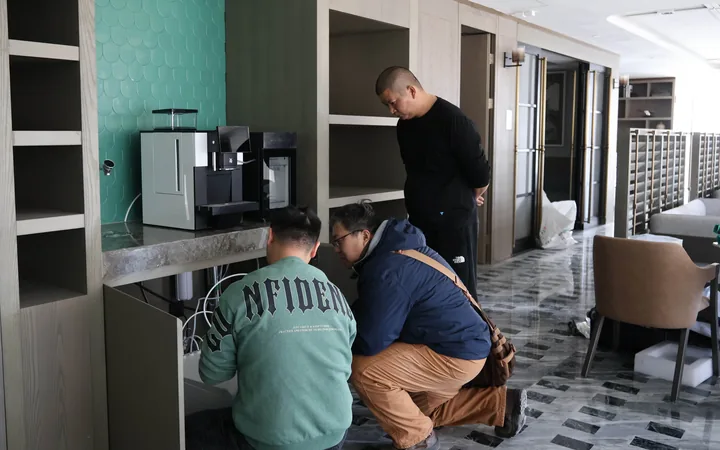
Have the supplier mark what two outlets would still share on your proposed drawing: incoming water, treatment, cooling or power. Compare usable hot and cold reserves and recovery under the stated inlet, room and target conditions. Ask which modes remain available after a common supply fault. Two taps may relieve the queue while still depending on the same supply.
Rehearse Five Minutes With the Real Vessels
For an illustrative break, give the crew 12 chilled still orders in 400 mL bottles, six sparkling orders in 250 mL glasses and four hot orders in 200 mL cups. The volumes are 4.8, 1.5 and 0.8 L, adding up to 7.1 L in five minutes. Put some hot and cold requests close together on the cue sheet. Test a single station in that order, then compare a layout that gives hot water its own point. Use the same staff count and comparable starting conditions. Repeat after the typical gap before the next group arrives.
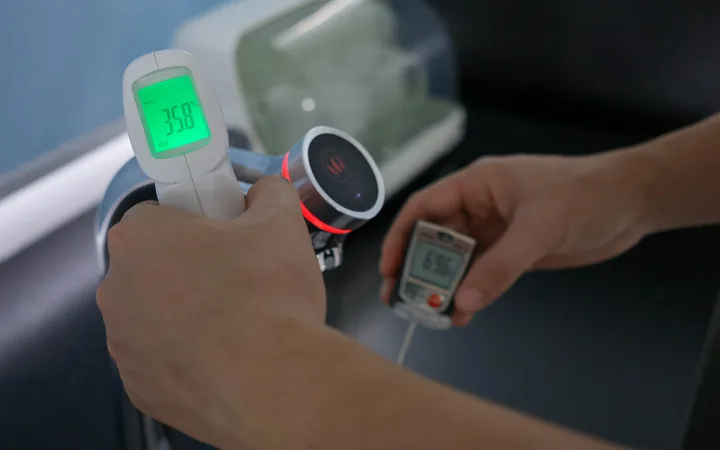
Use trained staff, suitable stable vessels and the approved hot-water procedure with the rehearsal area closed to guests. If the proposal supports simultaneous draws, include the overlap. Record when each order arrived, how long it waited before filling started, how long the pour took and whether its required volume and temperature were met.
Check the hot-water controls and site conditions before the rehearsal
Decide What to Move When a Queue Forms
When pours meet the brief and most delay is spent standing behind a bottle refill, change where that job happens. If two stations still fall short on volume or temperature, review the shared feed, reserves and recovery with the installer. Record which configuration met the service brief and who can run the same orders after opening.
Sources for This Edition
- Green Templeton College, University of Oxford · Sustainability: Suppliers · Ecopure (Haddenham), first three bullets: mains-fed catering refill station for the dining room and meeting rooms, still and sparkling refills during service hours.
- London School of Economics and Political Science · Order Catering · Cold drinks, entries A30 and A31: returnable 700 mL glass bottles of still and sparkling water for fully serviced events only. The note immediately after identifies campus drinking-water points.
- University of St Andrews · University Tackles Single-Use Plastics, July 18, 2019 · Installation description: a glass bottling system for delivered catering and separate self-service still and sparkling dispensers in three retail cafés.
- Bestware · G1DS-123 / G1DS-1023 Installation Manual, 2026 V1.2 · PDF p.3 / printed pp.01–02, Dispensing items 1–4. PDF p.9 / printed pp.13–14, separate heater and chiller space. PDF p.14 / printed p.24, Connection Diagram showing one tap, heater and chiller, in the arrangement with optional RO.
- Bestware · G1DS-123 Product Specifications · Chilling Unit table rows Chilling Capacity and Sparkling Capacity give 40 L/h and Max 3 L/min respectively. Separate manufacturer specifications, with no test result for the mixed orders in this article.
- Bestware Wiki · Illustrative Mixed-Service Trial · Five-minute hypothetical demand: 12 × 400 mL chilled still (4.8 L), 6 × 250 mL sparkling (1.5 L), 4 × 200 mL hot (0.8 L), 7.1 L total. Compare the same arrival sequence and staff count at comparable starting conditions. No output result or thresholds.
- Bestware Wiki · Planning Meeting Room Water Service · Plan for actual break timing, room water volume and refill responsibility.
- Bestware Wiki · Pressure and Hot Water Safety Review · Check the proposed hot-water control and site conditions before the exercise.
Continue With These Decisions
- Meeting Room Water That Is Ready for the Break
Plan the room refill route around the actual break
- Water and CO₂ Pressure and Hot-Water Safety at Handover
Check the hot-water controls and site conditions before the rehearsal