Start With the Part the Quote Describes
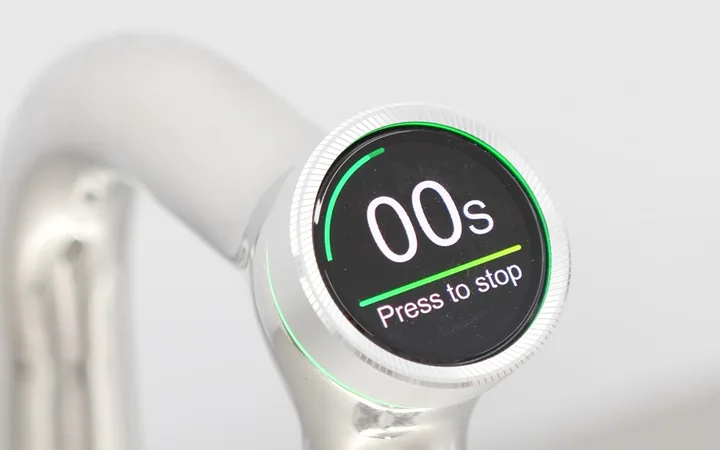
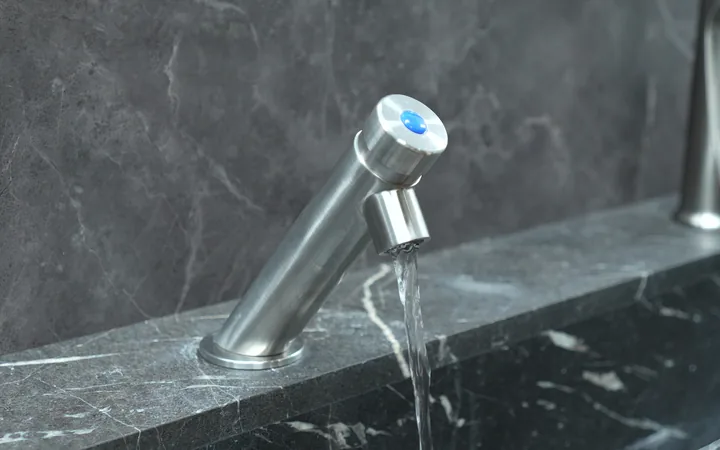
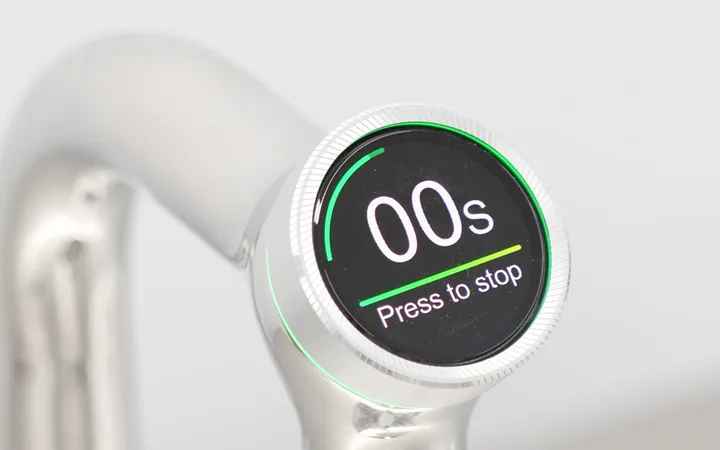
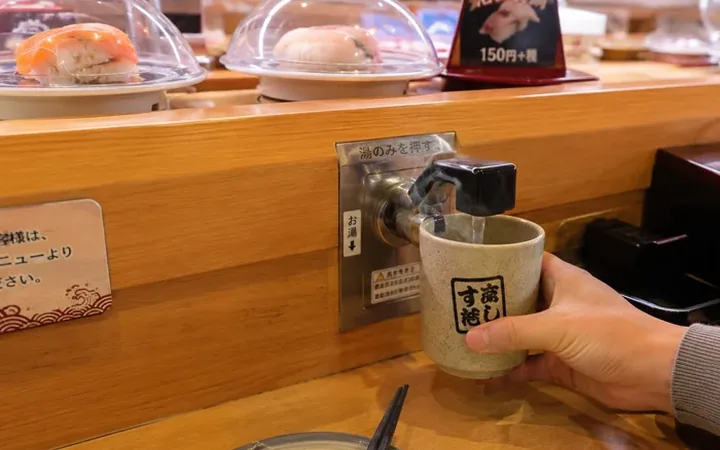
An antimicrobial claim on a dispenser tells you to ask which part does what. The answer could be a finish on the control knob, a treatment on the outlet assembly or a claim about the water coming out. Those are three different items to verify. Ask the supplier to mark the relevant part on the drawing and send the wording they are prepared to put on the product or in its instructions.
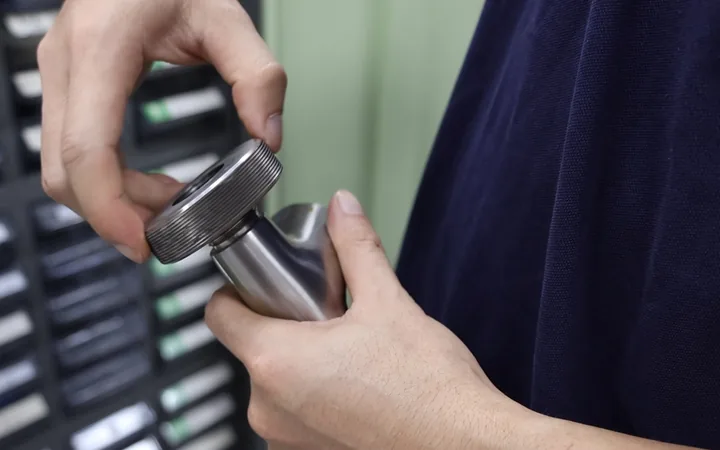
Suppose a quote says “antimicrobial finish” and the attachment describes a flat material sample. Check the tested material and finish, what the report measured, after how long and against what comparison. Find the report’s sample identifier and match it to the part you will receive. A report that only identifies the flat sample leaves the installed knob unverified, particularly if the quoted finish or material differs.
US and EU Paperwork Ask Different Questions
In the United States, the treated-articles exemption in 40 CFR §152.25(a) is for a qualifying article or substance protected by a pesticide registered for that use. The treatment must protect the item itself. A claim that the product protects users or provides a public-health benefit falls outside that exemption. When the seller relies on a US registration for that claim, check the actual product, the current EPA registration and the wording on the accepted label. The EPA number for the pesticide used to treat the material is a separate record.
For the European Union, check whether the active substance and conditions cover the treatment and use. Article 58(3) of the Biocidal Products Regulation requires the specified label information when the manufacturer claims a biocidal property for an article containing a biocidal product or the active substance’s approval conditions require it. There is an exception where sector law already requires equivalent information about the active substance. Article 58(4) also calls for protective instructions where necessary. A treated article with a primary biocidal function counts as a biocidal product. Give the supplier the destination and ask for the label for that market.
Read the Water-Contact Listing on Its Own
If the quote also includes an NSF/ANSI/CAN 61 listing for an inlet hose, use the issuer’s directory to match the exact hose and listed use. Standard 61 concerns the health effects of chemical contaminants and impurities that components or materials can introduce indirectly into drinking water. That listing does not establish what the exterior finish does or how a configured dispenser treats water.
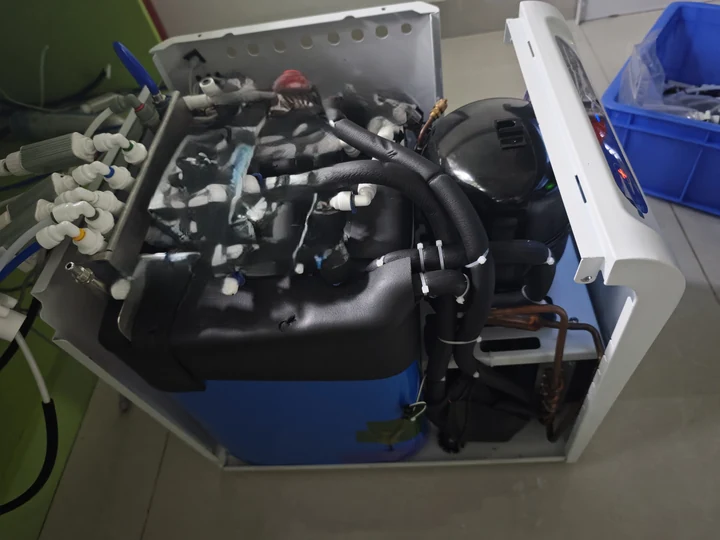
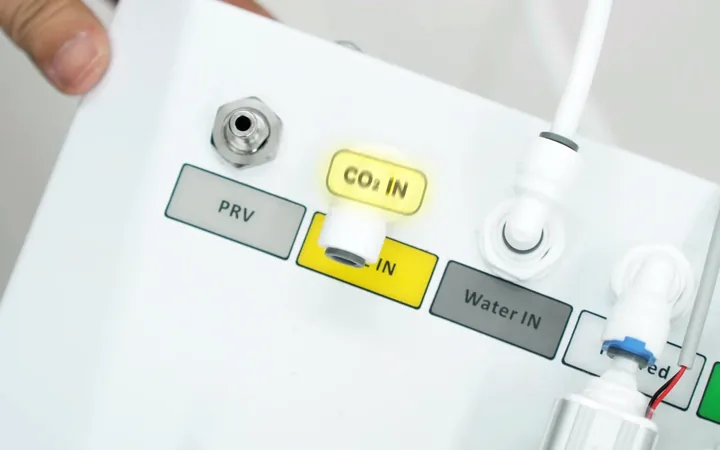
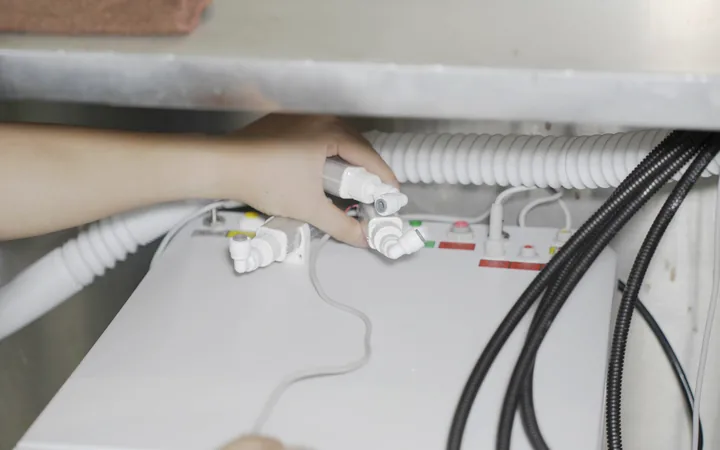
The Bestware G1DS-123 and G1DS-1023 manual offers a useful way to mark the boundaries. The tap control appears in the operating pages. The installation drawings show the tap, drip-tray drainage and tubing connections separately. Ask for records for the applicable part on that drawing. The drawing itself identifies parts and connections.
Put the Care Instructions Where Staff Will Use Them
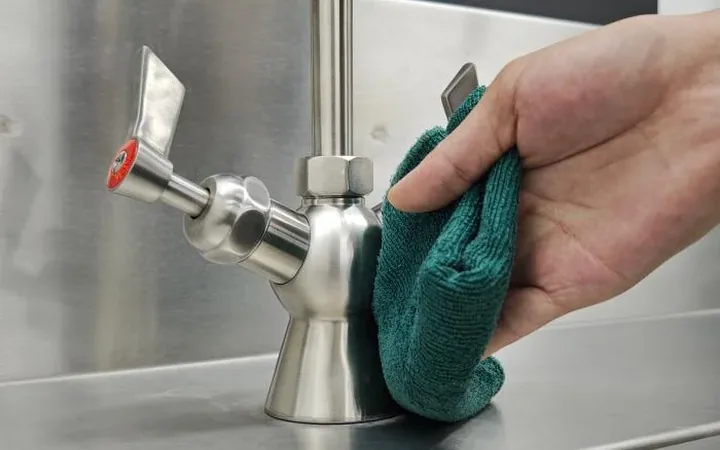
Keep exterior cleaning, outlet care and internal sanitation on their existing schedules. Ask which cleaners the supplier permits on the quoted finish and what changes if a replacement control comes with a different finish code. At handover, leave one list with the approved claims and supporting part numbers, and another with each area’s care instructions and owner. A claim with incomplete paperwork can stay pending while staff use the established cleaning procedure.
Set separate procedures for exterior cleaning, the outlet and internal sanitation
Sources for This Edition
- 40 CFR §152.25(a) · Treated Articles or Substances · Paragraph (a) defines qualifying protection of the article or substance itself with a pesticide registered for that use.
- US EPA · Consumer Products Treated with Pesticides · How Products Treated with Pesticides are Regulated. Claims about the product itself, claims about public health, and what an EPA registration number on a label can and cannot tell you.
- US EPA · Pesticide Product Label System · The agency’s pesticide label archive supports a check by EPA registration number, product name or other identifiers.
- European Commission · Treated Articles · Labelling and information on treated articles. Label triggers, required protective instructions where necessary, and consumer requests for treatment information.
- Regulation (EU) No 528/2012 · Biocidal Products Regulation · August 19, 2026 consolidated text. Article 3(1)(a) and (l) define a biocidal product and a treated article. Article 58(2)–(5) covers applicable substances, labelling and requests for information.
- NSF · NSF/ANSI/CAN 61-2025 Standards Release · Description: health effects of chemical contaminants and impurities indirectly introduced into drinking water by components or materials. The standard excludes device performance and requirements for microbial growth support.
- Bestware · G1DS-123 and G1DS-1023 Installation Manual, 2026 V1.2 · PDF page 3, printed pages 1–2, shows the tap controls. PDF page 11, printed page 17, shows the tap and drip-tray drain. PDF page 12, printed page 19, shows tubing connections.
- Worked Examples · Reading a Surface Claim Against a Parts List · Illustrative quote, flat material sample report, separate wetted-component listing and a replacement control. No measurement or conformity finding is asserted.
- Bestware Wiki · How to Read a Product Certification · Match the item, configuration, listed scope and destination to the issuer’s records.
- Bestware Wiki · Surface Cleaning and Internal Sanitation · Assign exterior cleaning, outlet work and internal sanitation separately.
Continue With These Decisions
- How to Check a Water Equipment Certificate Before You Buy
Match each certificate to the part, configuration and use
- Water Dispenser Cleaning: Who Signs off on What?
Set separate procedures for exterior cleaning, the outlet and internal sanitation