Start With the Entrance People Can Use
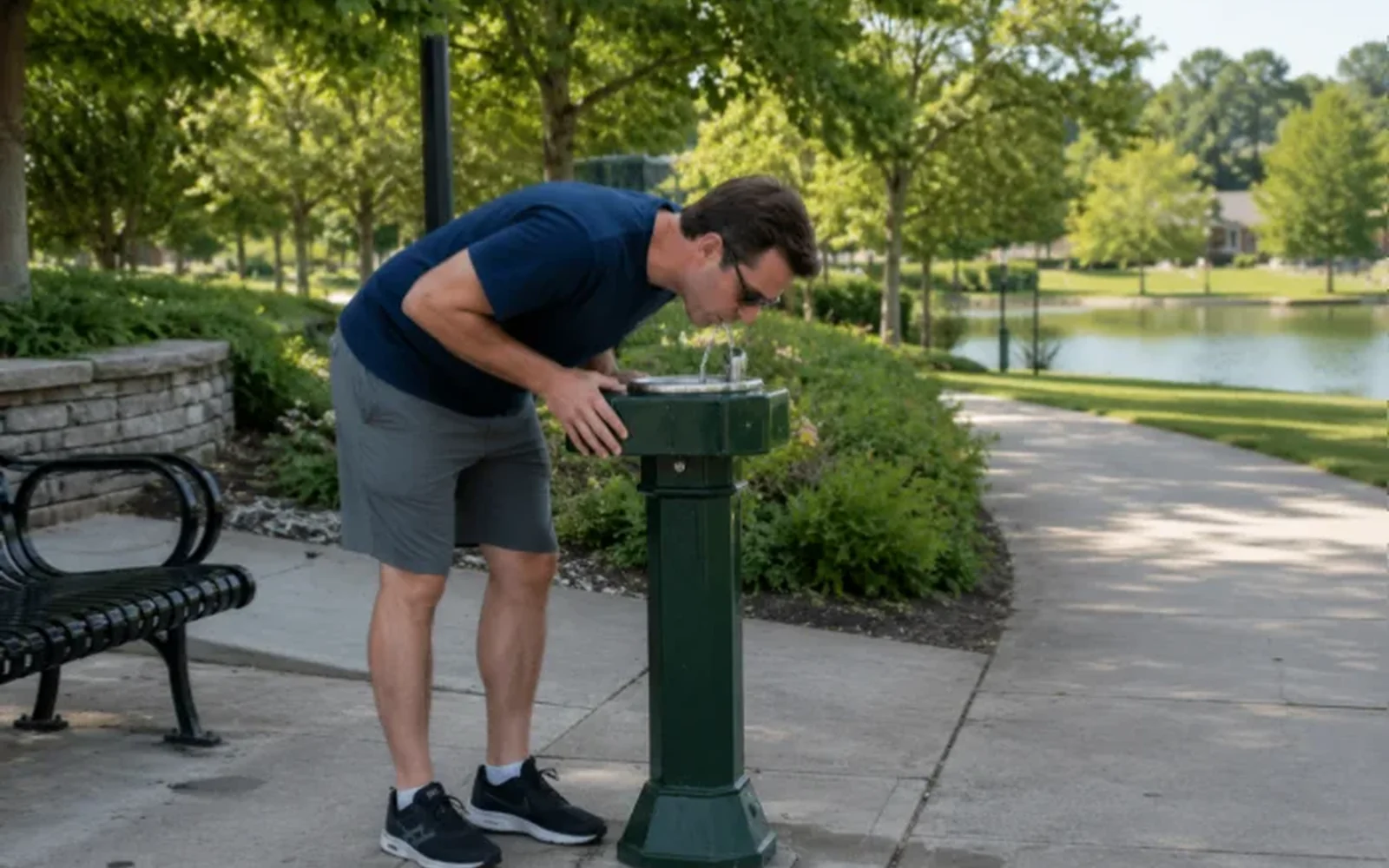
Oakland’s June 2026 check of Davie Tennis Stadium gives two different answers at one address. A fountain and bottle filler near the bathrooms were working. A fountain at the far end of the courts was out of service. If you’re choosing a site of your own, walk it at the hour people will actually need water. Pick a spot they can reach while it’s open, find without asking and queue at without blocking a doorway. Then make sure someone can get there to service it.
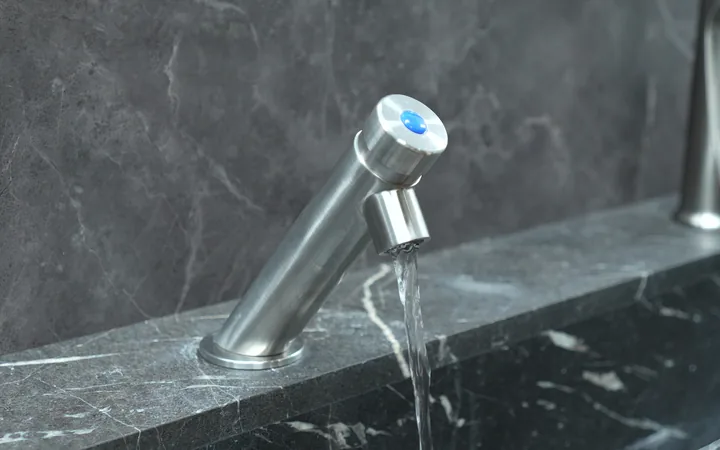
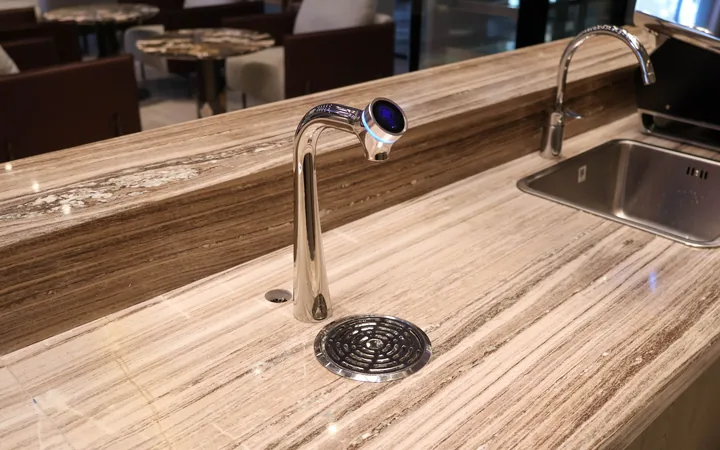
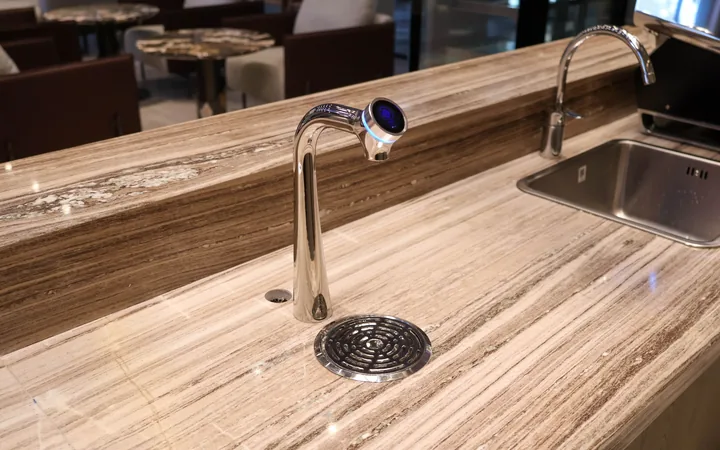
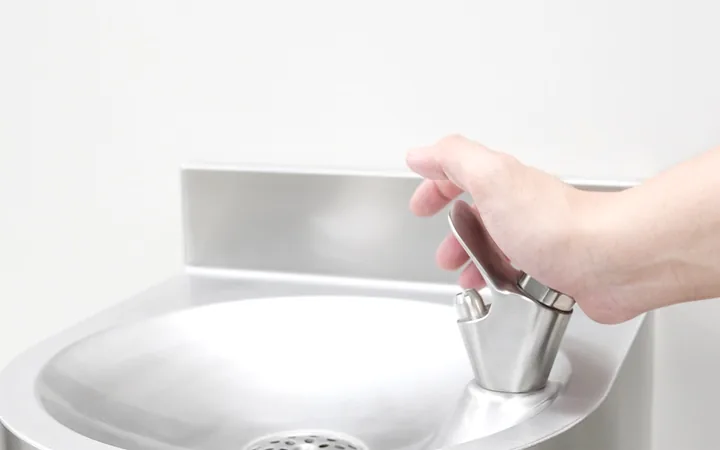
Try the route from the main entrance and from the busiest room. An outlet behind a door locked before the last class lets out is of little use to that class. For a U.S. project, distinguish the bottle filler from the drinking fountain on the plans. Where fountains are provided in covered new construction, additions or alterations, the Access Board guide calls for drinking access for wheelchair users and standing people. A bottle filler can be integrated with a compliant fountain but cannot replace either required drinking height. A fixed filler has its own approach and control requirements. Check the local building and plumbing rules as well.
Put the Pipes and Service Access on the Same Drawing
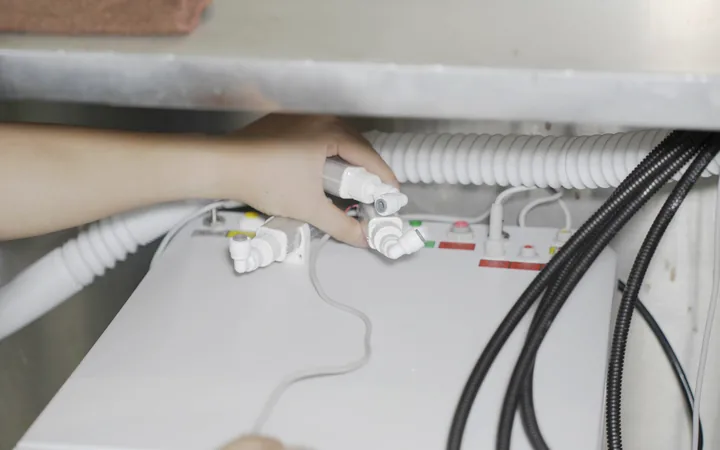
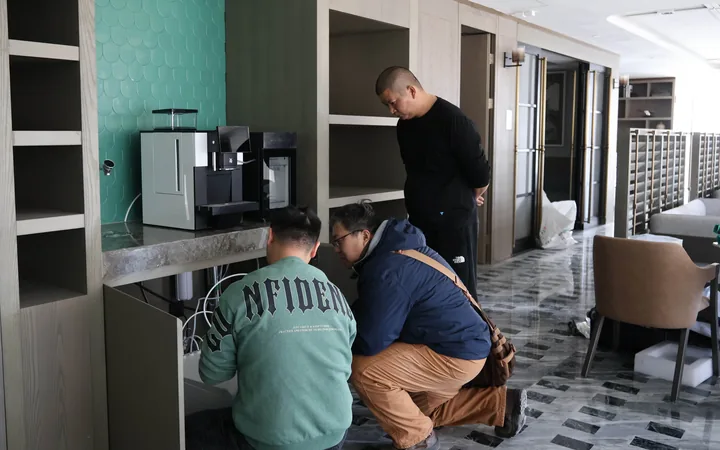
A sports hall may have room for a crowd at its side gate. Before taking the option seriously, confirm when the gate shuts, where the potable-water connection and drain would run, and who can reach the shutoff and service panel. Then walk the queue at the lobby option. Compare the two spots with facilities staff before ordering. They’re the people who will have to get a panel open without closing the main entrance.
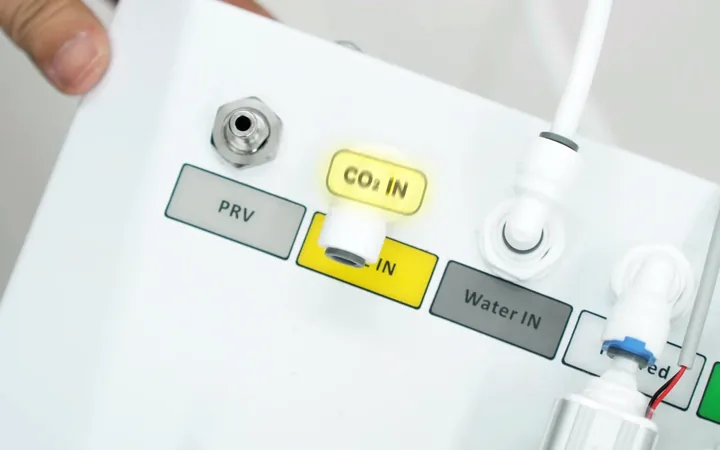
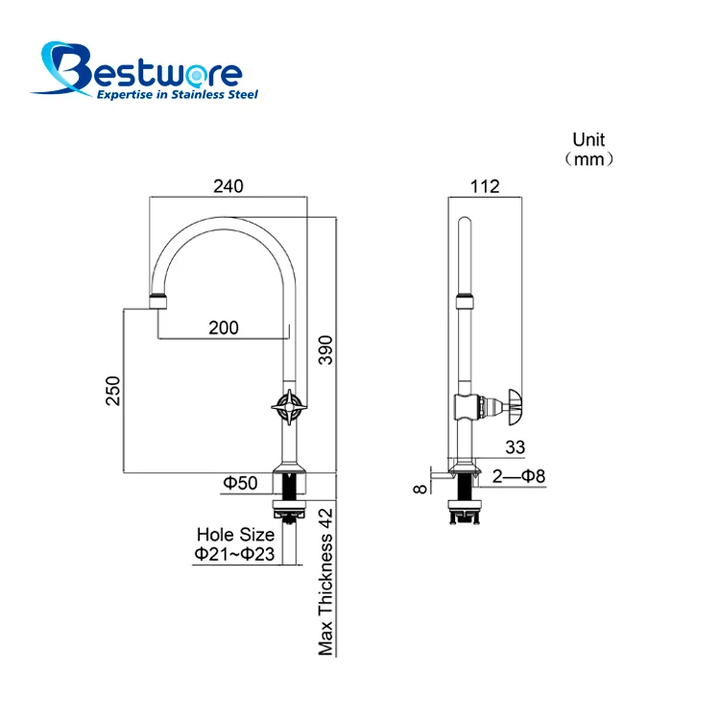
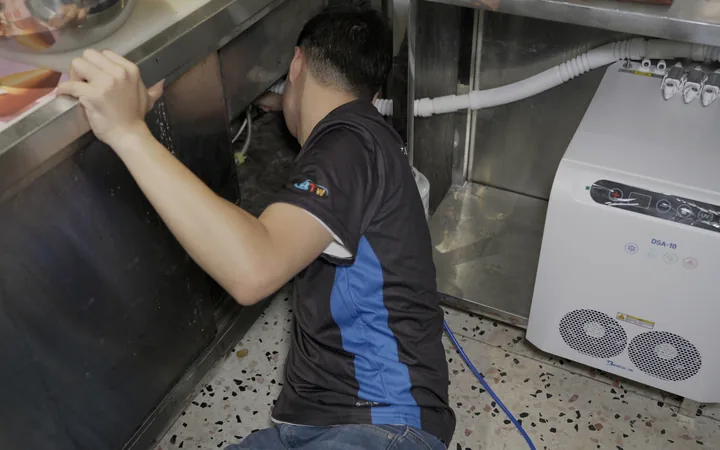
When you ask Bestware to review an installation, include the inlet and drain locations and a photo of the room around the proposed station, along with the tallest bottle people use. Ask the site engineer to record the project’s backflow protection, outdoor exposure and any power needed by the selected equipment. Hold the order if the available route, drainage or access for repairs is still uncertain.
Time What Happens Between Two Bottles
Run a trial while people are leaving, or stage that burst with the bottles they really use. Start the clock when someone walks up and stop it when the next person can step in. Log bottle size, wait and places where water splashes onto the floor. If you’re testing two outlets on the same line, run them together as well.
Say 30 people each want 500 mL within 10 minutes. That’s 15 L of demand. If water takes eight seconds to fill a bottle and the whole turn takes 25 seconds, one continuously occupied outlet can finish 24 fills within that window. The last six need another two and a half minutes at the same pace. Those are trial assumptions. Use your own results to decide whether a second outlet, a different queue layout or a signed route to another working station will solve the problem.
Give One Team the Authority to Reopen the Station
London’s public fountain partnership gives the equipment a named owner. City Hall confirmed in June 2024 that Thames Water owns the assets and funds their cleaning and maintenance for at least 25 years. The project asks a site host to provide access. The Greater London Authority says it does not hold the dates each unit broke or was repaired. Put that same distinction on your shift sheet so the person standing at the station knows whom to call.
Put the station ID on the outlet and in the public listing. Give the shift lead a place to record a stop and post the nearest available alternative, including its opening hours. Ask the technician to log work and any parts still due. The designated reopening lead verifies the work or other required water checks, then updates the sign and the public listing from the same record. Show the last check time so visitors can tell how current the listing is. When a building has been little used or shut for a long time, send the restart decision to its water-system lead.
Sources for This Edition
- City of Oakland — Water Refill Stations · List of Water Refill Stations, Davie Tennis Stadium, Last Checked Date Jun-26. The row identifies a working fountain and bottle filler near the bathrooms and a nonfunctional fountain at the end of the courts. The list warns that availability can change.
- Greater London Authority — Drinking Fountains for London Application Guidance, November 2018 · Physical PDF pp. 10–11 and 13. The project asks for evidence of footfall and public access, considers permission, supply and drainage, and requires site hosts to let Thames Water in to clean and maintain equipment.
- London City Hall — Water Fountains FOI, June 2024 · Reference MGLA130524-3239, Questions 2–3. Thames Water owns the project assets and funds maintenance and cleaning for at least 25 years. The Greater London Authority explains that it holds no repair-date records.
- Ayuntamiento de Madrid · Fuentes de agua para beber · Spanish national open-data catalogue record published by Madrid. Description of daily updates, intermittent faults and the separate long-term out-of-service list. The underlying municipal record and its data dictionary are listed in the internal research.
- 马宇晗,《朝阳报》· 朝阳公园增设户外直饮水机 · May 28, 2025, site reporting and park-management comments. Four then-installed units in trial operation, a labeled bottle-filling outlet and a rear maintenance door at the sports area. The article reports assigned daily cleaning and checks. It does not supply test results.
- U.S. Access Board — Guide to the ADA Standards, Drinking Fountains · Required Compliance, Water Coolers and Bottle Fillers, Common Questions. Drinking-fountain scoping and design under §§ 211 and 602; § 309 operable parts for fixed or built-in bottle fillers. Projects also check other applicable codes.
- CDC — Reopening Buildings After Prolonged Shutdown or Reduced Operation · February 6, 2024, Hazards and Steps. The building-level guidance concerns prolonged shutdown or reduced use. Site management applies its own water procedure when relevant. The guidance does not prescribe a one-size-fits-all restart for a single mechanical fault.
- Public Sports Hall Refill — Worked Queue Example · Hypothetical 30 users each filling 500 mL within 10 minutes. 15 L total. Illustrative 8-second draw and 25-second whole cycle, including bottle placement and clearance, yield 24 completed fills in 10 minutes at a continuously occupied outlet. Six remaining fills take another 150 seconds at that pace. Neither figure is a manufacturer rating or field result.
- Bestware — Hand Over Water Stations to Site Teams · Assign shift contacts and verification at handover.
- Bestware — Water-System Installation and Handover · General installation and acceptance worksheet for water, drainage and installed conditions.
Continue With These Decisions
- How to Plan Gym Bottle-Filling Stations Around Class Changeovers
Apply the site walk to a gym at its busiest changeover.
- How to Plan for a Restaurant Water Outage
Assign a backup water point and the person who can open it.