Stand Where Two Classes Come Out
If two studio doors open together, a refill point in the corridor can fill up faster than the same point on the training floor. Walk the route at a real changeover. Count the people heading for the outlet in the first few minutes and watch where the queue ends. People arriving for the next class need room to get past the people who have stopped to open a bottle.
The University at Buffalo lists its usual weekday fitness center peak as 4 to 8 p.m. It recommends reusable non-glass bottles and says there are filling stations throughout the facility. Use an operator’s published peak hours to choose when to stand by the doors. For your own site, mark which classes finish together, then compare those arrivals with a stretch of open training.
Count Full Bottles Before the Next Class
In a planning example, 28 people are ready to fill 750 mL bottles in a seven-minute window. Give each person 14 seconds at the station to place the bottle, use the control, take the bottle away and clear the spot. At an assumed 2.5 L/min, water flows for 18 seconds. Each turn takes 32 seconds, so one point can finish 13 full turns in 420 seconds. Two points that maintain the same flow can finish at most 26 between them, leaving two people waiting. That total assumes people are ready as soon as the clock starts, both points can run at once, and each point gets its next user without a gap.
If opening both points on a shared branch brings each example flow down to 1.8 L/min, each fill now takes 25 seconds of water flow and a 39-second turn. Each point finishes ten, for 20 out of 28 and eight still waiting. If 26 people arrive instead, the first two-point setup would just clear the line and the shared setup would still be six short. Put a stopwatch on the system before deciding whether to change the pipe, move the second point or stagger the classes.
Bring the Bottles Members Actually Use
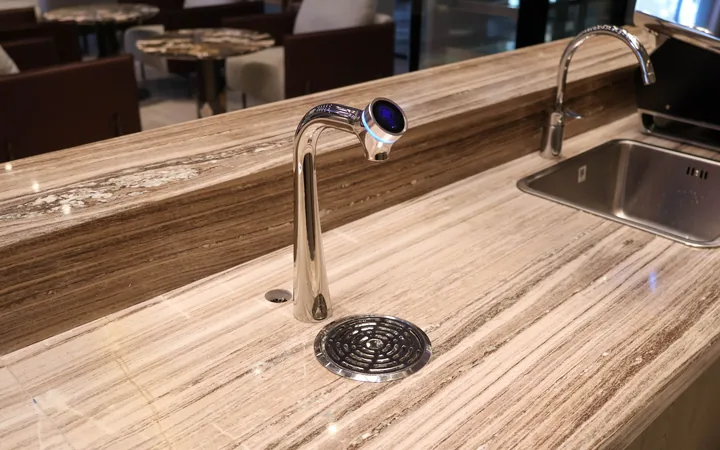
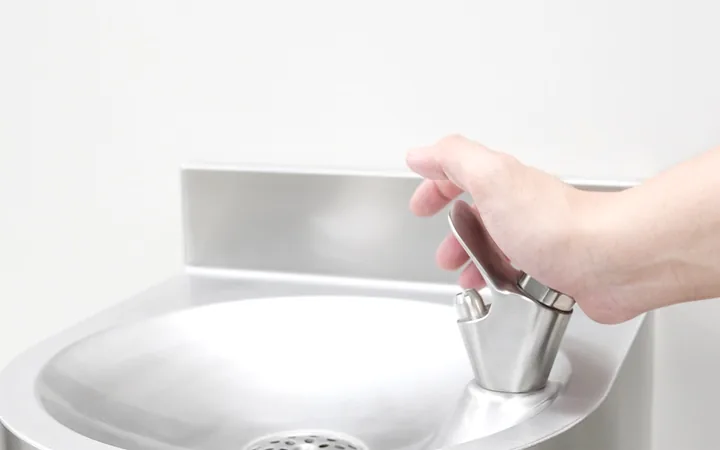
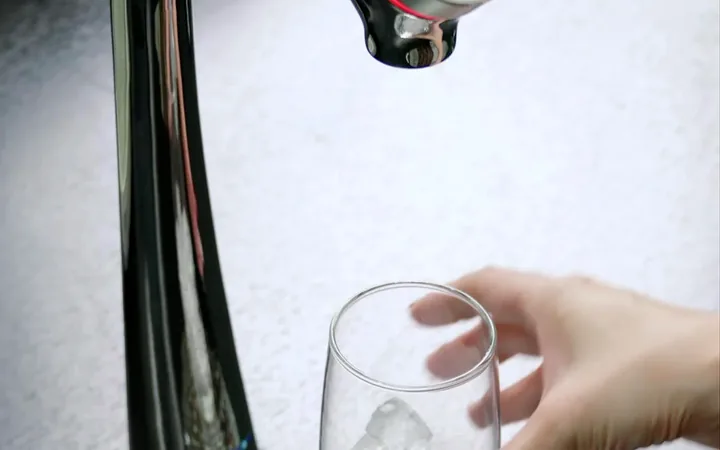
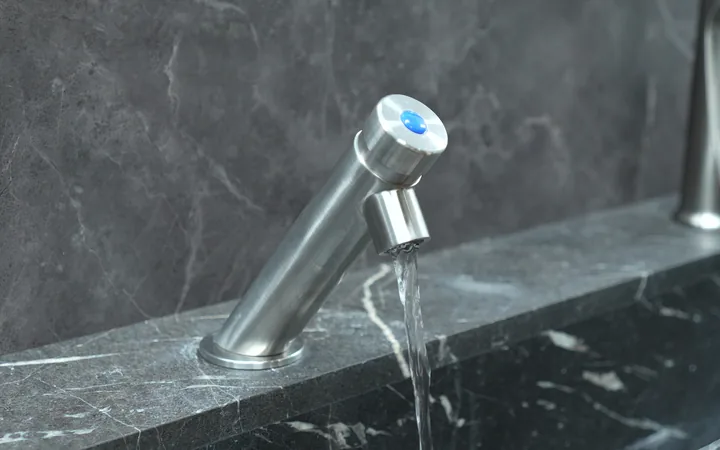
Set a tall sports bottle, a wide shaker and a small bottle on the proposed ledge. Follow the whole task from approach to exit. See whether a member can operate it with one hand with the cap off and the bottle out of contact with the nozzle. Watch where a splash goes when a narrow mouth is held off-center, and whether the floor or drip tray is still easy to reach for cleaning.
At the installed point, check the route, the clear space for the specified front or side approach and the reach to the controls. Where U.S. ADA requirements apply, check one-hand operation, grip and operating force against the applicable rules. If covered new construction, additions or alterations provide drinking fountains, check the required wheelchair-height and standing-height drinking access separately. A fixed bottle filler can be integrated with a fountain. Keep the required drinking access when you choose that arrangement.
Check outlet clearance and splash with the bottles you expect
Open Both Points During the Same Test
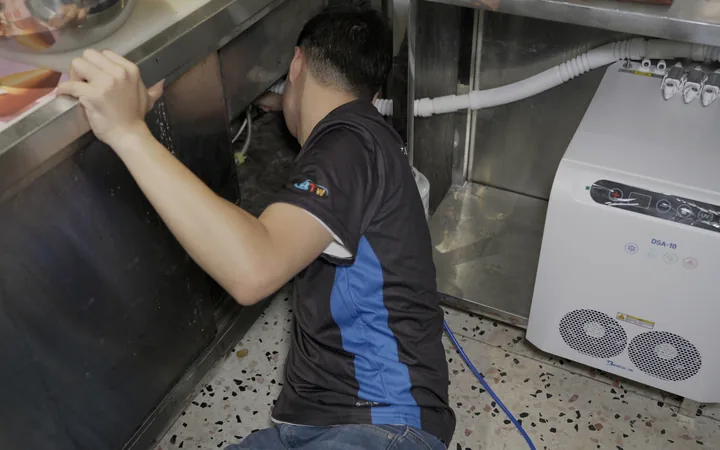
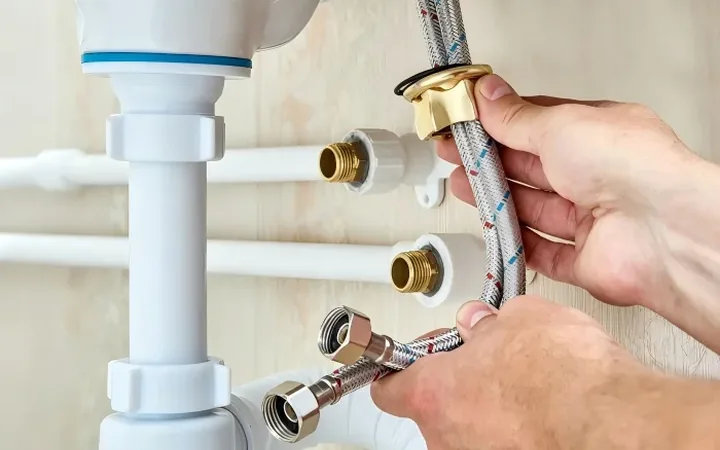
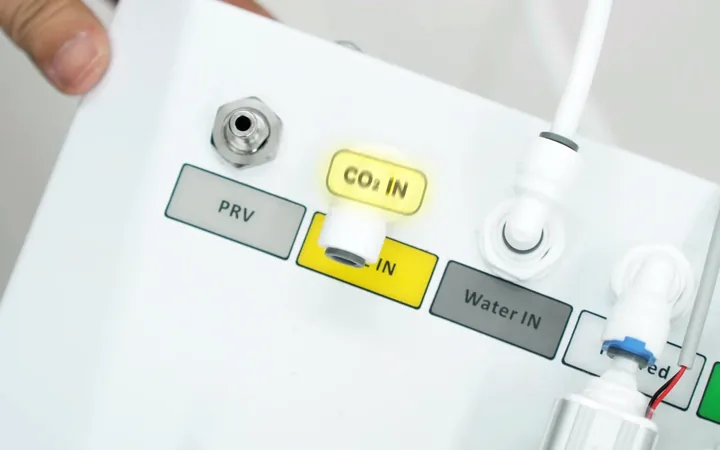
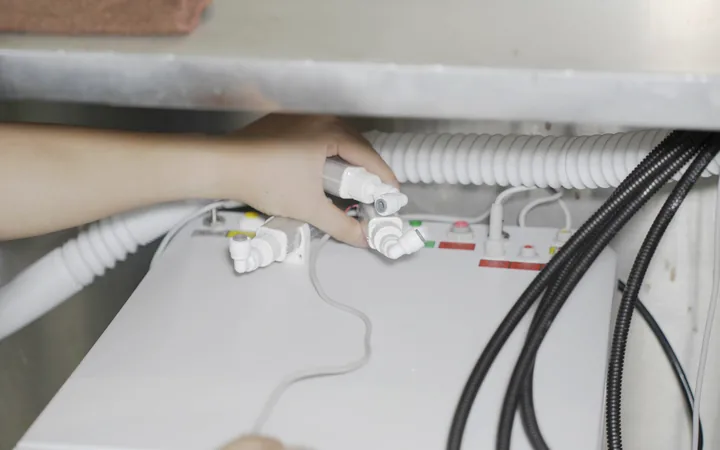
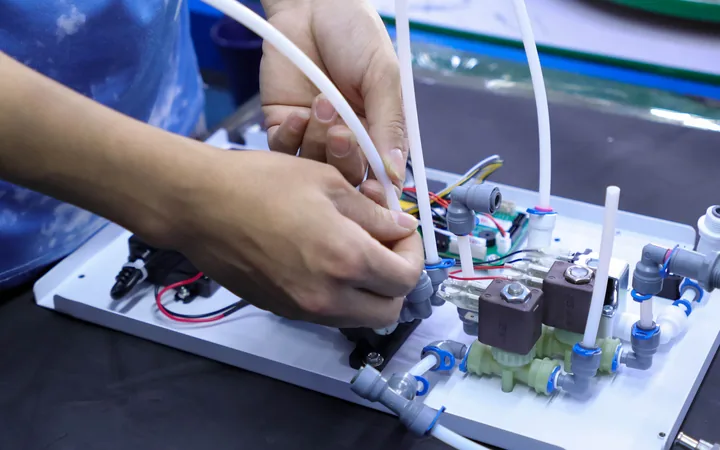
Have the installer trace each point back to its drinking-water supply. Record the inlet temperature, water treatment already in place and pressure with the outlets closed. Then measure at the equipment inlet while the first point runs, the second runs and both run together. Repeat during the nearby water use that actually overlaps your classes. If both feeds come off the same filtered branch, note that on the sketch before changing the layout.
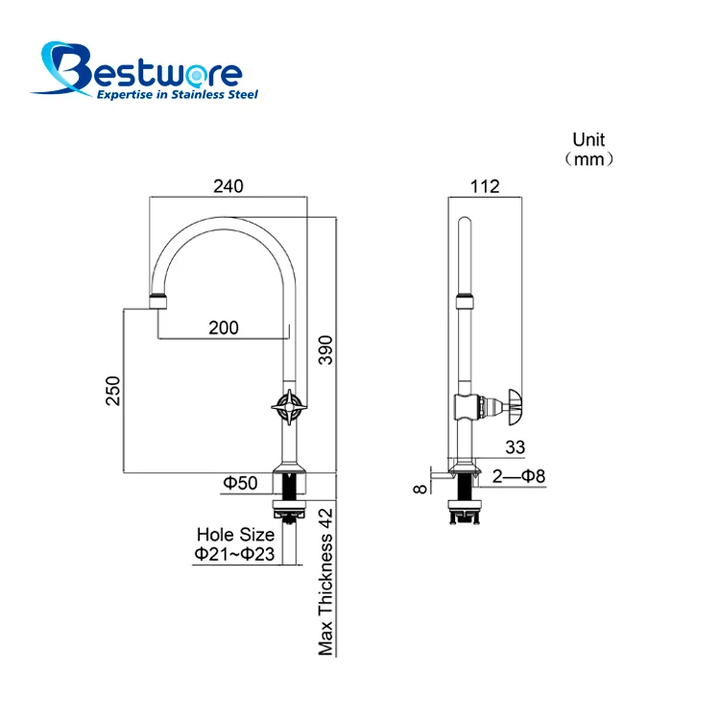
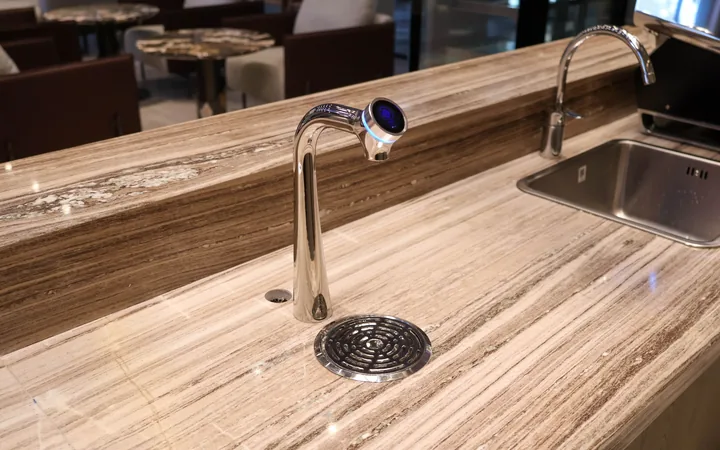
For example, a venue considering the Bestware G1DS-123 can check the manufacturer’s 0.15–0.6 MPa water-pressure range for the chilling unit. On site, time the fills. For chilled service, take the first and last bottle temperatures at the same sample point and volume. Measure the first bottle again after the normal gap between classes. Write down whether a shared chiller is serving anything else. If plain water and a sparkling or mixed drink also share the area, count the waiting lines and the work to prepare each offer.
Give the Shift Lead and the Installer Different Jobs
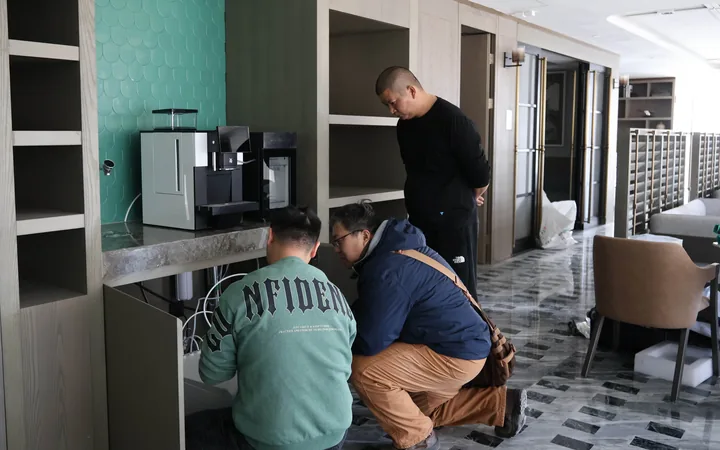
An operator planning a sports venue can put layout and maintenance on the same meeting sheet. Xi’an Olympic Sports Center’s operator brought its operations, engineering and property teams together to discuss drinking-water service and arranged visits to the venues. The September 4, 2026 response proposed installing hot-and-cool drinking-water units in phases at entries, exercise areas and waiting areas. Checks, filter changes and cleaning were planned after commissioning. At publication the site was still preparing utilities and selecting equipment.
For the gym trial, have the shift lead record how many bottles finish before the next session and whether people can still pass the studio. Have facilities own the inlet and temperature readings. Put the drip-tray cleaning and filter record with the team doing that work. Use the busiest normal changeover for final acceptance, with a target for completed fills, cold-water temperature if part of the service, and an unobstructed exit.
Sources for This Edition
- University at Buffalo Recreation, REC: Fitness Center · About and FAQ. The Fitness Center is in 175 Broadview Arena. Weekday peak hours are generally 4–8 p.m. The venue recommends reusable non-glass bottles and reports filling stations throughout the facility.
- Xi’an Olympic Sports Center Drinking Water Proposal Response, Letter 26 (2026) · Published September 4, 2026. Sections I–II cover the site survey, proposed points at court entrances, exercise areas and waiting areas, preparatory water and electrical work, and the operating arrangements planned after commissioning.
- U.S. Access Board, Guide to the ADA Accessibility Standards: Drinking Fountains · Water Coolers and Bottle Fillers. Covers accessible route, clear floor space and operable controls for fixed units. Its new work and alteration examples distinguish added bottle fillers from the required wheelchair-accessible and standing-height drinking fountains when fountains are provided.
- Bestware G1DS-123 Technical Data · Technical Data, Chilling Unit Water Pressure Range, 0.15–0.6 MPa. This is the published cold unit water-side specification, not a measured outlet flow, temperature recovery or carbonation-side pressure.
- Illustrative Seven-Minute Fitness Studio Changeover · Assume a 420-second window, 28 people ready with 0.75 L bottles, 14 seconds of same-point handling per person, independent operation with an even enough split, and no interruptions. At 2.5 L/min each fill uses 18 seconds of flow plus the 14-second task, giving floor(420/32) = 13 per point. Two points at 2.5 L/min each give 26, short two against 28. If test inputs for concurrent flow are 1.8 L/min per point, 25 seconds of flow plus 14 seconds yields floor(420/39) = 10 per point, 20 in all, short eight against 28. With demand of 26 the same ceilings leave zero or six unserved. Illustration only.
- Bestware Guide to Matching Dispensing Flow and Containers · Checks for container shape, stable handling and splash at a real outlet.
- Bestware Guide to Water Equipment Pilot Acceptance · Record the first serving, repeated dispensing, recovery, and retest under agreed site conditions.
- U.S. Access Board · Operable Parts, §309 · Operable Parts, §309, clear floor space, reach ranges and operation.
Continue With These Decisions
- How to Site, Test and Maintain a Public Water Refill Station
Apply the site walk to a refill point open to the public.
- How to Check Inlet Pressure and Flow for a Water Dispenser
Measure pressure at the inlet while someone is drawing water.