Put Water on the Site Walk
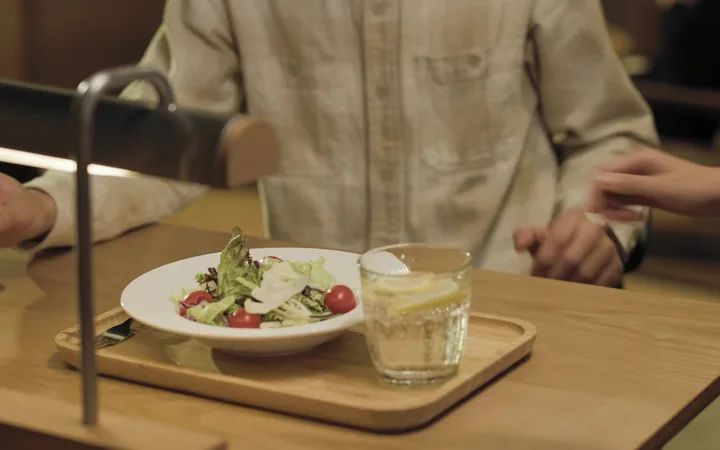
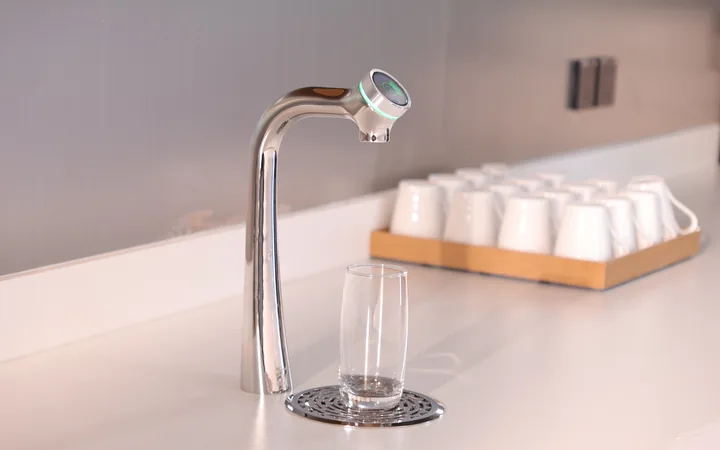
Start at the door through which most people will come out for a break. Walk to the nearest proposed drinking-water point and keep going until you can see where the line will end. Mark the accessible approach, the place to set a bottle down and the way out once it is full. Repeat the route with barriers, cables and tables in their event positions.
Name the venue lead who can confirm the drinking-water source, what the temporary setup can connect to and who clears it for public use. If testing is required for that supply, build sample transport and lab turnaround into the setup schedule. The crew needs to know which outlet provides drinking water and where to send guests if a line or connection is closed.
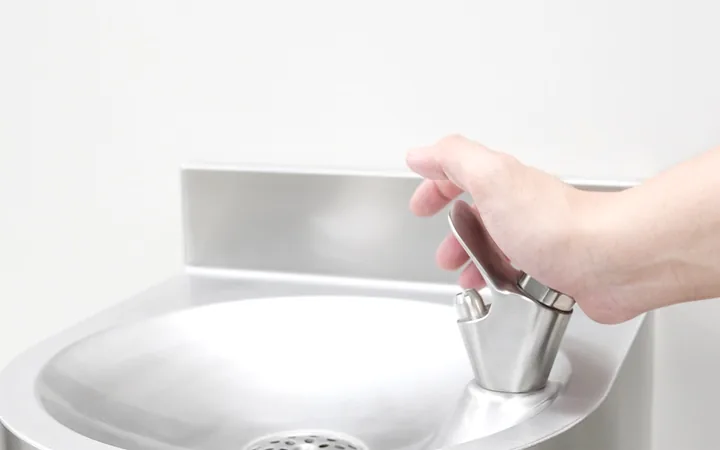
Walk and check the accessible route all the way to the outlet
What Glastonbury Put in Its Visitor Information
Ahead of Glastonbury 2025, the organizers asked visitors to bring a reusable bottle and refill it from one of hundreds of free taps. A separate access guide identified accessible sinks and freshwater points within the staffed Spring Ground campsite. It also described the uneven ground and the places that could become muddy or waterlogged in poor weather.
Mark your own refill points on the guest map and check what signs someone can see after they join the crowd. An accessible point needs a route you can keep open during the break. Put a name beside the person who walks it again at opening and after a change to a queue or barrier.
Count Fills During the Busiest Twelve Minutes
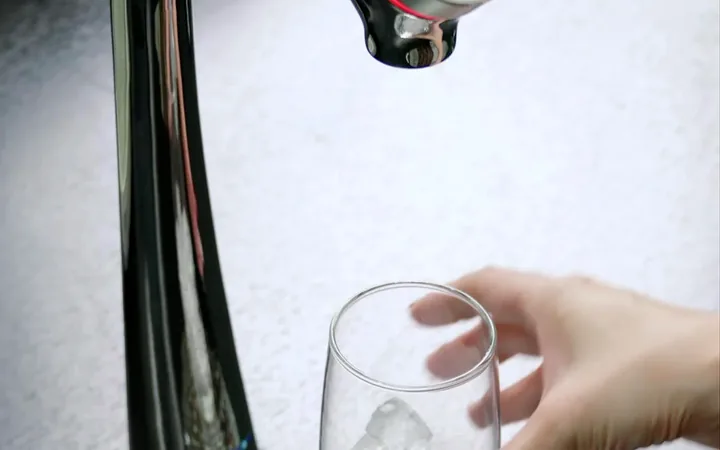
In a planning exercise, 54 people each want 500 mL during a twelve-minute break. That is 27 L, or an average demand of 2.25 L/min. To see how many people can get to it, time the full exchange with real bottles: approach, place the bottle, fill it and clear the point.
Say that exchange takes 20 seconds with both points running. One point could complete 36 fills in twelve minutes at that pace, and two could complete 72 if they keep the same pace without gaps. If one closes, the remaining point is at least 18 fills short of the example demand even at that pace. The actual arrival pattern may still produce a line with two points. Check simultaneous use on the real supply and run a second wave after the actual break interval.
Write the simultaneous fill and second wave into the pilot test
Set a Place for Clean Cups and Another for Returns
For the 2026 Cruïlla festival, the organizer’s instructions sent used cups and containers to four signed fixed points or to ten mobile collection trolleys. That tells a guest where to bring a cup back. The next question for the venue is how quickly that used stock can return clean, and where clean stock waits in the meantime.
If 24 people in the example need a loan cup and none can be washed and put back in time for the same break, stage at least 24 clean cups for those fills. Keep an agreed reserve separately. Give the return crew a pickup route that avoids the water line, and only reissue cups after the site’s required wash and hygiene steps.
Tell the Crew When to Send Guests Elsewhere
Walk the alternative route before opening. Agree who can close a point, who sends people to another cleared drinking-water point and who changes the map or signs. If two outlets share a supply, a problem upstream may take both out. Have the venue lead distinguish a second outlet on the same supply from a genuinely separate backup.
On the opening check, write down the active points, where the accessible route starts, the clean stock count and who takes over at the next shift. Keep the change record where refill, return and floor crews can see it.
Sources for This Edition
- Glastonbury Festival · Pack a Reusable Water Bottle for This Year’s Festival · Organizer’s June 16, 2025 public note. Visitors were asked to bring reusable bottles to refill free from hundreds of taps. No capacity or actual fill count is stated.
- Glastonbury Festival · Access Information 2025 · PDF pp.5 and 11. Section 4 lists accessible sinks and freshwater points inside staffed Spring Ground accessible campsite. Section 16 discusses uneven, muddy or waterlogged terrain. The campsite details refer to that facility.
- Festival Cruïlla · Vasos y envases reutilizables, 2026 · Organizer’s 2026 public return instructions, first two paragraphs. Four marked fixed return points or ten mobile collection trolleys staffed by the festival’s Green Team. This is the announced setup, with no actual return yield or wash capacity in that document.
- Drinking Water Inspectorate · Festivals and Temporary Events · Key considerations, England and Wales private and onward-distributed supplies. Plan before the event, allow for transport, analyses and reporting turnaround where sampling is required, and set contingency procedures. Approval follows the venue’s actual supply and jurisdiction.
- NSW Health · Guidelines for Music Festival Event Organisers · PDF p.11, printed p.9, drinking water guidance. Mark locations on visitor maps and post signs, consider points separate from bars, and check and maintain clean outlets. Apply this as an example of event planning scope, with local conditions separately assessed.
- GOV.UK · Food Hygiene for Businesses, Cleaning · Cleaning schedule and record, including regular cleaning of utensils and dishes. The event uses locally applicable vessel cleaning and hygienic handling rules.
- Illustrative event demand and two-point dry run · Assumptions: 54 fills × 500 mL = 27 L within 12 min, equal to 2.25 L/min of demand over the window. Each point at a full 20 seconds per fill, including handling, can ideally complete 36 fills in 12 min, two can complete 72. One point is short by 18 fills. Of 54 fills, if 24 need clean loan cups and none returns ready during the break, stage at least 24 clean cups for that demand, with any reserve separately set.
- Bestware Wiki · Specify an Accessible Drinking Water Point · Walk the approach, reach, tap or bottle filler and clearance with actual users and the local requirements.
- Bestware Wiki · Plan Water Equipment Pilot Acceptance · Prepare the operating condition, busiest sequence and repeat test before accepting the installation or relying on a portable station.
Continue With These Decisions
- How to Specify an Accessible Drinking Water Point
Walk and check the accessible route all the way to the outlet
- How to Test a Commercial Water Dispenser Before You Accept It
Write the simultaneous fill and second wave into the pilot test