Give the Installer the Rating and the Operator a Service Target
Give the installer the nameplates and the wiring information for the units that will actually arrive. Give the operating team a different brief: count the hot water you can serve at the required temperature and measure the electricity used to provide it.
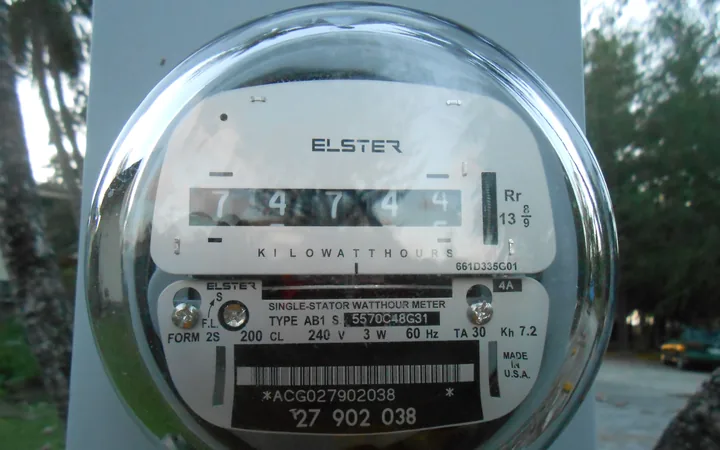
If a heater rated at 1.5 kW runs at that input for 96 minutes, it uses 2.4 kWh over that interval. An eight-hour shift tells you when staff need the station running. It takes a meter to tell you how much electricity the heater or the complete station used in those eight hours.
Read the Heater and Chiller as Separate Loads
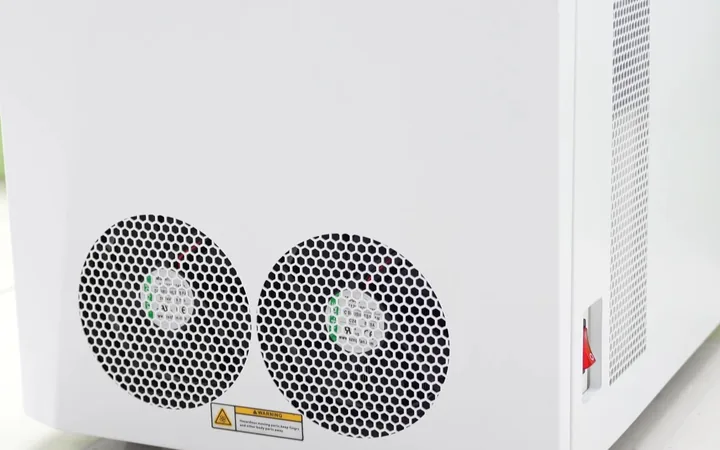
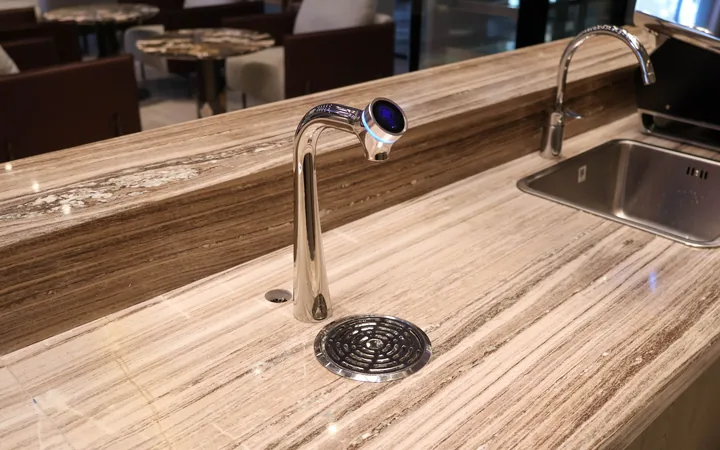
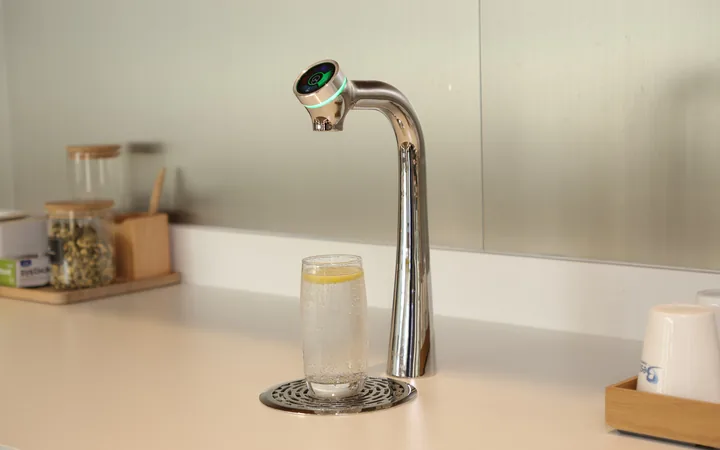
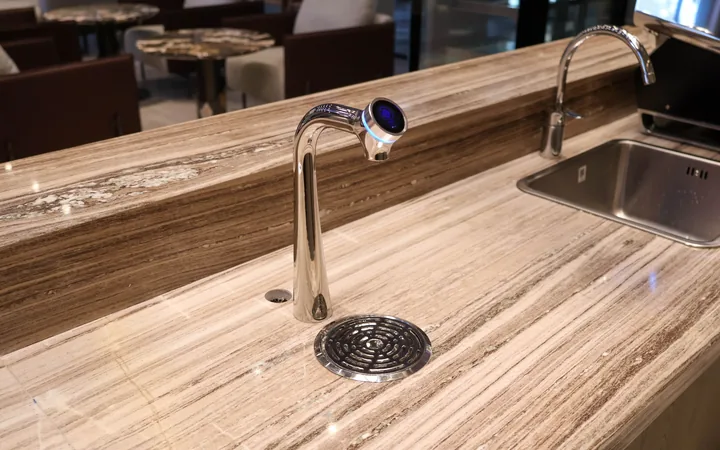
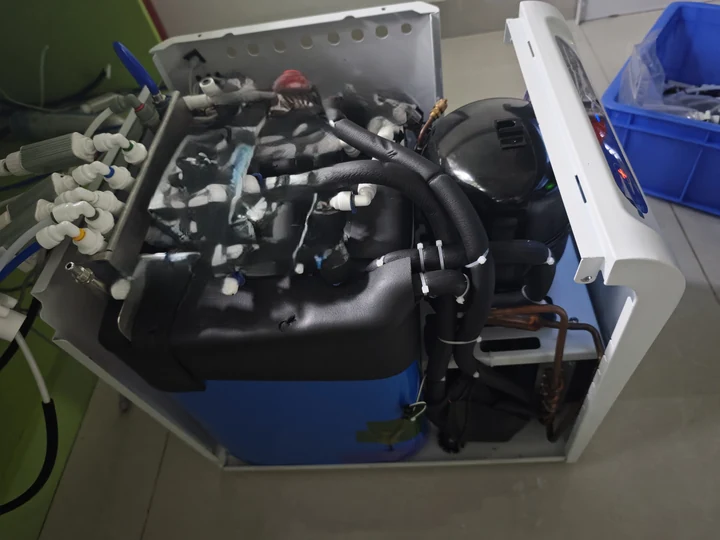
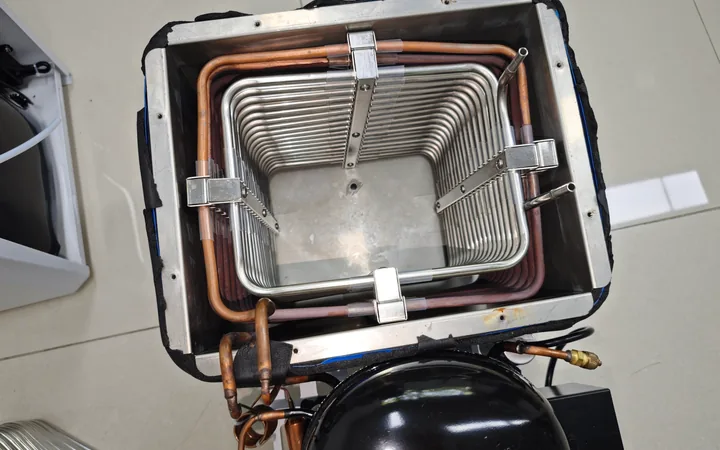
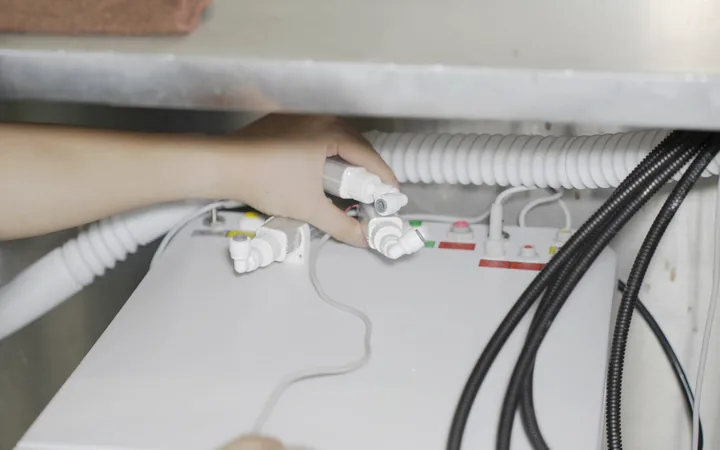
On a Bestware G1DS-123 quote, check the voltage next to the heating-unit rating. The published table pairs 1,200 W with 110 V and 1,500 W with 220 V. Chilling has its own specifications. The installation drawing shows the assemblies separately and calls for one power outlet per unit.
Put both labels and the installation drawing on the electrical review. The installer needs the actual electrical variants, plug or connection details and the other loads that may be running in the same space. In the energy log, mark whether the meter covers just the heating unit or the whole station.
Test a Second Set of Cups While It Still Matters
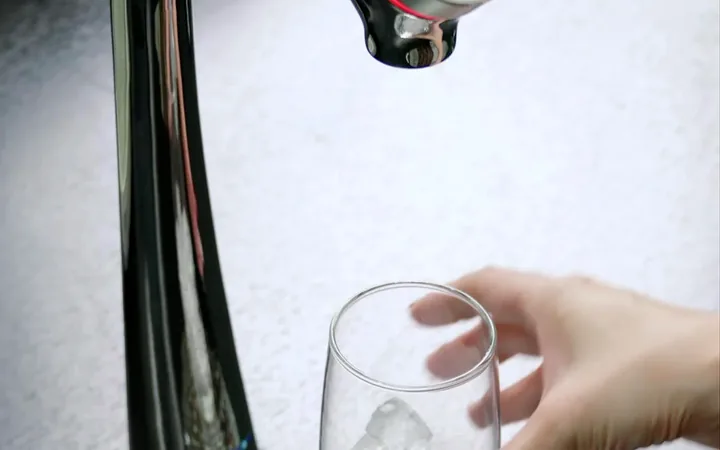
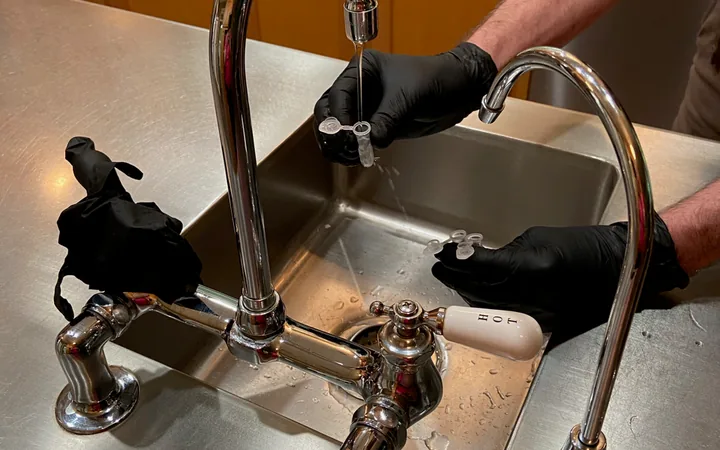
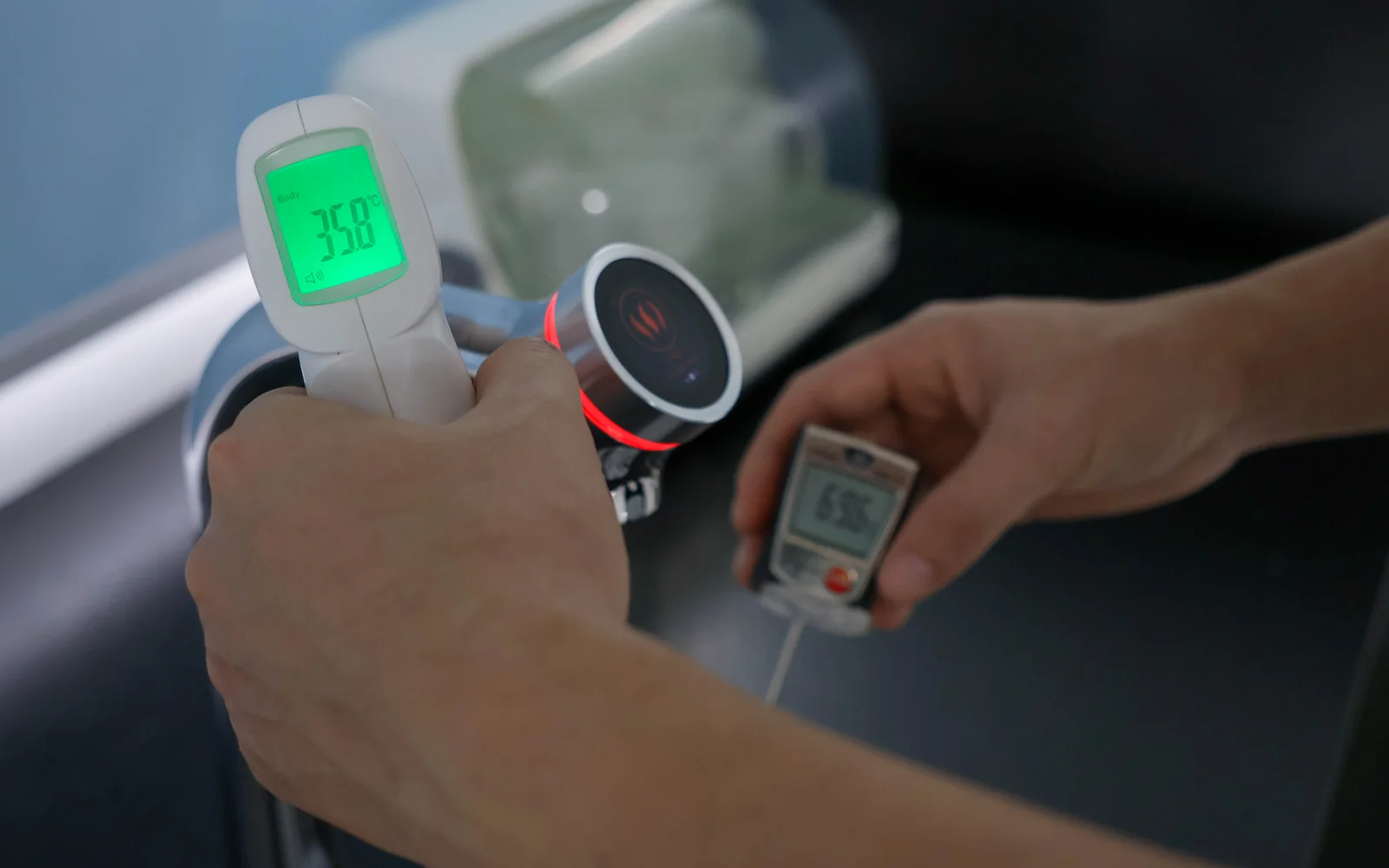
Suppose a team needs twelve 250 mL draws at 78°C for a training break, then another twelve soon after. Set the draw rhythm before the test. Log inlet temperature, the actual amount and temperature of each draw, when the last acceptable cup was filled and when the same run can pass again. Use a suitable water-temperature probe at the agreed point, and note the time between groups. Have trained staff run the trial with stable, heat-safe vessels while the station is closed to guests.
With 18°C inlet water, heating about 3 kg of fresh water to 78°C takes roughly 0.21 kWh of heat. At 1.5 kW, transferring every watt to that fresh water would take about 8.4 minutes. That is a calculation for a fresh batch. Stored hot water can help deliver the first servings, and tank and pipe losses change the real recovery. Use the repeat run to set the service interval.
Leave Room on the Meter Log for Quiet Hours
In a 2016 Hong Kong Consumer Council and EMSD test of eleven household hot-water pots, keeping water hot for 24 hours after boiling used 0.48–0.67 kWh in the three samples advertised as vacuum-insulated and 0.86–1.44 kWh in the eight regular samples. Those are household results. What matters at a commercial station is also how much an idle period costs on the equipment actually installed.
For a comparison, use similar days from opening to the next opening. Write down the settings, inlet and room temperatures, hot water served, and what the meter includes. Keep the first acceptable draw after the quiet period on the sheet. If the installed unit supports a different standby schedule, compare it under the same water-management routine and make sure it can meet the first order on time.
Sources for This Edition
- Bestware · G1DS-123 Specifications: Heating Unit · Heating Unit table, row 4, Heating Power Rating: 1,200 W (110 V) and 1,500 W (220 V). Chilling and heating each have a separate specifications table.
- Bestware · G1DS-123 / G1DS-1023 Installation Manual, 2026 V1.2 · PDF p. 9 (printed pp. 13–14), Required Space and Placement Requirements and Water and Electrical Positioning Requirements. Separate heating and chilling units; the latter drawing calls for one outlet per unit. Confirm actual project variant and electrical design locally.
- OpenStax College Physics 2e · Electric Power and Energy · §20.4, Electric Energy. Energy equals constant power times elapsed time. Running a thermostatic heater for an assumed full-input interval is an illustration; meter readings at the agreed measurement boundary establish input energy.
- OpenStax College Physics 2e · Temperature Change and Heat Capacity · §14.2, Table 14.1, Q = mcΔT and water reference specific heat 4,186 J/(kg·°C) at 15°C. Calculations use that approximate constant over the illustrative interval; 3,600 kJ = 1 kWh.
- Hong Kong Consumer Council / EMSD · Electric Hot Water Pot Test, November 2016 · November 15, 2016 original release; 11 household electric hot-water pots. 24-hour hold after boiling: 0.48–0.67 kWh among three samples claiming vacuum insulation; 0.86–1.44 kWh among eight regular samples. Household sample only.
- Bestware Wiki · Check Temperature at the Brewing Point · Agree where and when the outlet and the vessel will be measured, including first-draw conditions.
- Bestware Wiki · Measure Dispenser Energy Use · Record a complete measurement period, the meter boundary and service conditions.
Continue With These Decisions
- Why the Water in Your Teapot Is Cooler Than the Display Shows
Choose the measurement points for the outlet and the cup
- How to Measure a Commercial Water Dispenser’s Energy Use
Set up the full-day kWh comparison