Start With the Orders That Overlap
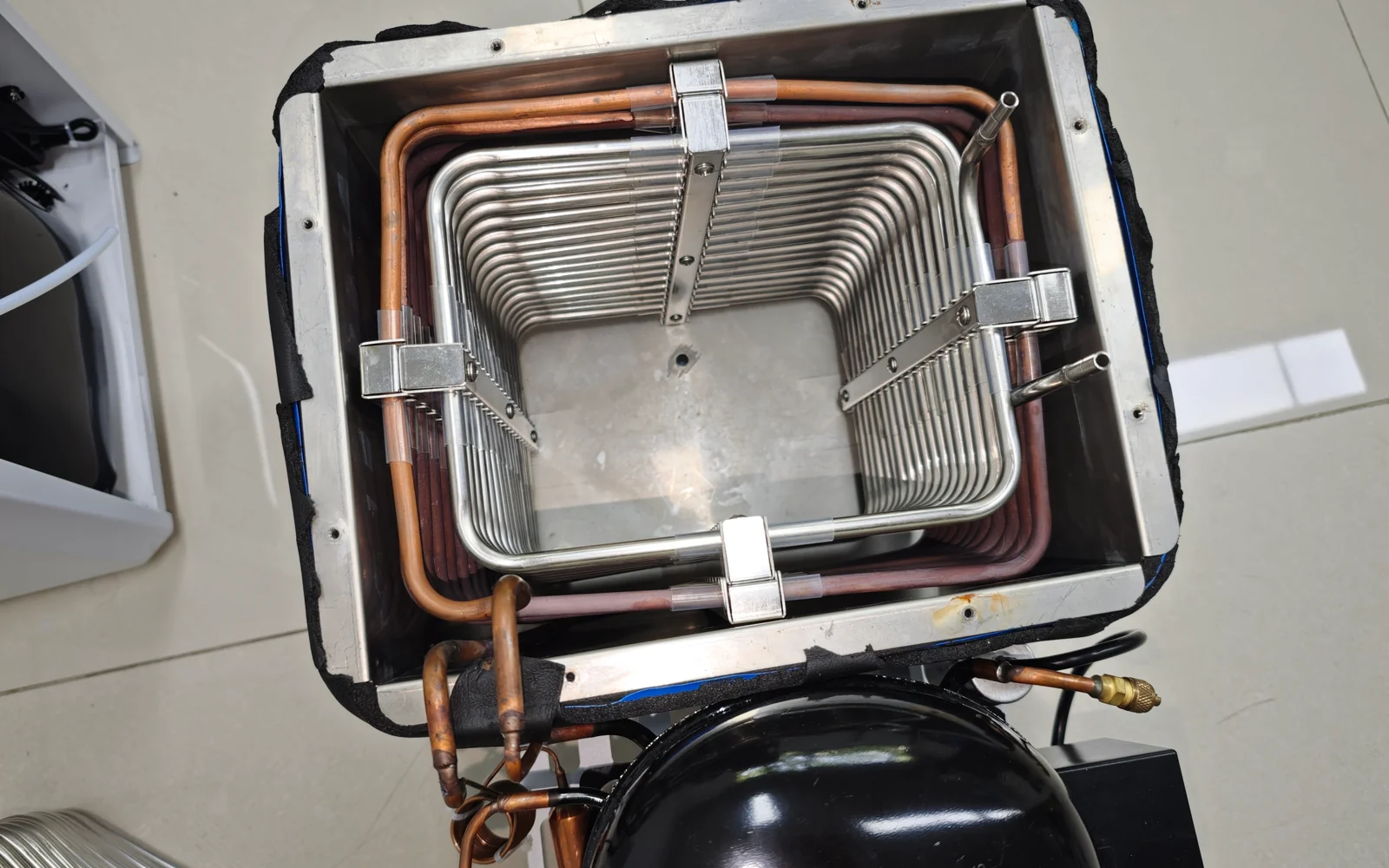
The coffee station needs hot water while the counter is filling bottles of chilled water. That is a useful window to test heat recovery. The chiller moves heat out of the cold water. The heat rejected on the warm side also includes energy from compression. A recovery circuit can use part of that heat to preheat water headed for the heater. The recovered heat has to reach water that will be used, at a temperature useful to the system.
Ask what happens when the hot tank is already full and up to temperature, or on a morning when nobody draws chilled water. Some layouts store heat until later, with storage losses and a limit to how much can be kept. The regular heater may still have to bring water to the serving temperature. Before choosing the layout, write down when both services are needed and how much is drawn in each period.
Measure the Heat Where It Enters the Water
In a 2008 experiment, Marchi Neto and colleagues used a modified household refrigerator to warm a separate tank of water. They monitored water temperatures at different heights over 24 hours. The paper reported the store was thermally charged after about 17 hours, with the top still about 5 °C warmer than the bottom. That gives a buyer a concrete question. Does the report show what the water received at the intended point, or just the warmest reading in the tank?
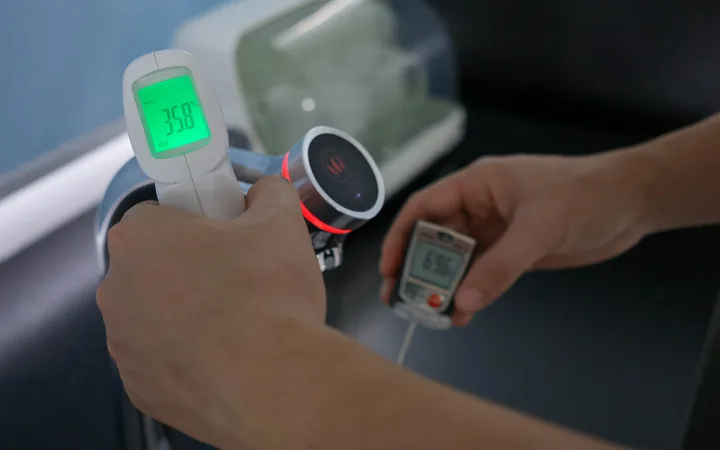
Suppose a documented recovery stage alone warms 20 kg of water from 15 °C to 25 °C before the final heater. Multiplying 20 kg by water’s approximate specific heat, 4.186 kJ/(kg·°C), and the 10 °C rise gives about 837 kJ, or 0.23 kWh of heat delivered to that water. Those are example values. If inlet temperature or flow changes during a run, ask the tester to log both temperatures and mass or flow over the same period. Keep the thermal result in its own column.
Ask Which Numbers Are on the Spec Sheet
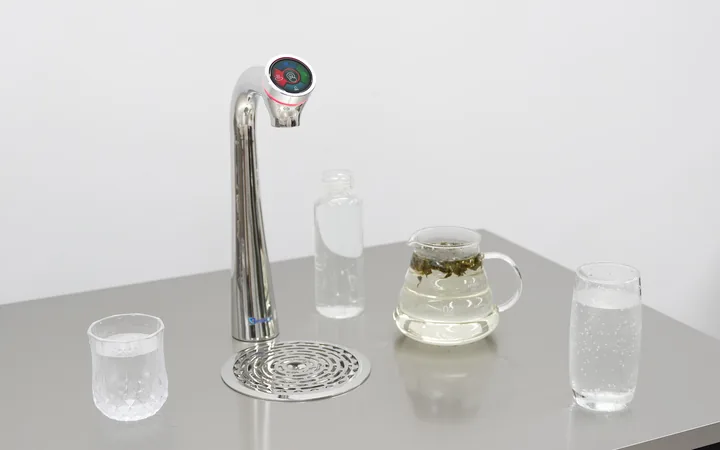
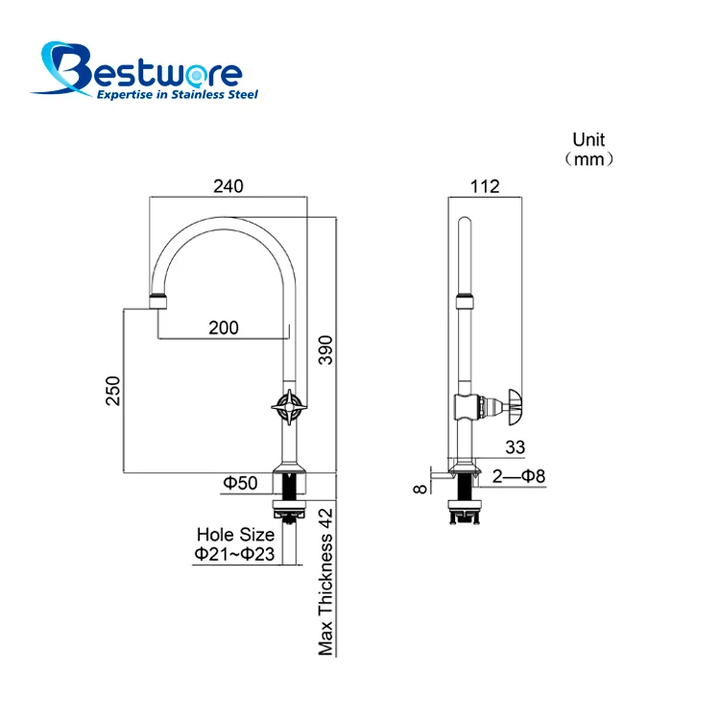
Bestware’s G1DS-123 lists chilled, sparkling, hot and ambient water, with separate chiller and heater specification tables. The heater is rated at 1,200 W for the 110 V version or 1,500 W for the 220 V version. That is electrical power at the stated model configuration. For heat recovery, ask for the exact model diagram with the transfer point and the separation between the heat-transfer circuit and the drinking water marked. Ask for measured useful heat delivered to the water. To compare running cost, ask for metered kWh over a defined service period.
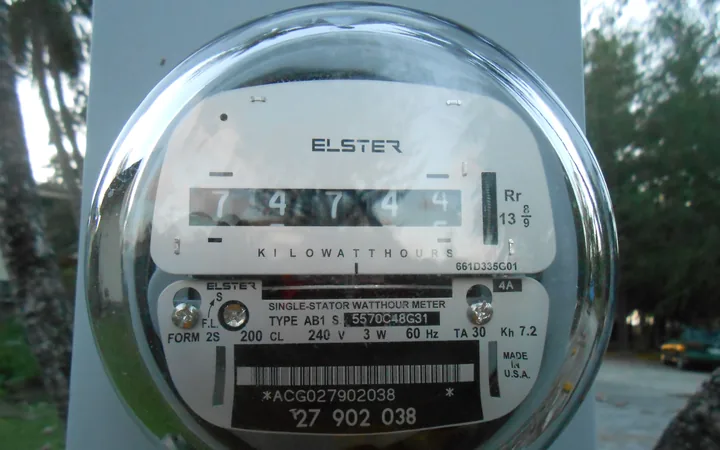
One faucet can serve both orders in succession and still use a separate chiller and heater. In a purchase comparison, put the power rating in the electrical provision notes and the hot and cold service results in the trial record. The energy meter reading needs to cover all the components used in the test, including the heater, chiller and auxiliaries where fitted.
Compare the Same Liters at the Same Temperatures
Run the same drink orders on each setup, with comparable inlet and room temperatures, hot and cold volumes, and serving temperatures. Line up the start and end conditions of any stored water. Include no-draw time, hot-only, cold-only, overlapping orders and the recovery after the rush. ENERGY STAR’s water cooler test method uses separate no-draw and draw/recovery measurements for equipment in its scope. Its product specification excludes pressurized, non-freestanding units. The separation is useful for planning a site test.
Suppose you record one matched test day per setup. The meter shows 3.4 kWh for the reference and 3.2 kWh for the candidate, with both delivering the same usable service. The example difference is 0.2 kWh per matched test day. Keep it beside the output and the recovery notes. To project beyond the trial, first check how often the measured demand pattern occurs.
Record the first pour, busy orders and recovery in the pilot
Sources for This Edition
- ASHRAE Handbook 2024 · Applied Heat Pump and Heat Recovery Systems · HVAC Systems and Equipment, chapter 9, §1 terminology, §2.3 closed-cycle description and §3 Heat Recovery Design Principles, including §3.1 Domestic Water Heat. Rejected heat, useful output, storage, timing, system energy boundary and separation of potable water. General system principles.
- Marchi Neto et al. · Experimental Study of Hot Water Storage Tanks From a Domestic Refrigerator · Engenharia Térmica 7(2), 2008, DOI 10.5380/reterm.v7i2.61749. PDF pp. 4–6, printed 6–8, Results B and Figures 5–6. 24-hour modified domestic refrigerator laboratory trial, storage approached full thermal charge around hour 17 with about 5 °C between the top and bottom. No dispenser results.
- OpenStax University Physics · Heat Transfer, Specific Heat, and Calorimetry · Volume 2, §1.4, Q = mcΔT and specific heat table. Liquid water at 15 °C listed as 4,186 J/(kg·°C), rounded to 4.186 kJ/(kg·°C) for the illustrative estimate.
- Bestware · Illustrative Heat and Electricity Records · Hypothetical preheat-only boundary: 20 kg of water gains 10 °C (15 °C to 25 °C), roughly 837 kJ or 0.23 kWh of heat, no other heat input assumed. Separate illustrative matched-day whole-system meter readings: 3.4 and 3.2 kWh of electricity. Values are neither a product test nor an annual projection.
- Bestware · G1DS-123 Specifications · Catalog tap table row 2, hot/chilled/sparkling/ambient choices. Separate Chilling Unit and Heating Unit tables; Heating Unit row 4 lists 1200 W (110 V) or 1500 W (220 V). These are ratings, not measured heat recovery or energy savings.
- ENERGY STAR · Water Coolers Version 3.0 Final Specification and Test Method · Final specification §2.B excludes non-freestanding pressurized units. May 2013 method §§6–7 separates no-draw and draws/recovery for in-scope equipment. Use the distinction as a test-planning idea.
- Bestware Wiki · Measure Dispenser Energy Use · Record comparable standby, service and recovery periods with a whole-system meter.
- Bestware Wiki · Plan a Water Equipment Pilot and Acceptance Test · Log first cup, busy draw sequence, temperatures and recovery.
Continue With These Decisions
- How to Measure a Commercial Water Dispenser’s Energy Use
Set up comparable whole-system electricity readings
- How to Test a Commercial Water Dispenser Before You Accept It
Record the first pour, busy orders and recovery in the pilot