Follow the Drink Past the Cup Wall
For lemonade or a citrus cocktail, buy a cup whose finished drinking surfaces are documented for the recipe and its use. A copper color can come from the outside shell. Find out what the drink touches inside the bowl, at the rolled rim, on any seam and under the lid. If the inside liner stops shy of the lip, ask for the material on that exposed edge before you place an order.
Follow the same route backward. A mixing vessel, a pitcher spout, a straw and a gasket can all meet the drink before or as it reaches the guest. Pick up the sample and trace the path through an ordinary pour and sip. The FDA model definition includes surfaces that food normally touches and surfaces from which it can drain, drip or splash back. A drawing of the whole cup helps the supplier answer one part at a time.
Check the Copper Rule for the Place You Serve
The U.S. FDA Food Code 2026 is a model that jurisdictions can adopt. Section 4-101.14 prohibits direct contact between copper or an alloy such as brass and food below pH 6, subject to a specific exception for beer ingredients during pre-fermentation or fermentation. The text also addresses fittings and tubing between a backflow prevention device and a carbonator. Check which provisions apply where your restaurant operates. Where the copper provision applies, a quick pour provides no exception for a citrus drink below that pH.
Iowa’s 2017 advisory on the traditional Moscow Mule makes the purchase concrete. It distinguishes a bare copper interior from a mug lined with another metal, such as stainless steel. For a copper-colored sample with a stainless interior, ask the supplier to identify the liner and the material at the rim and seam, plus any places a lid could put the drink back in contact with copper.
Read the Lab Conditions Before Comparing the Materials
In a 2020 study, Koontz and colleagues put a 3% by mass citric acid solution into commercial copper cups with and without a lacquer lining. At 4 °C over a three-hour measurement window, the mean copper-release rate was 127 ng per square centimeter per minute from the unlined set and 3.07 from the lacquer-lined set. That comparison belongs to those cups and that acid solution. A restaurant’s cold lemonade and a stainless liner are different tests.
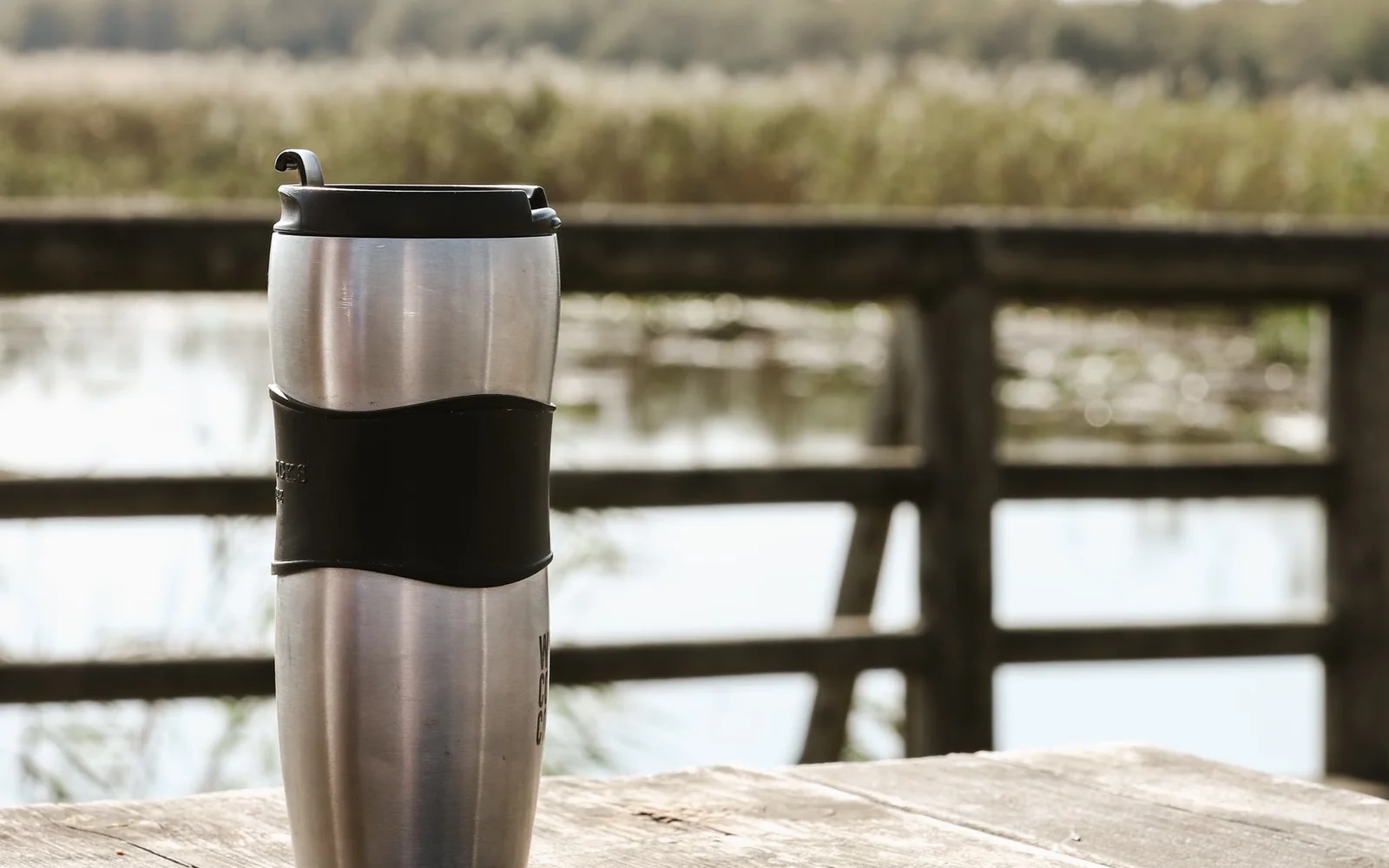
The Hong Kong Consumer Council used another setup for 15 steel-bodied travel cups. It checked 24 elements after exposing the cups to a 0.5% mass-per-volume citric acid solution at 100 °C for 24 hours, and evaluated plastic and silicone components with a different procedure. When you buy a specific cup, get the alloy or coating specification, the supported use conditions, and cleaning directions for the finished item, including its removable parts.
Put the steel grade, finish and cleaning details in the purchase brief
Check a Serving Cup and a Batch Pitcher Separately
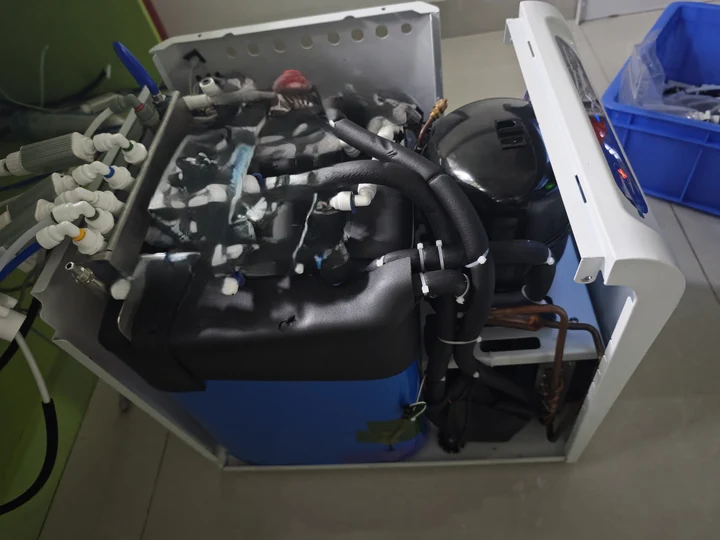
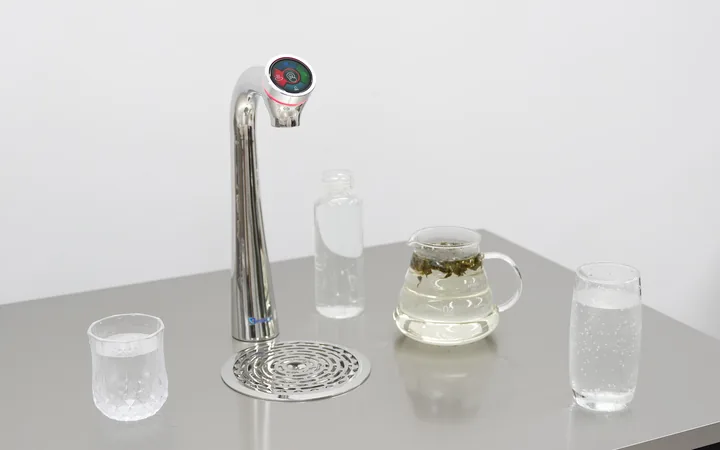
Suppose a café draws plain sparkling water from its Bestware G1DS-110, mixes in citrus at the bar and hands over a 250 mL drink as it is made. Another station wants to hold a one-liter batch for an hour before it serves. Give the supplier those two use descriptions, each with the intended temperature, recipe acidity and longest contact time. The dispenser manual covers the plain sparkling water. Each vessel needs documentation that matches its own job.
Before ordering the lot, run the actual pour and return with plain drinking water to see whether the rim or underside of the lid gets wet. Use the maker’s approved cleaning method, then check for visible residue, chips or rough areas where the drink passes. Record the part number, liner and lid construction, cleaning instructions and unresolved defects. Use supplier documentation or applicable test evidence for material suitability. The pour and wash check shows how the part works in your shift.
Plan who checks and washes the returned cups before the next shift
Supporting Figures and Tables
Sources for This Edition
- FDA — Food Code 2026, Copper, Use Limitation · Physical p. 116, printed p. 88, §4-101.14(A) and (B). U.S. model text: copper/alloys in contact with food below pH 6; separately, tubing or fittings between backflow prevention and a carbonator; specified beer brewing exception. Preface, model-code applicability, physical pp. 8–9.
- FDA — Food Code 2026, Food-Contact Surfaces and Multiuse Utensil Materials · Physical p. 35, printed p. 7, food-contact surface definition §1-201.10(B); physical p. 115, printed p. 87, §4-101.11, food-contact surface characteristics during normal use.
- Koontz, Liggans and Redan — Temperature and pH Affect Copper Release Kinetics (2020) · Commercial copperware methods and Table 3, DOI 10.1080/19440049.2019.1704447. Three vessels in each set, lacquer-lined and unlined; 200 g of 3% w/w citric acid, 4 °C nominal and 180-minute measurement window; mean rates 3.07 and 127 ng Cu/cm²/min, respectively.
- Hong Kong Consumer Council — 18 Tumblers and Travel Mugs, Choice Issue 579 · January 2025, Samples and Test Results, Stainless Steel and Ceramic Coatings and Plastic and Silicone Materials. Fifteen steel-bodied samples tested for release of 24 elements using 0.5% w/v citric acid at 100 °C for 24 hours. Plastic and silicone components had a distinct procedure.
- Iowa Alcoholic Beverages Division — Use of Copper Mugs, Advisory AB-2017-01 · July 28, 2017, physical and printed p. 1, Discussion. Dated Iowa advisory identifies direct copper interior contact for the traditional Moscow Mule, then describes cups lined with another metal such as stainless steel.
- Bestware — G1DS-110 / G1DS-1010 Installation Manual, 2026 V1.1 · Physical PDF p. 3, printed p. 01, dispensing chilled and sparkling water. The proposed example mixes citrus after plain sparkling water leaves the tap; the manual does not rate third-party vessels.
- Bestware — Illustrative Service Cup and Holding Pitcher Review · Hypothetical workflow. A 250 mL cup handed out promptly and a separate 1 L pitcher held for one hour are distinct procurement scenarios. Cup or pitcher is not approved by these example conditions; verification uses plain water to observe contacts and documented approved equipment.
- Bestware Wiki — Specifying Stainless Steel and Surface Care · Keep alloy, finish, cleaning program and contact conditions in a buying brief.
- Bestware Wiki — Managing Returnable Water Bottle Service · Organize the return, cleaning and removal of reusable vessels before the next shift.
Continue With These Decisions
- How to Specify and Care for Stainless Steel Surfaces
Put the steel grade, finish and cleaning details in the purchase brief
- How to Check Returnable Bottled Water Deliveries and Deposits
Plan who checks and washes the returned cups before the next shift