Keep Table Service and Takeaway on Separate Routes
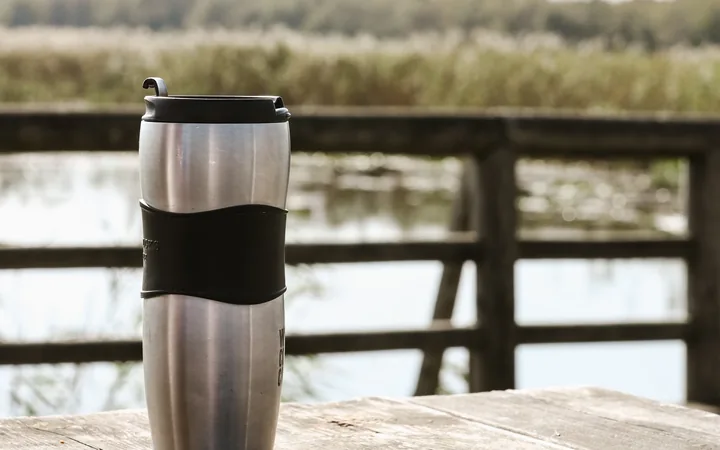
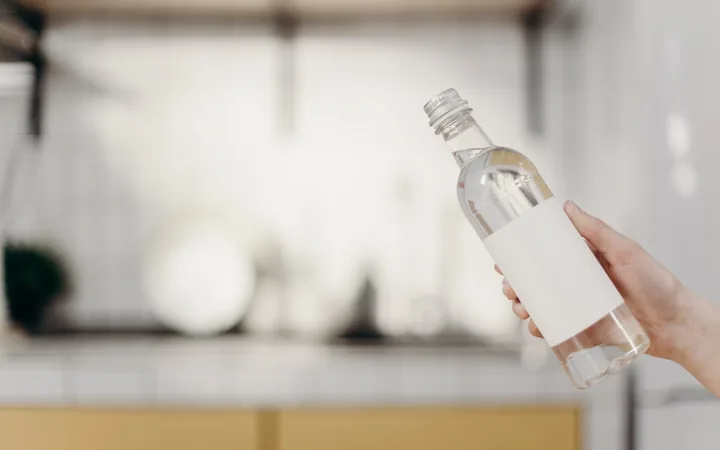
For seated service, start with a glass or carafe that a server can bring back on the bus tray and that fits the restaurant’s rack. If guests take their drink to a courtyard or another building, start with a returnable cup or lidded container permitted in that area. Give people a return point on their way out, then check that staff can bring the used vessels back to washing without crossing the clean pickup area.
Take one production sample through an entire service. Have a server lift it full and pour into the glass that will actually be on the table. Try it at the outlet, in a loaded tray, and in the rack. If it comes with a lid or gasket, check whether the parts stay matched after washing and whether the supplier can replace them.
Specify What the Vessel Will Hold
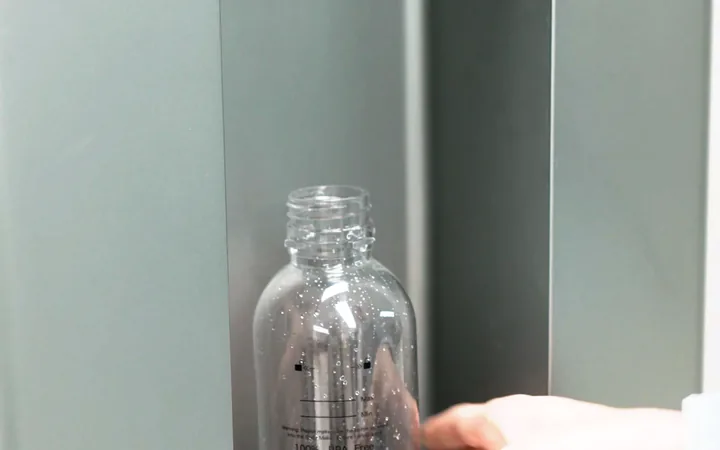
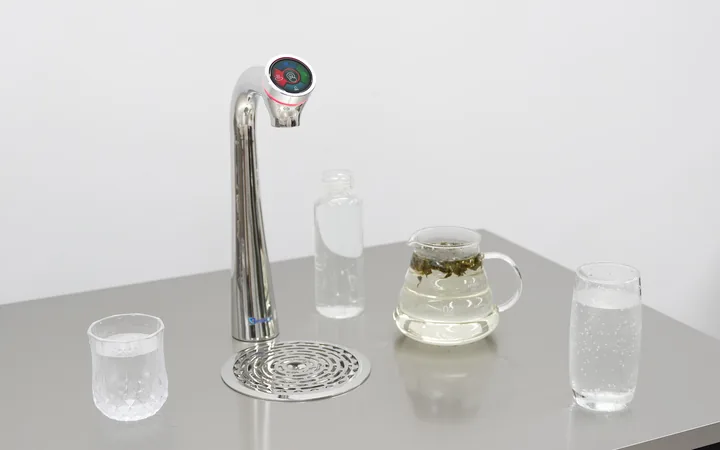
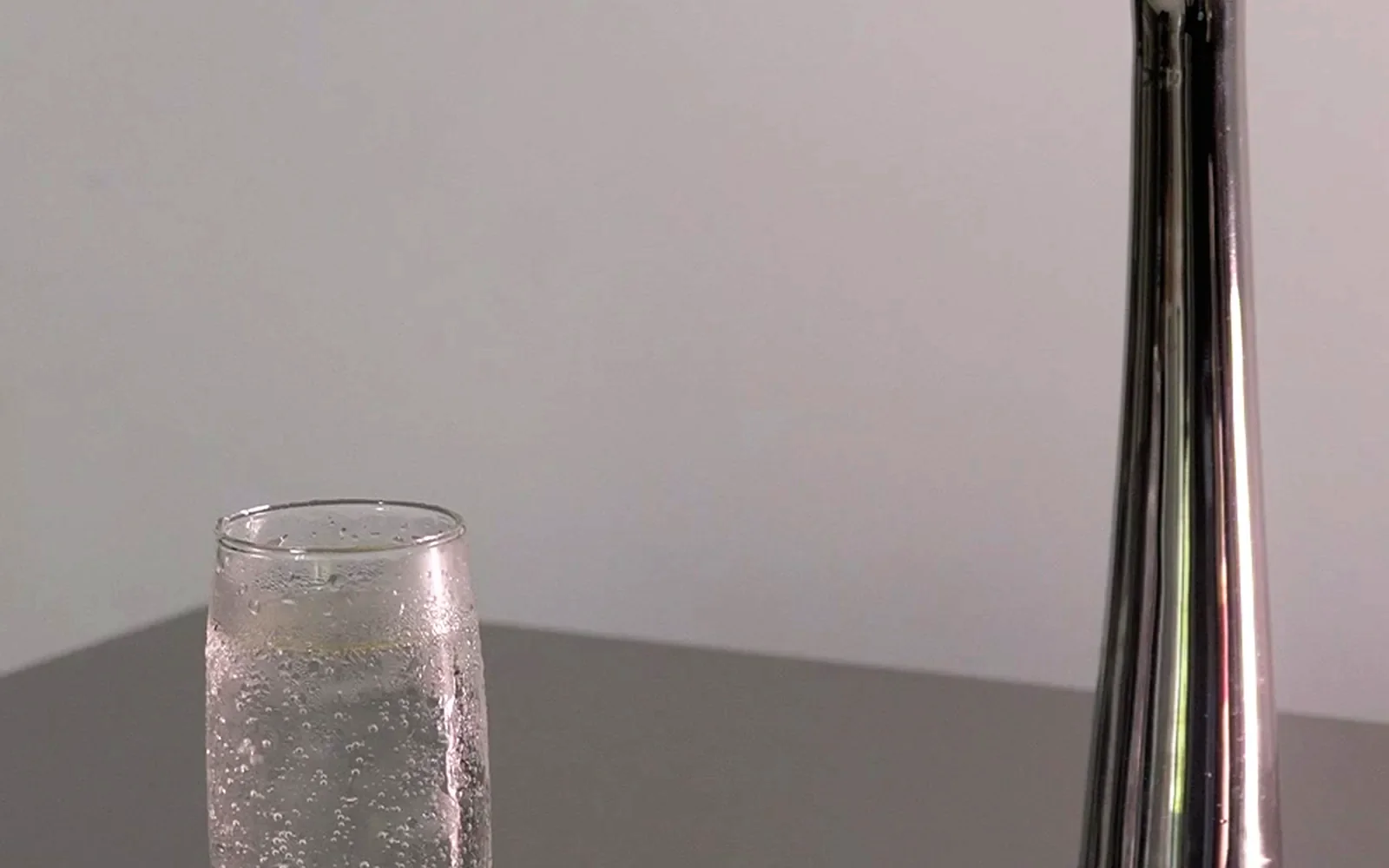
A café with an installed Bestware G1DS-110 has a sparkling-water setting at the tap, documented in the manual. For immediate table service, it can pour finished sparkling water into an open serving carafe intended for that drink. If the café wants to send a sealed sparkling bottle out the door or use a separate bottle-based carbonator, it needs the actual bottle and closure approved for that pressure use. For a hot drink, check the intended filling temperature and the matching lid separately.
Check the equipment instructions before choosing a bottle for carbonation
What Came Back at Three Football Matches
In autumn 2000, Denmark’s Lyngby Stadium tried reusable polypropylene cups at three football matches. Drinks were served in them at four bars and the stadium restaurant. The deposit was five Danish kroner per cup. The stadium ran four collection points and handled deposits, while a partner took the cups away for washing. The project recorded 1,595 cups distributed and a 75% return rate at the first match, then 1,539 and 88% at the second. Across all three matches it reported 5,528 cups distributed and an 82% return rate.
A different setup appears in University College London’s 2026 report from its East campus cafés. Guests paid a £1 deposit, returned the cup to a designated point, and got the deposit back. The cups went through professional washing before reuse. If you are planning a café rather than stadium concessions, borrow that clear handoff between return, wash and release. Set your own return window and count the cups that get back in time for service.
Record the Wash and Count What Can Return to Service
Set one landing place for used glasses, lids and carafes. Log the batch, the wash and sanitizing procedure used, the time it finished, the person who checked it and the number released to clean stock. Check rims for chips, inspect seals and keep rejected units out of the clean count. Allow drying and store the clean loads where they are protected from splash. The U.S. FDA Food Code 2026 is a model for local adoption. Its returnable provisions cover suitable multiuse containers, cleaning, sanitizing and staff visual checks under the specified conditions. Apply the requirements adopted for the venue.
Use the Next Service to Size the Order
Suppose you issue 120 individually tracked cups on Friday and count 100 returns from that batch by closing. That is an 83.3% return by the cutoff. Twenty are still outstanding. Of the 100 returned, eight are rejected, 24 are still in process, and 68 are clean, dry and released before the next opening. If 90 are needed at opening, hold 22 more clean cups aside unless you have other ready stock. A report that counts every returned cup as available would hide that shortfall.
Before ordering artwork or extra stock, repeat the record through a busy service and a normal one. Confirm which racks, lids and spare parts stay with the approved sample. Buy for the interval in which cups are out with guests or in washing, with a reserve that the site has a place to keep.
Plan return points and clean stock for a temporary drink station
Sources for This Edition
- U.S. FDA · Food Code 2026 · Physical PDF pp. 87–88 / printed 59–60, §3-304.17(A)–(B) on the specified refilling conditions. Physical p. 118 / printed 90, §4-202.11(A) on cleanable multiuse surfaces. Physical pp. 142–143 / printed 114–115, §§4-901.11 and 4-903.11 for air-drying or adequate draining as specified and protected storage. U.S. model code, check local adoption.
- Niels Juul Busch · Miljøvurdering af plastdrikkebægre, Miljøprojekt 625, Danish EPA · Published 2001. Physical and printed p. 14, Testing the Reusable Cups and Table 1.1. Three Lyngby Stadium matches, autumn 2000. Items distributed and reported return rates: 1,595 / 75%, 1,539 / 88%, 2,394 / 83%, total 5,528 / 82%. Four return points, five DKK deposit, off-site washing. Report rounds rates.
- University College London · Return & Earn reusable cup scheme trialled at UCL East · May 2026, What we did. Operator case description: £1 deposit, designated return point, professionally washed cups before reuse. The article uses the service route and does not extrapolate the reported percentages.
- Bestware · G1DS-110 / G1DS-1010 Installation Manual V1.1 · PDF p. 3 / printed pp. 01–02, Dispenser Tap Operation Instructions, item 2 Dispensing Sparkling Water. The diagram establishes the dispensing mode. Open-carafe table service is an example with a suitable serving vessel.
- Bestware Wiki · Illustrative vessel handoff and stock count · Illustrative workflow and cohort, with a fixed cutoff. 120 issued, 100 returned (83.3%), of which eight rejected, 24 in process and 68 released. Need 90 at next opening, 22 clean reserve if there is no other stock.
- Bestware Wiki · How to Choose a Compatible Carbonation Bottle · Check the exact vessel, closure and machine before pressure use.
- Bestware Wiki · Planning Drinking Water for an Event · Walk the service route and assign the temporary point and stock handoff.
Continue With These Decisions
- How to Choose a Compatible Carbonation Bottle
Check the equipment instructions before choosing a bottle for carbonation
- How to Plan Drinking Water for an Event
Plan return points and clean stock for a temporary drink station