Count What the Next Server Can Pick Up
Picture a banquet crew at 11:30 a.m. with 24 bottles to set out. Empties on the return rack can look reassuring. The crew can start only with the bottles it can take from the clean shelf. Count a set when its body, cap and any removable seal have been cleaned, sanitized, drained or dried as required, checked and made available together.
In this example the venue opens with 60 ready sets and the early service takes 48 by 9:30 a.m. Twenty come back at 10:20. Of those, 16 return to the clean shelf at 11:50 and four stay on hold for inspection or a replacement part. The second service needs 24 sets at 11:30, when just 12 are ready. The 12-set shortage is a timing problem. The next batch arrives 20 minutes after it is needed.
If the crew wants six ready sets left immediately after the 11:30 issue, before any washed sets come back at 11:50, it needs to open with 78. Keep the original opening stock of 60 and move the release of the 16 to 11:15, and the crew starts the second service with 28. It gets through the service but leaves four ready sets, two short of the reserve. If that earlier release time holds in a trial, 62 at opening would meet the same six-set reserve. Build the shift plan around the next time a server needs bottles.
Record Return and Restocking as Two Events
On January 23, 2026 the University of Chichester reported 11,916 cup loans across five campus cafés, with about 90% returned and an average return time of 2.14 days. That average measures how long cups took to come back in that lending scheme. The university did not publish how long it took to put them back into clean stock.
If you run a bottle trial, mark one batch and write down when it goes out, when it comes back and when each inspected set is ready to use again. Make sure the dirty rack and clean shelf have distinct storage and handling, even at shift change. A cracked neck, a cap with a damaged seal or a body that still has residue needs its own hold or rework decision. If an outside company washes your pool, record who signs off the clean batch and when it is expected back.
Plan how many bottles the hotel will need at its busiest service
Take the Final Bottle to the Outlet and the Wash Rack
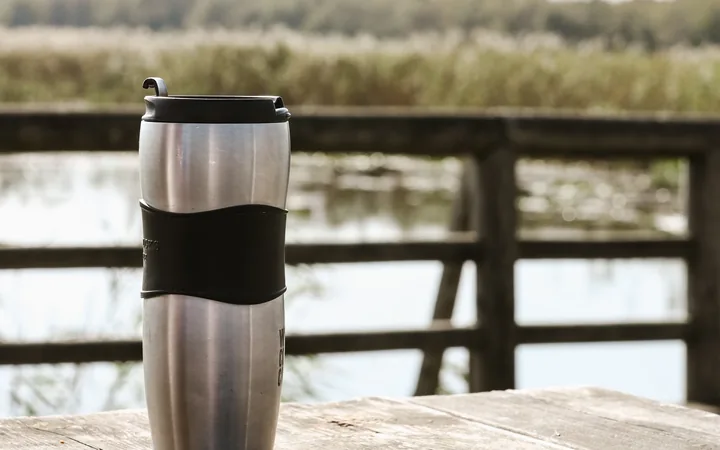
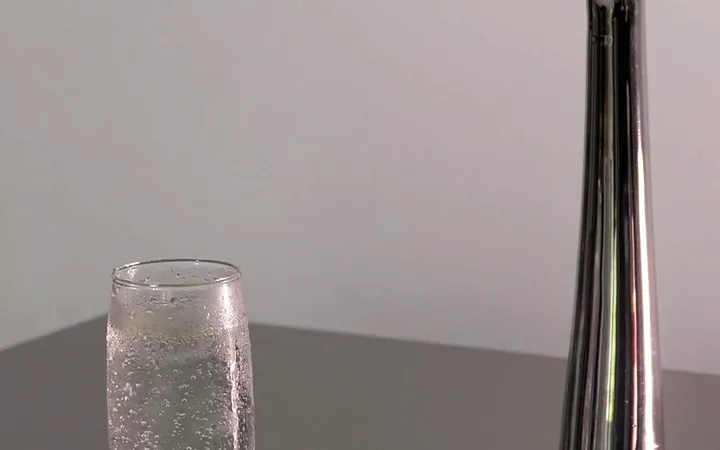
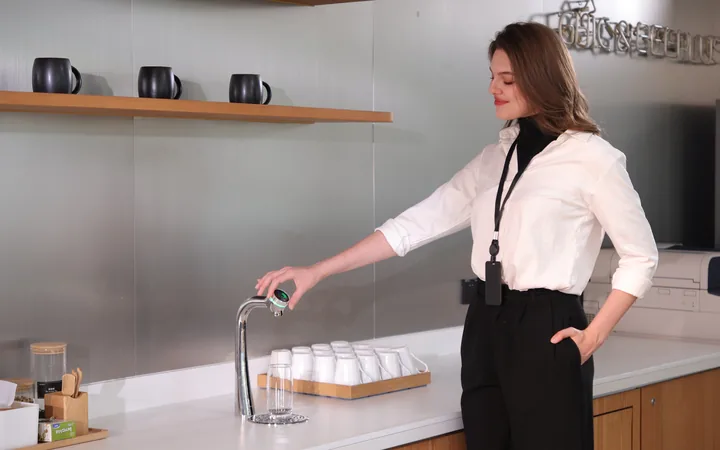
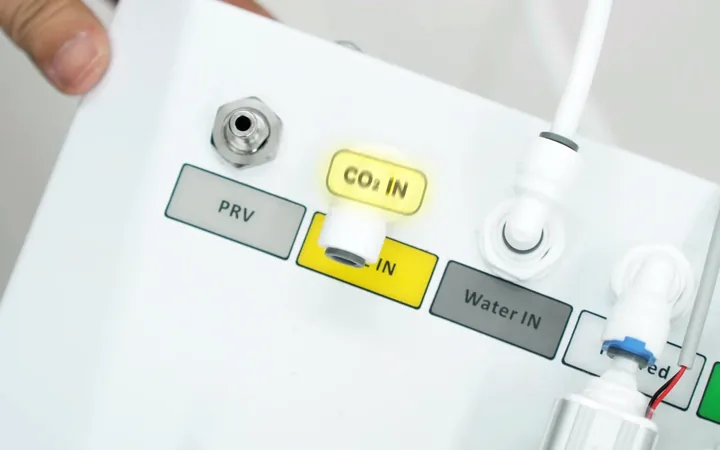
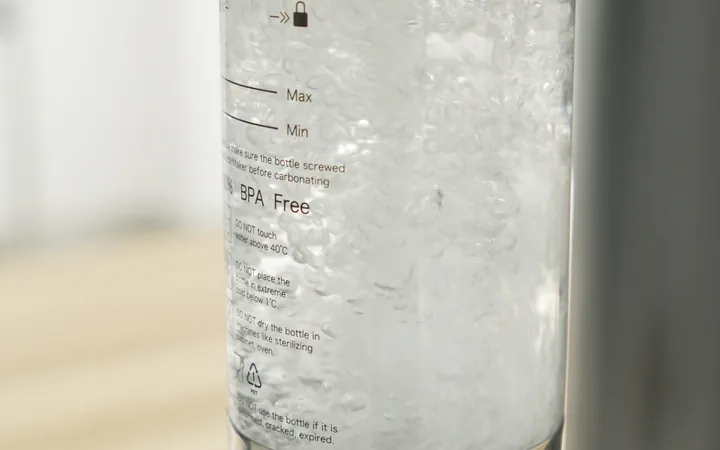
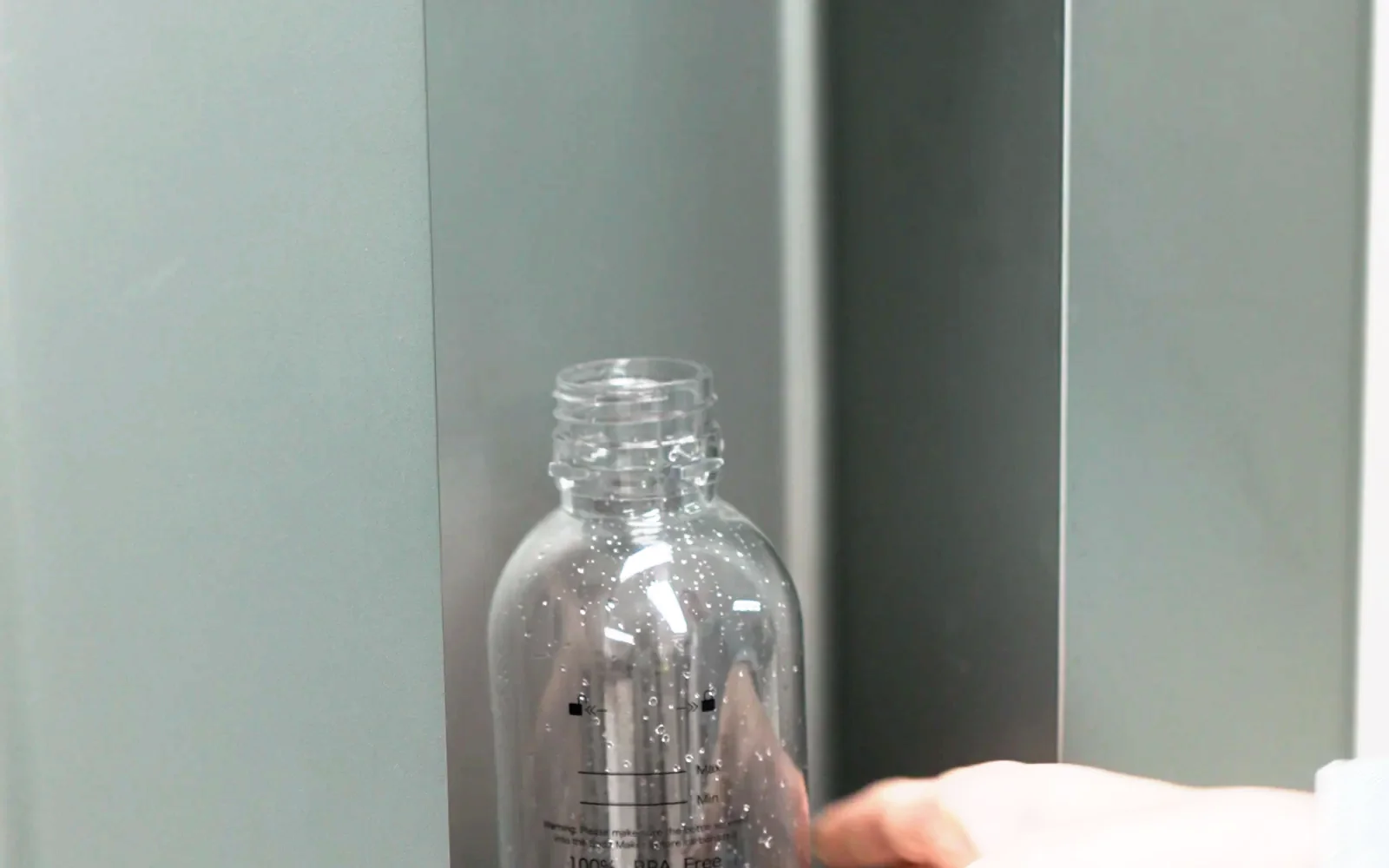
Write down what the bottle will do. Filling it with a finished sparkling drink for immediate service, capping a carbonated drink for holding or transport, and carbonating inside a bottle attached to a machine need separate checks. For example, the Bestware G1DS-123 manual shows finished sparkling water dispensed at the outlet. A bottle that fits underneath is a physical fit check. For capped holding or carbonation inside a bottle, ask for written coverage of the actual body, closure, seal and intended conditions.
Trial the bottle with its production decoration and all the cap parts. Use the selected wash rack and the approved washing and sanitizing method. Verify that the parts can be reached, drained and reassembled as the supplier describes. Put the approved part numbers and any pressure-use replacement limits on the purchase file. Where the supplier has not confirmed a use, keep it off the service plan.
Give Guest Bottles Their Own Refill Procedure
A guest’s own bottle comes to the fill point and goes back to that guest. Before using this workflow, confirm which containers and drinks the local rules and your procedure allow, whether staff or guests may do the filling, and how to handle a dirty or unsuitable container. At the outlet, check that the rim stays clear of the spout and the filling controls, and follow the site procedure for food-contact surfaces.
Section 3-304.17 of the 2026 FDA Food Code is a model for U.S. jurisdictions. Its general provisions cover how reusable containers are made, what washing and sanitizing they require before filling, the staff visual check and a filling method that prevents contamination. There are separate provisions for certain returnables handled by a regulated processing plant and containers filled at drinking-water vending systems. In Washington State, WAC 246-215-03348(2) sets conditions for food establishments’ eligible returnables and (4) requires contamination-free refilling for customer-owned multiuse beverage containers. Check which rule applies where you serve.
Put the Market and the Service Method on the Operating Sheet
In Spain, start with Article 18(4) of Law 7/2022 as amended by Law 1/2025. Food businesses covered by the provision must accept reusable containers that are clean and suitable for the product. The customer prepares the container, the seller may reject one that is visibly dirty or unsuitable, and the point of sale must explain the conditions. Royal Decree 1021/2022 adds the food-contact and hygiene details. Its Article 18(4) puts cleaning, disinfection and suitability on the covered retail operator when it uses returned packaging again.
For an EU takeaway offer, put two deadlines on the project schedule. Article 32 of the EU packaging regulation requires covered hospitality and foodservice sellers of takeaway hot or cold drinks or ready-prepared food to offer customer-container refill by February 12, 2027. Article 33 requires a reusable packaging option within a reuse system by February 12, 2028. For both offers, covered sellers need a visible point-of-sale sign and must offer the same product at no higher price or worse terms than in single-use packaging. The micro-enterprise exemption in Article 33(4) applies to Article 33 alone.
In China, use the Food Safety Law and GB 31654 for washing, disinfecting and storing the venue’s drinkware, and check the applicable public premises requirements for hotel-provided cups. Put the accepted vessel, responsible person, dirty return location, clean release point and passing conditions on the same operating sheet. These are the things the people covering the next shift will need.
Sources for This Edition
- Illustrative Banquet Bottle Stock Record · Example assumptions. Opening stock 60 complete sets; 48 issued by 09:30; of 20 returned at 10:20, 16 released at 11:50 and four on hold. At 11:30, just 12 are ready for the 24-set issue. Opening with 78 leaves six immediately after that issue. When 16 release at 11:15 instead, opening with 60 leaves four, or opening with 62 meets the six-set reserve.
- University of Chichester · Campus Returnable Cup Scheme · University announcement dated January 23, 2026. Five cafés at two campuses, 11,916 cup loans since the beginning of September, about 90% returned and a reported 2.14-day mean return time. The public account does not report return-to-clean-stock timing.
- FDA Food Code 2026 · Refilling Returnables · PDF pp. 87–88, §§3-304.16–.17 and Annex 3 PDF pp. 452–453. See also §4-204.13(A), (B), (D), pp. 120–121, and §§4-901.11 and 4-903.11, pp. 142–143. U.S. FDA model code released September 17, 2026, for adoption by the relevant jurisdictions.
- Washington State · WAC 246-215-03348 · Subsection (2) covers eligible venue-provided returnable containers. Subsection (4) covers consumer-owned multiuse beverage containers and cross-references WAC 246-215-04230. Subsection (3) sets separate conditions for the take-home category described there.
- Ley 7/2022 · Artículo 18.4 (redacción de la Ley 1/2025) · Article 18(4), second and third paragraphs, as amended by Law 1/2025, Final Provision Thirteen. Covered sellers must take suitable, hygienic reusable containers and state the conditions at point of sale. Visibly dirty or unsuitable containers may be refused.
- Real Decreto 1021/2022 · Artículo 18 · Article 18(1)–(4) distinguishes a suitable customer-provided container from returnable packaging used by the covered retail operator. The buyer is responsible for the hygiene and material of the container they supply. The retail operator has the stated cleaning, disinfection and suitability duties in (4).
- Regulation (EU) 2025/40 · Takeaway Refill and Re-use · Articles 32–33, PDF pp. 63–64. Article 32 sets the EU HORECA takeaway refill deadline of February 12, 2027. Article 33 sets the re-use-system offer deadline of February 12, 2028. For each covered offer see point-of-sale notice and price and terms conditions. The micro-enterprise exemption applies only to Article 33.
- 中国《食品安全法》 · 餐具、饮具 · Consolidated text revised in 2025, articles 56 and 58. The foodservice provider must have tableware and drinkware cleaned and disinfected. Where cleaning and disinfection are contracted out, the contractor must meet the legal conditions and its certified release carries batch-related records and package identification.
- GB 31654—2021 · 餐饮服务通用卫生规范 · Section 9.1 and Appendix B. Timely cleaning and disinfection, draining or drying, protected storage and supplier documentation for outsourced services. The standard also addresses appropriately cleaned, disinfected dedicated cloths when used.
- GB 37487—2019 · 公共场所卫生管理规范 · Scope, definition 3.1, and sections 4.3.3–4.3.4. Covered premises including hotels must clean and disinfect reusable cups they supply after each guest's use and use separate identified containers for clean and soiled items.
- Bestware G1DS-123 / G1DS-1023 Installation Manual V1.2 · PDF page 16, initial sparkling water commissioning. Documents dispensing finished sparkling water from the unit. It does not specify a venue bottle, a closure, a validated wash process or a pressurized bottle lifetime.
- Bestware · Container Fit at the Outlet · Related field checks for bottle geometry, hand clearance and splash at an outlet.
- Bestware · Hotel Refill Service Plan · Related hotel guide to demand, shared equipment and continued access to water during changes or service interruptions.
Continue With These Decisions
- How to Check Returnable Bottled Water Deliveries and Deposits
Reconcile the full and empty bottles that change hands with the supplier.
- Compare Bottled and On-Site Water Service by the Liter
Use the washing, return and refill logs in a per-liter comparison.