Start With One Press at the Installed Basin
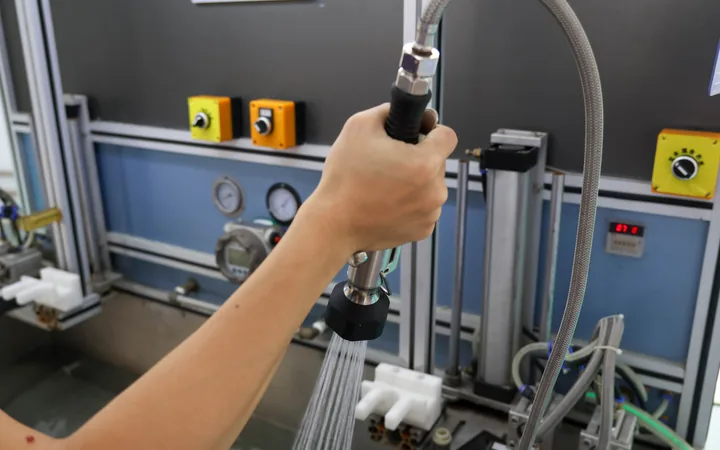
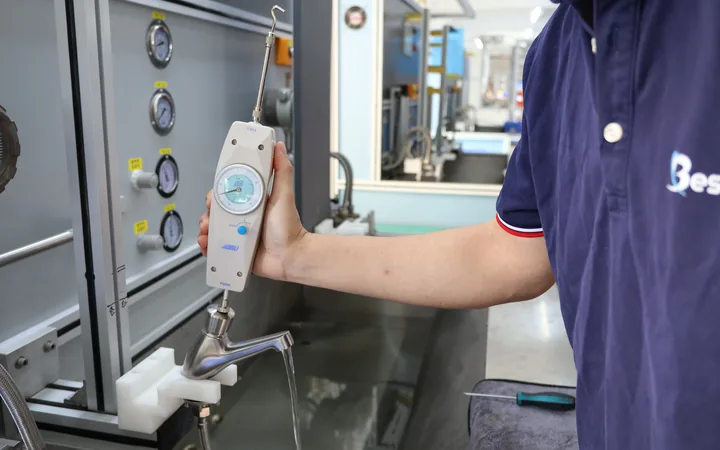
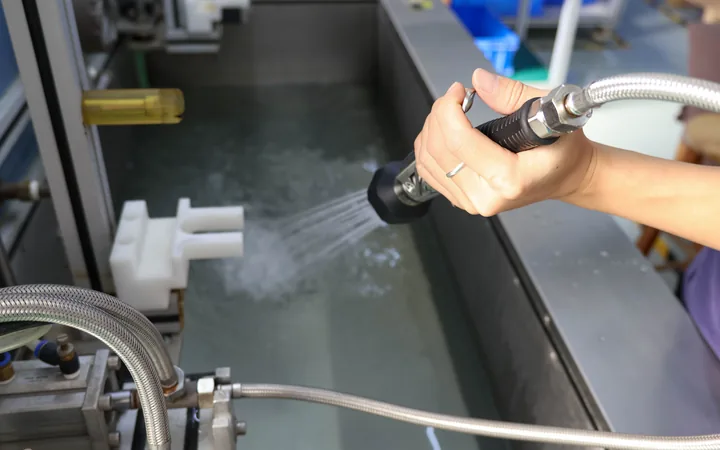
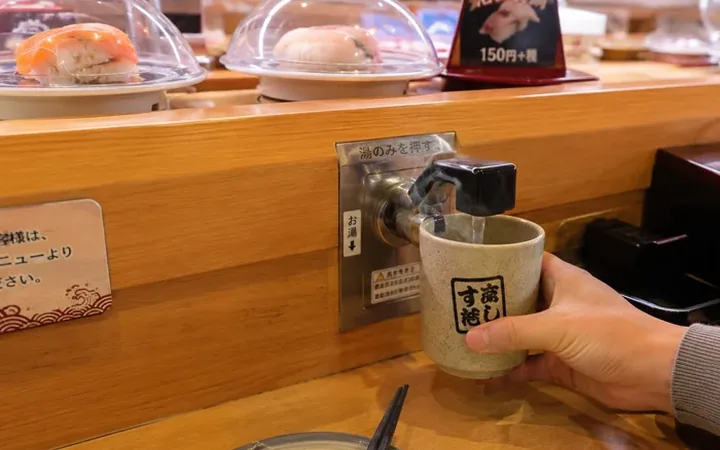
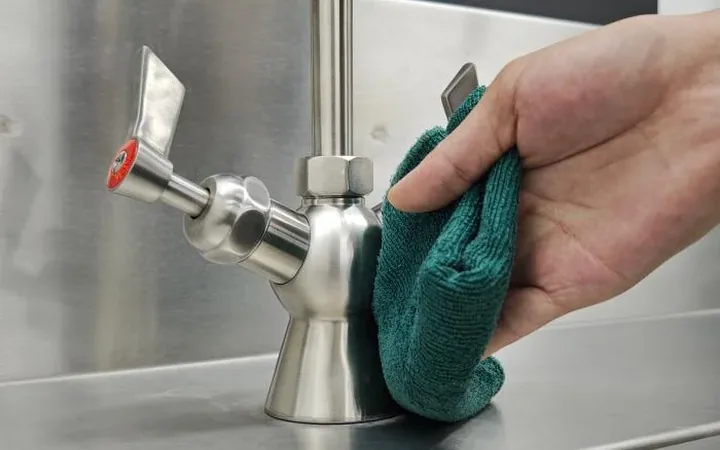
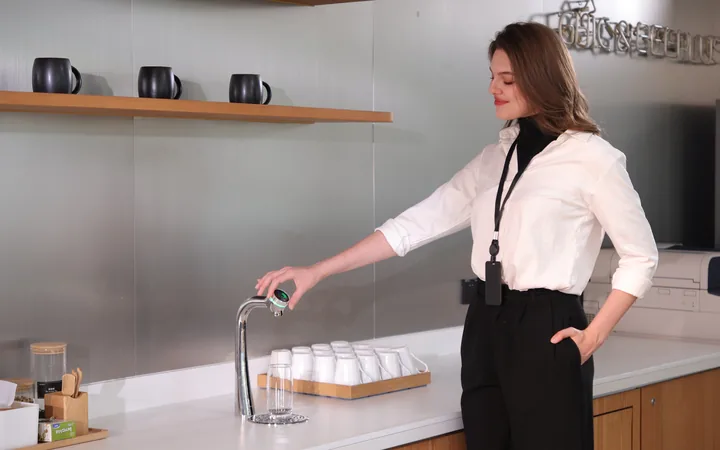
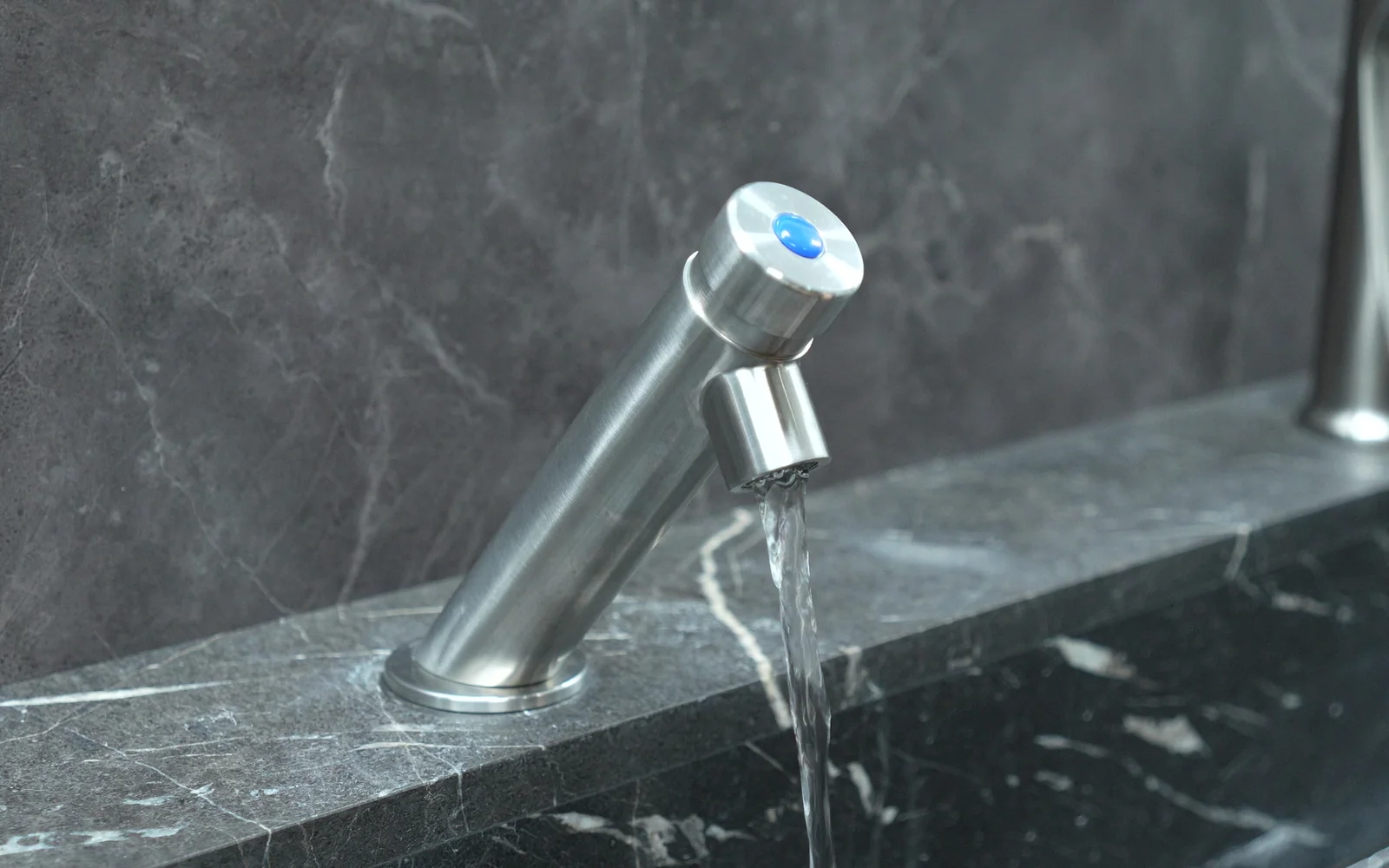
A faucet can close on schedule and still make people press twice to finish rinsing. For a sample approval, start with the basin, cartridge and outlet you intend to buy. With nobody else using that basin, press and release the control once as a user would. Note when water first appears and when it stops. Catch the entire discharge in a graduated container and read the volume after shutoff. Record a delayed start or continued dripping separately.
Repeat with the same setup and write down each result. Ask the installer to record flowing pressure at an agreed inlet test point, the temperature or mixing setting, and whether nearby outlets are running. A catalogue flow figure multiplied by a nominal time can give a rough estimate. The collected volume shows what this cycle actually delivered, including any taper before shutoff.
Check U.S. Accessibility, Flow and Food-Service Rules
At a lavatory or sink subject to the 2010 ADA Standards §606.4, a hand-operated metering faucet must stay open for at least 10 seconds. Its controls also fall under §309. The U.S. Access Board explains that the timing minimum does not apply to touch-free controls activated by motion. Check the whole installed basin for accessible use, including control reach and operation.
For covered U.S. metering faucets manufactured after January 1, 1994, 10 CFR §430.32(o) sets a maximum of 0.25 U.S. gal per cycle (0.95 L per cycle) at 60 psi (414 kPa) flowing pressure. The separate row for conventional lavatory faucets uses volume per minute. Section 430.23(s) directs the metering faucet test to Appendix S §2.1, which uses specified portions of ASME A112.18.1-2018/CSA B125.1-2018 §5.4. Ask for a report covering the quoted outlet and setting. Keep it with your field readings and the state, local or contract requirements that apply to the job.
U.S. food-service handwashing sinks can have a longer minimum. Where the locally adopted food code applies the rule in the FDA’s 2026 model §5-202.12(C), a self-closing, slow-closing or metering faucet must supply water for at least 15 seconds per activation. Put that time on the acceptance sheet for the applicable sink and check the code adopted at the site.
Ask What Will Actually Ship
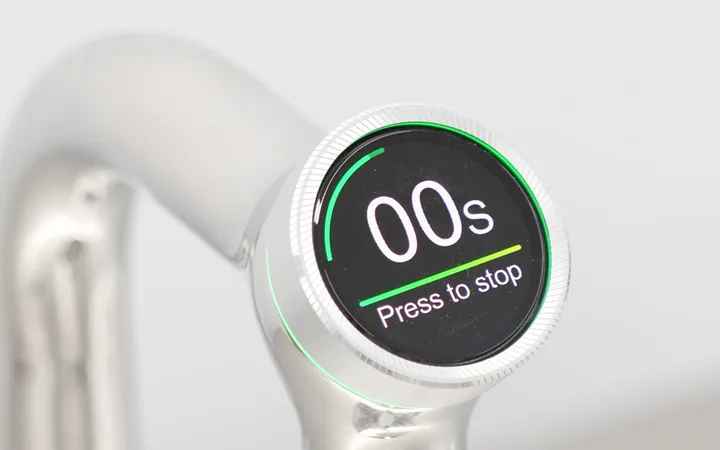
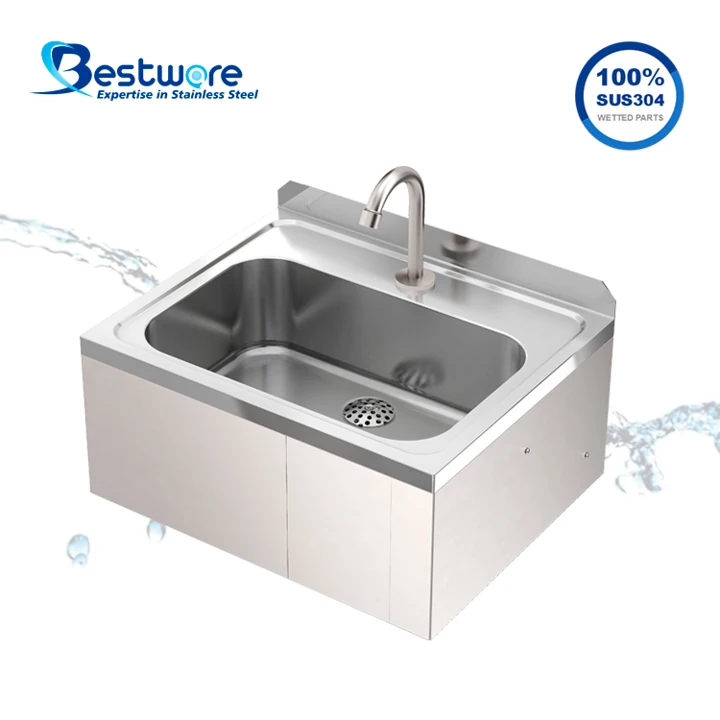
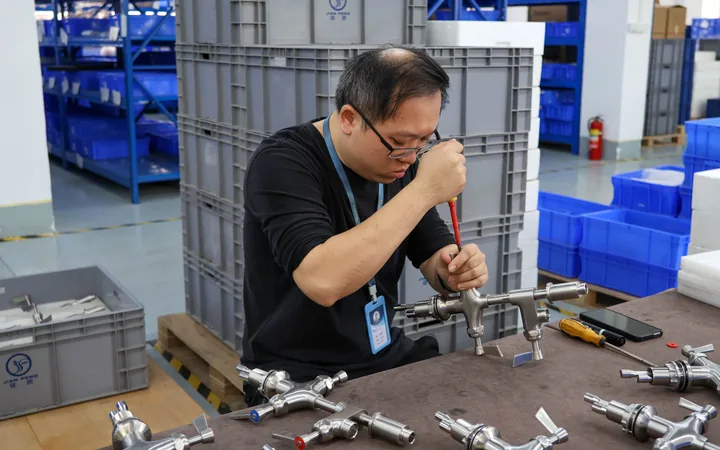
The Bestware sheet for BWPT6PB and BWPT16PB gives factory presets of 6 or 16 seconds and a 6–16 second adjustment range for those deck-mounted push-button options. That gives the buyer two questions for the quote. What setting will the supplied cartridge arrive at, and what timing will the supplier warrant when it is installed? An accessible basin that requires 10 seconds needs a verified setting before handover. The sheet describes the product settings. It supplies no measured result for your basin or the volume per cycle of your configuration.
Try a Second Press, Then Try a Whole Handwash
Run two separate trials from a fresh start. Give the button a second press early in one cycle and near shutoff in the other. Record the time of each press, final shutoff and total water collected. A cartridge may ignore the press, restart the timer or respond another way. Agree with the supplier what the delivered configuration should do, then compare it with the observed result.
Next, use the basin normally through wetting and rinsing. Count activations and note any water that keeps running when the person steps away. For illustration, three separate cycles of 180 mL each use 540 mL. One 340 mL cycle uses 340 mL. Both per-cycle numbers have a place in the report. The difference per wash is what helps you choose a setting.
Give Maintenance a Configuration It Can Restore
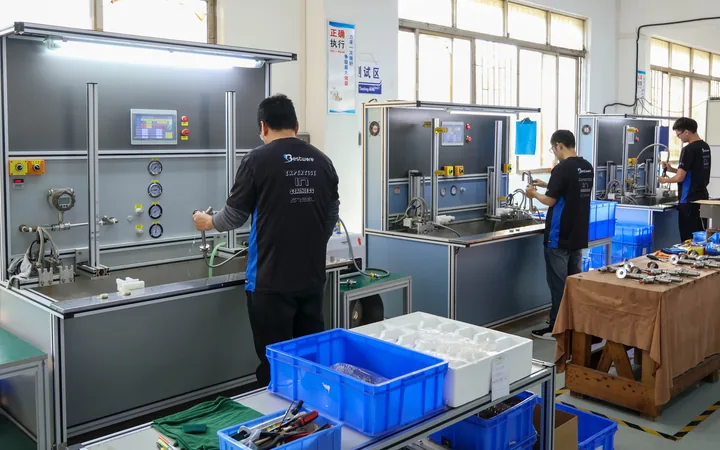
Before signing off, write down the model and suffix, cartridge revision, outlet part, approved setting, measurement point and flowing pressure. Keep the individual timing and volume results, the two repeat-press observations and the whole-wash notes together. Put the supplier's supporting report beside the site record. If a cartridge or outlet is replaced or the setting is changed, repeat the agreed sequence against the approved record.
Sources for This Edition
- 2010 ADA Standards for Accessible Design — §606.4 Faucets · §606.4 under Lavatories and Sinks, including its reference to §309 for faucet controls.
- U.S. Access Board — Guide to Lavatories and Sinks · Faucets and Operable Parts, and the question on touch-free motion-sensor faucets.
- 10 CFR §430.32(o) — Faucets · Paragraph (o), opening sentence and Metering faucets row. Notes 3 and 4 cover metered sprayheads with independent and collective control.
- 10 CFR §430.2 — Definitions · Faucet definition and exclusions. The metering-faucet product row is distinct from other faucet classes in §430.32(o).
- 10 CFR §430.23(s) — Faucet test procedures · Paragraph (s) specifies gallons or liters per cycle and directs the reader to Appendix S §2.1.
- 10 CFR Part 430, Subpart B, Appendix S — Uniform faucet test method · §§0.1(a), 2.1 and 3.1–3.2. The cross-referenced edition is listed at 10 CFR §430.3(h)(1).
- 10 CFR §430.3(h)(1) — Plumbing supply fittings standard incorporated by reference · §430.3(h)(1), ASME A112.18.1-2018/CSA B125.1-2018 for Appendix S.
- Bestware Metering Faucet — BWPT6PB / BWPT16PB · PDF page 4, printed page 03. Use the push-button deck-mount product table, first row, Water Flow Time.
- OpenStax College Physics 2e — Flow Rate and Its Relation to Velocity · §12.1, volume divided by elapsed time. A single instantaneous flow reading can differ from the mean over a whole cycle.
- FDA Food Code 2026 — Handwashing Sink Installation · Model code, §5-202.12(C), printed page 122. Local adoption controls applicability.
Continue With These Decisions
- How to Test a Sensor Faucet in the Installed Basin
Use the basin test for a motion-sensing faucet when the project specifies touch-free operation.
- How to Check a Water Equipment Certificate Before You Buy
Match product test reports and listings to the delivered model, cartridge and outlet.