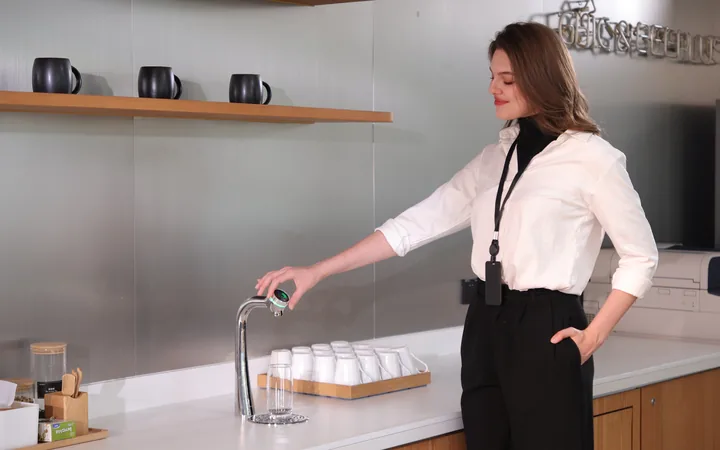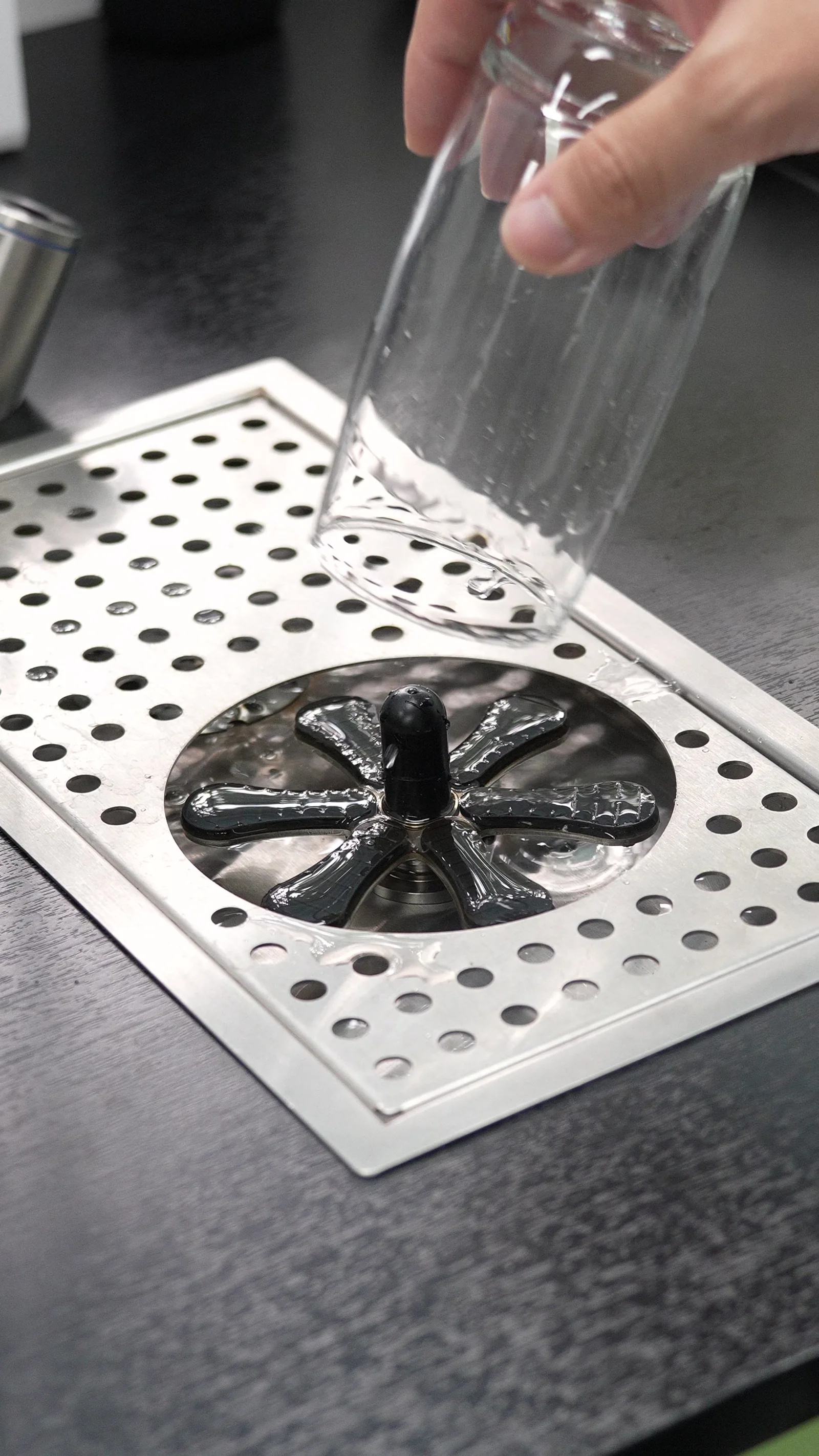
Bring the Pitcher You Always Have to Turn Twice
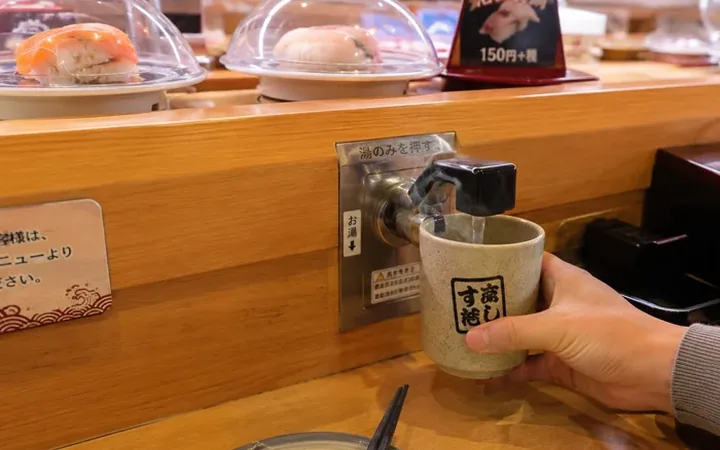
Start with the utensils your staff actually handle. Try a tall, narrow glass, a milk pitcher and the larger tin from a cocktail shaker. On the glass, look for residue up under the shoulder. On the pitcher, check whether the spout or handle catches on anything as you lower it onto the rinser. Test the shaker tin on its own and look at the inside base after the spray. Check the lid or strainer in the separate wash process.
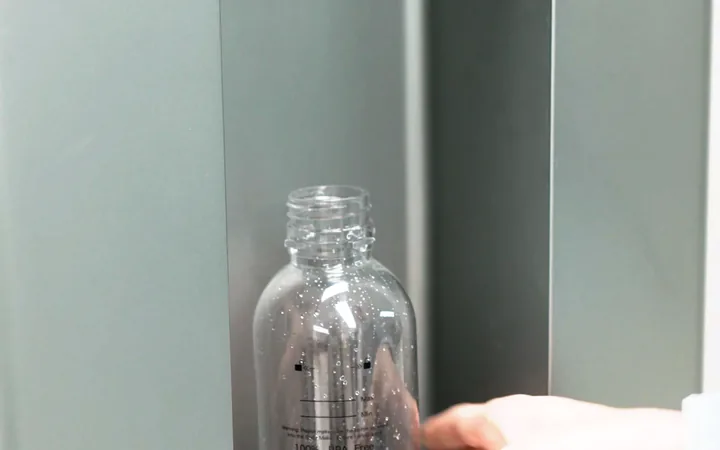
Measure across the rim where it seats on the rinser, then note the depth. Bestware recommends rim diameters of 25–115 mm for its two standard rinsers. Use that to choose utensils for the trial. They still need to seat steadily, open the valve without forcing the vessel and shut it promptly when lifted.
Time From Pickup to the Dirty-Ware Station
Run five paired trials per vessel, alternating which sample goes first. That gives 15 trials per sample with the same operator. Keep the residue and its time on the surface consistent within each pair. Record water temperature and inlet pressure while flowing, along with what else is drawing water. Use the same approved conditions for both samples. Measure from pickup to set-down at the next wash station, including any extra press or repositioning.
Here’s one sample entry using made-up readings. An 82 mm milk pitcher sits for 30 seconds with a milk film. The operator shifts it after the first press. The second press clears the visible film by the spout, and the pitcher reaches the wash area in 8.6 seconds. Its dedicated supply meter moves from 104.200 to 104.510 L, so the pre-rinse, including the second press, used 0.310 L. Record it as completed after rework and keep the first-pass result separate.
Check the Counter Opening Against the Order Drawing
Bestware specifies a 308 × 158 mm cutout for the TR330, which measures 330 × 180 mm overall. The TR528 calls for a 508 × 145 mm cutout and measures 528 × 165 mm overall. If the existing opening matches the TR330 drawing, it is 200 mm shorter and 13 mm wider than the long model’s specified opening. Before making any cut, have the installer check the actual opening, the rim’s support and coverage, and the drain position against the drawing for the unit you will order.
Check the Drain and Leave the Cleaning Step in Place
Run five more mixed rinses at the pace of a busy shift. Watch where the splash lands and time how long pooled water takes to clear after the last rinse. Stop that vessel trial if it tips. Hold installation sign-off if the head keeps flowing after release, spray reaches the clean area, or the tray backs up or leaks. Before signing, ask the installer to show the shutoff and service access and confirm the required backflow protection under local rules.
Keep the trial sheet with the model and drawing revision. A completed pre-rinse sends the vessel to your approved warewashing process. In the US, check how your jurisdiction applies the Food Code’s requirements for washing, rinsing and sanitizing. Finish those steps before releasing the vessel for service.
Sources for This Edition
- Bestware TR330 — Compact Deck-Mounted Glass Rinser · Product Specifications and Product JSON-LD. Overall size (L × W) 330 × 180 mm, countertop cutout 308 × 158 mm, SUS304 body and valve core, rotating spray. Manufacturer specifications.
- Bestware TR528 — Long Deck-Mounted Glass Rinser · Product Specifications and Product JSON-LD. Overall size (L × W) 528 × 165 mm, countertop cutout 508 × 145 mm, SUS304 body and valve core, rotating spray. Manufacturer specifications.
- Bestware Catalog 2026 V1.6 — Glass Rinser Drawings and Cutouts · Physical PDF page 55, printed 93–94. Drawings and manufacturer cutout tables for TR330 and TR528. Confirm ordered model and drawing revision before cutting.
- Bestware Commercial Faucet FAQ — Recommended Glass Rinser Rim Diameter · Question about compatible cup sizes. Published recommended cup rim diameter 25–115 mm. Shapes, seating and effective rinse coverage require an actual vessel trial.
- Food Standards Australia New Zealand — Cleaning and Sanitising · Updated September 30, 2025. The Australian food-business guidance separates pre-cleaning, washing and detergent rinse from sanitising and drying. Use only within applicable hygiene rules and venue procedures.
- FDA Food Code 2026 — Precleaning, Wet Cleaning, Rinsing and Sanitization · Sections 4-603.12, 4-603.14, 4-603.16 and 4-702.11. A U.S. model code. Provision applicability depends on jurisdictional adoption and the venue’s approved process.
- GB 31654—2021 食品安全国家标准 餐饮服务通用卫生规范 · Section 9.1 and Appendix B. Applicable Chinese food service utensil washing, sanitizing and protected storage. Cleaning and sanitation management are distinct from this sample comparison.
- Three-Vessel Paired Trial and Sample Record · Illustrative procedure agreed by a venue and installer. Three actual vessels are paired over five repeats on each of two sample configurations, 15 per sample. One hypothetical 82 mm milk pitcher, wait 30 s, 2 presses including one repositioning, 8.6 s from pickup to set-down, single-branch meter 104.200 to 104.510 L, change 0.310 L. The pre-rinse was completed after one rework; no claim about either Bestware model or suitability for hygienic reuse.
- Bestware — What to Check Before Signing a Water-System Handover · Same-language site handover guidance. Use for documenting utilities, tests and responsible parties for the installed assembly.
Continue With These Decisions
- Replacing a Commercial Tap? Measure the Existing Counter First
Record the existing cutout and what lies under it before altering the counter.
- How to Fit a Water Station Into a Small Bar
Map where a wide pan, a drain and the bartender fit into a small bar.