Read the Receipt Before the Driver Leaves
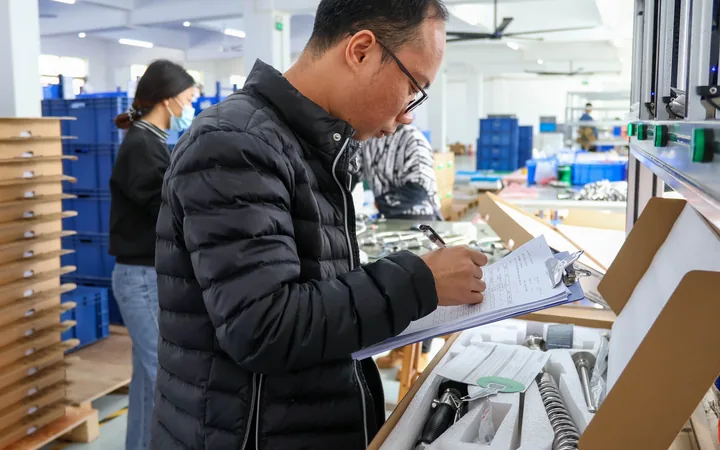
The driver brings two crates of full bottles and loads two crates of empties. The receiving slip still needs the bottle counts. A return crate can be partly empty, and a driver may take back a damaged bottle for inspection. Sign for what arrived and what left. Ask the driver to mark any container that will be reviewed before the supplier credits it.
The U.S. Customs and Border Protection bottled-water solicitation for the El Paso Sector asks the driver and receiving official to sign a receipt listing the delivery time, bottles delivered, empties picked up and any billing notes. Each billing line identifies the corresponding receipt number and delivery date. For a hotel or office, add the delivery location, packaging sizes and any damaged or unsealed full bottles you set aside. Keep the shipment or lot information with that record so the supplier can find the affected product.
Find the Difference on the Deposit Statement
A Hawaiian bottled-water service provides one example. Menehune charges for the difference when a delivery brings more full bottles than the driver picks up in empties. If those empties go back later, the operator credits the account. Customers who take bottles to its warehouse first get a return slip, which they bring to customer service for the credit. Before signing your own contract, find out who posts credits for each return route and how long you have to raise a discrepancy.
Glass bottle service may carry a separate crate balance. The British hospitality supplier Elder Water describes separate water and deposit invoices, a summary after each delivery and a statement at month-end. Ask for a written rate schedule showing what a complete crate costs, what a separate bottle or empty crate costs, and which rate applies to a missing item. An asset label can help identify an individual crate. Count the bottles inside it whenever the receipt is for loose or partial returns.
Work Through a Delivery With Two Items on Hold
Suppose the opening deposit balance covers 24 bottles and two crates. The driver delivers 24 full bottles and two crates. Staff offer 22 empties and two crates. The driver collects 21 bottles and both crates, but the ticket only clears 20 bottles and one crate for credit. One cracked bottle and one damaged crate went back for review. One wrong-format bottle stayed on site. All counts and prices here are hypothetical.
If that contract charges USD 2 per bottle and USD 6 per crate on the increase in the open balance, the delivery leaves 28 bottles and three crates open on the account. That is four more bottles and one more crate than before the visit, so the provisional deposit increase is USD 14. The water itself is billed separately.
Suppose the supplier later clears both items taken for review. The two credits add up to USD 8 and bring the net deposit increase for this delivery to USD 6. Look for the credits against this delivery’s receipt number. A new line on the next statement is easier to reconcile when the receipt distinguishes pickup from credit.
Give Breakages a Place on the Ticket
At the loading point, note whether the defect appeared on arrival, during the venue’s use or at return. Record the affected size or asset number and who has custody. Tell route staff where to set the item aside and agree on who may make a deposit decision. Compare the condition found on the ticket with the terms that were actually in force for that order.
Spain gives one example where the distinction matters in law. Under Article 46 of Royal Decree 1055/2022, covered packaging that has lost its usefulness for reasons attributable to the user under the producer’s pre-established conditions is still taken back. The applicable party need not refund that deposit. The decree defines producer and distributor responsibilities and also covers distance and vending sales, subject to its conditions. Make the contract and the return instructions clear for the channel the venue uses.
Send Returns to the Team That Can Release Them
The vendor can sign for an empty bottle on the truck. The bottling plant decides when that bottle can go around again. For U.S. bottled-water plants, 21 CFR 129.80(b)(1) requires the plant to clean, sanitize and inspect the reusable bottle just before filling, capping and sealing. Paragraph (b)(2) covers how the plant keeps reusable shipping cases from contaminating the bottle or the water. The sign-off at your loading dock completes a handoff. The processor still has to make its quality decision and identify the sealed product it supplies.
If you are costing route service against dispensing at the hotel, the Bestware hotel planning guide starts with how much water each location needs. Keep the delivery terms, bottle balances and plant controls in the route-service quote. For a venue that fills its own bottles, use the corresponding refill and hygiene procedure before putting the vessel into service.
Sources for This Edition
- U.S. Customs and Border Protection · El Paso Bottled Water Statement of Work · 2021 public solicitation attachment, §§3.2c1–3.2c6 and 5.6. Delivery date and time, two signatures, filled bottles delivered, empty bottles picked up, billing notes and reference to the receipt on the invoice. This is the form requirement, with no completed customer receipt published.
- Menehune Water Company · Delivery, Bottle Deposits and Return Slip · Operator FAQ, business delivery signature, partial return, later credits and warehouse return slip. This is one Hawaiian operator’s account policy.
- Elder Water · Closed-Loop Hospitality Deposit Policy · Operator’s public terms on invoices apart from water charges, account summaries after each delivery, monthly statement and handling breakage. Live rates depend on the applicable arrangements and are omitted here.
- 重庆广电《收据搞丢 押金退不回?》 · June 20, 2026 field reporting from Dadukou on 104 return jugs and a dispute over a missing paper receipt and records from other payment channels. It reports a dispute, with no adjudication or completed refund shown.
- BOE · Real Decreto 1055/2022, Artículo 46 · Article 46(1)–(3), (5), (9) and (11). Deposit and eligible returns, loss of functionality attributable to the user under pre-established conditions, distributor and producer scope, exceptions and distance sales.
- eCFR · 21 CFR 129.80(b)(1)–(2), (e) and (f) · U.S. bottled-water plants. Paragraph (b)(1) covers cleaning, sanitizing and inspecting reusable primary containers. Paragraph (b)(2) covers reusable shipping cases. Paragraphs (e) and (f) cover production codes and verification of filling, closing and labeling.
- GB 19304—2018 · 包装饮用水生产卫生规范 · Sections 7.2 and 10.4. Independent area for inspecting and preparing returnable containers at the plant, and check of sealing integrity and suitability on return.
- 重庆市市场监督管理局 · 桶装饮用水消费提示 · Consumer receipt of packaged drinking water, October 2025. Review the seal and condition of the jug before purchase or acceptance.
- DOF · NOM-201-SSA1-2015, Agua y hielo para consumo humano · Section 5.1.4, item 1, gives the cap and hygiene requirements. Section 8 governs sanitary labeling within the standard’s scope. The standard published December 22, 2015.
- GS1 System Architecture · Identification Keys, Table 4-1 · Table 4-1 distinguishes trade item batch and lot, returnable asset class and individual returnable assets. An optional serial number distinguishes a physical returnable asset. The identifier does not establish the count for an open crate.
- Illustrative Full and Empty Bottle Delivery · Hypothetical bottle and crate deposits of USD 2 and USD 6, respectively. Starting open counts 24 bottles and two crates. Delivery adds 24 and two. Pickup takes 21 and two, while credits apply to 20 and one. Open counts 28 and three; provisional incremental deposit USD 14. Later approval of the held bottle and crate credits USD 8; the increment would be USD 6.
- Bestware · Reusable Bottle Handling · Local guide for guest-owned refills and venue-owned bottle hygiene.
- Bestware · Hotel Refill Service Plan · Demand, sites and supply options for hospitality teams.
Continue With These Decisions
- What PET 1, CA CRV and Mehrweg Mean on a Water Bottle
Read deposit markings separately from your supplier credit.
- Compare Bottled and On-Site Water Service by the Liter
Use the return slips to check the transport assumptions in a water-service comparison.