Set the Last Day of Service Before Booking the Truck
Ask when the new counter can serve people, then book the move around the drinking water you can provide in the meantime. If the same plumbed dispenser is going across town, it will be out of service for the trip and the work at both ends. If a new provider is taking over, ask whether the two arrangements can overlap and record when the old provider may collect its equipment.
Read the signed agreement before anyone removes a filter head, a gas cylinder, the tap or a unit under the counter. Write down who owns those items, the actual notice period, the collection date, any deposit and who restores the connections left behind. For each piece that will travel, list its model, serial number, condition and what is packed with it. This gives both sites the same list when a box goes missing or an installer finds a different fitting.
Measure the Space the Unit Needs to Work
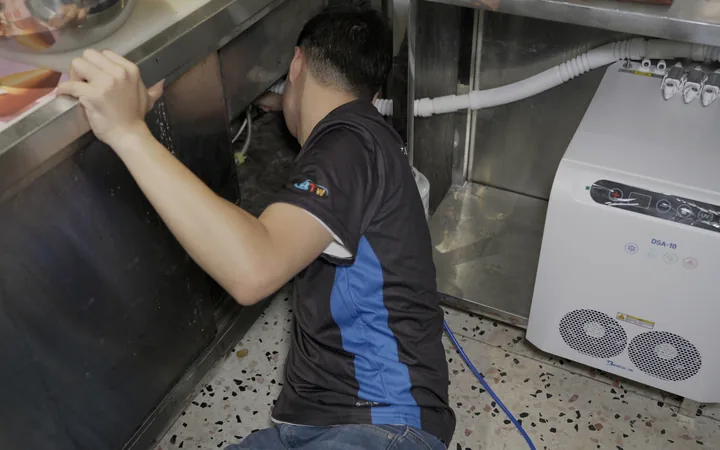
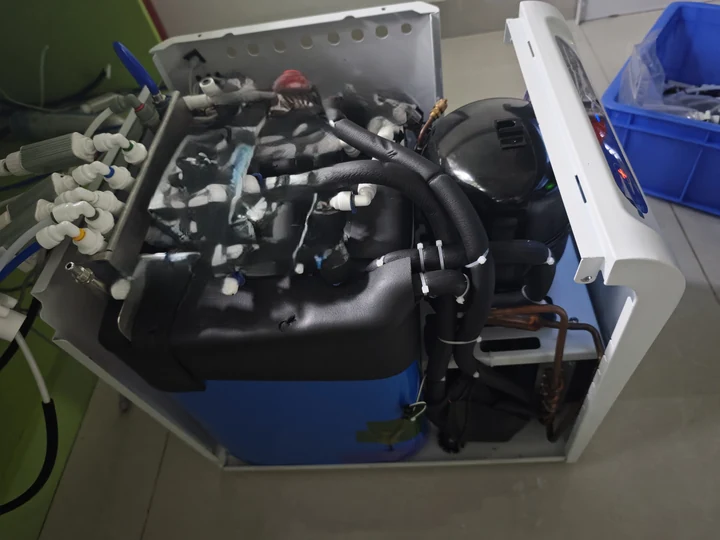
One useful comparison is the chilling unit shown in Bestware's G1DS-123 installation manual, V1.2. The drawing reserves at least 425 × 500 × 630 mm for the chilling unit, width by depth by height. The unit itself measures 355 × 464 × 438 mm. Suppose the new cabinet is 600 mm high inside after its shelf is fitted. The unit body fits on height alone. The installation is still 30 mm short of the height shown in the drawing. Resolve the cabinet layout before moving the machine.
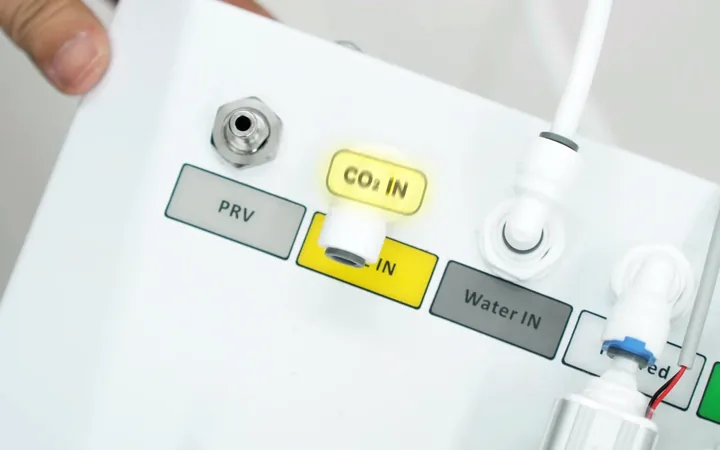
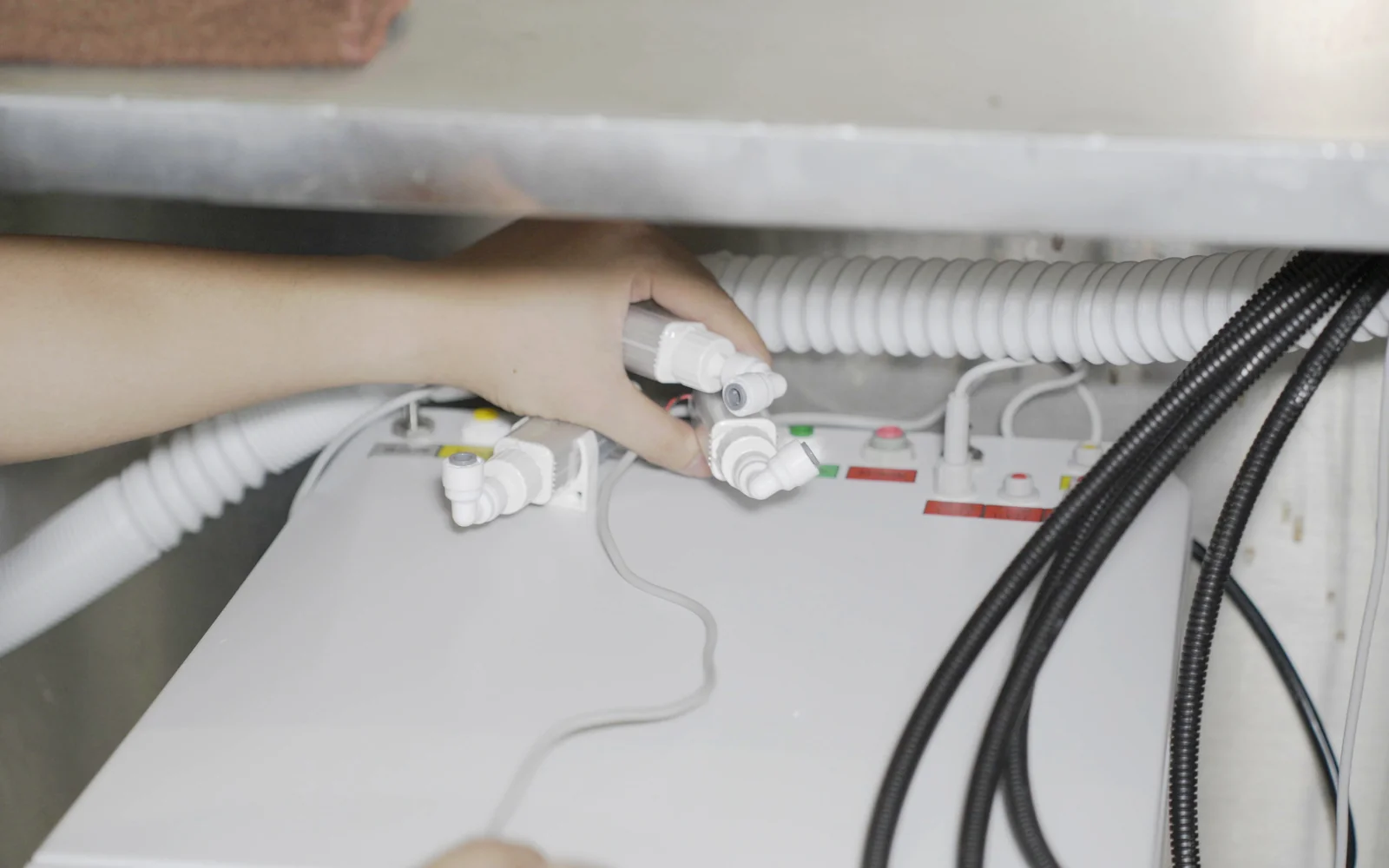
At the cabinet, check the opening people will actually carry the unit through and the space needed to get it out again. The same manual shows a ventilation grille at the cabinet door. Have the installer confirm the vent route, the potable-water inlet under demand, the local power supply and the drain for the actual configuration. Walk those routes with the door shut and make sure the shutoff and items that need service are reachable.
Decide Who Disconnects It and Where People Get Water
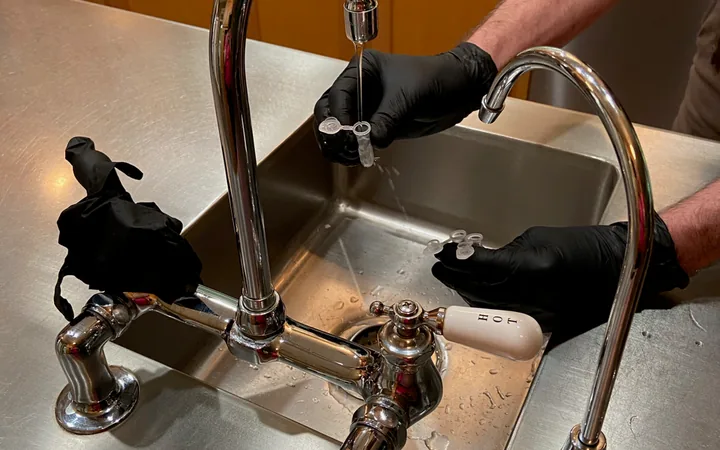
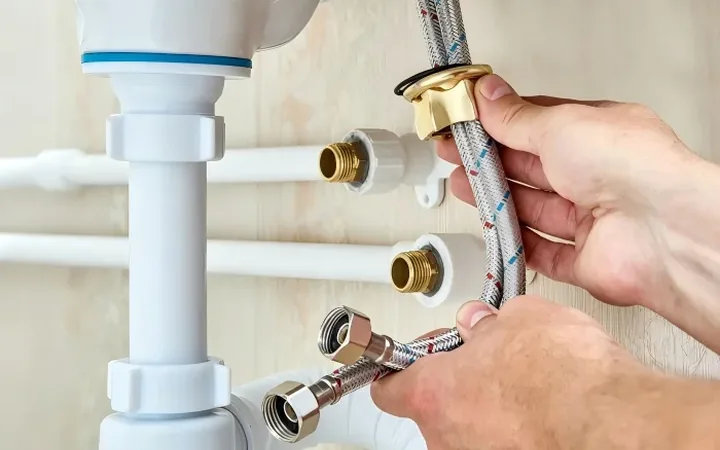
The UK Water Dispenser & Hydration Association's guidance tells users not to disconnect the plumbing or move a mains-fed dispenser themselves. Ask the manufacturer or an authorized service team to specify preparation, transport and storage for the actual unit. Agree on the handling of stored water and any gas or electrical connections, the condition of each consumable and who makes the old service connection safe. Take a record of the connections before removal so the new installer has the old configuration in front of them.
Put the interim drinking-water source in the staff notice with its hours and the name of the person who checks supplies. If the cabinet, permit or commissioning date slips, keep that arrangement active. The team should know whether the backup is a separately approved source or merely another tap on the same branch. If a branch is isolated, verify which points remain suitable for use.
Trace the shutoff and the route that remains available during service
Give the New Point Its Own Acceptance Record
On the new installation, the Bestware V1.2 manual calls for checking connections and confirming no piping leaks before switching on the chilling and heating units. Have the qualified team sign off the actual configuration, including drainage, treatment and each mode kept in service. Where the applicable local food-service rules adopt that provision, the FDA's 2026 model Food Code calls for flushing and disinfection before a drinking-water system returns to service after construction, repair or modification. Put that clearance and any required verification on the schedule with the plumbing work.
Keep the point closed while items affecting release are unresolved. Record the model and serial number, installed consumables, the measured conditions and final results. Leave the new location in the asset record and give the site lead the current service contact. Make the first usable date clear to the operations team.
Use the installation and handover checks to record release at the new point
Test the Way Drinks Will Be Served Here
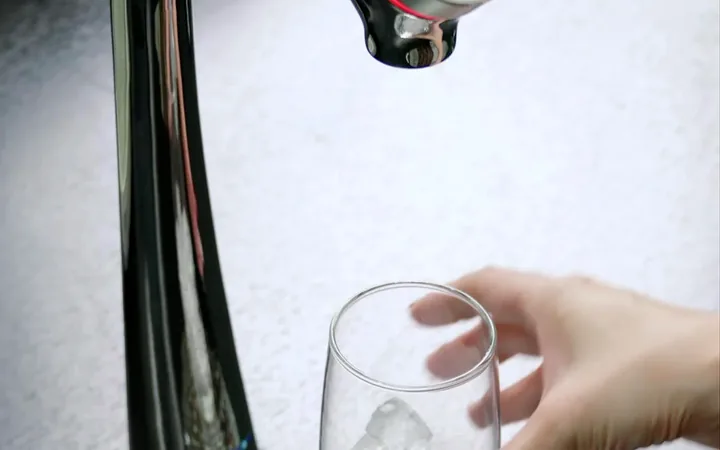
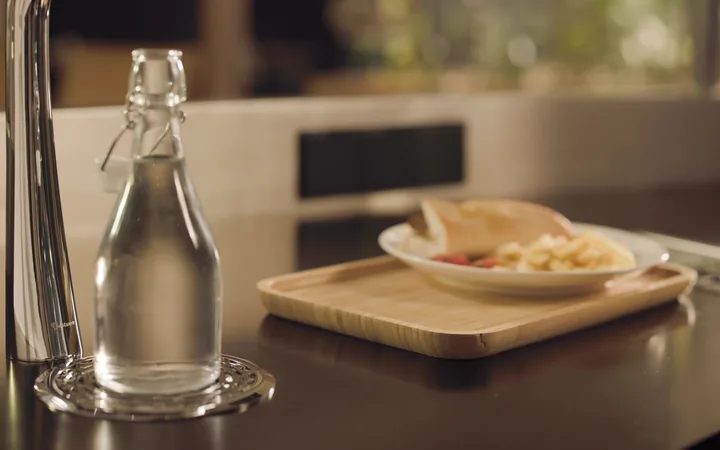
Suppose this move adds sparkling water by the carafe at lunch. Twelve 0.75 L carafes in 15 minutes need 9 L during that window. Use the intended carafes and the expected order pattern to test the first and last fills, record the fill time and water temperature, and check where clean and used carafes go. A successful first pour says little about what is left for the last table. The figures are a trial load, so keep the accepted service pace with the result.
Check whether the new menu or way of serving needs approval. In Seattle and King County, for example, the local plan review guide says the authority may ask for plans and specifications if it needs them to check a changed menu or method of operation. Record who asked the authority before fixing the opening date. With several sites, give each address its own readiness and release dates.
Sources for This Edition
- Bestware — Project Handoff Example · An illustrative move or provider change covering equipment ownership, contract and collection terms, and temporary drinking-water service. The actual terms and dates come from the project’s signed agreement and schedule.
- Bestware G1DS-123 and G1DS-1023 Installation Manual V1.2 — Required Space and Ventilation · PDF p. 9, printed pp. 13–14, Required Space and Placement Requirements. The chilling unit is 355 × 464 × 438 mm and its drawing shows minimum placement space 425 × 500 × 630 mm, W × D × H. PDF p. 10, printed p. 15, Ventilation Grid Installation.
- Bestware G1DS-123 and G1DS-1023 Installation Manual V1.2 — Checks Before Power-Up · PDF pp. 14–15, printed pp. 25–26, Post-installation and Pre-startup Precautions. Verify connections and confirm the piping has no leaks before turning on the chilling and heating units.
- Water Dispenser & Hydration Association — Essential Care of Your Watercooler · WHA CF 202401, PDF and printed p. 3, Mains-fed Dispensers. The guide says users should know the shutoff and should not un-plumb or move the dispenser themselves.
- U.S. FDA Food Code 2026 — Drinking-Water System Flushing and Disinfection · Preface vi–vii on jurisdictional adoption for retail and food service. Section 5-101.12, printed p. 119, PDF p. 147, flushing and disinfection before drinking-water systems return to use after construction, repair or modification and potentially contaminating emergencies.
- Public Health — Seattle & King County, Permanent Food-Service Plan Review Guide · September 2025, printed p. 7, Construction Plan Review Procedures for Food Service Establishments. The local authority may require plans and specifications when necessary for compliance, for example when a menu or method of operation changes.
- Bestware Wiki — Planning a Water Treatment Bypass for Maintenance · Use the service map to distinguish the normal, isolated and alternate supply paths.
- Bestware Wiki — Water Dispenser Installation and Handover · Record the delivered equipment, installation checks, trial service and responsible roles.
Continue With These Decisions
- How to Plan a Water Treatment Bypass for Maintenance
Trace the shutoff and the route that remains available during service
- Water Dispenser Installation and Handover: What to Sign Off
Use the installation and handover checks to record release at the new point