Taste the Apple and Pear Before You Add Spice
If you’ve got one spot for a fruit soda on the menu, pour the apple and pear side by side. Start with matching formats: two clear, pasteurized, single-fruit juices with no added sweetener. A pear nectar or cloudy apple juice may make a drink you like just as much. It calls for another trial because it changes what’s in the glass. When an ingredient says cider, read the label and supplier sheet. An alcohol-free menu needs ingredients verified for that use.
A 2025 study gives a reason to taste both. The researchers reported 11.9 °Brix and pH 3.16 for their Polish apple juice before fermentation, and 12.2 °Brix and pH 3.61 for their pear juice. The soluble-solids readings were close. The pH readings differed. That describes the two juices they bought; taste your actual bottles to see how they come through after dilution.
Make Four Small Glasses With One Batch of Water
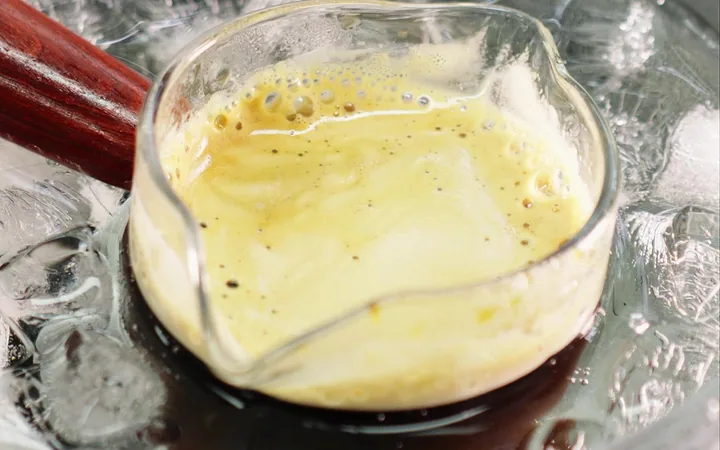
For a test infusion, gently simmer 1 g of cinnamon stick in 100 g of drinking water for five minutes. Strain out the spice, chill the liquid promptly in a clean container, then weigh it and top back up to 100 g with chilled drinking water. These are starting amounts for a tasting. Make only what you need for the session and follow your kitchen’s normal cooling and handling procedure.
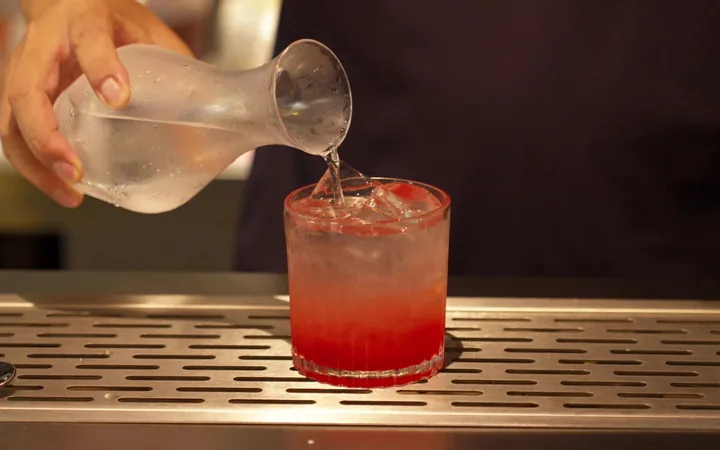
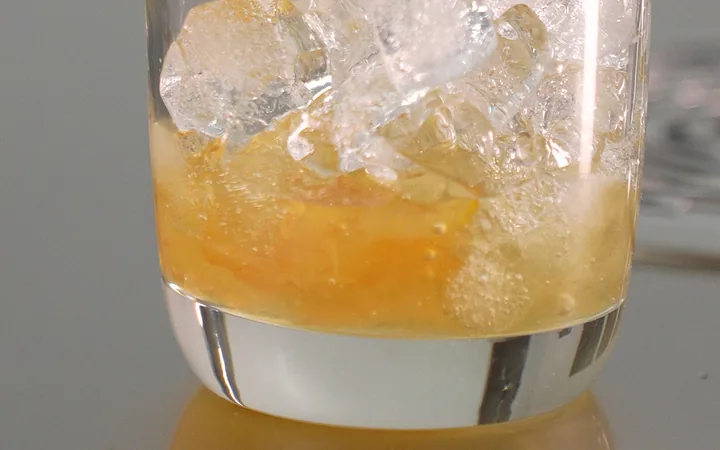
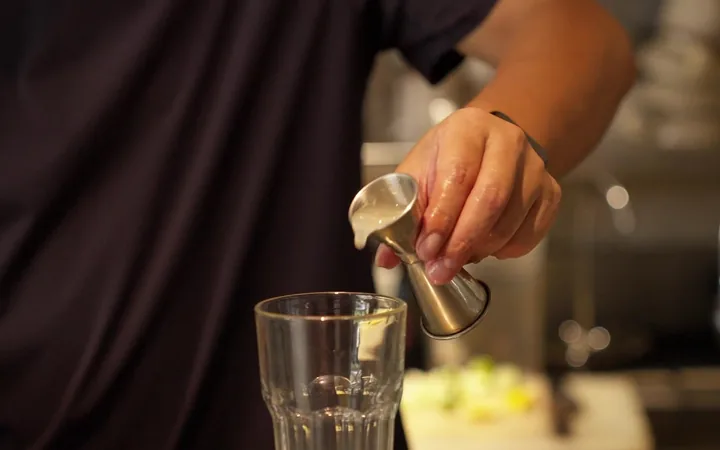
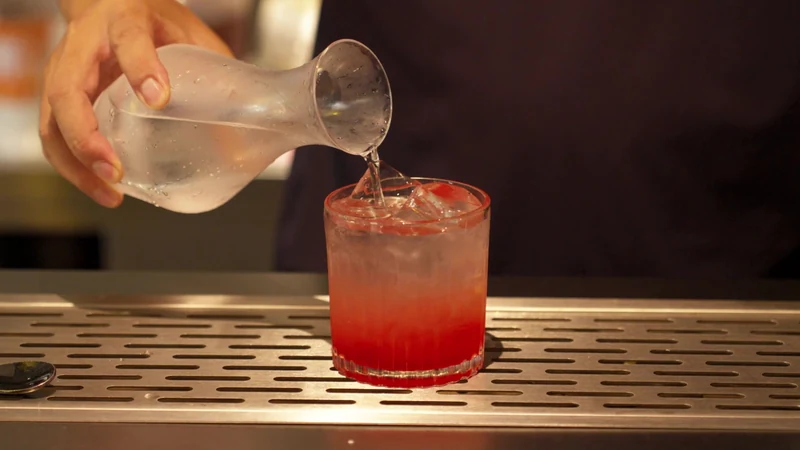
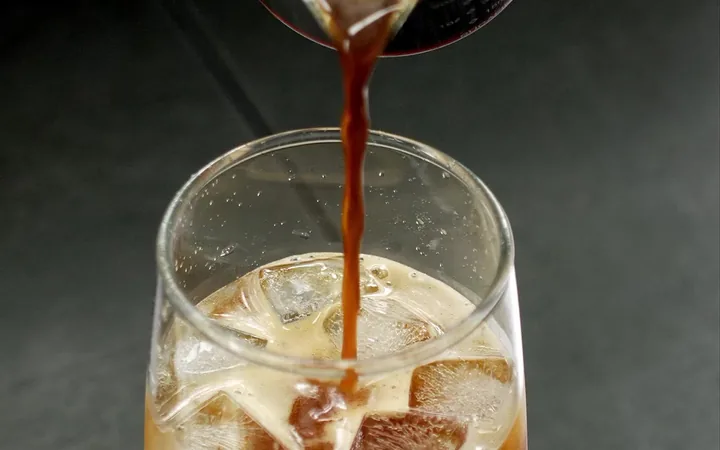
Chill both juices, the infusion and the sparkling water to a similar temperature, then set out four matching glasses without ice. Put 30 g of apple juice into two and 30 g of pear juice into the other two. Give one glass of each fruit 5 g of still water and the other 5 g of the cinnamon infusion. Finish each with 115 g from the same plain sparkling water supply. That’s 150 g of liquid in every glass. Pour gently and taste at the same interval after each pour. Compare the two plain glasses first, then taste each spiced one against its own fruit.
Keep the Spice Pot Away From the Carbonator
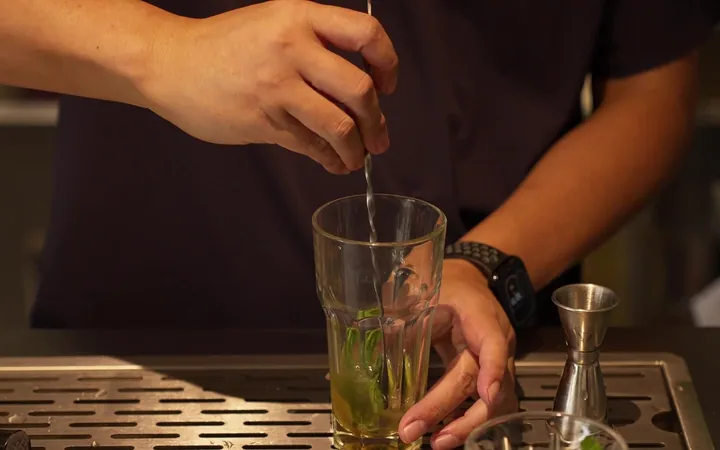
In the USDA recipe Liz’s Sparkling New Year’s Cider, the apple juice and spices are heated, strained and cooled before any sparkling water goes in. Shanthi Appelö’s pear drink takes a cold route: pear juice, ginger, lemon and syrup are mixed first, then poured over ice and topped. The two published drinks use different ingredients and proportions. Both give you a way to get the flavor ready before the sparkling finish.
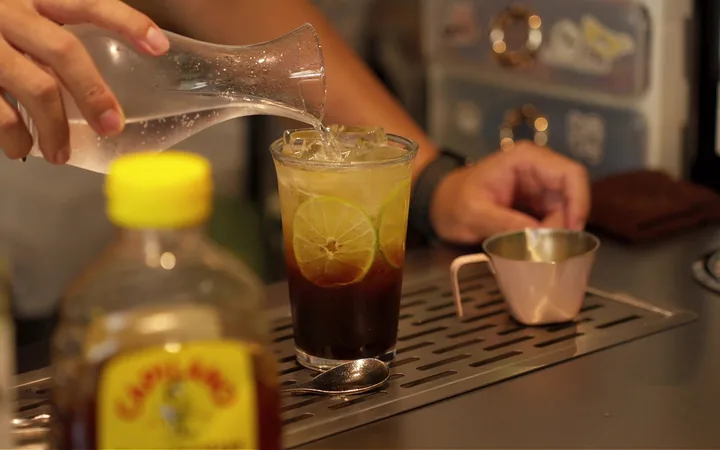
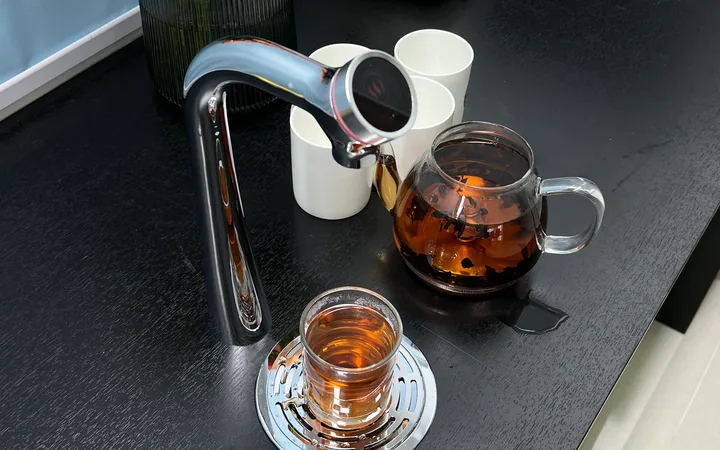
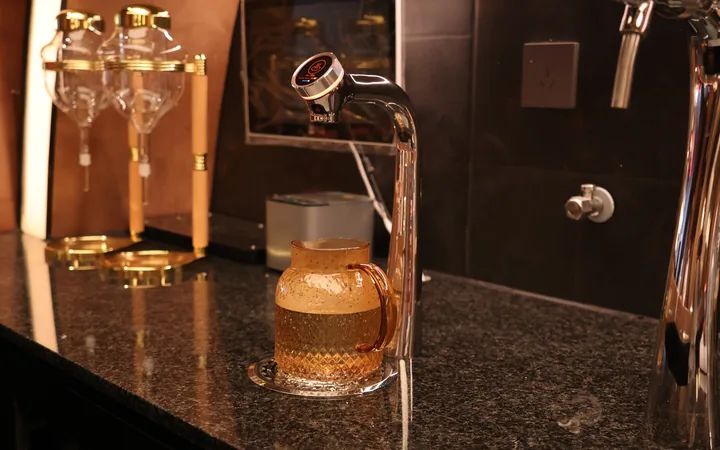
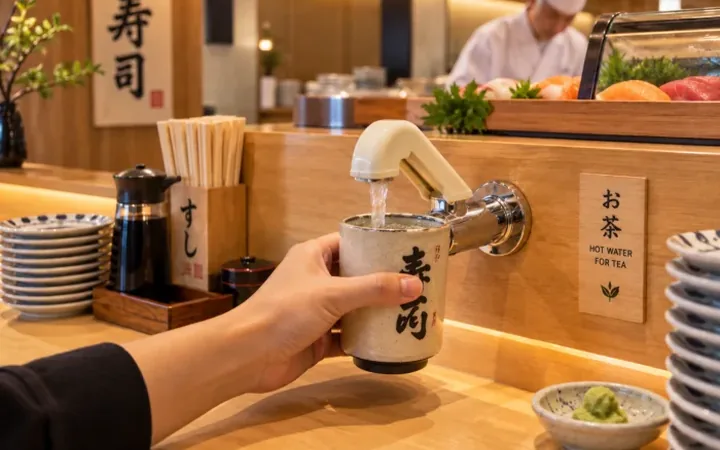
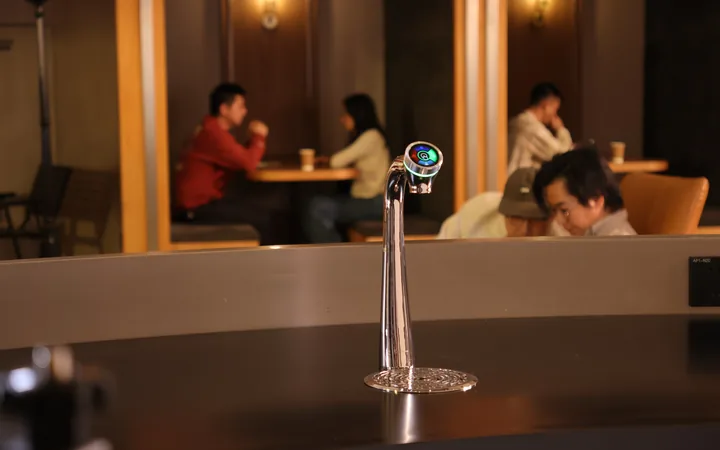
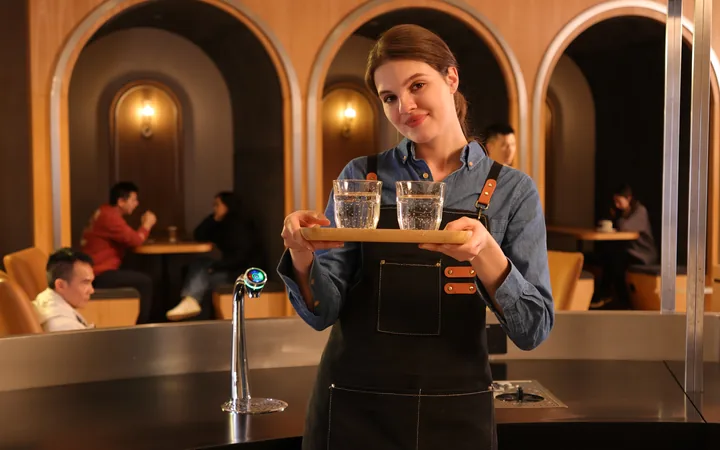
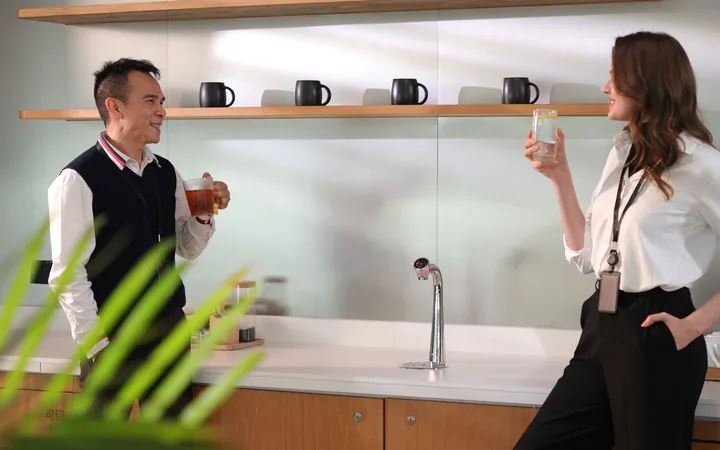
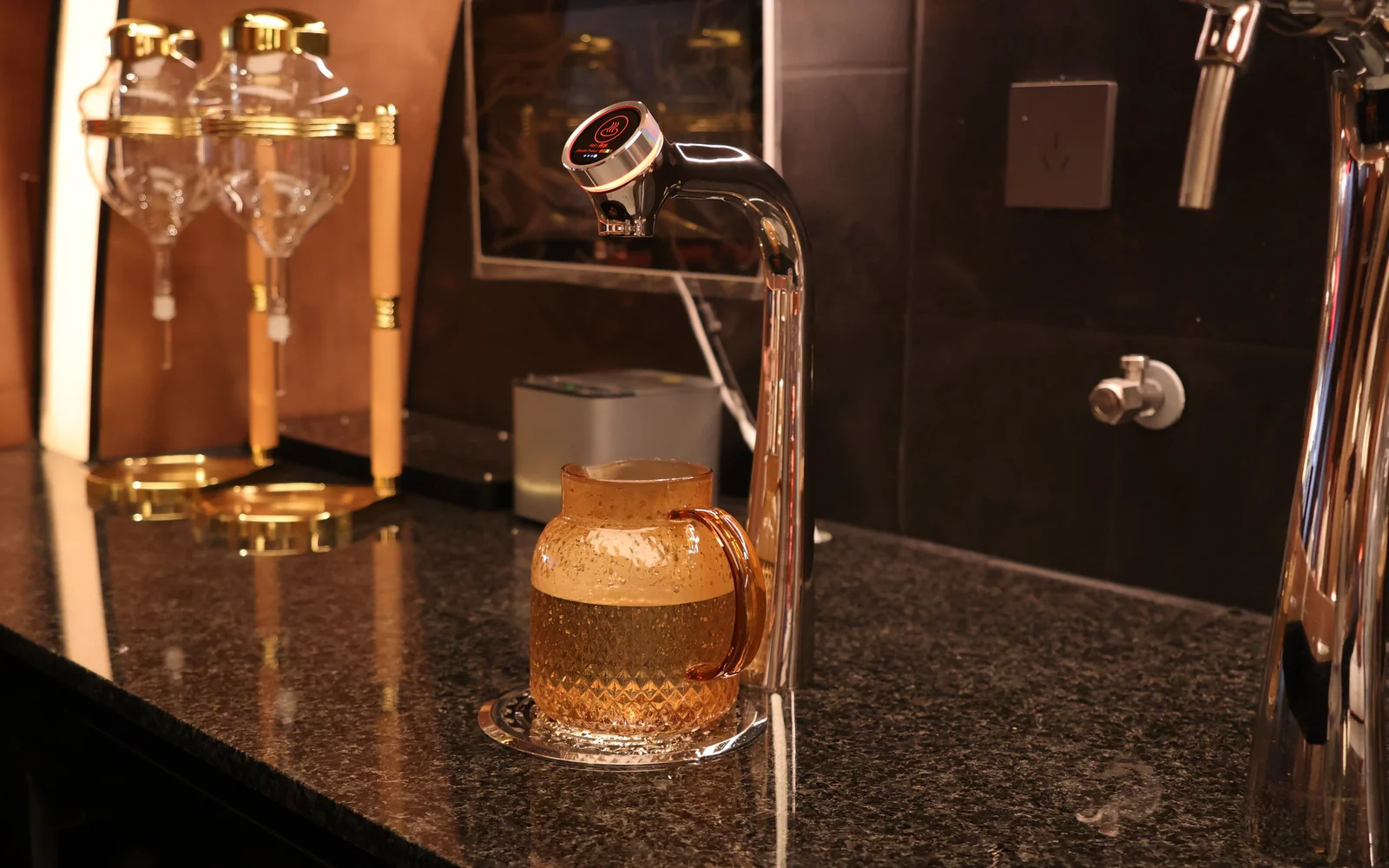
At a café using a Bestware G1DS-110, draw the plain sparkling water from the tap into the glass. Mix fruit and the chilled cinnamon infusion at the bar. The manual shows the water modes and connections for that model; there’s no reason for any of the drink ingredients to go through the machine.
Repeat the Winner as a Real Order
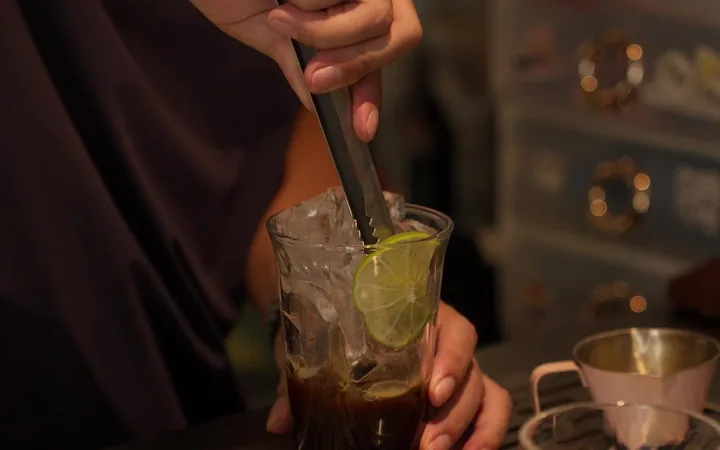
Now use your service glass and the amount of ice you actually scoop. For a check, you could weigh 40 g of matching ice into each glass and compare a new pour with one held for three minutes, if that’s a believable delivery delay. Does the fruit still come through? Is the cinnamon still where you want it after the ice has had time to melt? Record the fruit SKU and lot, the infusion batch and the weights. When the juice changes, repeat the small taste before you prep a jug.
Sources for This Edition
- Canadian Food Inspection Agency · Preventive controls for unpasteurized fruit juices and ciders · Introduction, Definitions and Labelling. Canadian guidance describes unpasteurized fruit juice and recommends identifying it on the label. The tasting uses juice confirmed as pasteurized.
- U.S. TTB · Cider FAQs · Introductory definition of cider and hard cider as used in the U.S. beverage alcohol FAQs. Check the ingredient's own description for a menu without alcohol.
- Patelski et al. (2025) · Unique Alcoholic Beverages Derived from Pear and Apple Juice Using Probiotic Yeast · Applied Sciences 15(24), 13039, DOI 10.3390/app152413039, sections 2.1 and 3.1, PDF p. 6, Table 1. Before fermentation, two Polish NFC juice inputs measured 11.9 °Brix with pH 3.16 for apple and 12.2 °Brix with pH 3.61 for pear (reported central values). They describe those inputs only.
- USDA Center for Nutrition Policy and Promotion · Liz’s Sparkling New Year’s Cider · Recipe sheet held by Cornell Cooperative Extension, physical p. 1, Ingredients and Directions. The method heats 100% apple juice with spices, strains and cools it, then adds unsweetened sparkling water.
- Shanthi Appelö · Sparkling Pear Mocktail with Rosemary Sprig · A Healthier Michigan, December 14, 2023, recipe Ingredients and Step 1. Pear juice, syrup, ginger and lemon are shaken together, poured over ice and topped with sparkling water; the rosemary sprig is used while serving.
- Bestware editorial trial design · Four equal-mass tastings · Illustration only. Each glass contains 30 g juice, 5 g of either chilled still water or cooled and chilled cinnamon infusion, and 115 g sparkling water (150 g liquid). The recipe specifies the comparison procedure and records no observed result.
- Bestware · G1DS-110 / G1DS-1010 installation manual, 2026 V1.1 · PDF p. 3 (printed 01) shows cold, sparkling and ambient water. PDF p. 13 (printed 22) names Water In and CO₂ In. The featured bar workflow draws plain sparkling water at the tap and adds recipe ingredients in a glass.
- Bestware Wiki · Balancing ginger, herbs and flowers in sparkling drinks · Comparison with a measured aromatic addition and an otherwise matching glass.
- Bestware Wiki · Sourcing fruit ingredients for consistent drinks · Keep the supplier, specific product, format and lot with a repeatable tasting before accepting a replacement.
Continue With These Decisions
- How to Buy Fruit Ingredients for Consistent Drinks
Check which fruit product and lot you’re tasting
- How to Balance Ginger, Mint and Flowers in Sparkling Drinks
Use the same side-by-side method for ginger or herbs