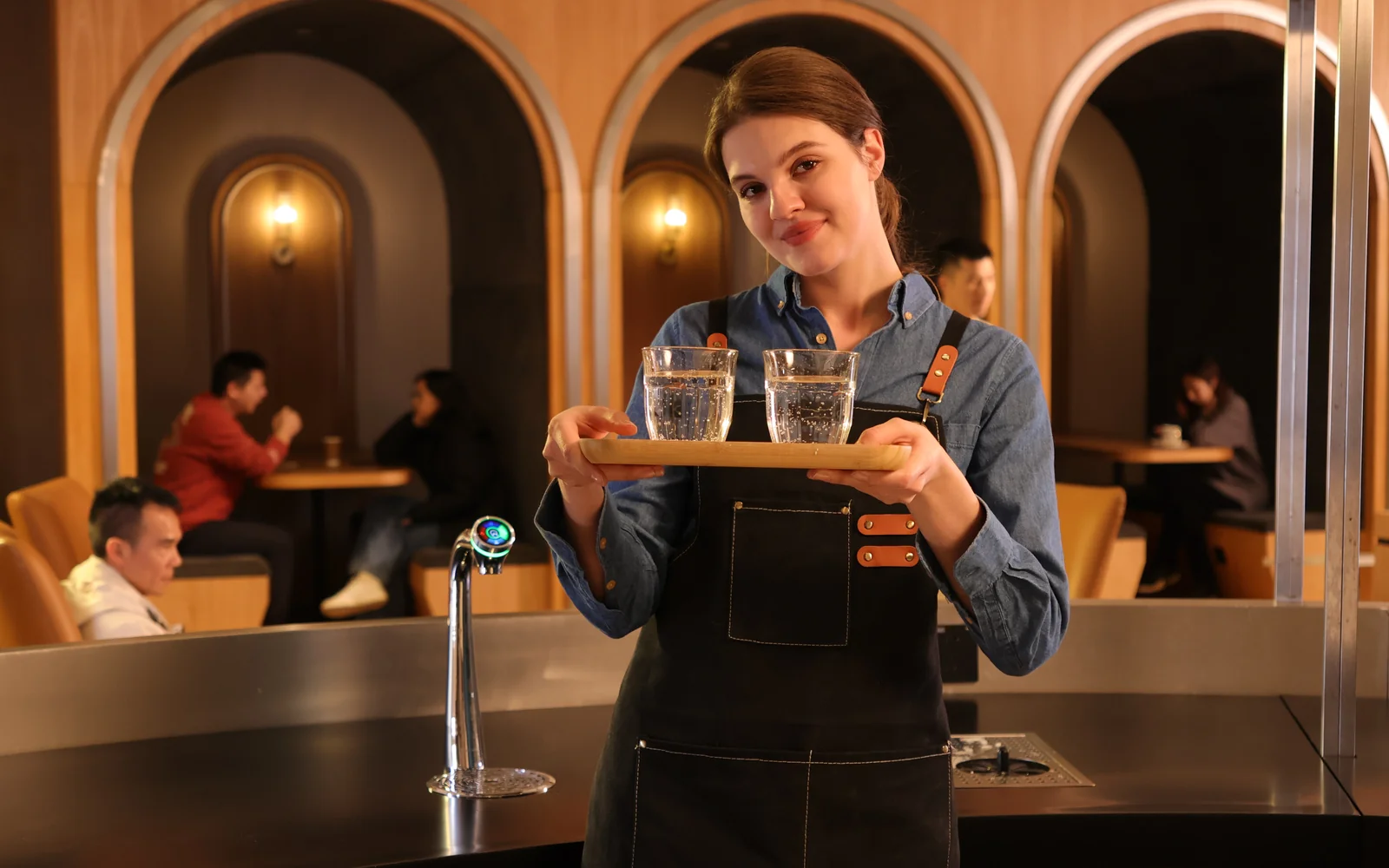
Taste the Water at the Table
Pour a small glass after a bite of the dish you want to test. Try the second water with another bite of that same dish. A table can notice a difference and still split on which glass it wants to keep. For restaurant service, write down what people noticed and what they would order. Those answers are useful for deciding what staff can describe with confidence.
If a guest asks for still water, serve the option they chose. When someone asks what might go with a particular course, a short description of the two options is enough to begin. A taste for interested guests can follow when the restaurant offers it.
What Two Restaurant Menus Make Clear
O Lar do Leitón’s water menu in Ourense puts recommendations beside groups of dishes. Its seafood group includes still and sparkling choices. The restaurant can explain what it picked and leave the choice with the guest. In Copenhagen, Gemini lists filtered still or sparkling water with refills as a per-person lunch option, separate from its wine and juice pairings.
One menu gives staff a place to start when talking about a dish. The other tells the table what it can order and how refills work. A venue can write either kind of menu from its own service, then check whether customers hear the same explanation during the rush.
Keep the Cup and Serving Conditions Constant
In a 2019 study, Paola Risso and colleagues served still and sparkling mineral water to 48 blindfolded participants. They used the same type of plastic cup with three different coverings and served the water at 19–22°C. Water served in the plastic-covered cups received higher pleasantness ratings than water served in the satin- or sandpaper-covered cups. The coverings did not significantly change ratings on the carbonation scale. This was a cup experiment without a meal.
Capehart and Berg’s blind-water study used separate tasks for identifying a difference and rating the selected waters. For a table trial, record those answers separately too. Use matching glasses, comparable temperatures and the same time from pour to first sip. If two waters differ in source or composition as well as bubbles, describe the difference as a comparison of the two actual pours.
Run One Small Side-by-Side
For an illustrative staff check, pour 60 mL of each option into matching clean glasses. Give each person two comparable bites from the same prepared dish. Use a comparable starting temperature and match the time from each pour to its first sip. Have half the group start with A and the other half with B. Ask what changed and which they would choose with that dish. Give both questions their own line and leave room for no preference.
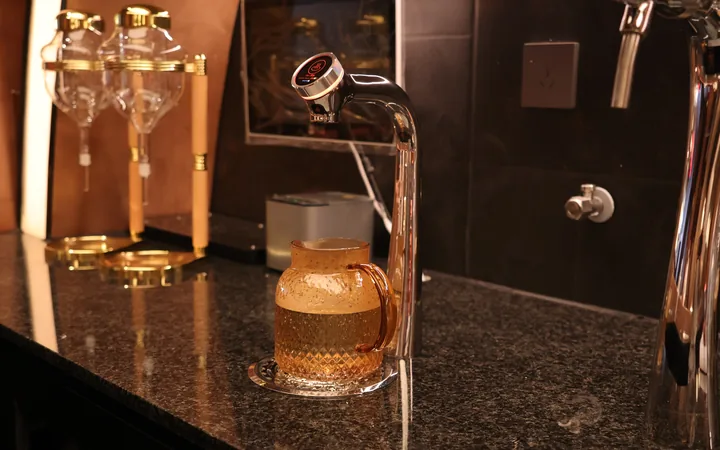
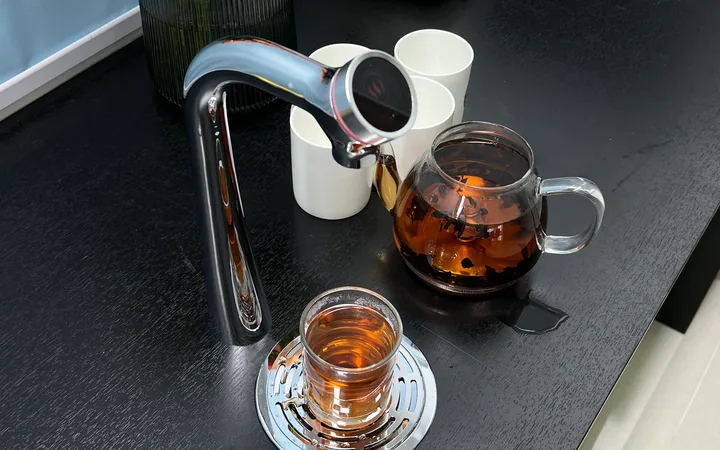
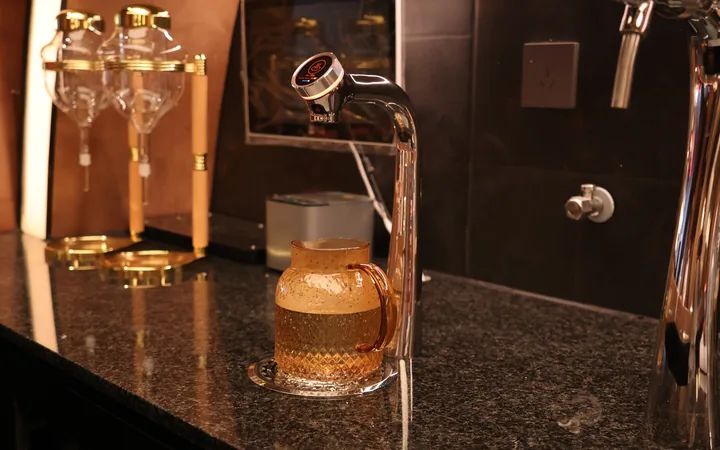
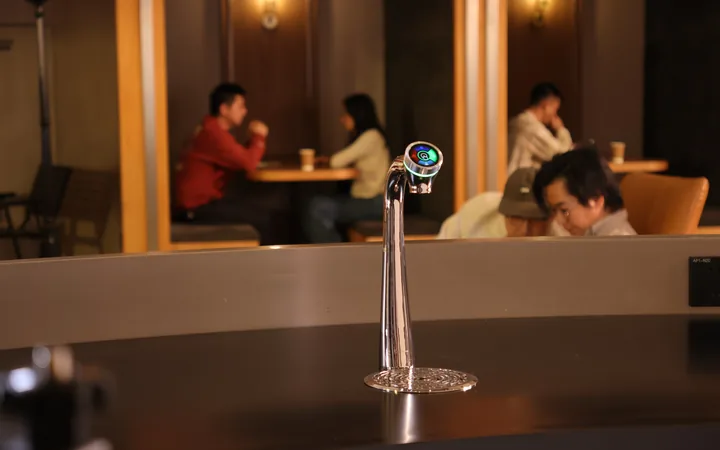
On a Bestware G1DS-110, the manual identifies chilled and sparkling settings, so the team can label exactly which mode it used. Record the actual temperature and outlet or bottle. Repeat with fresh matched portions after the typical wait before a drink reaches the guest, for example four minutes. That check shows what reaches the table under the service you plan to run.
Put the Choice Into the Shift Notes
Give staff one line that specifies the water options, any charge and how refills work. Add what was tried, the dish, glass, temperature and timing, plus one comment worth repeating. When people describe two different preferences, keep both on the sheet. Use the table check to guide service and keep the separate drinking-water and sanitation requirements for the site.
Sources for This Edition
- Risso et al. · The Effect of the Tactile Attributes of a Container on Mineral Water Perception, Beverages, 2019 · PDF pp.3–5, Methods and Results, Figure 3: 48 participants, two mineral waters and three cup coverings, 19–22°C. The covering affected perceived pleasantness in this experiment, with no significant difference on the carbonation scale by covering.
- Kevin W. Capehart and Elena C. Berg · Fine Water: A Blind Taste Test, Journal of Wine Economics, 2018 · Printed p.20, Abstract; p.26, Study 1 Method; p.30, Study 2 Method. More than 100 recruited. Discrimination among the selected still bottled waters and ratings of the waters were separate tasks.
- O Lar do Leitón, Ourense · Original Water Menu, The Gallery · English original, printed pp.4 and 6, Water Sommelier Recommendations and Subtle Experiences group. Still and sparkling recommendations appear with the seafood group. Restaurant's menu offering, not an experimental result.
- Gemini, Copenhagen · Original Lunch Menu · Drinks with the menu: filtered water, still or sparkling, listed per person with refills. The water line is separate from the wine and juice pairings.
- Bestware · G1DS-110 / G1DS-1010 Installation Manual, 2026 V1.1 · PDF p.3, printed p.01, Dispenser Tap Operation Instructions items 1 and 2: chilled and sparkling modes. No served temperature, carbonation or preference evidence for the article’s trial.
- Bestware Wiki · Illustrative Table Tasting With One Dish · Hypothetical: 60 mL per sample in identical glasses, two bites from one prepared dish per taster, matched starting temperature and time; half A/B and half B/A. Retest the same options at the actual service delay, with four minutes as an example. No sensory or temperature result.
- Bestware Wiki · Water Taste, Minerals, Temperature and Carbonation · Identify which serving conditions changed before attributing an observed difference to the water.
- Bestware Wiki · Planning Restaurant Water Service · Plan first pours, refills and service responsibility during a real restaurant shift.
Continue With These Decisions
- Why the Same Water Tastes Different When It’s Cold or Fizzy
Check what temperature, minerals and carbonation can change
- How to Plan Water Service in a Restaurant
Set the first-pour and refill routine for the service team