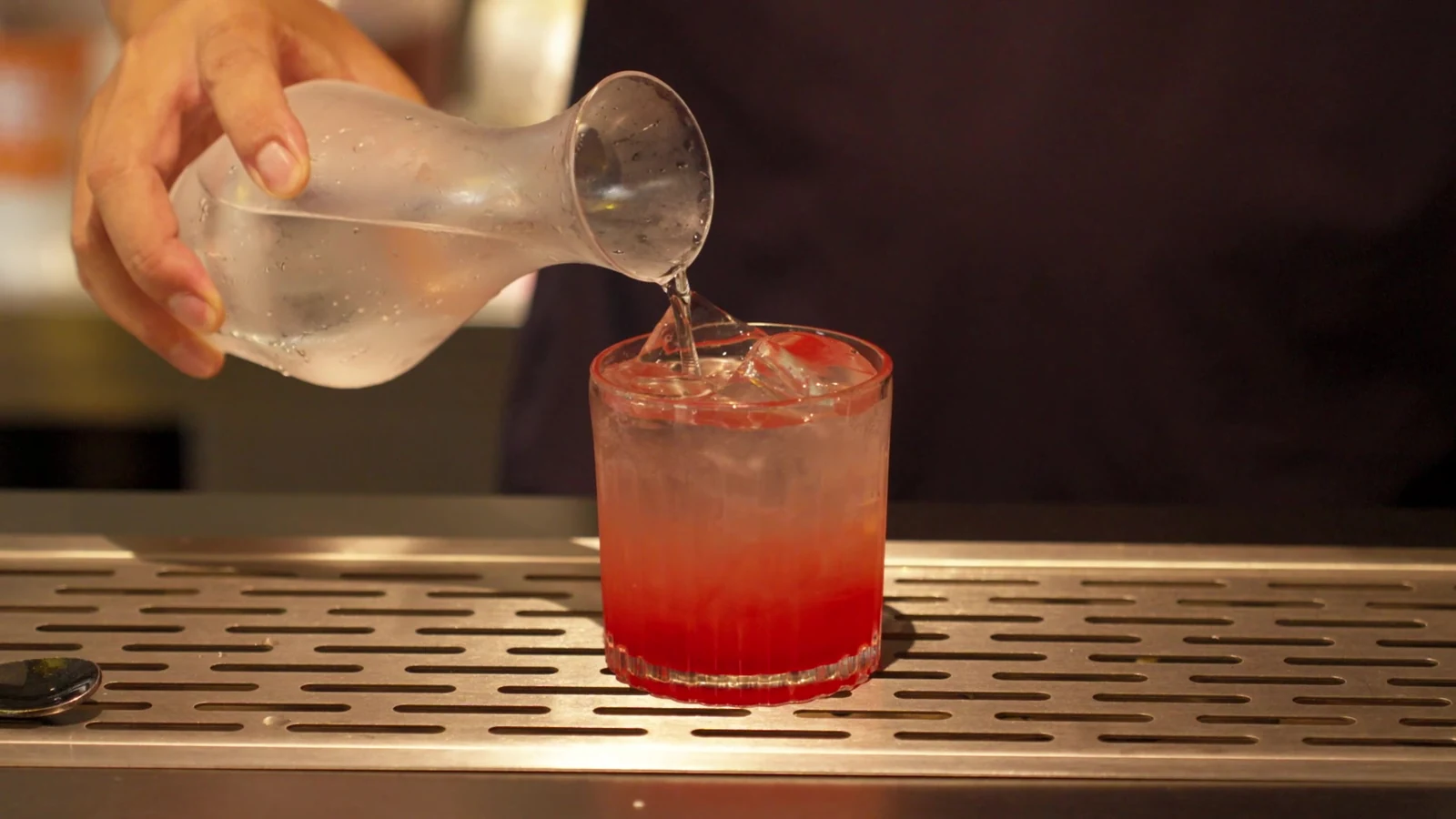
Start With the Ingredient the Drink Needs
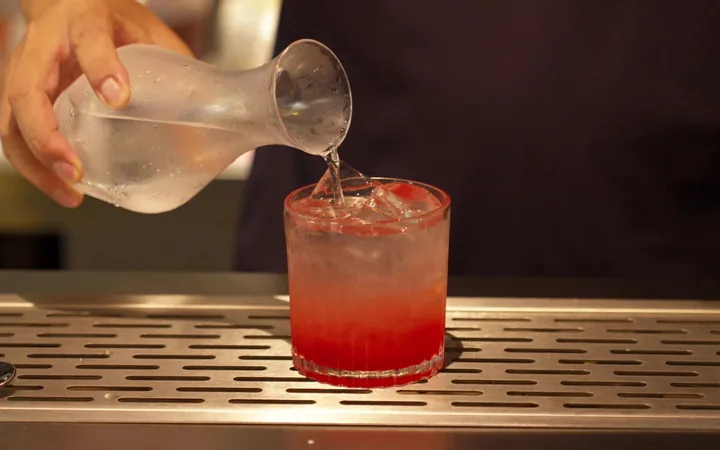
Top a lemon spritz with plain sparkling water or unflavored seltzer and the lemon and syrup still set the flavor. Club soda brings another ingredient to the glass. Its added mineral salts can change how the drink tastes, especially in a simple citrus or spirit-and-soda build. Tonic brings quinine bitterness and typically a sweetener. If the drink needs that bitter finish, keep tonic on the recipe.
Two labels from the same Canadian manufacturer make the distinction concrete. Its club soda lists potassium bicarbonate and potassium citrate. The regular tonic lists quinine hydrochloride and a sweetening ingredient. Salt blends and sweeteners vary by product. For repeat service, copy the actual mixer name and relevant ingredients from the package, especially if the order just says “soda water.”
Read flavored seltzer as a separate option. A lime aroma may suit a house drink that calls for lime. Put it next to the unflavored version in a finished drink before giving it the same inventory slot. If sugar or sodium matters to the recipe, compare the nutrition panels per equal volume.
| Name | Composition Clue | At the Bar |
|---|---|---|
| Sparkling water | A broad description of carbonated water; check flavorings and other additions. | Choose an unflavored version when the recipe needs a neutral base. |
| Seltzer | Usually water with added CO₂; flavored versions also exist. | Commonly used for plain fizzy water or as a mixing base. |
| Club soda | Carbonated water with added mineral salts, such as sodium bicarbonate. | Compare its mineral character before replacing it with plain seltzer. |
| Soda water | A name whose use overlaps with carbonated water and club soda. | Specify the actual mixer in the recipe or stock list. |
| Sparkling mineral water | Mineral-water source plus carbonation; composition depends on the source. | Check the source and mineral content when choosing water for its mineral taste. |
| Tonic water | Quinine-flavored carbonated mixer, usually with sugar or another sweetener. | Contributes a bitter flavor profile as well as carbonation. |
“Soda Water” Changes Meaning Across Markets
On a U.S. bar ticket, soda water can mean plain carbonated water or club soda. U.S. bottled-water rules use the narrower name “sparkling bottled water” for water with the same amount of source CO₂ after treatment and any replacement. The FDA has historically treated mixers such as seltzer, club soda and tonic as soft drinks. Sugar content still comes from the label. U.S. mineral water has source and composition requirements of its own.
Spain’s soft-drink regulation sets at least 6 g/L of CO₂ for both agua de seltz and agua de soda, with sodium bicarbonate characterizing the latter. China’s beverage-industry association standard has carbonated and still forms of its bicarbonate soda-water beverage. If a Mexican menu says agua mineral, ask whether the bottle is served with gas. The natural mineral water designation there concerns the source, with a separate labeling rule for added CO₂.
Read what mineral and spring water labels can tell you
Two Mixers, the Same Glassware
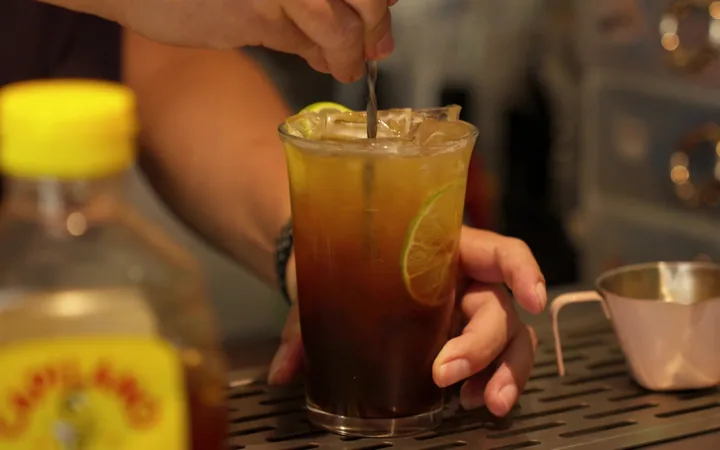
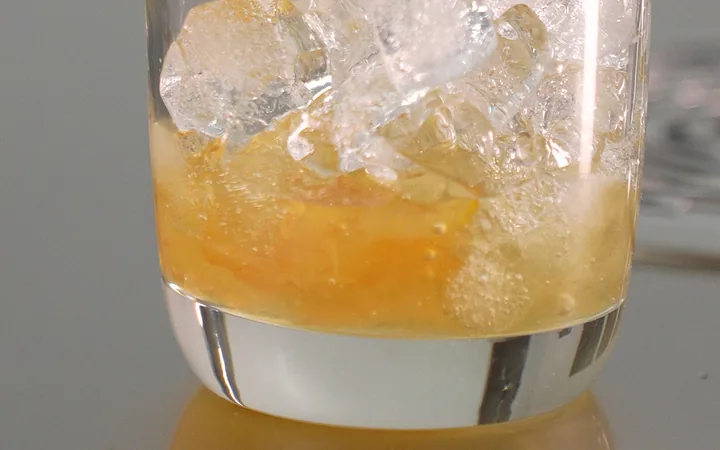
The International Bartenders Association uses 60 mL of soda water in its John Collins, with a separate measure of lemon juice and syrup. Denny Bar Company’s Gin & Sonic uses equal parts club soda and tonic. Both use carbonated mixers. Only the second formula deliberately brings tonic’s bitterness into the mix.
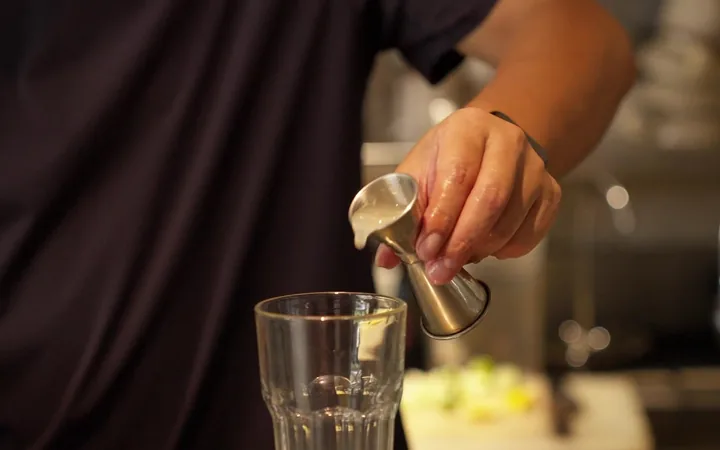
Try the half-tonic idea with an existing drink at the bar. Measure 90 mL of tonic in one version and 45 mL each of the same tonic and unsweetened club soda in the other. Use identical glasses, ice and other ingredients. At 32 g of sugars per 355 mL on the example label, the mixer contributes about 8.1 g to the first drink and 4.1 g to the second, before any other ingredients. The arithmetic estimates the mixer’s sugar from the label. Sip at the same point in service to judge whether you still want the bitter finish and where the sweetness lands.
Quinine deserves its own check on the package. In the U.S., 21 CFR § 172.575 caps quinine used as a flavor in carbonated beverages at 83 ppm as quinine and requires a prominent label declaration. The cap gives no recipe concentration for the bottle on your bench.
| Substitution | What Changes | First Check |
|---|---|---|
| Club soda → plain seltzer | The added-mineral component may change. | Taste the completed drink under the same serving conditions. |
| Tonic → plain sparkling water | Quinine bitterness and the tonic’s sweetening are removed. | Review the recipe’s flavor balance before serving. |
| Plain sparkling water → flavored water | Flavorings, acids or sweetening may be introduced. | Read the ingredients and compare the same serving volume. |
Give the Tap and the Mixer Separate Jobs
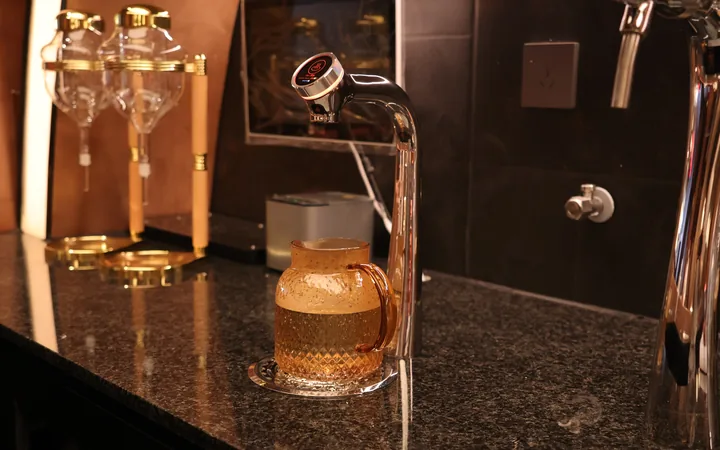
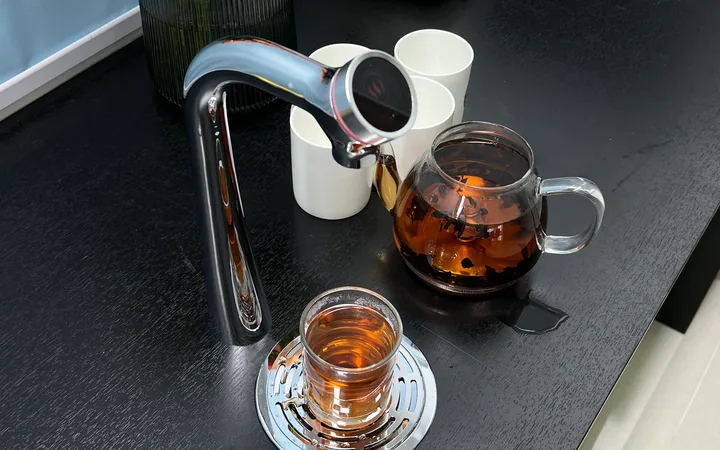
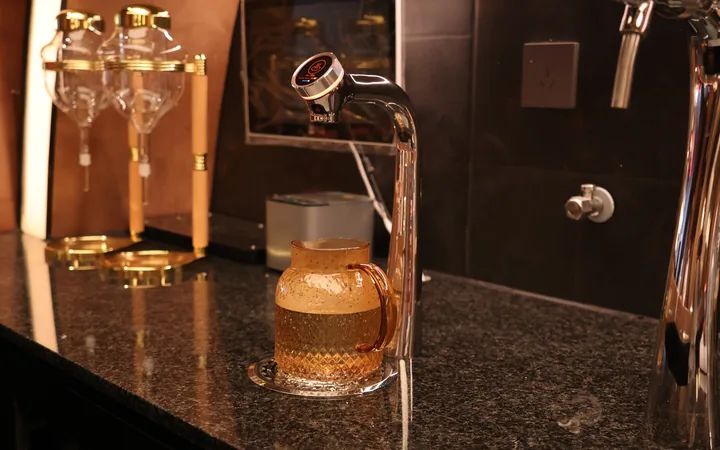
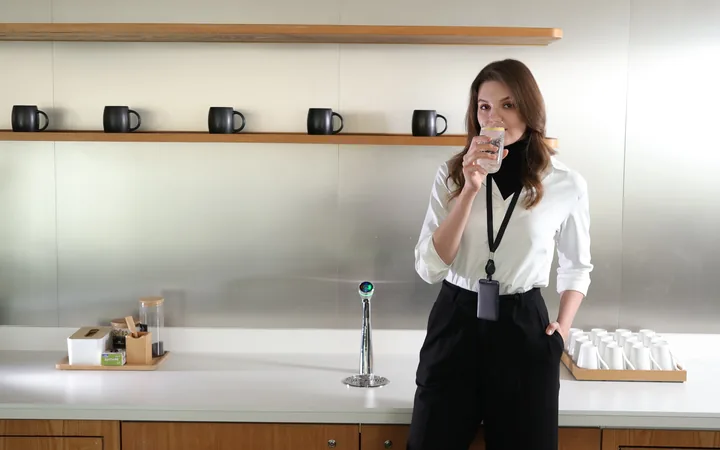
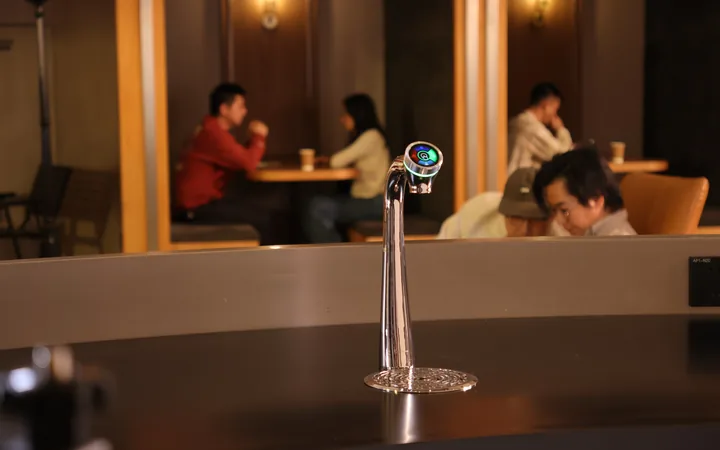
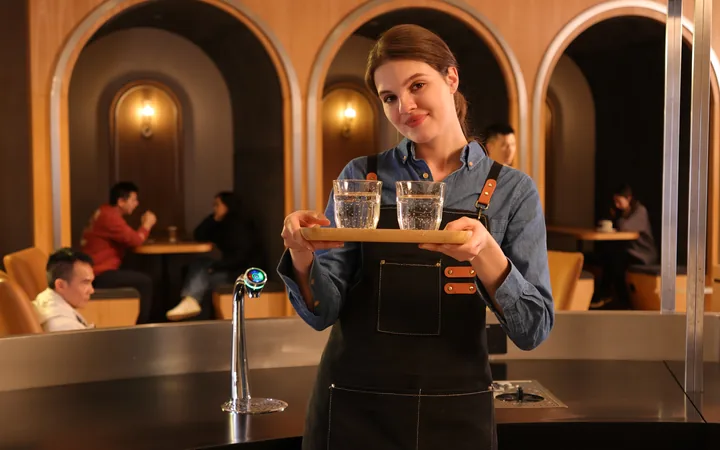
For a station that supplies plain water and prepared drinks, put the water source and the mixer in separate lines on the prep sheet. Bestware’s G1DS-110 lists ambient, chilled, hot and sparkling options at the dispenser. The manufacturer lists 3 vol for its sparkling water. A house recipe takes water from the appropriate option, then gets any tonic, syrup or fruit in the glass. Keep the model’s rating on the equipment sheet and check the actual carbonation under your service conditions.
Use a different line on the stock list when a mixer changes. Write the product, its local label version and pour volume. If a tonic runs out mid-service, use the house-approved replacement recipe or tell the guest which drinks are unavailable. The next shift can then reproduce the order without guessing which bottle “soda” meant.
Check how to measure CO₂ at the dispenser handover
- Read the CompositionLook for added mineral salts, quinine, flavorings, sugar and other sweeteners rather than relying on the front name alone.
- Compare the Same VolumeUse the same serving basis for sugar and sodium comparisons, then taste with the same glassware and ice.
- Record the Serving RecipeState the water or mixer, additions and pour amounts. Keep the guest-facing name consistent with what is actually served.
Sources for This Edition
- Cleveland Clinic · Is Sparkling Water Good or Bad for You? · Types of sparkling water. Distinguishes plain seltzer, club soda with minerals and tonic containing quinine. Ingredient conventions rather than a specification for a single bottle.
- Canada Dry Canada · Club Soda, Canadian Ingredient and Nutrition Panel · 355 mL panel and ingredient list. This Canadian formulation lists potassium bicarbonate and potassium citrate, and zero grams carbohydrate. Other formulations can use different salts.
- Canada Dry Canada · Tonic Water, Canadian Ingredient and Nutrition Panel · Regular tonic, Canadian 355 mL reference, 32 g total sugars. Ingredient list gives quinine hydrochloride and a sweetening ingredient. The exact purchased package controls calculations.
- U.S. FDA · 21 CFR § 165.110 Bottled Water · Paragraphs (a)(2)(iii) and (v). Mineral-water source and composition requirements. The sparkling bottled water designation refers to the source amount of CO₂ after treatment and possible replacement.
- U.S. FDA · FDA Regulates the Safety of Bottled Water Beverages · Defining Bottled Water. FDA explains that waters with added carbonation, soda water, club soda, tonic water and seltzer have historically been regulated as soft drinks.
- U.S. FDA · 21 CFR § 172.575 Quinine · U.S. provision for quinine as a flavor in carbonated beverages. Maximum 83 ppm as quinine and a prominent declaration of its presence on the label.
- China Beverage Industry Association · T/CBIA 001—2017, Soda Water Beverage · Physical PDF p. 3, printed p. 1, sections 1, 3.1 and 4. The trade-association standard describes sodium bicarbonate and divides the beverage into carbonated and non-carbonated types.
- España · Real Decreto 650/2011 · Consolidated text, Article 2(2)(a)–(b). The Spanish names agua de seltz and agua de soda both use 6 g/L CO₂ as the minimum. The soda entry also specifies sodium bicarbonate.
- México · Diario Oficial de la Federación, NOM-201-SSA1-2015 · Sections 3.3 and 8.2.1. The natural mineral-water name concerns source and bottling. Section 8.2.1 requires disclosure when CO₂ is used and permits the names carbonated or gasified water.
- International Bartenders Association · John Collins · Ingredients and Method. The published drink uses 60 mL soda water, with its lemon juice and simple syrup separately.
- Denny Bar Company · Gin & Sonic · Original bar recipe, Ingredients and Instructions. Equal parts club soda and tonic over ice. The source does not give a measured volume for the two mixers.
- Miguel Ayuso Rejas · Gin Fizz, Directo al Paladar · Ingredients and preparation sections, March 2026. 30 mL soda at the end and 22 mL simple syrup already measured into the base.
- Jayaram Chandrashekar et al. · The Taste of Carbonation, Science 326 · Published paper, physical PDF pp. 1–3, printed pp. 443–445, DOI 10.1126/science.1174601. Mouse taste responses link carbonation to sour-sensing cells. This is mechanistic evidence in mice.
- Bestware Editorial · Illustrative Mixer Substitution · A desk calculation from one Canadian regular tonic label. With 32 g sugars per 355 mL and otherwise unsweetened mixer, 90 mL tonic contributes about 8.1 g and 45 mL contributes about 4.1 g. Leaves out ice melt and other ingredients.
- Bestware · G1DS-110 Commercial Sparkling Water Dispenser · Factory product page: Product Info and specifications. Ambient, chilled, hot and sparkling water. The own sparkling-water rating is shown as 3 vol, with no recipe or served-cup measurement.
- Bestware Wiki · Mineral, Spring, Filtered and Purified Water · Check the water-source designation and the market whose labeling rules apply.
- Bestware Wiki · Verify Carbonation Measurements · Compare CO₂ under a specified test temperature and sampling conditions.
- Jayaram Chandrashekar et al. · The Taste of Carbonation, Science 326 · Published paper, physical PDF pp. 1–3, printed pp. 443–445, DOI 10.1126/science.1174601. Mouse taste responses link carbonation to sour-sensing cells. This is mechanistic evidence in mice.
Continue With These Decisions
- Mineral Water, Spring Water, Filtered Water and Purified Water
Read what mineral and spring water labels can tell you
- How to Check the CO₂ in Sparkling Water Before You Sign Off
Check how to measure CO₂ at the dispenser handover