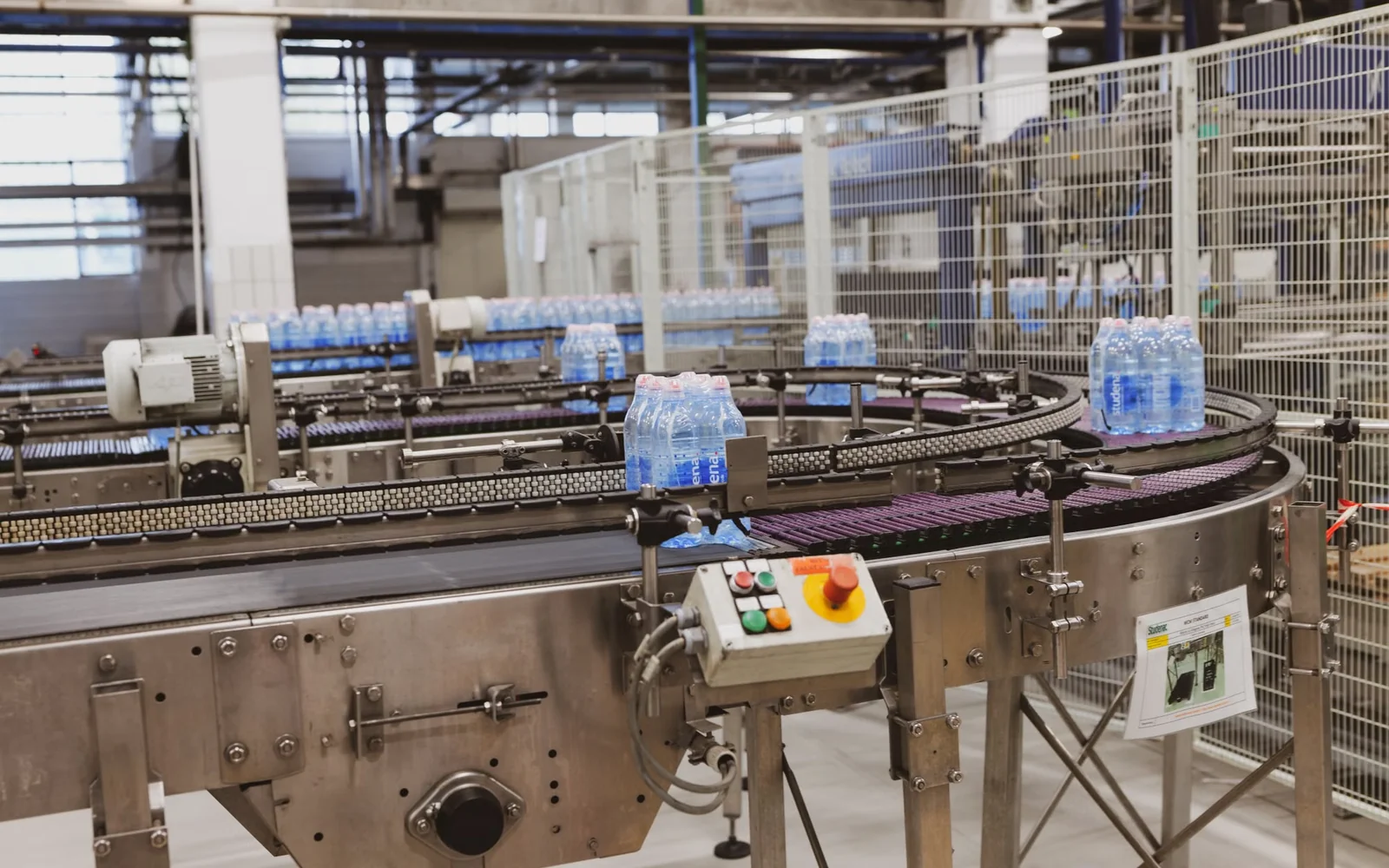
Count Packed Bottles at the End of the Shift
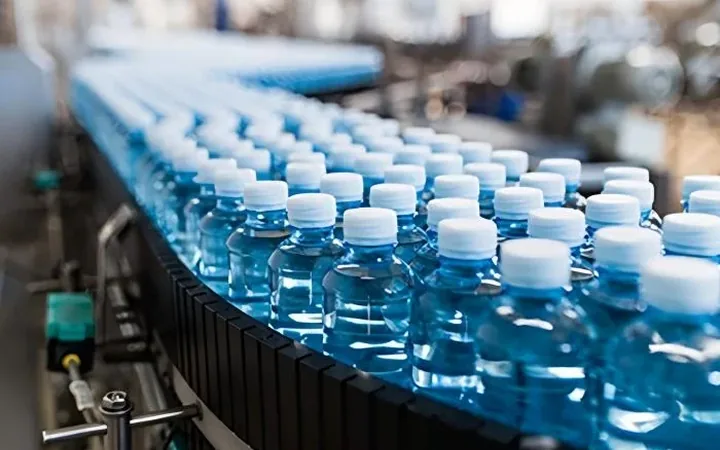
A quote can show 6,000 bottles an hour for the filler and 4,800 bottle equivalents an hour for the packer. First check that both figures cover the same bottle, cap and case. If the packer sets the pace, agree on the gross count at the final inspection point. The buyer can then reconcile it with the packed cases and the batch release record.
Take an illustrative eight-hour shift. Allow 45 minutes for cleaning, 45 for a format change and 30 for other stops, with no overlap. That leaves six hours. Assume 4,800 bottles an hour reach final inspection in that running time. The counter records 28,800 full bottles, including 300 rejected at startup. Subtract those once and you have 28,500 packed bottles pending quality release. If a counter already excludes failed bottles, record those rejects separately. Put any bottles still between stations on the reconciliation sheet at the start and end of the run.
Trace Both Bottle Routes to the Packer
Start with the product, the source water, the carbonation specification, the destination market and how the goods will be stored. Add the exact bottle and closure, how bottles are supplied to the line and what the retail pack looks like. Follow the route from water preparation and carbonation through filling, capping, coding and packing. Mark which supplier owns each interface and what happens to bottles in the buffer if the next station stops.
A 2022 supplier report on Calizzano, Italy, shows the returnable and one-way glass bottle routes laid out with separate infeed and packing equipment and a shared glass filler. Use the same question for your layout. Ask which stations handle both formats, which need separate equipment and which change parts come with the quote.
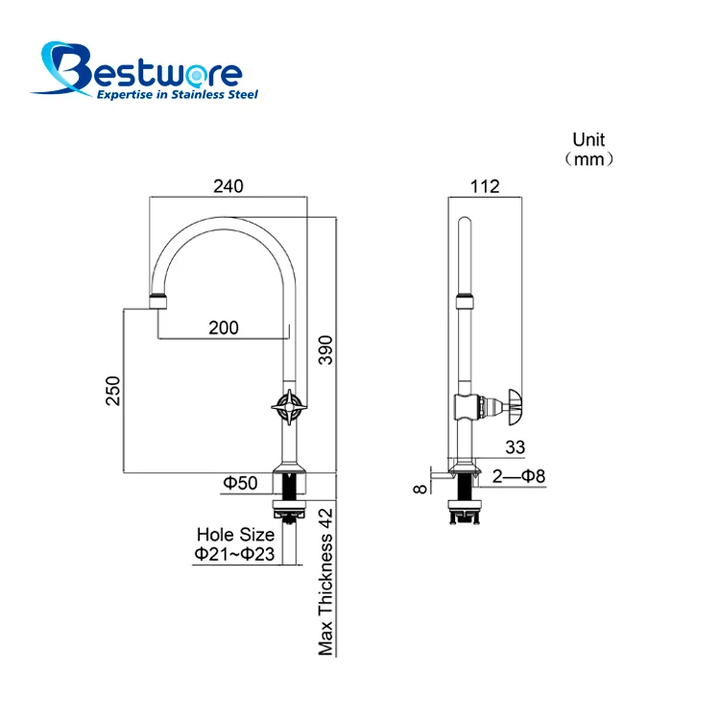
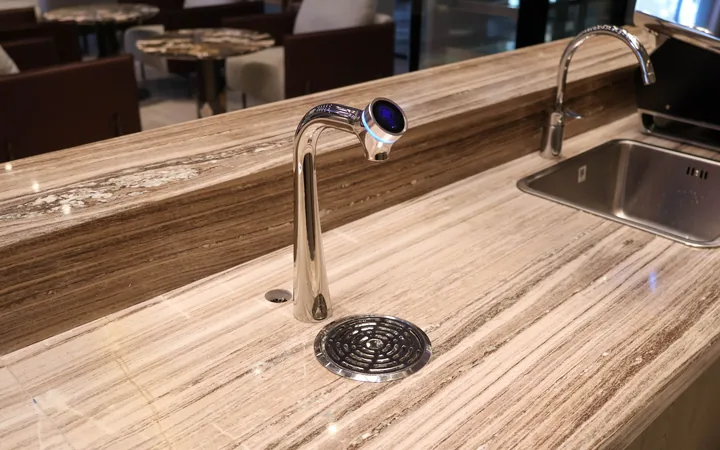
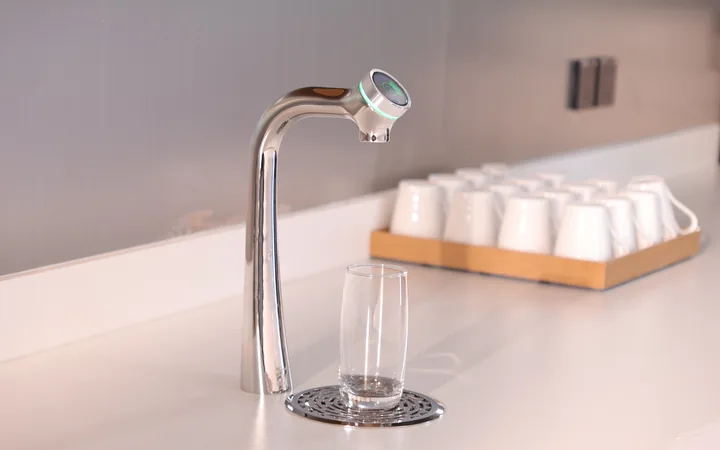
Suppose a café buys a Bestware dispenser for drinks served by the glass and contracts separately for a sealed sparkling drink. The first purchase needs a counter test. The second needs the packer's bottle and closure specification and a named food producer to sign the batch record.
Check what stays on the bottle and what goes on the multipack
Put the Product Category on the Order
For a U.S. listing, 21 CFR 165.110(a)(2)(v) ties the name sparkling bottled water to carbon dioxide from the source. After treatment and possible replacement, the amount from that source must match what it was at emergence. For a carbonated soft drink, give the responsible manufacturer the actual recipe, source and proposed label to verify which manufacturing and packing controls apply.
For a covered flavored beverage made in Mexico, NOM-218 treats new and returning containers differently before filling. In China, the food production license directory has separate entries for packaged drinking water (0601) and carbonated drinks (0602). GB 7101 applies to beverages and excludes packaged drinking water, including drinking natural mineral water. Confirm which market rules and licensed product will be used before locking the drawing or artwork.
Give the Team a Bottle to Check After Restart
Use the actual drink, container and closure in the agreed trial. After a planned stop and restart, have the team check fill quantity, carbonation at the agreed measurement point, closure condition and the legibility of the lot code. Run the package through the case packer, and check which date and lot the individual bottle and case carry before they leave the line.
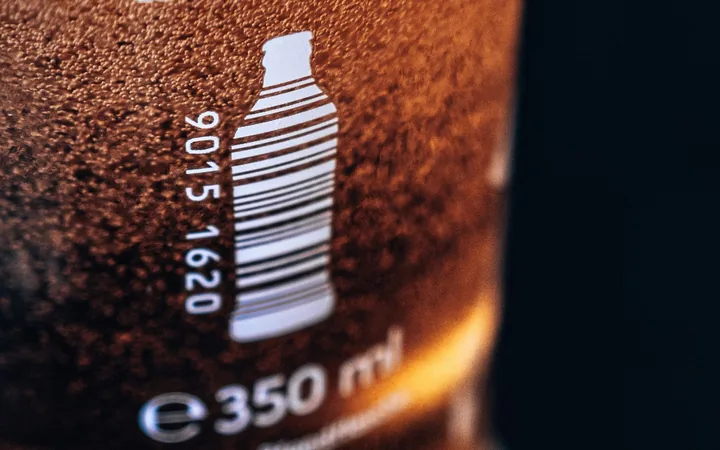
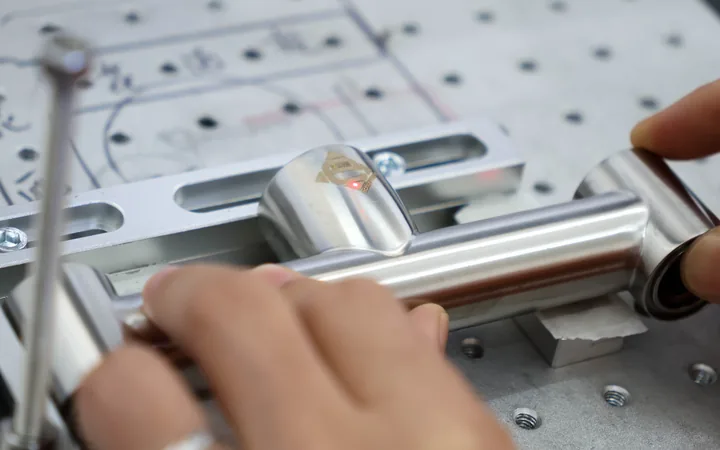
For U.S. bottled drinking water covered by Part 129, §129.80(e) requires each unit package to identify its batch or run segment and the day of production through a code. The plant keeps the corresponding production and distribution records. Paragraph (f) covers monitoring during filling and closing and visual or electronic checks of the filled container, code and label. Use the relevant market rules to agree what gets checked and what has to stay on hold.
Sign the Line Record and the Batch Record Separately
The equipment team signs for the agreed setup, sustained count, stoppages, recovery and access to change and service parts. The food producer signs the batch release using its product, sanitation, traceability and lab checks. Keep the proof behind each signature. Mark cases as on hold until the batch release record is signed.
If the recipe or the supplier of an ingredient changes, reopen the relevant product and packaging checks before the next trial. Set a repeat date for the trials affected by a bottle, closure or box change as well.
Write the trial and handoff conditions before the line arrives
Sources for This Edition
- U.S. GovInfo · 21 CFR 129.80, Processes and Controls · Official 2025 edition, printed p. 468, paragraphs (e)–(f). Current text cross-checked. Unit-package coding for covered bottled drinking water, production and distribution records, filling and closure monitoring, and visual or electronic container inspection.
- U.S. GovInfo · 21 CFR 165.110, Bottled Water · Official 2025 edition, printed p. 704, paragraph (a)(2)(v). Current text cross-checked. The name sparkling bottled water refers to the amount of carbon dioxide from the source after treatment and possible replacement.
- U.S. GovInfo · 21 CFR 117.80, Processes and Controls for Human Food · Official 2025 edition, printed pp. 404–406. General food manufacturing and packing process controls. Check the applicable requirements for carbonated soft drinks separately from Part 129 bottled drinking water.
- Mexico · NOM-218-SSA1-2011, Nonalcoholic Flavored Beverages · The first three subparagraphs of section 6.1.1 for the products covered there. Hygienic storage and prefill treatment of nonreturnables, separate sanitation of returnables, and requirements for new hygienic closures.
- China SAMR · Food Production Licensing Category Directory · Beverages entries 0601 for packaged drinking water and 0602 for carbonated beverages. Use the licensed product and category within the actual factory's scope.
- China · GB 7101—2022, National Food Safety Standard for Beverages · Official Minqing County reproduction. Standard scope excludes packaged drinking water, including drinking natural mineral water.
- Gitta Rohling · Krones Project Report on the Calizzano Glass Line · April 2022 commissioning description. Separate infeed and packing equipment for returnable and nonreturnable glass, with a shared glass filler. Supplier case for layout.
- Wang Ziyang · The Beijing News, Tianjin Sparkling Beverage Factory Visit · June 27, 2023, on-site reporting. The article describes packaging checks and a separate release decision after finished-product checks.
- Bestware Wiki · Bottle and Multipack Markings · Compare the retail unit, outer multipack and location of the identifying and required markings.
- Bestware Wiki · Managing Beverage Ingredient Changes · Use a separate product-change record when a recipe or ingredient supplier changes.
- Bestware Wiki · Planning Water Equipment Pilot Acceptance · Transfer the trial's configuration, counter positions, acceptance observations and sign-off to the project record.
- Illustrative Shift Reconciliation · Assumed rate on the same actual-format configuration for an example only. 8 hours minus 45, 45 and 30 minutes leaves 6 hours. At 4,800 gross bottle units/h, 28,800 gross minus 300 startup units rejected at final inspection leaves 28,500 packed units pending release.
Continue With These Decisions
- Which Sparkling Water Labels Matter When You Open a Multipack?
Check how the bottle code stays traceable after packing or splitting a retail multipack.
- How to Test a Commercial Water Dispenser Before You Accept It
Assign the tests, records and signatures before the line arrives.
- How to Approve a Beverage Ingredient Substitute
Record an ingredient substitution before repeating the trial run.