Look at the Bottle From the Guest’s Seat
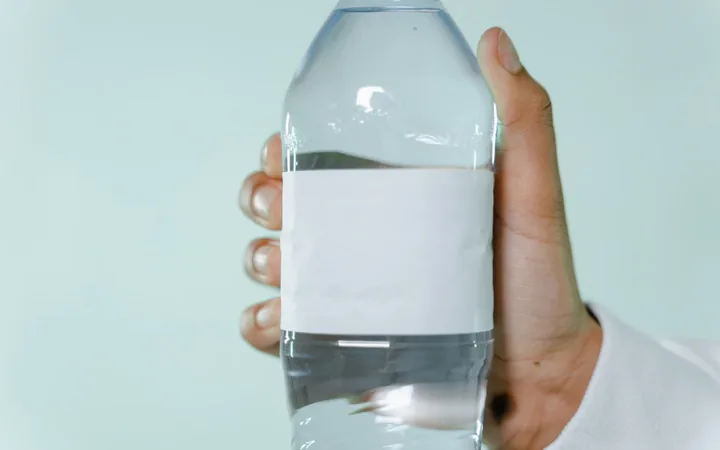
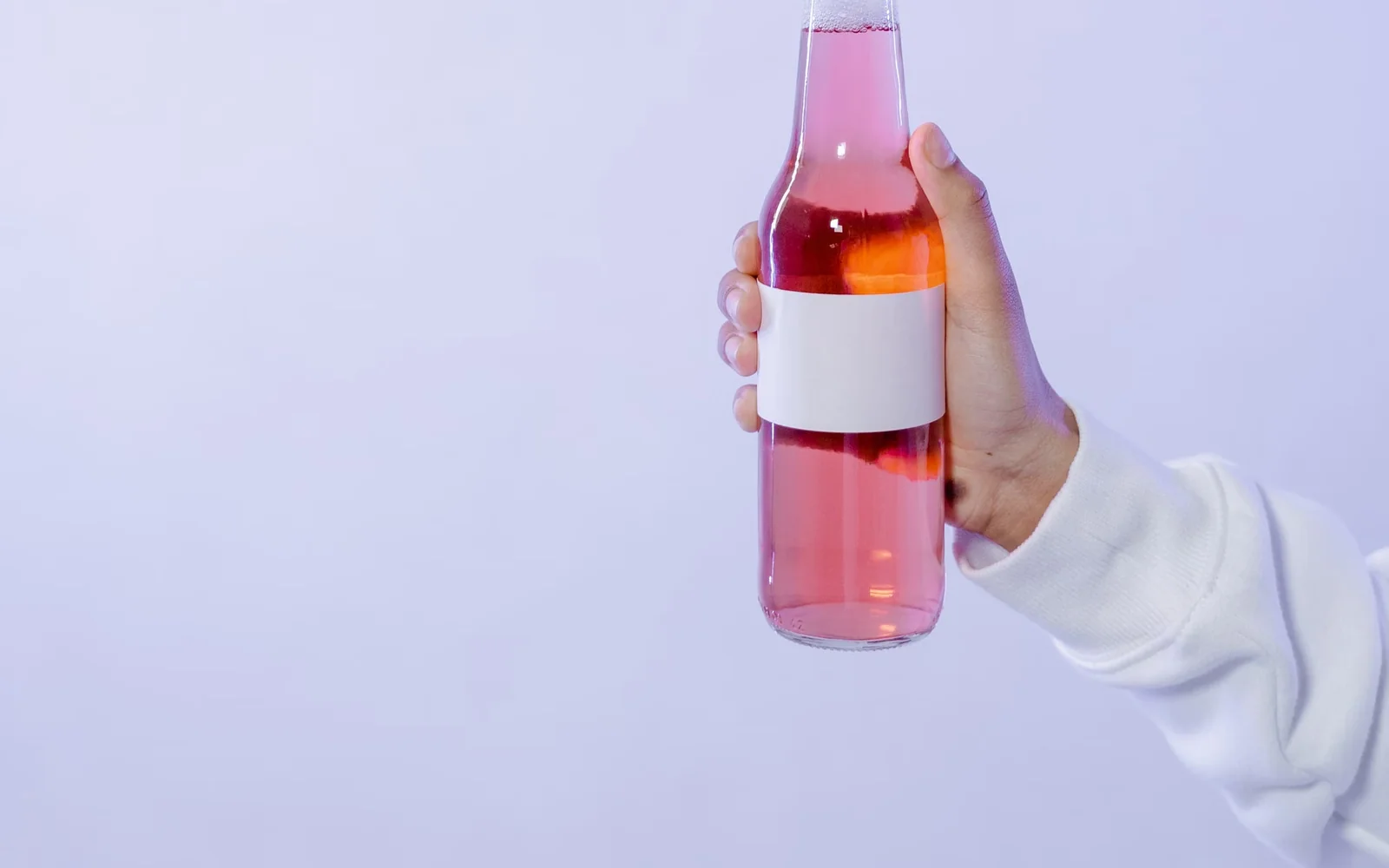
Put your current bottle on the table and pick it up by the place staff usually grip. If you want diners to see the logo when the bottle comes down, mark that face with a removable strip of tape. Decide where the design should start relative to a feature the printer and buyer can both find, such as the base or a confirmed mold seam. That gives you something more useful to send than a logo centered on a flat picture.
Ask for a drawing of the exact bottle and a decoration template for the chosen method. Put the bottle reference, artwork revision, intended position, print width and height and named colors on the approval. Confirm who supplies the glass, who decorates it and who checks the finished delivery.
Read the Print Box for the Method You Are Quoting
Promobrands gives two print areas on its approval template for the S991 750 mL glass bottle. It marks 35 mm wide by 40 mm high for pad printing and 200 mm wide by 120 mm high for screen printing. A hypothetical 60 mm wide by 35 mm high logo exceeds the pad-print width as drawn. Rotate its frame a quarter turn and the 60 mm side exceeds the pad-print height. The screen-print box has room on paper. The supplier calls the colors and placement on the proof approximate and flags the risk of small details closing up.
At Bouteilles d’Eauteur, the workshop describes buying bottles from a nearby glassmaker and making the screen only after the customer approves the layout. It is a useful handoff to put in writing. Approve wording, layout, color references and dimensions on the PDF. Then ask the actual decorator for a sample made with the bottle, ink or other decoration material, and process intended for production. Put any difference on the sample record before comparing it.
Take the Sample Through One Service Route
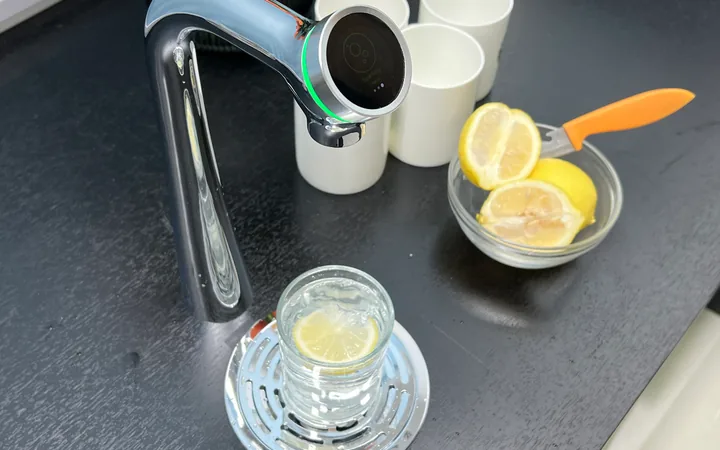
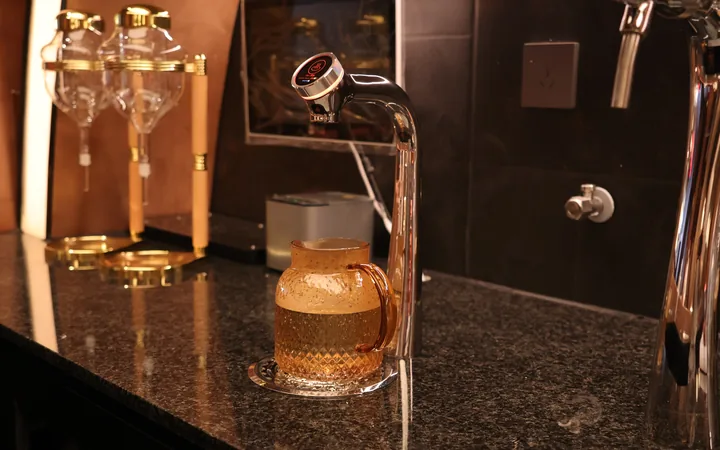
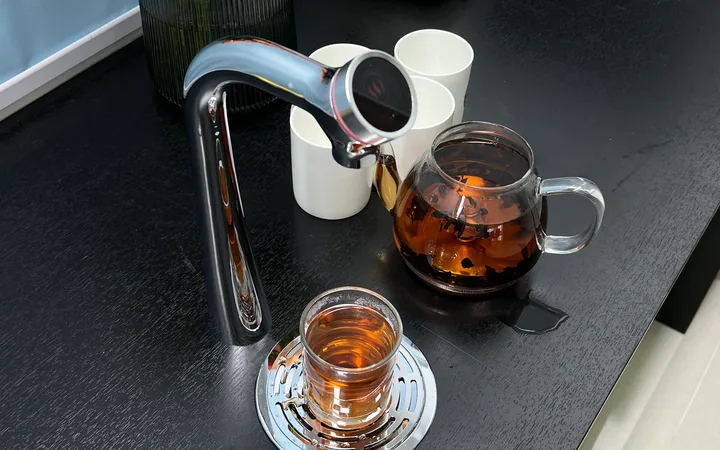
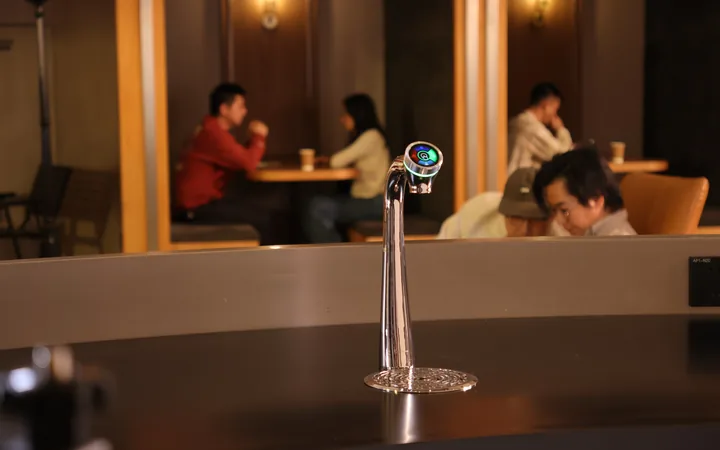
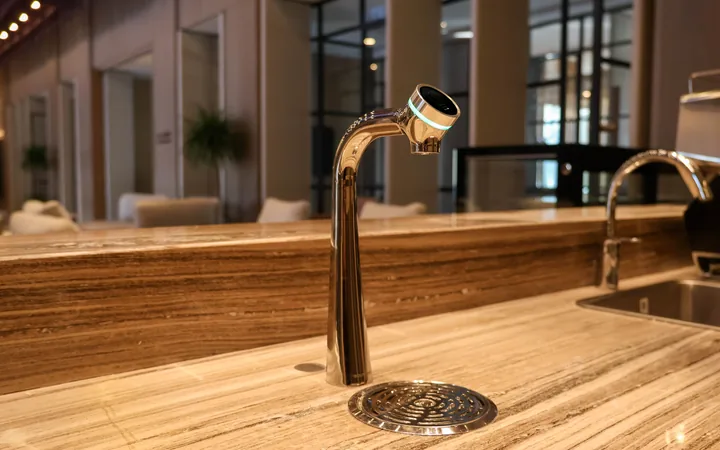
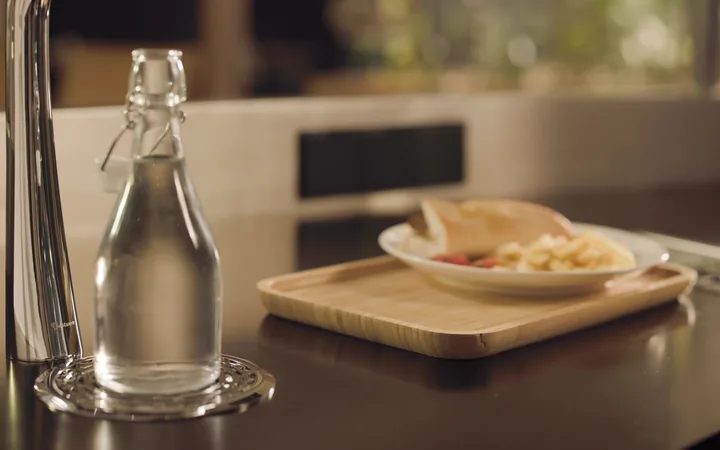
Say a restaurant serves chilled water from a Bestware G1DS-110. Set a production-intent sample bottle on the actual drip tray and check how it fits under the outlet. Take it to the table filled with chilled water. Look at the logo with the bottle dry and again when it has condensation, from the seat where a guest will see it. The dispenser manual identifies chilled water as a mode. The bottle, its decoration and its fit are separate purchasing checks.
For a returnable bottle, agree the operator’s wash and rinse program with the supplier before any trial. Record the program, detergent, rack position and agreed number of runs. Keep a matching unwashed sample. Compare both once dry under the same light. If letters soften, edges lift or marks appear, photograph the place and log the program. Agree what counts as an acceptable appearance before approving a run.
Keep One Marked Sample for the First Delivery
Keep the signed artwork revision and one identified bottle with the order. At first delivery, compare the agreed logo position, legibility and surface with that bottle. A change in glass color, decoration material, placement or process can call for a new proof. Give food-contact suitability and any intended pressurized use their own documents and sign-off.
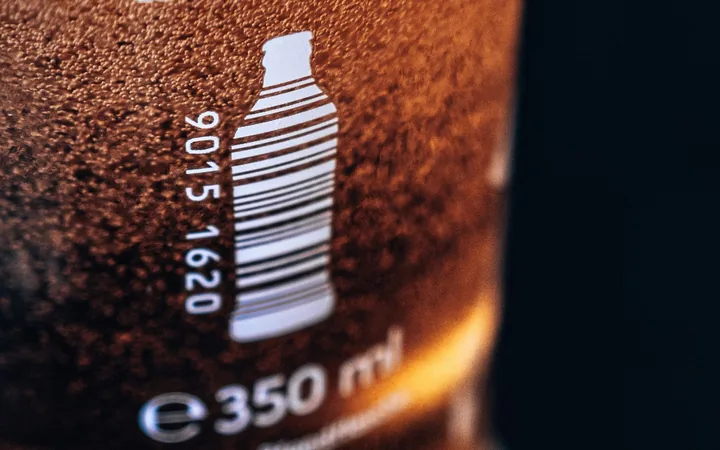
If the artwork also includes a retail linear barcode, have the printer check its placement and print quality on the finished bottle. GS1’s curved-pack guidance explains why a tight curve can hide an end of the code from a scanner. Check this with the barcode specification and the intended scan conditions.
Check required artwork separately across bottle, cap and outer pack
Sources for This Edition
- Promobrands — S991 Crystal 750 mL Borosilicate Glass Bottle, Artwork Approval Proof V1 · One-page supplier template, Print Method and Disclaimer notes. Pad print box 35 × 40 mm; screen print box 200 × 120 mm. Width × height, for this model and supplier; positional and colour proof is approximate.
- Bestware — Hypothetical Bottle Artwork and Service Check · Illustration only. A 60 × 35 mm logo is compared to the S991 template dimensions. A separate proposed tabletop workflow checks a bottle’s artwork and actual approved wash routine. No decoration, fit, endurance or bottle qualification result was measured.
- Behring Waters — Interview with Emmanuelle of Bouteilles d’Eauteur · 8 October 2019, sections on work roles and screen-printing stages. The workshop sourced bottles from a glassmaker, prepared the customer proof and made the screen after approval.
- Bestware — G1DS-110 / G1DS-1010 Installation Manual, 2026 V1.1 · Physical PDF p. 3, printed p. 01, Dispensing Chilled Water. The example checks the restaurant’s receiving bottle separately.
- GS1 General Specifications 26.0.0 — Barcode Orientation on Curved Surfaces · January 2026, PDF/printed pp. 460–461, section 6.2.3, subsection 2, and Figures 6-2/6-3. Placement and printing direction for linear barcodes on curved trade packs.
- Bestware Wiki — Managing Returnable Water Bottle Service · Carry bottle checks into the actual return, washing and handling route.
- Bestware Wiki — Approving Sparkling Water Bottle and Multipack Markings · Check which marks must be assigned across bottle, closure and outer pack for the actual project.
Continue With These Decisions
- How to Check Returnable Bottled Water Deliveries and Deposits
Put the sample through the bottle return and washing route
- Which Sparkling Water Labels Matter When You Open a Multipack?
Check required artwork separately across bottle, cap and outer pack