Start With the Case and the Can
Before signing a beverage batch out of the warehouse, match the finished drink to its approved packaging, review the checks that apply to that product and reconcile the stock covered by the decision. Start with an actual case and one of the units inside. Can you find the code at both levels and trace them to the same packing record?
That distinction mattered in a U.S. recall announced by High Noon on July 29, 2025, and posted by the FDA the following day. A shared packaging supplier shipped empty cans printed for a CELSIUS energy drink to High Noon by mistake. Some cans in two lots of High Noon 12-packs carried that energy-drink design and held vodka seltzer. The notice gave the code ranges on the outside of the 12-pack and a separate code range laser-marked on the bottom of the individual can.
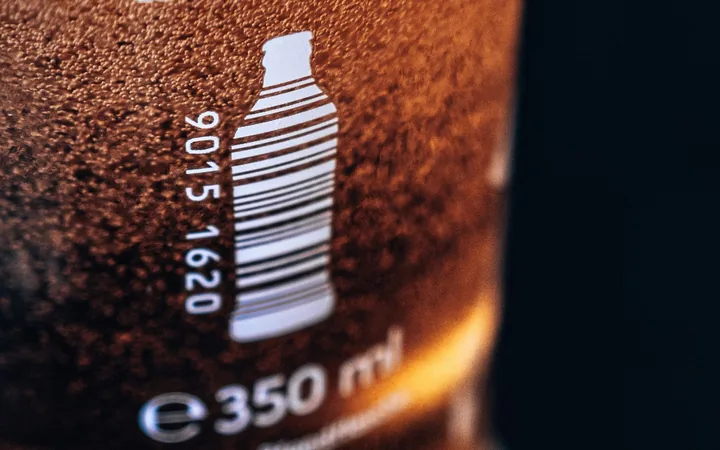
For a buyer reviewing an order sample, open a case and compare the unit to the approved artwork as well as to the case. Save the code positions with the sample approval. At the first production run, ask the packer to show how the incoming can lot and the finished case code connect.
Follow the Records From Ingredient to Dispatch
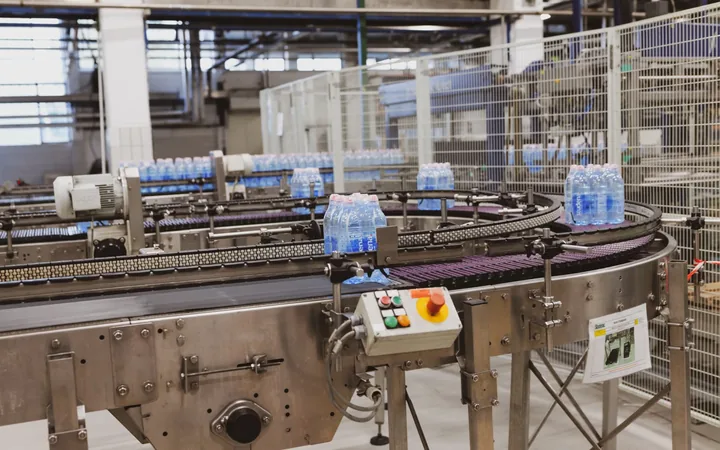
A supplier’s analysis certificate belongs with the ingredient it covers. At the packing line, link the can or bottle lot and the approved artwork version to the finished beverage lot. Keep the checks of the printed code and closure with that run. Where the same can format serves two products, record the packaging changeover and the first accepted units. The finished-product test results and the signed release decision go with the exact lot shipped.
Ask for the records for one ordinary shipment while approving the supplier. You should be able to start with the packing code, find the production shift, see what was checked, and establish where the cases went. If a late result is still pending, identify the part of the lot it covers and the person who can change the stock status.
Mexico’s NOM-251 illustrates where those records fit for covered factories. Section 6.6 separates production control and finished-product records. The latter identify the product, lot, lot size, analyses used for acceptance, and who performed the evaluation. Its rejection record separately asks for the quantity, cause, destination and person responsible.
Give the Tasting a Question It Can Answer
Choose the question before pouring. A difference test asks whether a change can be detected. Descriptive work identifies what shifted, such as bitterness or how long the fizz lasts. A preference test asks which sample a group of consumers would choose. A production check against an approved reference may have a narrower job, such as flagging variation that the quality team should investigate.
For a counter comparison, record the recipe version, water source, ingredient lots and serving volume, and keep the preparation, temperature and wait before serving comparable. Code the samples if you want the assessor to compare without seeing the new ingredient’s name. Use samples cleared for tasting. Keep food safety and shelf-life decisions with the applicable tests and approved specification.
A Hold Split Between Two Locations
Consider an illustrative shipment of 40 cases of 12 cans. A check turns up a can printed with the wrong design, before anyone removes a unit from inventory. Thirty cases are still in the distribution room and ten have been transferred to a branch. Block further movement of the 30 cases and get confirmation that the branch has counted and isolated its ten. That is 360 cans at the first location and 120 at the branch, or 480 units to account for while the scope is checked.
Use the finished batch code, can supplier’s lot and dispatch records to decide which stock belongs in the investigation. If the branch can account for only nine of the ten cases, log the missing case as unresolved and keep looking. Mark confirmed nonconforming units separately once the evidence is in.
Close the Hold With a Signed Decision
The final entry should identify each affected lot, its quantity and location, the result or evidence reviewed, the decision, and who signed it and when. Record the destination for rejected stock. If the decision covers only part of a lot, write down which codes and quantities changed status and keep the rest under the current hold.
Run through that record before the first planned delivery. Give the buyer a case code and see whether the supplier can show the unit code, the supporting checks and the destination. That short drill gives the buyer a practical way to check the handoff before any disputed stock needs to be found.
Sources for This Edition
- U.S. FDA · High Noon Recall Announcement · Summary and Company Announcement, July 29–30, 2025. The product table identifies outer-pack and individual-can codes separately. The supplier explanation follows the table.
- Hong Kong Centre for Food Safety · High Noon Recall Notice · July 31, 2025, PDF pp. 1–2, recalled product table. Code ranges and where each is printed.
- Diario Oficial de la Federación · NOM-251-SSA1-2009 · Section 6.6, Table 2. The receiving, production-control, finished-product, distribution and rejection rows identify separate records for covered plants.
- 中华人民共和国食品安全法(2025 修正) · Articles 50–52. Article 50 covers incoming checks, Article 51 covers factory inspection records, and Article 52 requires passing inspections before factory exit or sale.
- Harry T. Lawless and Hildegarde Heymann · Sensory Evaluation of Food, Introduction · Chapter 1, pp. 1–18, publisher abstract. Distinguishes discrimination, descriptive and hedonic methods.
- Harry T. Lawless and Hildegarde Heymann · Principles of Good Practice · Chapter 3, pp. 57–77, publisher abstract. Test environment, sample serving and panel setup. The drink worksheet in this article illustrates these principles.
- Bestware Wiki · Bottle and Multipack Markings · Inspect the unit and outer packaging together and locate each marking.
- Bestware Wiki · Beverage Ingredient Changes · Record a change to an ingredient, supplier or recipe before using the new version.
- Bestware Wiki · Specifying a Sparkling-Water Bottling Line · Define what filling, closing and coding checks belong to equipment acceptance.
- Illustrative Inventory Hold · 40 Cases · 40 cases × 12 units = 480 units to trace. 30 cases at the original site and 10 transferred remain locations to reconcile. This is a hypothetical inventory decision.
Continue With These Decisions
- Which Sparkling Water Labels Matter When You Open a Multipack?
Find the bottle and case markings you need to trace one packed lot.
- How to Specify a Sparkling-Water Bottling Line for a Full Shift
Trace filling, closing and coding back to the records made during the production run.
- How to Approve a Beverage Ingredient Substitute
Document the new ingredient batch and the approved recipe before production resumes.