A Tap Has to Be Useful on the Shift That Needs It
Make cool drinking water available near the job, and check that each shift can get to it while it works. That is a useful starting point for a French office, workshop or depot. Article R4225-2 of the French Labour Code covers the water itself. Article R4225-4 puts the distribution point near the workstations in a hygienic place and gives the employer responsibility for keeping the equipment working, storing drinks properly and preventing contamination.
Where special working conditions make frequent refreshment necessary, R4225-3 calls for at least one free non-alcoholic drink. The employer identifies the affected jobs after taking advice from the occupational physician and the social and economic committee, the CSE. Write down which shifts and places the plan covers before preparing the equipment brief.
Walk From the Loading Bay After Reception Closes
Take a depot with a late shift as a planning example. A dispenser in a signed and well-lit lobby may be obvious during business hours. At 10 p.m., test the route from the loading bay with the permissions the late crew actually has. Follow the normal pedestrian path. A locked lobby door, a vehicle crossing or a tap too shallow for a work bottle changes the plan. Note where a second point can sit close to the crew and how the next shift will find it.
A change in hours can make the same check urgent. In June 2026, the Associated Press reported that most workers on one Paris ring-road building project moved to hours of about 6 a.m. to 1 p.m. in the heat. Its report describes the shift change. For your site, check that drinking water is available at the earlier start and covered through the new finish, including whoever cleans or replenishes the point.
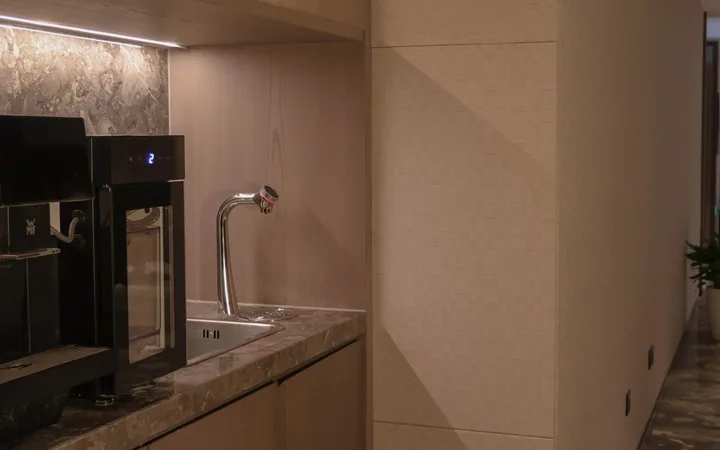
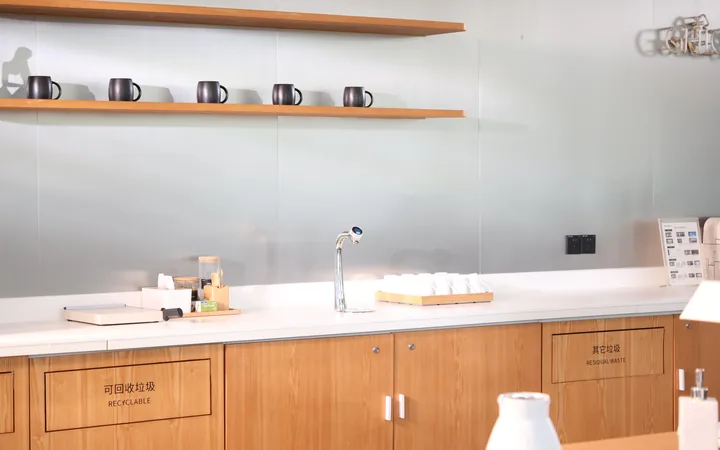
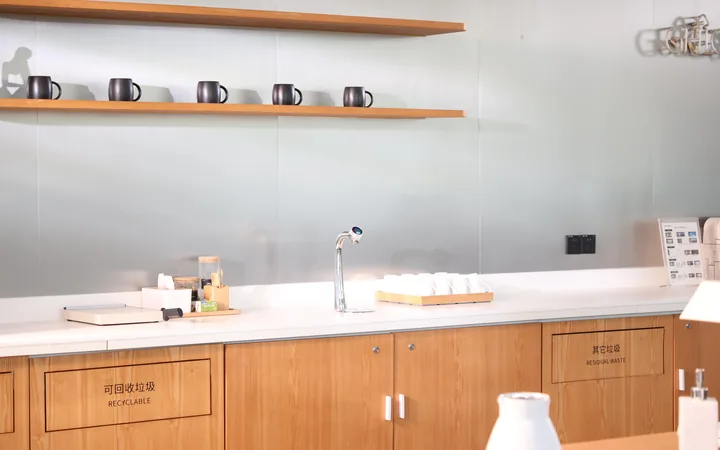
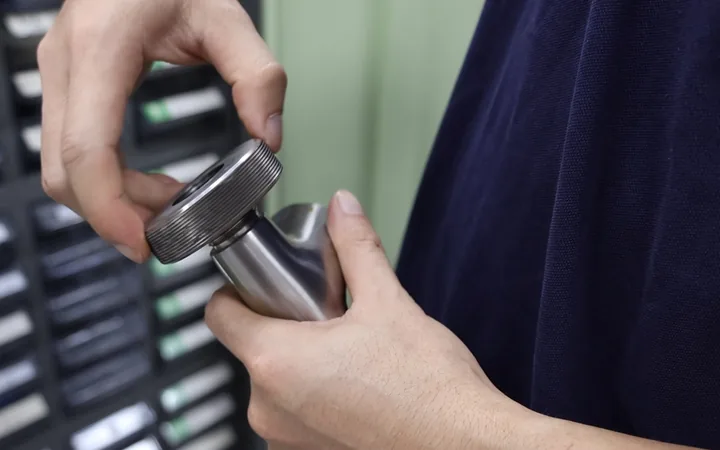
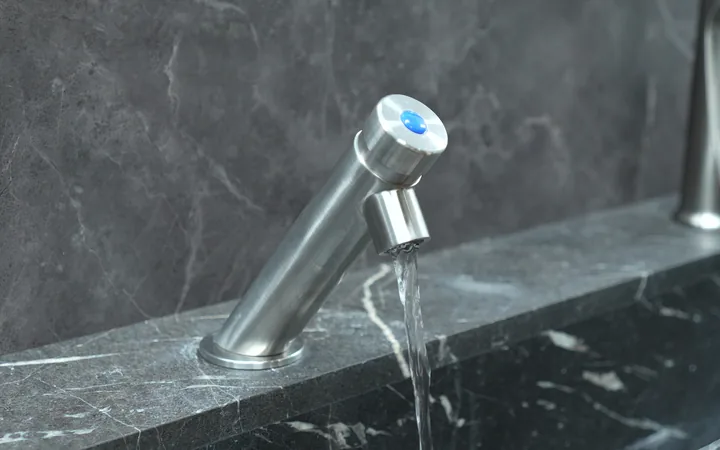
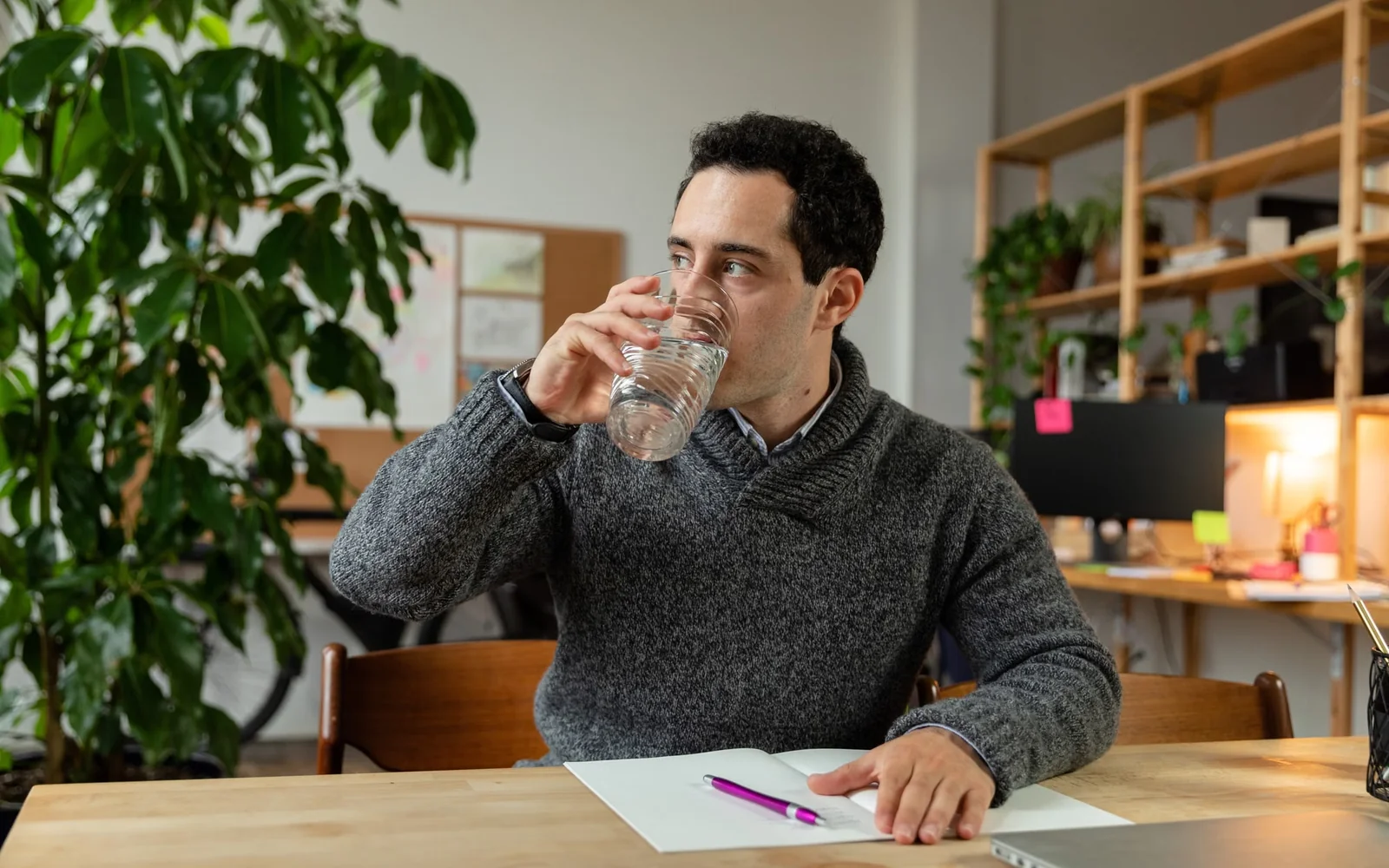
Check the approach, controls and bottle clearance at the drinking point
Plan for the Break When Everyone Refills
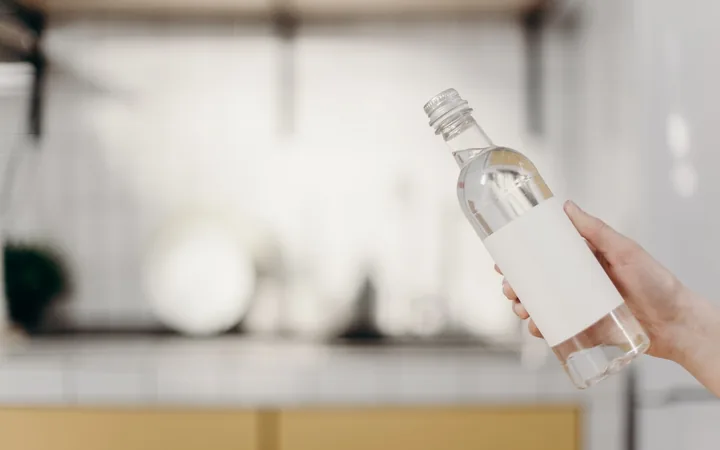
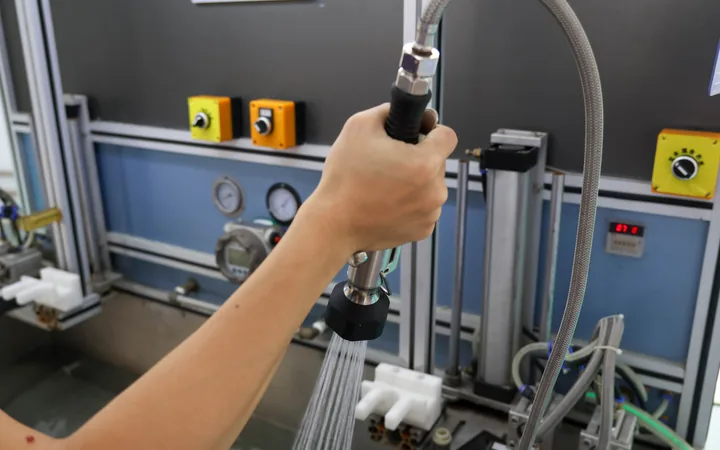
If 24 people plan to refill half-liter bottles during the same break, that is 12 liters over that break. Use that amount and the actual length of the break when you can observe an existing station or test a proposed one. Measure delivered volume, see whether people have to wait, and repeat the check at the next typical refill. This is a demand example for the depot.
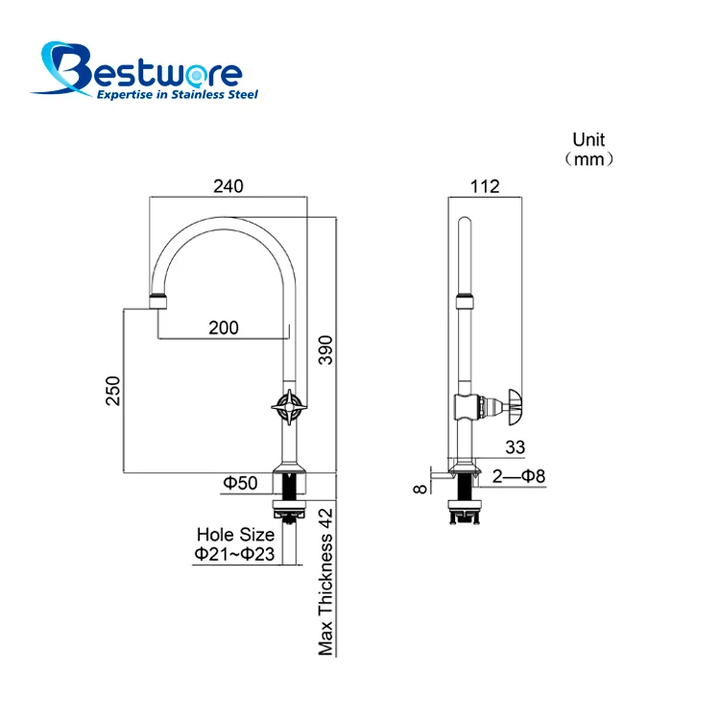
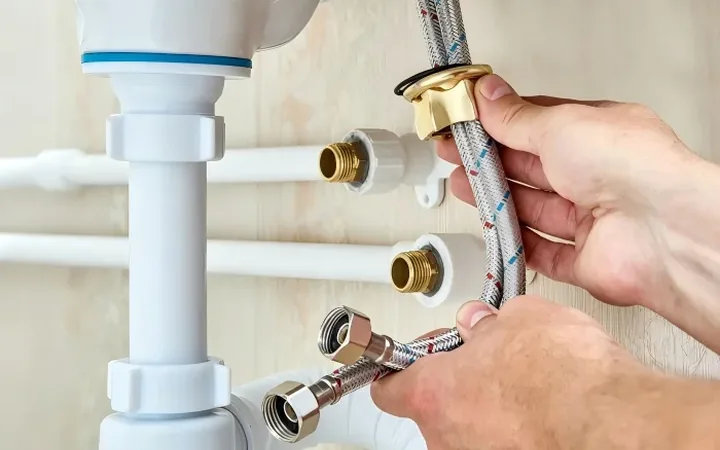
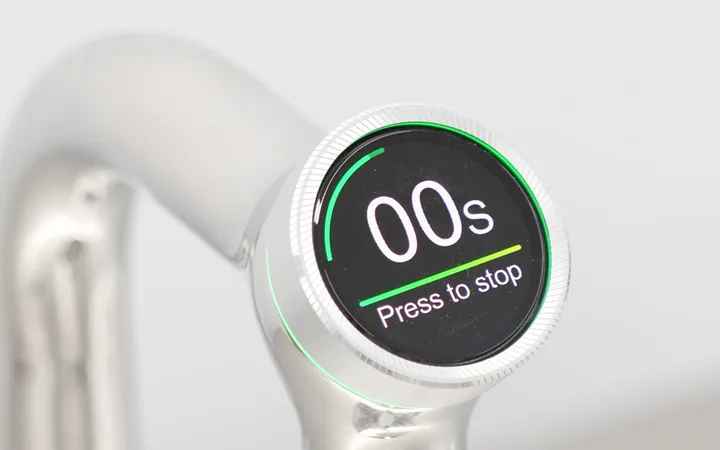
At a fixed installation, a Bestware equipment brief can list the water source, clear space under the spout, the busy refill interval and who will keep another point open while the first one is serviced. Ask for the actual operating data for the configuration being offered, then verify delivery at the station with the intended bottles. The site owner can sign off access and availability from that record.
Keep the Drinking Water Cool Through the Hot Shift
During an intense heat episode, Article R4463-4 requires the employer to provide sufficient cool drinking water and a way to keep it cool near workstations throughout the workday, especially for outdoor jobs. France's heat-prevention arrangements applied from 1 July 2025. The labour directorate's 2026 instruction explains that yellow, orange or red Météo-France heat vigilance define an intense heat episode for these provisions. Its guidance covers indoor as well as outdoor risk and calls for more water as needed.
When the employer moves a break area or changes hours, write down where people will refill from the start of the new shift. Give someone on that shift the means to check the supply and cool storage, and tell the crew who to contact if it falls short. A shaded work area and a complete water plan address different parts of the heat risk.
Set the Reserve for a Site Without Running Water
For building and civil-works sites covered by R4534-143, the employer must make cool drinking water available. Where running water cannot be set up on the site, the article sets a minimum supply of three liters per worker per day. For 12 workers present in that situation, the daily minimum is 36 liters. The heat plan can call for more. Put the actual supply and refill timetable where the crew can see them.
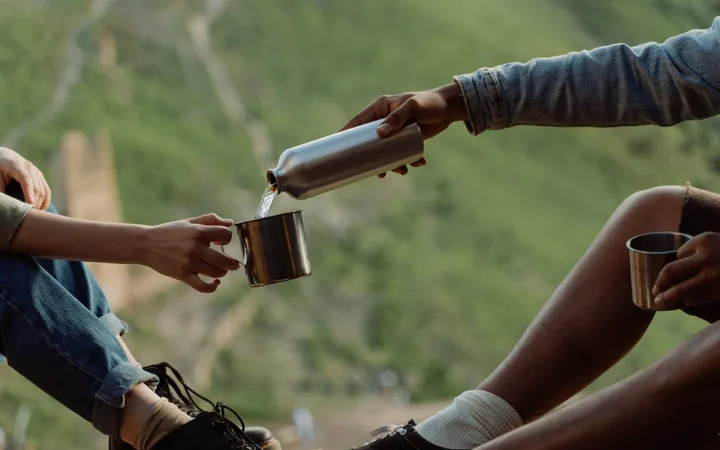
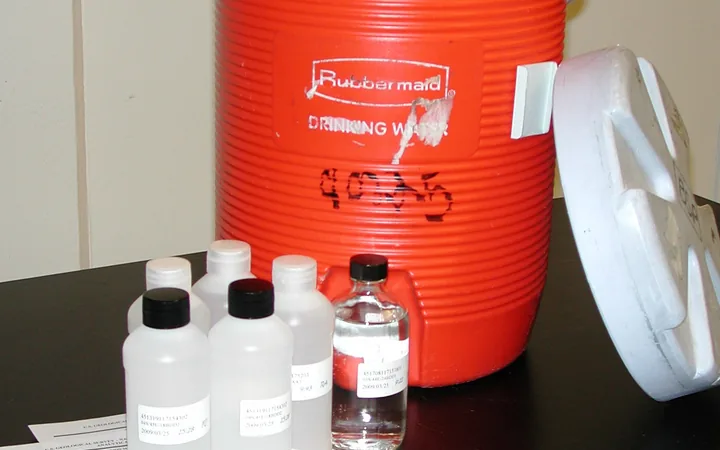
With a portable supply, record how much is usable, where the closed drinking-water containers will be kept cool, who cleans them, and when a replacement arrives. For a fixed outlet, agree on the alternative before a planned shutdown. Before handing either arrangement over, have each affected shift confirm that it can actually use the point named in the plan.
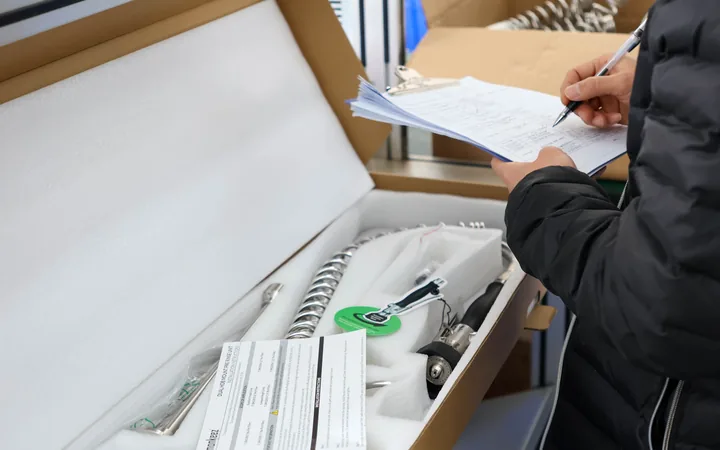
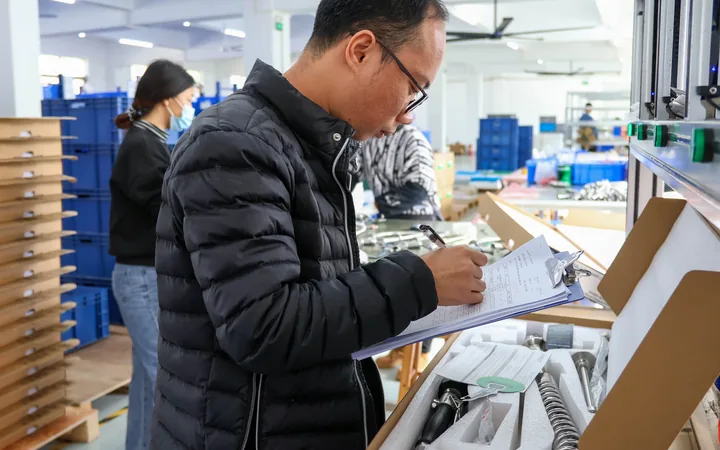
Record the water source, downtime provision and responsible shift lead at handover
Sources for This Edition
- Ministère du Travail — Code du travail, R4225-2 · Official text updated 2 June 2025. Employer provision of cool drinking water to quench thirst and cool down.
- Ministère du Travail — Code du travail, R4225-4 · Official text from 1 May 2008. Drinking points near workstations and in hygienic places. Equipment maintenance, proper storage and contamination prevention.
- Ministère du Travail — Code du travail, R4225-3 · Official text from 1 January 2018. At least one free non-alcoholic drink under particular working conditions; input from occupational physician and CSE.
- Ministère du Travail — Code du travail, R4463-4 · Official text updated 2 June 2025. During intense heat, sufficient cool drinking water and a means to keep it cool through the workday near workstations, particularly outdoors.
- Ministère du Travail — Code du travail, R4534-143 · Official text updated 2 June 2025, first paragraph. On covered building and civil-works sites, the three-liter-per-worker daily minimum applies when running water cannot be set up.
- Direction générale du travail — Instruction DGT/BPSIT/CT3/2026/68 · 22 May 2026, section 2. Yellow, orange and red Météo-France alerts, baseline and intense-heat requirements, and the conditional construction-site minimum. Heat planning may require additional water.
- Associated Press — Western Europe bakes under a ‘heat dome’ · 24 June 2026, Businesses adjust for cooler hours. Paris ring-road project moved most workers to about 6 a.m.–1 p.m.; company deputy site manager described breaks.
- Bestware Wiki — Accessible Drinking Water Points · Check the approach, controls and handling of real bottles at the installed point.
- Bestware Wiki — Water Dispenser Installation and Handover · Record commissioning, maintenance and responsibility for water availability.
Continue With These Decisions
- How to Specify an Accessible Drinking Water Point
Check the approach, controls and bottle clearance at the drinking point
- Water Dispenser Installation and Handover: What to Sign Off
Record the water source, downtime provision and responsible shift lead at handover