Pull the Scorecard Up Beside the Quote
Start with three names on the order. Who sells the equipment, who makes it, and which factory will assemble the units? Then open the rating. EcoVadis assesses a sustainability management system as it stands at the time of the review. Its assessments can cover a group, a legal entity or a specific site. A group assessment takes its subsidiaries into account. The group score stays attached to the assessed group.
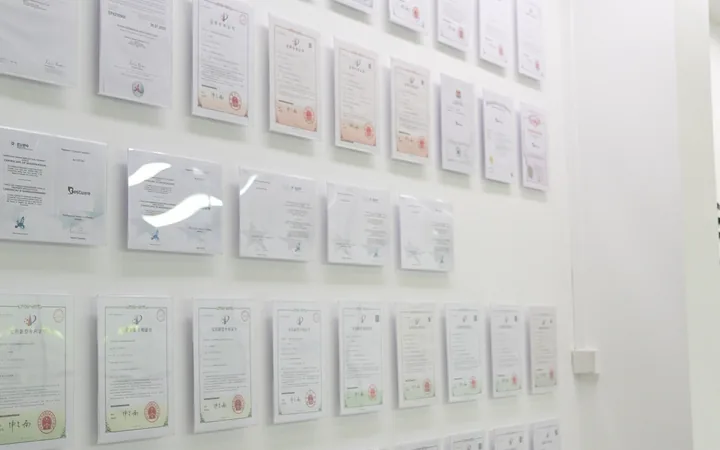
Read the legal name, assessment scope and publication date on the scorecard the trading partner shares. EcoVadis gives its ratings and the associated medals or badges 12 months from publication. An older announcement can still be accurate as history. To check a medal or badge being claimed today, ask for the official Recognition Page and look at the status attached to the latest published scorecard. Ask for authorized scorecard sharing if the tender calls for the rating itself.
Run the Check Again When the Factory Changes
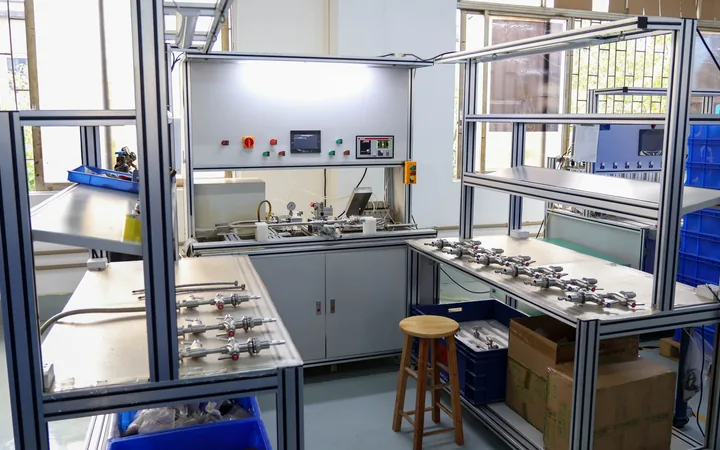
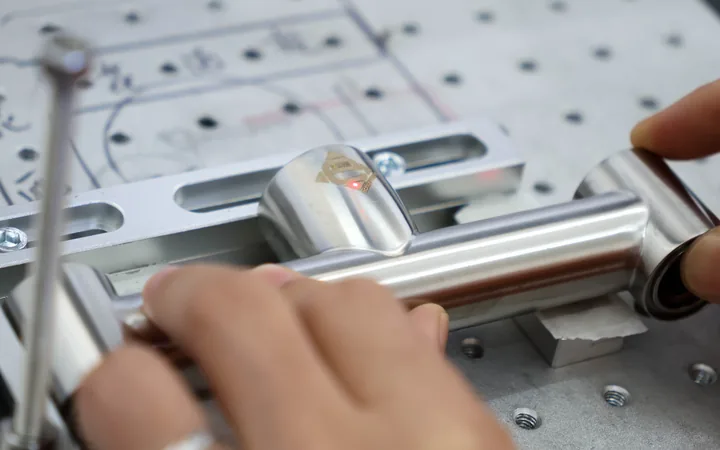
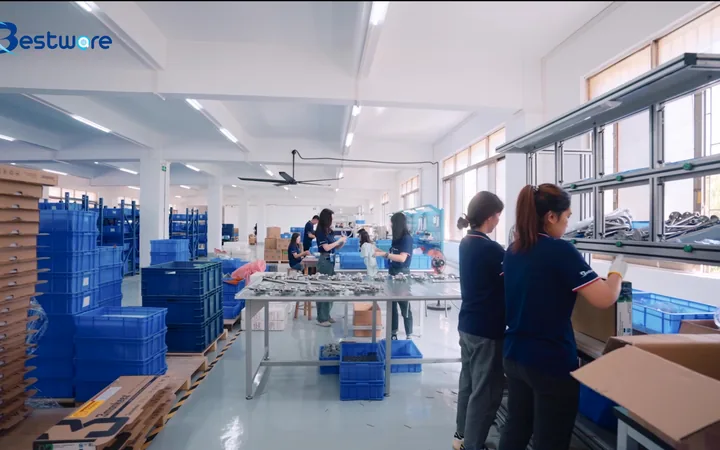
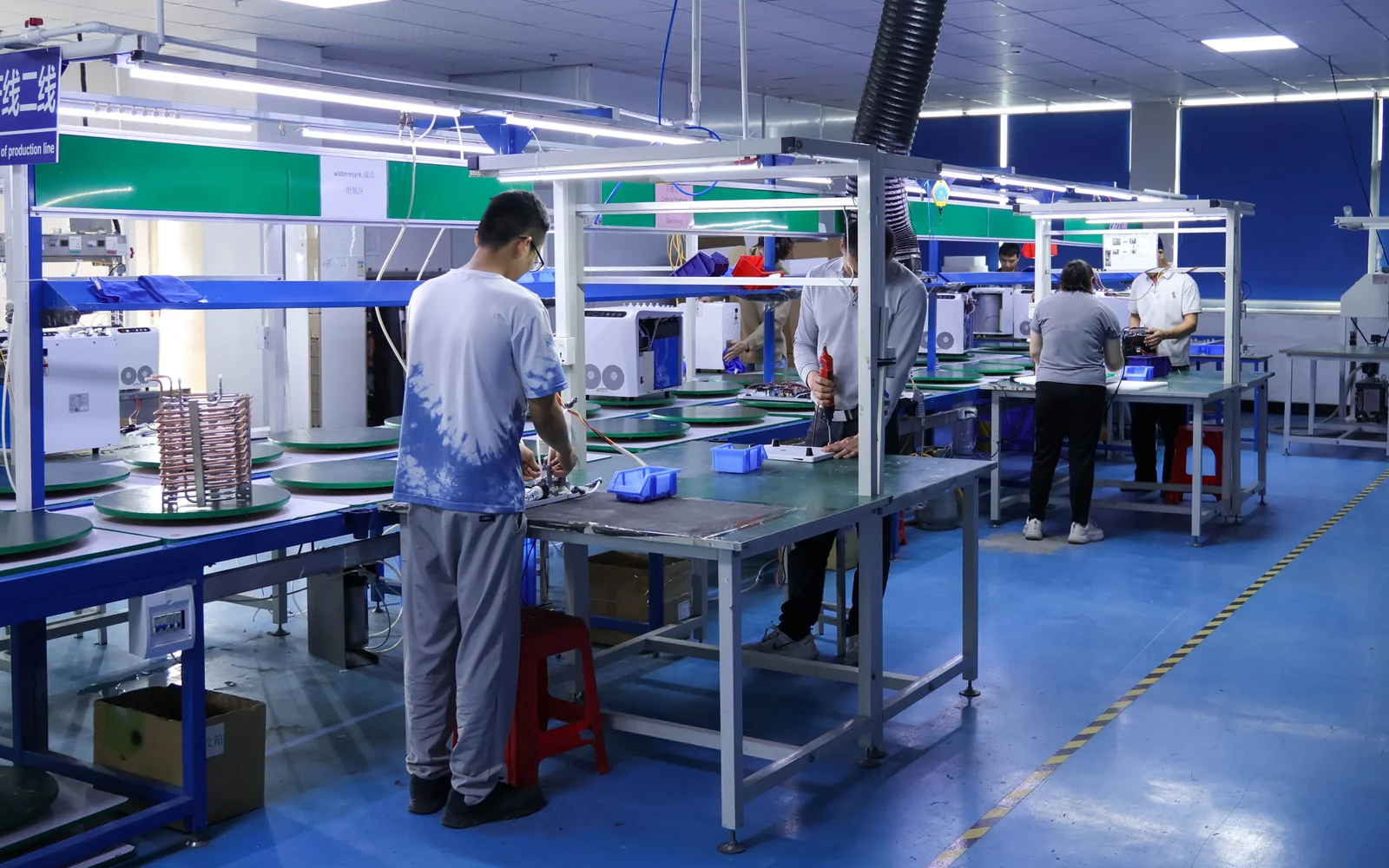
Suppose a restaurant chain orders undercounter dispensers. The distributor and model on the revised quote stay the same, but final assembly moves from Plant A to Plant B. The bidder sends a current parent-group recognition. Record it against the group and check whether the tender accepts a group assessment for supplier screening. If the tender calls for evidence about the assembly site, put Plant B's legal operator, address and supporting records on the list before approval. If the bid also says that Plant B uses renewable electricity, ask for documentation naming the site and the period covered by the claim.
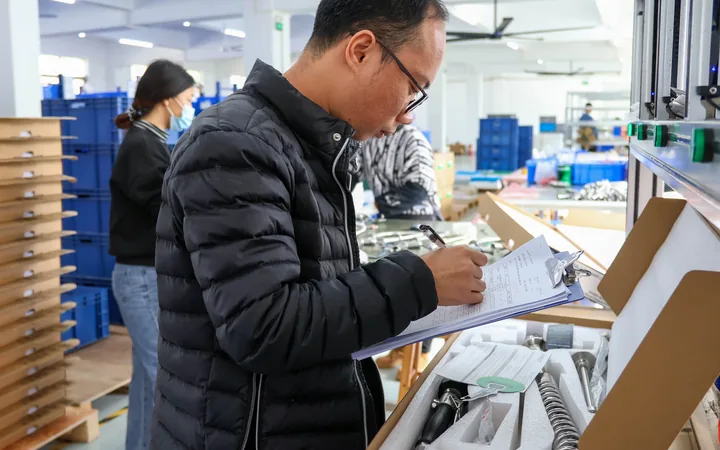
Manufacturers can check different pieces of that picture in the same process. CHINT reports that its 2025 assessment of major component suppliers used documents, interviews and site investigations, with separate social-responsibility and green/low-carbon evaluations. Take the practical lesson for your order. Write down what needs a site record, who will review it and when it is needed.
Check the factory, period and records behind a renewable electricity claim
Put the Equipment Result on a Separate Line
An energy limit in the contract calls for an energy result in the quoted configuration. Take the Bestware G1DS-123 sheet as an example. Its 40 L/h is the manufacturer’s rated cooling capacity. For electricity consumption, ask for a result in the required unit and operating conditions. The U.S. ENERGY STAR Water Coolers program illustrates the difference. Its criteria use an on-mode test with no water draw. The program separately asks for energy use during and immediately after hot or cold draws as applicable. Eligibility excludes pressurized units that are not freestanding, such as certain under-sink units.
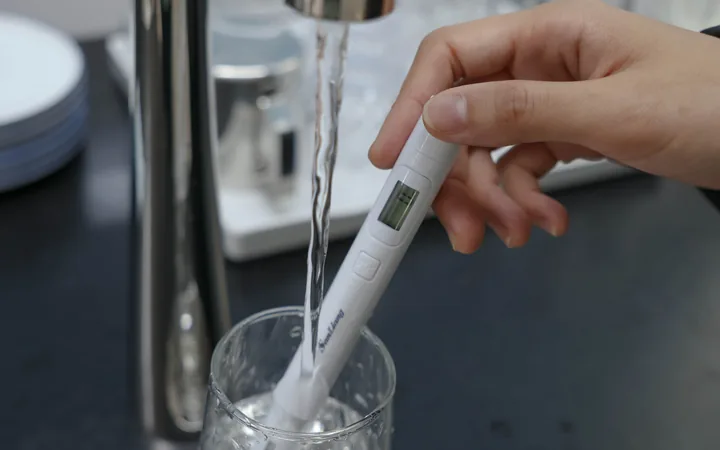
If the bid mentions a drinking-water certification, open the issuer’s listing and compare its model and version with the order. Confirm the exact configuration and claimed coverage. A management-system medal or badge supports the supplier assessment in its stated scope. The model listing or test result supports the equipment decision.
Read the issuer’s model listing against the equipment in your quote
Write Down Who Can Release the Order
Give each open item its own line on the approval record. Put the buyer’s requirement beside the issuer, the entity or model, the applicable site and dates, and where the reviewer confirmed it. For the factory change, purchasing can sign the supplier assessment that meets the tender. The named site reviewer checks the new assembly location and engineering checks the product reports and configuration. Record the deadline for any missing item and the person who can release the order once it is closed. Add a requirement to report another plant or configuration change before shipment.
Sources for This Edition
- EcoVadis · Sustainability Rating Methodology Disclosure · Sections 1.1 and 1.3, management-system assessment and the role of medals or badges. Section 2.1(c), p. 10, validity runs 12 months from rating publication.
- EcoVadis · Understanding Your Scope of Assessment · Definitions of Group, Entity and Site. A group assessment considers subsidiaries, but the group score may not be applied to an individual subsidiary.
- EcoVadis · How Can I Use My EcoVadis Medal or Badge? · Group vs. Subsidiary Recognition, Validity and Previous Recognitions, and the FAQ on Recognition Page status. The page reflects the badge or medal status from the most recent published scorecard.
- EcoVadis · How Can I Share My EcoVadis Scorecard? · Accepting or initiating sharing with a trading partner. The platform lists what a partner can see once a sharing request is accepted.
- CHINT Sustainability Report 2025 · Sustainable Supply Chain Compliance Survey and Assessment · PDF p. 90, printed p. 88, company-reported process for major component suppliers: document review, interviews and site investigations, with separate social responsibility and green/low-carbon assessments.
- U.S. EPA ENERGY STAR · Water Coolers · Current specification effective March 23, 2022. Eligibility excludes pressurized non-freestanding units. On Mode with No Water Draw criteria and additional hot/cold draw energy reporting as appropriate.
- Bestware · G1DS-123 Model Specification · Specification row “Chilling Capacity.” Manufacturer’s rated 40 L/h describes a cooling volume per hour.
- Bestware Wiki · Checking a Water Equipment Certificate · Match the quote’s model and configuration against the issuer’s current listing.
- Bestware Wiki · Checking a Supplier’s Renewable Electricity Claim · Match the electricity claim to its plant, dates, and records.
Continue With These Decisions
- How to Verify a Supplier’s Renewable Electricity Claim
Check the factory, period and records behind a renewable electricity claim
- How to Check a Water Equipment Certificate Before You Buy
Read the issuer’s model listing against the equipment in your quote