Two Gallons-per-Day Figures Can Both Be Right
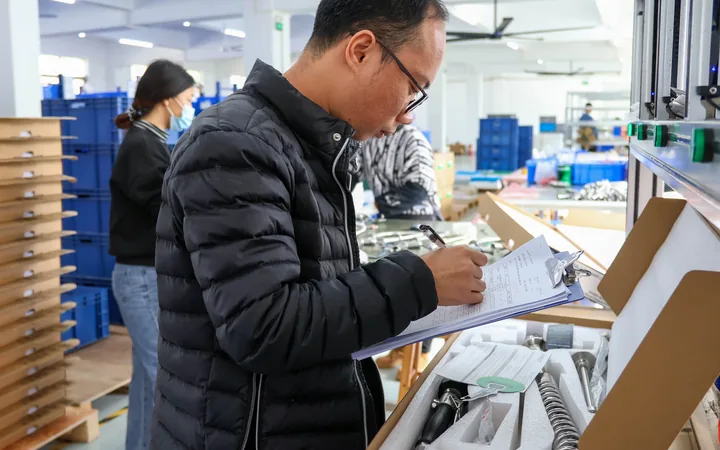
A quote can have one daily water figure on the cartridge page and a different one on the system page. Ask what was installed on the test bench and where the treated water went. For the A.O. Smith AORO-50, NSF lists 11 U.S. gallons per day for the complete system with replacement element S1448RS. The manufacturer’s data sheet puts 41 to 53 U.S. gallons per day on a separate line for the membrane alone.
The system produced into a pressurized tank under a test supply of 50 psig and 750 ± 40 mg/L total dissolved solids (TDS), at 77 ± 2 °F. The element rating was at 65 psig, 250 ppm TDS and 77 °F, with the permeate discharged at atmospheric pressure. Put both figures on your comparison sheet with their test conditions. Ask for the complete assembly’s performance record, including any specified prefilter, membrane, tank and postfilter.
Choose the Membrane for the Job in the Water Report
Microfiltration and ultrafiltration are usually screening choices for fine suspended material. Ultrafiltration may be used when the program also calls for a barrier against a defined microbial target. Ask what the exact unit was tested against and how the test treats the housing and seals. If one supplier lists nominal pore size and the other lists an absolute rating, request their test definitions before trying to compare them.
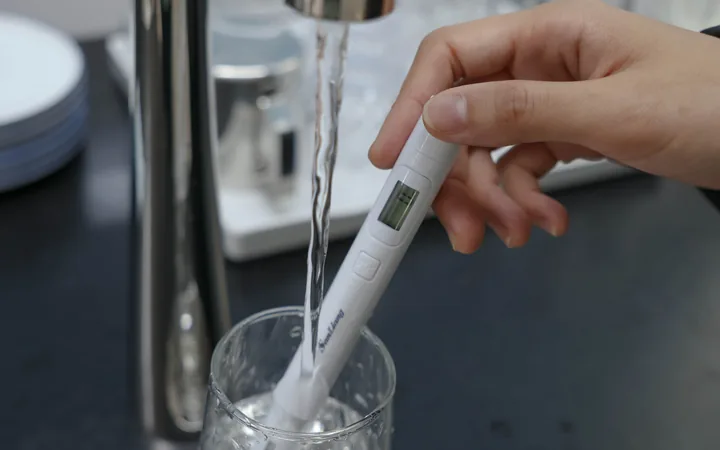
Nanofiltration can remove some dissolved substances selectively. The UK Drinking Water Inspectorate describes membranes that retain much of the calcium and magnesium while letting some sodium or potassium pass. RO is another option when the brief calls for reduction of specific dissolved substances. Put the substance and its acceptance criterion on the request. A conductivity or TDS reading tracks a different property from a lab result for one substance.
Make the Supplier Mark the Measurement Points
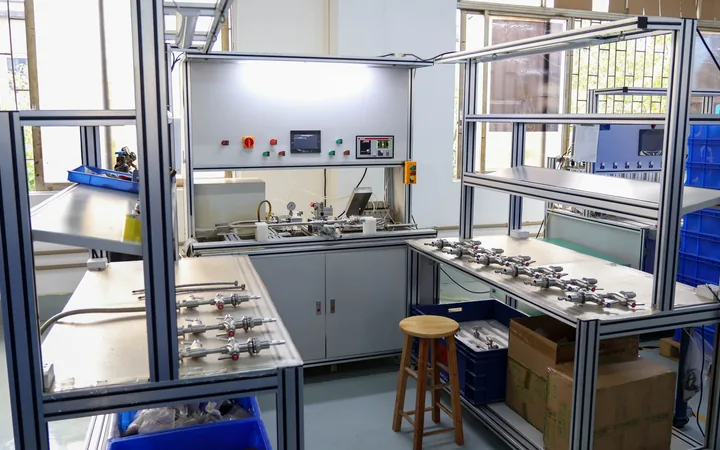
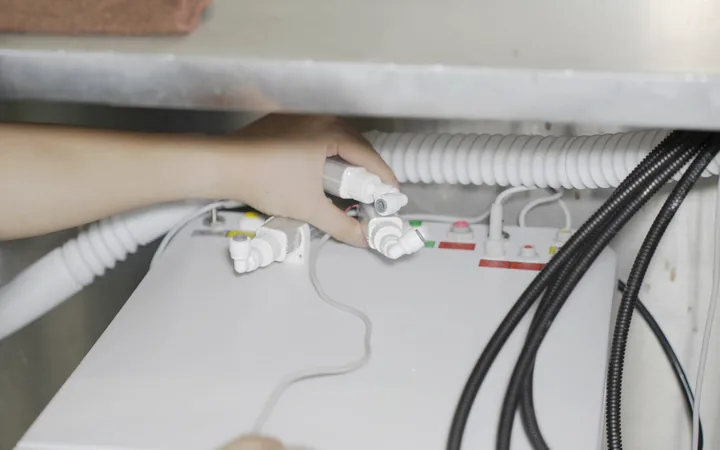
On the installation drawing, label the incoming-water pressure while the machine is running, the manufacturer’s approved point for measuring treated production, and the outlet where staff fill a glass. Include whichever valves, gauges, tank and treatment stages the actual equipment has. Ask the installer to record pressure at the designated points on each side of a membrane if the equipment provides them. Give pressure across a prefilter its own field.
Bestware uses separate figures on the G1DS-1023 specification. The standalone RO module has a named water-flow field of 2.6 L/min. The dispensing specification separately lists a maximum sparkling flow of 3 L/min. The published figures do not share a stated measuring point. Agree which physical point the installer will time for the handover and what operation each reading proves.
Retest Before Calling It a Membrane Problem
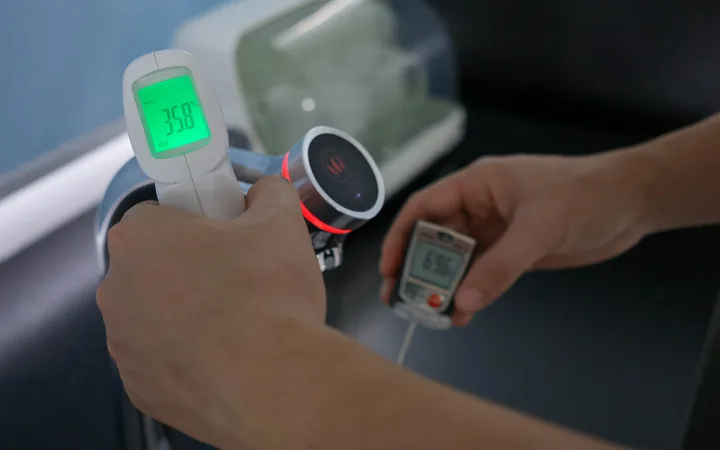
Suppose an installer measures the same approved permeate point before storage for ten minutes in each of two runs. The first run yields 24 L, or 2.4 L/min. At lunch it collects 20 L, or 2.0 L/min. That is about 17% lower, relative to the first run. The inlet water is colder and the pressure while flowing has changed. Record the comparison as provisional and schedule another run at comparable conditions.
For public low-pressure MF and UF plants, the U.S. EPA describes separating temperature and transmembrane pressure effects before assessing a change in permeability. A café can use the same discipline of keeping a baseline and recording conditions, without importing the plant’s maintenance limits. Match the equipment configuration, pressure under flow and inlet temperature on the next check. Make the hydraulic result and any required water-quality result separate entries in the signing record.
Sources for This Edition
- NSF/ANSI 58 · AORO-50 issuer listing · Exact AORO-50 assembly, replacement module S1448RS, 11 U.S. gal/day. Use the separate listed claims for reduction evidence.
- A. O. Smith · AORO-50 Performance Data Sheet · Physical PDF page 2. System Rating and Membrane Rating show the two rates, test pressures, temperatures, dissolved-solids conditions and discharge paths.
- Drinking Water Inspectorate · Physical removal of contaminants · Membranes section and Figure 1 distinguish MF, UF, NF and RO in a guide to private supplies.
- CDC · About Home Water Treatment Systems · Filtration subsections and the Overview advise checking the exact treatment system and the substances it addresses.
- U.S. EPA · Operational Criteria for Low-Pressure Membrane Filtration · 2025, EPA 815-B-25-007, sections 1, 4.3.4 and 5.1–5.3. Public MF and UF system water quality monitoring and condition-normalized permeability.
- Bestware · G1DS-1023 original specification · Specifications place RO Filtration Unit Water Flow in the standalone RO section and Sparkling Capacity in the chilling section.
- Bestware · Illustrative same-point sampling record · Two ten-minute collections, 24 L and 20 L. Conditions are deliberately different in the worked example.
- Bestware Wiki · Planning multistage filtration · Separate the service requirements at the individual branches in a café.
- Bestware Wiki · When reverse osmosis is appropriate · Check when a dissolved target calls for reverse osmosis and what the installed equipment can demonstrate.
- Bestware Wiki · Water equipment pilot acceptance · Use the acceptance record for conditions, measured service and equipment retesting.
Continue With These Decisions
- When Does a Commercial Water Station Need Reverse Osmosis?
Check when reverse osmosis is warranted for the target
- How to Size Multistage Water Filtration for a Café
Map the filtration branches for coffee and ice
- How to Test a Commercial Water Dispenser Before You Accept It
Set up a pilot record for the acceptance checks