Get the Notice Before Opening the Tap
Freeze the affected work first. Write the store address, issuing agency, notice type, start time and allowed uses on one sheet at the bar. Check the official map or address list, including when another store in the same chain has different instructions. Ask the local food regulator what the notice means for the kitchen before using the water again.[1][2][6]
The three notices call for different decisions. One may allow boiling for some uses. Another may prohibit drinking or cooking even when the water is boiled. A do-not-use notice takes the affected tap water out of all tasks, since contact can also be unsafe. If the notice is unclear, hold the task and have the person in charge contact the authority.[1][5]
| Notice | What to Pause | What to Confirm |
|---|---|---|
| Boil Water | Stop using affected tap water for drinks, ice and food preparation. Follow the food regulator’s permitted water sources and treatment for those uses. | Ask the food regulator which approved alternatives it accepts, including whether boiling is an option for your establishment. |
| Do Not Drink | Use an approved alternative for drinks, ice, cooking and rinsing food. Boiling water with harmful chemicals or toxins will not make it safe. | Check the specific notice for staff handwashing, dishwashing and other non-drinking tasks. |
| Do Not Use | Stop all use of the affected tap water, including in sinks and equipment still connected to the line. | Confirm an approved alternative and whether any temporary service is authorized. |
The CDC categories are a starting point. The actual notice and food regulator decide what the establishment can do.[1][5]
Do not carry household instructions into the kitchen. Connecticut, for example, tells covered food establishments to take other precautions instead of using boiled water. For a different type of warning, read the Toledo case, where authorities acted on a toxin found in treated drinking water.[1][5]
Follow the Same Supply Under the Counter
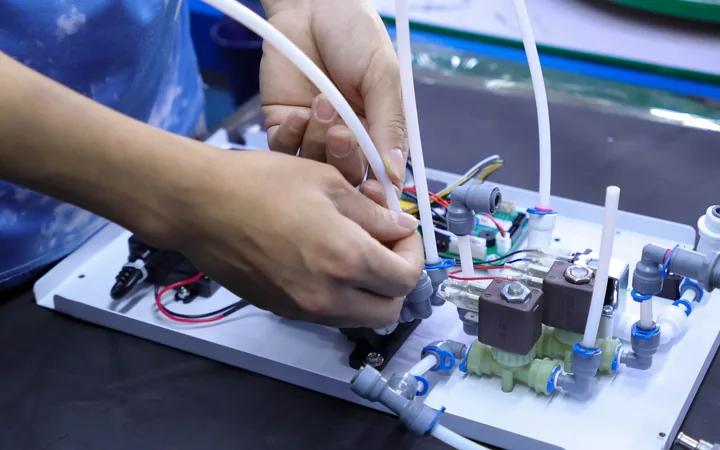
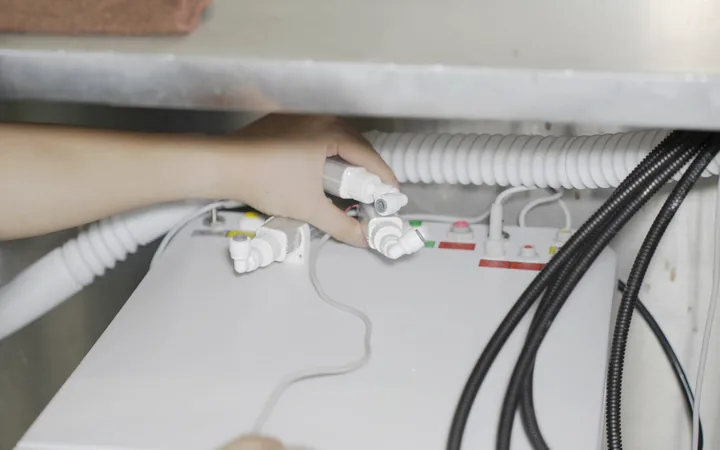
An espresso machine can be filling automatically while the front counter switches to bottled drinks. Trace every appliance and sink fed by the affected line, including an ice bin supplied by a back-room machine. Mark the affected equipment so the next shift cannot turn it on by habit.[3][4][7]
- Beverages and ice
- Take the post-mix dispenser, plumbed coffee maker and ice machine out of service as directed. Hold affected drinks and ice and follow disposal instructions. The CDC’s commercial guidance for Crypto during a boil notice specifically says to discard ice made before the notice and use commercially manufactured ice.[4][7]
Look up the filter’s documented functions. A sediment or taste cartridge and a hot outlet do not take a line off the notice. A specific treatment is usable only within the current food regulator’s instructions.[1][5]
Decide What the Temporary Menu Can Support
Austin’s after-action report records the October 22–28, 2018 boil-water notice following flooding. Many restaurants stayed closed at first. Some opened with less than their usual service. The city and counties operated seven potable-water distribution sites for the community. A public water pickup point and permission for a specific kitchen to operate are separate matters.[8]
If the food regulator authorizes a limited menu, plan how to keep an approved supply coming. Assign someone to receive approved water and ice, protect them in storage and track what remains for both the menu and hygiene. A café that can sell sealed drinks may still have to stop if it loses the approved way to wash hands or utensils.[3][7]
The 2026 FDA Food Code is a model for jurisdictions, including on interruption of water service. In a qualifying extended interruption, its model provision allows the regulatory authority to agree to continued operation if a written plan was approved, corrective action is immediate and the regulatory authority is informed when the plan is implemented. Follow the adopted rule for your address and any closure order.[2][3]
Clear the Supply, Then Clear the Equipment
Start return-to-service checks only after the official lifting notice covers your address. When the city says the street supply can be used, the building may still have old water in a reservoir, filter housing or the line to an ice machine. Austin’s current food enterprise instructions expressly include those appliance lines and call for following equipment manufacturers’ directions.[4][9]
- Water supply
- Record the lifting notice and complete the utility’s instructions at the actual taps and equipment feeds affected. Check tanks and known dead legs with the facilities team if applicable.[4][9]
After the response, use the updated list of fixtures and feeds to discuss the water connections for your project and show the next shift which shutoff serves each machine.
References
- CDC — Drinking Water Advisories: An Overview
- FDA — Food Code 2026, §§ 8-404.11–12
- North Carolina DHHS — Emergency Operation Checklist for Food Service Establishments
- Iowa DIAL — Food Resources, Water Advisory Guidance
- Connecticut DPH — Boil Water Notices and Advisories
- North Carolina DHHS — Understanding Emergency Water Issues, June 2025
- CDC — Preventing Crypto in Commercial Settings During a Boil Water Advisory
- City of Austin and Travis County — Colorado River Flooding After-Action Report, pp. 3–4
- Austin Water and Austin Public Health — Austin Water Boil Water Notice, Food Enterprises
Continue With These Decisions
- Toledo’s 2014 Do-Not-Drink Advisory and What It Meant for Beverage Service
the Toledo case
- How to Plan for a Restaurant Water Outage
plan how to keep an approved supply coming