Decide Who Can Use Each Drinking Point
Draw the ordinary drinking-water route first. Mark where visitors and staff get a drink, where residents can use a point independently and where the care team brings drinks. Ask the team which tasks require help, which instructions are in a resident’s care record and who takes over when that staff member goes off duty.
For outlets approved for self-service, check that people can approach, reach the controls and set their cup down. Then follow the assisted route, including how a clean vessel gets to a room when the person does not come to the lounge. In England, Regulation 14 applies when a regulated service provides accommodation or involves an overnight stay on its premises, or when meeting nutrition or hydration needs is part of the arranged care or treatment. The CQC guidance explains individual assessment and help with drinking. Use the current care plan for each resident’s drinking arrangements.
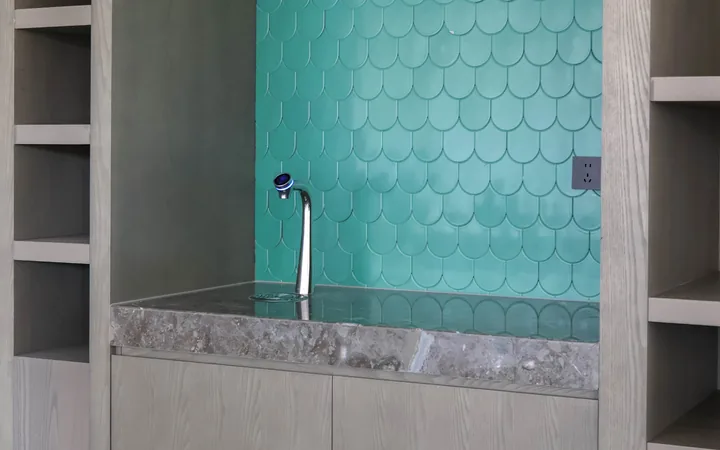
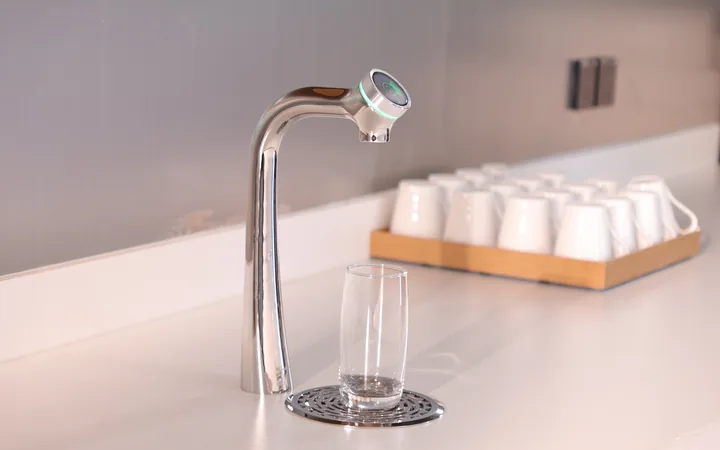
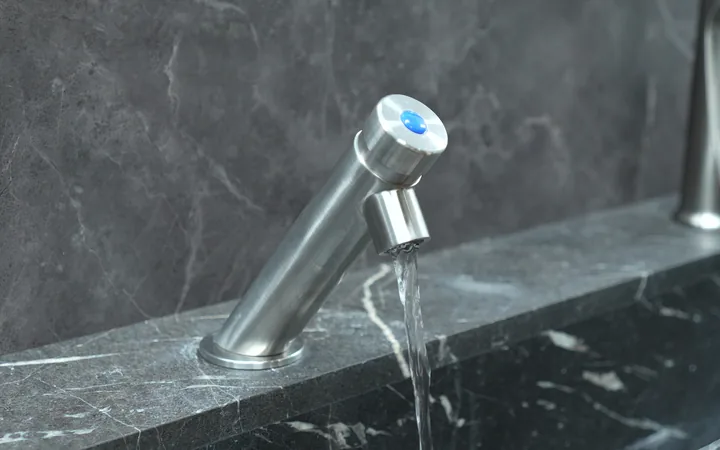
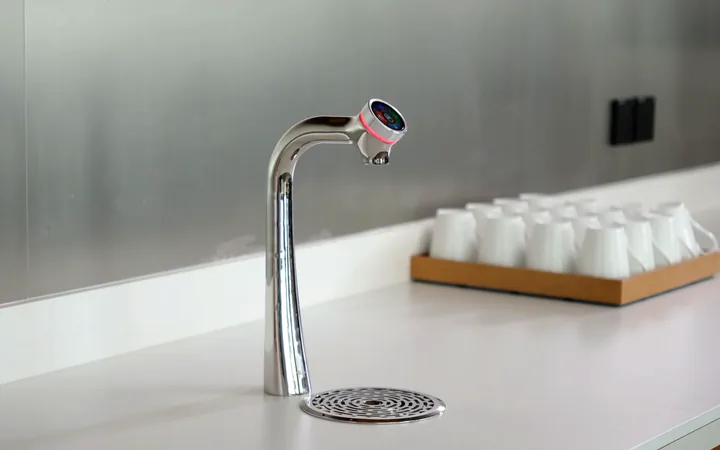
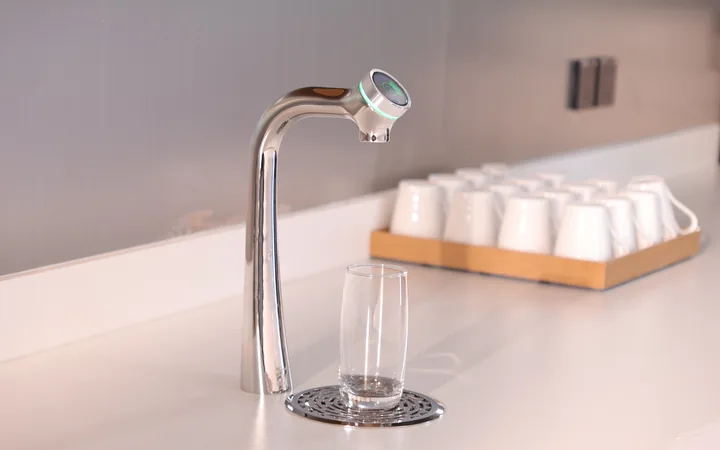
Check the approach and controls at the approved self-service point
What Made the Afternoon Round Work in Practice
In a quality-improvement study in two West London care homes, Jennie Wilson and colleagues worked with staff on a midafternoon drinks round and a menu of choices. In one home, the team arranged for cups and the trolley to come back after lunch and for staff to return from breaks on time. The second home added a trolley and a staff allocation sheet. In follow-up observations, delivery in the first home slipped again.
Those were changes to the work around the cart. For a trial in your facility, run the round with the people who ordinarily do it. Check whether cups are ready, who covers rooms while the trolley is away and what the next shift is told about requests still open. That gives you a record of what held up service.
Put the Dispenser on the Facility’s Water Plan
Give facilities and infection prevention the proposed outlet and its intended users. Ask them to record where it connects, the use assigned to it, who cleans it and who owns upkeep. Keep water used for ingestion, handwashing and clinical procedures identified by the facility’s protocols, including when those uses take place close to one another.
NHS England’s HTM 04-01 Part B describes a Water Safety Group and an operational plan that covers uses and reviews changes in healthcare premises. England’s communal adult social care guidance separately asks for safe drinking-water sources, labelled taps and clean vessels and equipment. Use the authority and arrangements that apply to your building.
Review Hot-Water Access With the Care Team
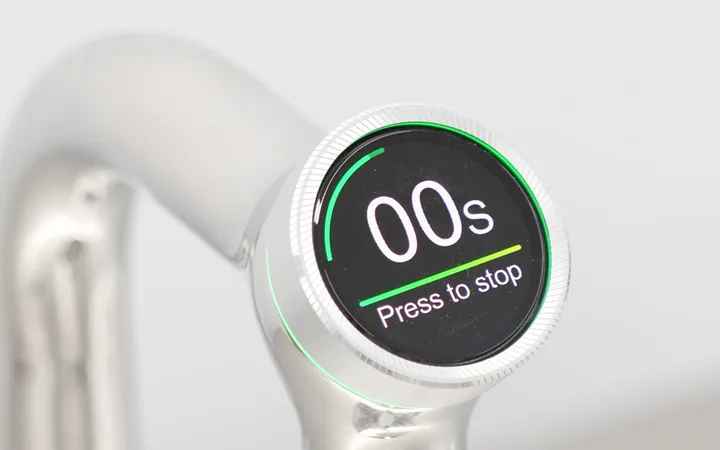
A staff pantry brief may name a machine by model. In the Bestware G1DS-110 manual, for example, one set of controls includes ambient, chilled, sparkling and hot water. If that model appears in a staff-area tender, write down who will use the proposed point and which functions the facility is assessing.
If a hot outlet could be reached by residents or visitors, ask the facility to assess it in that location and confirm which drink service staff may offer. Set handling and assistance with the care lead. A hot setting on the equipment sheet tells the buyer what to review. The applicable care record governs what staff serve to a person.
Name the Person Who Can Reopen the Point
In a handover rehearsal, take one drinking point out of service on paper. Let the shift team find the agreed alternative, check that staff can still perform assisted rounds and leave a note for the next team. Include the point ID, when it stopped, which source and containers are available, and who has been told.
Keep the reopening decision with the facility’s designated water-safety lead. Have the next shift confirm the point’s status from the record before sending anyone back to it. Ask the installer and the facility to document the actual checks and the point’s approved use in the handover.
Record the installation checks, ownership and next review at handover
Sources for This Edition
- Jennie Wilson et al. · Improving Hydration of Care Home Residents by Increasing Choice and Opportunity to Drink · Accepted manuscript, DOI 10.1016/j.clnu.2018.07.020. PDF pp.6–8 (printed pp.3–5) setting and interventions, p.11 (printed p.8) operational changes. West London Homes A and B used a mid-afternoon round and a drinks menu. Home A arranged return of trolley and cups from lunch and staff breaks; Home B added a second trolley and a staff allocation sheet.
- Care Quality Commission · Regulation 14, Meeting Nutritional and Hydration Needs · England, Regulation 14(2)–(4) and associated guidance. For services within scope, assess individual needs and provide support where needed. Public service design remains separate from an individual care decision.
- NHS England · HTM 04-01, Safe Water in Healthcare Premises, Part B: Operational Management · PDF pp.32–35, printed pp.22–25. §6.3–6.8 Water Safety Group, §6.9–6.16 roles, review of changes, and Water Safety Plan. Healthcare premises guidance on ownership, people and uses, commissioning, and distribution.
- GOV.UK · Why Infection Prevention and Control Matters in Adult Social Care · England communal adult social care: Safe drinking water, Hand wash sinks, and Prevention of scalding. Check supply and local monitoring, identify taps, and keep vessels and dispensers clean. Treat hot liquid access as a separate facility assessment; the bathing information does not set a drink temperature.
- Bestware · G1DS-110 / G1DS-1010 V1.1 User and Installation Manual · PDF p.3, printed pp.01–02. Dispenser Tap Operation Instructions show separate chilled, sparkling, ambient and hot selections. The feature demonstration is not a facility approval or a clinical validation.
- Planning exercise · Care shift and water-point handover · Illustrative operational walk-through: planned drinks round, approved water outlet, clean vessel stock, escalation and handover. No resident hydration targets, temperatures or clinical outcomes are prescribed.
- Bestware Wiki · Specify an Accessible Drinking Water Point · Use the general approach, controls and reach check for facility-approved self-service drinking only.
- Bestware Wiki · Water System Installation and Handover · Confirm actual installation, designated roles, documented handover and a repeat check. Facility water and care approvals are additional, distinct decisions.
Continue With These Decisions
- How to Specify an Accessible Drinking Water Point
Check the approach and controls at the approved self-service point
- Water Dispenser Installation and Handover: What to Sign Off
Record the installation checks, ownership and next review at handover